Selecting the right safety glasses for metal cutting is crucial for your protection. When you’re dealing with flying sparks and sharp metal shards, the importance of safeguarding your eyes cannot be overstated.
Imagine a tiny piece of metal causing harm, disrupting your work, or worse, affecting your vision permanently. You deserve to work confidently, knowing that your eyes are well-protected. With the right pair of safety glasses, you can focus on your task without the constant worry of potential hazards.
You’ll discover how to choose the perfect safety glasses, ensuring maximum protection and peace of mind. Stay with us to learn how to make the best choice for your safety and well-being.
Types Of Safety Glasses
Safety glasses protect your eyes from metal cutting hazards. Choosing the right type is important for proper protection.
This guide explains common types of safety glasses and their features.
Standard Safety Glasses
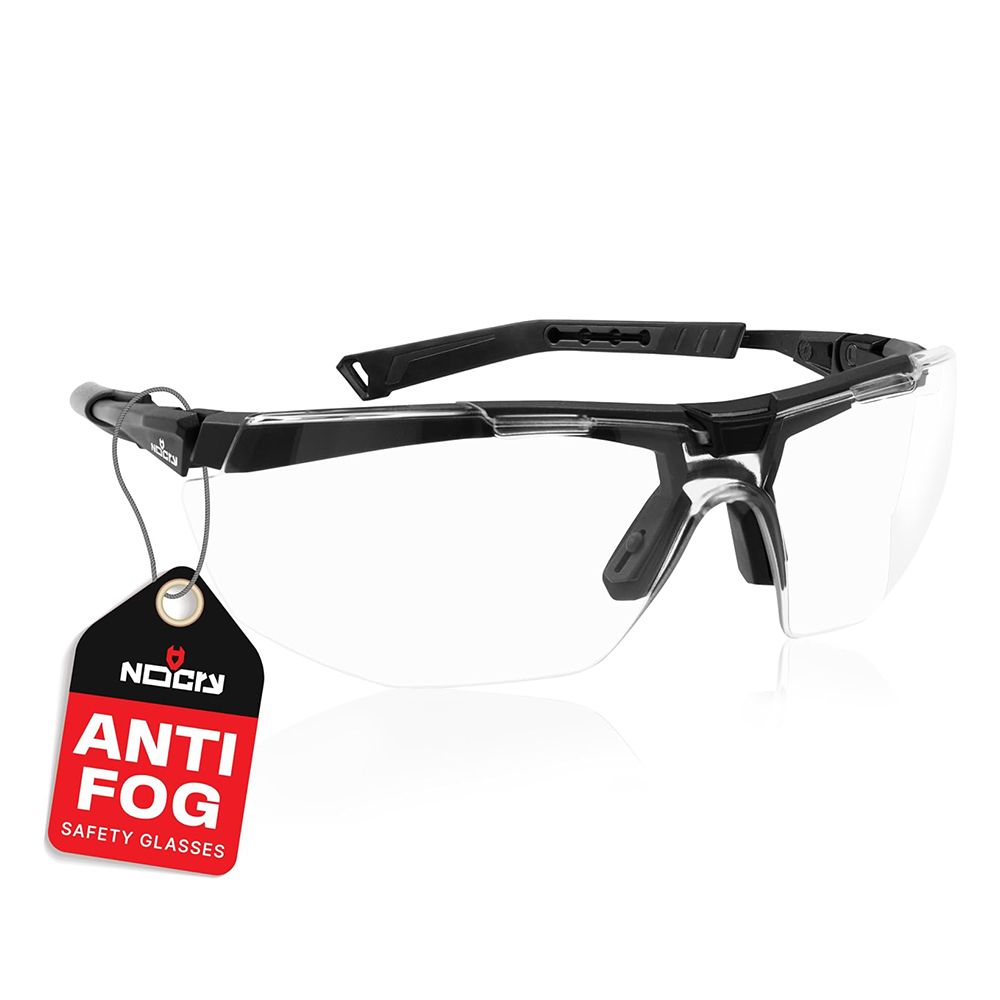
Standard safety glasses have impact-resistant lenses and side shields. They protect against flying metal chips and dust.
They are lightweight and fit like regular glasses. Many workers use them for daily tasks that need eye protection.
Wraparound Glasses
Wraparound glasses cover more of the eye area. Their curved lenses block hazards from the sides.
- Provide wider field of vision
- Offer better side protection
- Fit snugly to reduce gaps
- Often made with anti-fog coatings
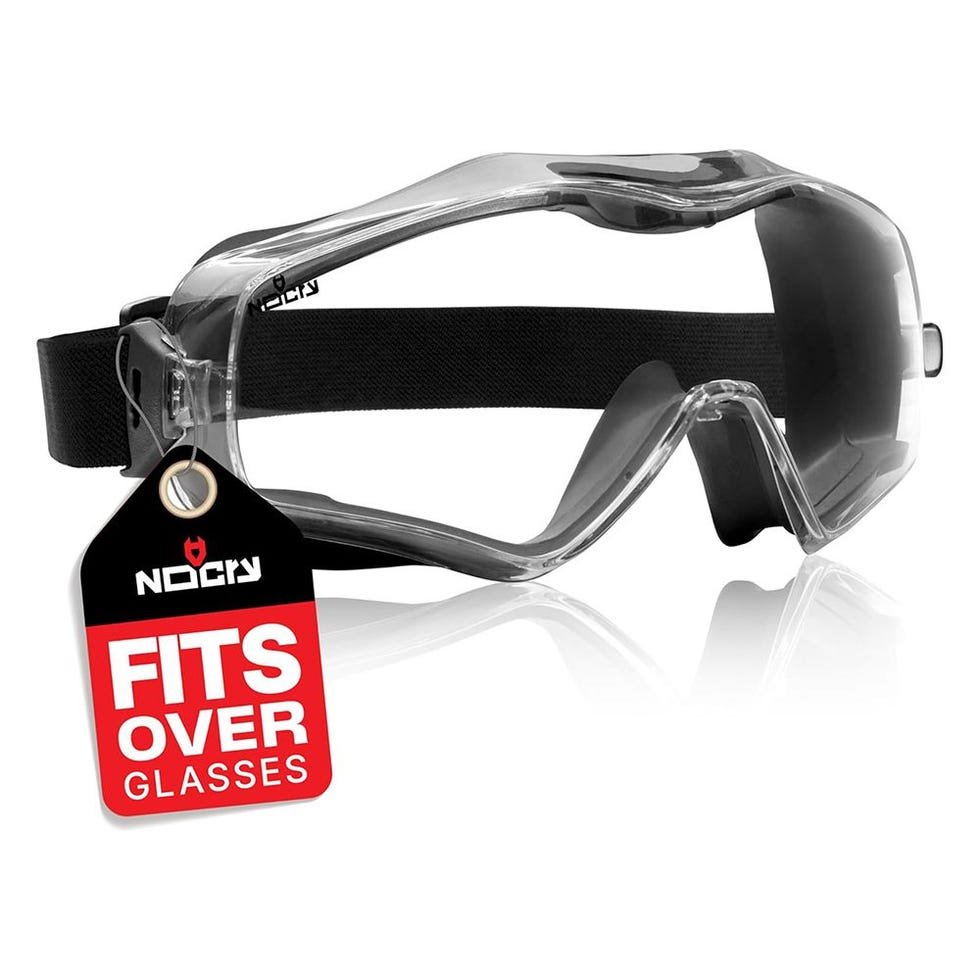
Goggles For Enhanced Protection
Goggles seal tightly around your eyes. They protect against fine metal particles and sparks.
| Feature | Benefit |
| Full eye seal | Prevents dust and debris entry |
| Adjustable strap | Ensures secure fit |
| Ventilation holes | Reduces fogging |
| Impact-resistant lenses | Protects against flying metal |
Key Safety Standards
Choosing the right safety glasses is crucial for metal cutting tasks. Safety standards ensure your eyes get the best protection.
Understanding key safety standards helps you pick glasses that meet required safety levels and protect against hazards.
Ansi Z87.1 Certification
ANSI Z87.1 is a standard by the American National Standards Institute. It sets rules for eye protection gear.
Glasses with this certification have passed tests for impact, coverage, and optical clarity.
Osha Requirements
The Occupational Safety and Health Administration requires workers to wear safety glasses that meet certain standards.
- Safety glasses must comply with ANSI Z87.1 or equivalent standards.
- Employers must provide proper eye protection for metal cutting jobs.
- Glasses should protect against flying debris and sparks.
- Workers must wear glasses at all times during metal cutting work.
Impact Resistance Ratings
Impact resistance ratings show how well glasses protect against flying metal pieces.
| Rating | Protection Level | Use Case |
| Z87 | Basic impact | Light metal cutting |
| Z87+ | High impact | Heavy-duty metal cutting |
| Polycarbonate lenses | High impact | Standard in metal cutting safety glasses |
Lens Material Options
Choosing the right lens material is important for safety glasses. The lens material affects comfort, durability, and protection. This guide explains three common lens types used for metal cutting safety glasses.
Understanding each lens option helps you pick the best one for your needs. Consider factors like impact resistance, clarity, and weight.
Polycarbonate Lenses
Polycarbonate lenses are popular for safety glasses. They are lightweight and offer strong impact resistance. These lenses protect well from flying metal shards during cutting.
- High impact resistance
- Lightweight and comfortable
- Good optical clarity
- Offer UV protection
- Scratch resistant coatings available
Glass Lenses
Glass lenses provide excellent optical clarity. They resist scratches better than plastic lenses. Glass is heavier and less impact resistant than polycarbonate.
| Feature | Glass Lenses | Polycarbonate Lenses |
| Weight | Heavier | Lighter |
| Impact Resistance | Lower | Higher |
| Scratch Resistance | High | Moderate |
| Optical Clarity | Very Good | Good |
Trivex Lenses
Trivex lenses combine many benefits. They are lightweight, strong, and clear. Trivex offers better impact resistance than glass and similar weight to polycarbonate.
Key advantages of Trivex lenses include:
- Excellent impact protection
- Lightweight like polycarbonate
- Sharp optical clarity
- Good chemical resistance
Credit: www.popularmechanics.com
Lens Coatings And Treatments
Choosing the right safety glasses for metal cutting means understanding lens coatings. These coatings improve comfort and protect your eyes.
Lens coatings help prevent damage and keep your vision clear. They add extra features to standard lenses.
Anti-scratch Coating
Anti-scratch coatings protect lenses from small scratches. These scratches can reduce visibility and damage lenses over time.
Coated lenses last longer and keep your safety glasses looking new. This coating is important for metal cutting tasks where debris may hit the glasses.
Anti-fog Coating
Anti-fog coatings stop lenses from fogging. Fog can happen from sweat or temperature changes during metal cutting.
- Improves visibility in hot or humid work areas
- Reduces the need to wipe lenses frequently
- Enhances safety by maintaining clear vision
Uv Protection
UV protection shields your eyes from harmful ultraviolet rays. Metal cutting often happens outdoors or near bright light sources.
| UV Protection Level | Benefit |
| UV400 | Blocks 99% of UVA and UVB rays |
| UV300 | Blocks most harmful UV rays |
| No UV protection | No shield from UV damage |
Choosing The Right Tint
Picking the right tint for safety glasses is important for metal cutting. The tint affects how well you see and protect your eyes.
Different tints work best in different lighting and tasks. Choose a tint that fits your work environment and safety needs.
Clear Lenses For Indoor Use
Clear lenses are good for indoor metal cutting. They let in the most light and do not change colors.
These lenses help you see details clearly in low light or artificial light areas. They also protect against dust and flying metal pieces.
Smoke And Gray Tints
Smoke and gray tints reduce bright sunlight glare outside. They help protect your eyes from strong light and UV rays.
These tints keep colors natural, so you still see your work clearly. Use them for outdoor metal cutting or bright indoor areas.
- Reduce eye strain in bright light
- Protect against UV rays
- Keep colors true for accuracy
Specialized Tints For Welding
Welding requires special tints to block intense light and sparks. These lenses are darker than usual safety glasses.
They have different shade levels based on welding type. Use the correct shade to protect your eyes from injury.
- Shade 8-10 for light welding
- Shade 10-13 for heavy welding
- Check lens shade for your welding task

Credit: www.popularmechanics.com
Fit And Comfort Features
Choosing safety glasses for metal cutting means focusing on fit and comfort. Proper fit helps protect your eyes better.
Comfort features keep you wearing the glasses for long hours without pain or irritation.
Adjustable Nose Pads
Adjustable nose pads let you change the fit on the bridge of your nose. This adjustment stops glasses from slipping during work.
They also reduce pressure points that cause discomfort. Soft nose pads add extra comfort for long use.
- Custom fit improves safety
- Prevents slipping and sliding
- Soft materials avoid skin irritation
Flexible Temples
Flexible temples adjust to the shape of your head. This feature reduces tightness around your ears.
They also help keep the glasses stable during movement. Flexible materials prevent headaches from long wear.
- Fits different head sizes easily
- Improves stability during work
- Less pressure on temples and ears
Ventilation Options
Good ventilation stops your glasses from fogging up. This is important when cutting metal, as fog reduces visibility.
Look for vents or airflow channels in the frame. These help air move inside and keep your vision clear.
- Reduces fog on lenses
- Keeps eyes cool and dry
- Improves overall comfort
Additional Safety Gear
Choosing the right safety glasses is important for metal cutting. You also need extra gear to stay safe. This gear protects your face, ears, and lungs from harm.
Using additional safety gear reduces risks from flying sparks, loud noise, and dust. Let’s look at some key items to wear along with safety glasses.
Face Shields
Face shields cover your whole face and protect from sparks and debris. They are usually made of clear plastic and fit over your safety glasses.
Use a face shield if you cut thick metal or work close to the cutting area. It adds an extra layer of defense against flying fragments.
Ear Protection
Metal cutting can be very loud. Loud noise can damage your hearing over time. Ear protection like earplugs or earmuffs helps keep your ears safe.
Choose ear protection that fits well and blocks out noise. You can wear it together with your safety glasses and face shield.
- Earplugs are small and fit inside your ear canal
- Earmuffs cover your entire ear for extra noise blocking
- Use both if the noise is very loud or lasts long
Respirators
Cutting metal creates dust and fumes that can harm your lungs. Respirators filter the air you breathe and protect your respiratory system.
Choose a respirator with the right filters for metal dust and fumes. Make sure it fits tightly and comfortably over your nose and mouth.
- Disposable masks are good for short jobs
- Reusable respirators have replaceable filters
- Check the mask rating for metal dust and fumes

Credit: rx-safety.com
Maintenance And Replacement
Safety glasses protect your eyes during metal cutting. Keeping them clean and replacing damaged parts is key. Proper care extends their life and keeps your vision clear.
Follow simple steps to maintain your glasses. Check them often for damage and store them properly between uses.
Cleaning Safety Glasses
Clean your safety glasses daily to remove dirt and metal dust. Use a soft cloth and mild soap with water. Avoid harsh chemicals that can damage lenses.
- Rinse glasses with warm water before wiping
- Use a microfiber cloth to avoid scratches
- Apply mild soap, then rinse thoroughly
- Dry with a clean, soft cloth
When To Replace Lenses
Look for cracks, deep scratches, or cloudiness on the lenses. These signs reduce protection and visibility. Replace lenses immediately if you see damage.
| Condition | Action |
| Minor smudges or dirt | Clean thoroughly |
| Light scratches | Monitor but still safe |
| Deep scratches or cracks | Replace lenses |
| Foggy or cloudy lenses | Replace lenses |
Storage Tips
Store safety glasses in a clean, dry place. Use a hard case to protect them from damage. Avoid leaving glasses in hot or damp areas.
- Do keep glasses in a protective case
- Do clean before storing
- Don’t leave glasses in direct sunlight
- Don’t place glasses lens-side down on surfaces
Frequently Asked Questions
What Features Make Safety Glasses Suitable For Metal Cutting?
Safety glasses for metal cutting need impact-resistant lenses and side shields. They must protect against flying debris and sparks. Look for ANSI Z87. 1 certification to ensure safety standards. Comfortable fit and anti-fog coating enhance usability during metal cutting tasks.
How To Choose Lens Type For Metal Cutting Safety Glasses?
Choose clear or tinted lenses based on lighting conditions. Clear lenses are ideal for indoor or low-light use. Tinted lenses reduce glare in bright environments. Polycarbonate lenses provide excellent impact resistance and durability for metal cutting safety glasses.
Why Is Ansi Z87.1 Certification Important For Safety Glasses?
ANSI Z87. 1 certification guarantees the glasses meet strict safety standards. It ensures protection against high-velocity impact and optical clarity. Certified glasses are tested for durability and resistance to hazards common in metal cutting. Always select ANSI-certified glasses for reliable eye protection.
Can Safety Glasses Prevent Injuries From Metal Sparks?
Yes, properly selected safety glasses shield eyes from metal sparks and debris. They must have impact-resistant lenses and side shields for full protection. Using glasses with anti-scratch and anti-fog coatings improves visibility and safety during metal cutting.
Conclusion
Choosing the right safety glasses protects your eyes during metal cutting. Always pick glasses with strong lenses and a secure fit. Check for impact resistance and comfort before buying. Clear vision helps you work safely and accurately. Don’t forget to replace damaged glasses quickly.
Safety is simple when you use the right gear. Stay safe, stay focused, and protect your vision every time.