Choosing the right wood chisels can make all the difference in your woodworking projects. If you’ve ever struggled with dull blades or tools that just don’t feel right, you’re not alone.
Finding chisels that match your skill level and the tasks you want to tackle will save you time, effort, and frustration. In this guide, you’ll discover simple tips to pick the perfect chisels that fit your needs and help you work with confidence.
Keep reading, and you’ll learn how to make a choice that turns your woodworking from a challenge into a pleasure.
Credit: www.anneofalltrades.com
Types Of Wood Chisels
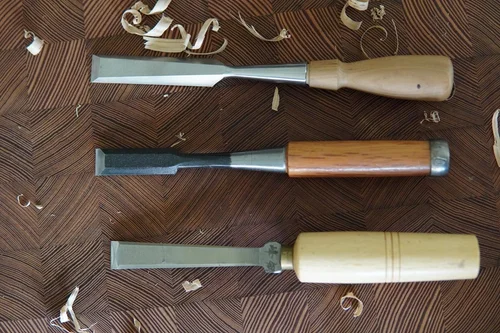
Wood chisels come in different types for various tasks. Each type has a special shape and use.
Knowing the types helps you pick the right tool for your woodworking project.
Bevel Edge Chisels
Bevel edge chisels have angled edges that taper to a sharp point. They are good for cutting inside corners.
These chisels work well for fine woodworking and fitting joints.
- Sharp beveled edges for detail work
- Used for trimming and shaping wood
- Common in cabinet making and carpentry
Mortise Chisels
Mortise chisels are strong and thick with a straight edge. They cut deep square holes called mortises.
These chisels handle tough chopping and heavy work without breaking.
- Thick blade for strength
- Used to create mortise joints
- Good for heavy chopping and levering
Paring Chisels
Paring chisels have long, thin blades. They are used for delicate slicing and smoothing wood surfaces.
These chisels require careful hand control and light pressure to avoid damage.
- Long blade for fine trimming
- Used to clean joints and smooth edges
- Not for heavy chopping work
Firmer Chisels
Firmer chisels have a thick, strong blade with a square edge. They are general-purpose chisels.
These chisels work well for both chopping and paring tasks in woodworking.
- Strong and durable blade
- Used for various woodworking jobs
- Good for beginners and general use

Credit: www.youtube.com
Choosing The Right Steel
Wood chisels need the right steel for good performance. The steel type affects sharpness and durability.
Picking the right steel helps you work better and keep your tools longer.
Carbon Steel Benefits
Carbon steel is a popular choice for wood chisels. It is easy to sharpen and holds an edge well.
This steel is strong and can get very sharp. It also wears down slower than some steels.
- Sharpens quickly and easily
- Holds a sharp edge for longer
- Strong and durable for woodwork
- Can rust if not cared for
Advantages Of Stainless Steel
Stainless steel resists rust and stains. This makes it good for wet or humid places.
It needs less care than carbon steel. It is also tough but may not stay sharp as long.
- Rust and stain resistant
- Requires less maintenance
- Strong and durable
- May need sharpening more often
Tool Steel Varieties
Tool steels come in many types for different uses. They offer a balance of hardness and toughness.
Some tool steels have extra elements to improve wear resistance. These steels last longer under hard use.
| Tool Steel Type | Key Feature | Use in Chisels |
|---|---|---|
| O1 Steel | Good hardness and toughness | Common for sharp, durable chisels |
| A2 Steel | Better wear resistance | Longer lasting edge |
| D2 Steel | High wear resistance | Good for heavy use chisels |
Handle Materials And Comfort
Choosing the right handle for your wood chisel is important. The handle affects how comfortable and safe the tool feels in your hand.
Different materials offer different grips and durability. This guide explains common handle types and what to look for in comfort.
Wood Handles
Wood handles are traditional and offer a natural feel. They provide good grip and absorb shock well during use.
Hardwoods like hickory or ash are strong and last long. These handles may need occasional oiling to keep them smooth.
Plastic And Composite Handles
Plastic and composite handles are durable and resistant to moisture. They often have textured surfaces to improve grip.
These handles require less maintenance than wood. They can be lighter, but some users find them less comfortable over time.
Ergonomic Considerations
Ergonomic handles reduce hand fatigue and improve control. Look for handles shaped to fit your hand naturally.
- Soft grips can prevent slipping
- Contoured shapes support fingers and palm
- Balanced weight helps with precision work
Blade Size And Shape
Choosing the right wood chisel depends a lot on the blade size and shape. These features affect how well the chisel works on different wood types and tasks.
Knowing the differences helps you pick a chisel that fits your project needs and skill level.
Determining Appropriate Width
The width of a chisel blade affects control and cutting power. Narrow blades work well for fine detail and tight spaces. Wide blades remove more wood quickly but need careful handling.
- 1/4 inch to 1/2 inch: Best for small joints and carving details.
- 3/4 inch to 1 inch: Good for general woodworking and smoothing surfaces.
- 1 1/4 inch and wider: Used for heavy wood removal and flattening.
Straight Vs. Curved Blades
Straight blades are common and good for many woodworking tasks. Curved blades, also called gouges, help scoop out wood and create rounded shapes.
| Blade Type | Main Use | Best For |
| Straight | Cutting flat surfaces | Chopping, paring, trimming |
| Curved (Gouge) | Carving concave shapes | Sculpting, hollowing bowls |
Blade Thickness And Strength
Thicker blades offer more strength and resist bending. Thin blades give better control but can bend or chip easily. Choose thickness based on the wood hardness and task.
- Thick blades:Strong, good for hard woods and heavy cuts.
- Thin blades:Precise, good for fine cuts and soft woods.
Sharpening And Maintenance
Wood chisels need regular care to work well. Keeping them sharp and clean helps you cut wood smoothly. Proper maintenance also extends the life of your chisels.
This guide covers the tools you need, how to keep the blade sharp, and the best ways to store your chisels safely.
Essential Sharpening Tools
Sharp chisels cut better and are safer to use. You need some simple tools to keep the blade sharp and ready.
- Sharpening stones (coarse and fine grit)
- Honing guide to keep the correct angle
- Leather strop for polishing the edge
- Oil or water for lubricating sharpening stones
- Clamp or bench vise to hold the chisel steady
Maintaining Blade Sharpness
Sharpen your chisels regularly to keep the edge clean. Dull blades make work harder and can damage wood.
- Secure the chisel in a clamp or vise.
- Use a coarse stone to reshape the edge if needed.
- Move the blade across the fine stone in smooth strokes.
- Check the angle to keep it consistent.
- Finish by stropping the blade on leather to polish.
- Clean the blade and apply light oil to prevent rust.
Proper Storage Tips
Store chisels carefully to protect the blade and handle. Good storage prevents damage and keeps them ready to use.
| Storage Method | Benefit |
|---|---|
| Wooden rack or block | Keeps chisels upright and organized |
| Blade guards or caps | Protects edges from nicks and moisture |
| Tool roll or pouch | Easy to carry and stores blades safely |
| Dry, cool place | Prevents rust and handle warping |
Budgeting For Quality
Choosing the right wood chisels means finding a balance between price and quality. Good chisels last longer and work better. Planning your budget helps you get tools that suit your needs.
Buying cheap chisels may save money at first but can cost more over time. Quality chisels need less sharpening and give cleaner cuts.
Balancing Cost And Durability
Look for chisels made with strong steel and solid handles. These last longer and stay sharp. Spending a little more upfront avoids frequent replacements.
Check reviews or ask experts to find chisels with good durability for the price. Avoid very cheap tools that wear out quickly.
Recommended Brands For Beginners
Some brands offer quality chisels at affordable prices. These are good for beginners who want reliable tools without spending too much.
Choose brands known for good customer support and easy sharpening. These help beginners learn and keep tools in good shape.
- Stanley
- Irwin
- Craftsman
- Two Cherries (entry-level sets)
Investing In Professional Tools
Professional chisels cost more but offer superior steel and craftsmanship. They hold edges longer and resist damage better.
For serious woodworking, investing in professional tools improves work quality and saves time. These chisels perform well with heavy use.
- Look for high-carbon or laminated steel blades
- Check for comfortable, durable handles
- Consider brands like Lie-Nielsen and Narex
- Buy sets that match your woodworking style
Testing Chisels Before Purchase
Choosing the right wood chisel is important for your woodworking projects. Testing the chisel before buying helps ensure quality and comfort.
Try each chisel carefully to check its blade, handle, and balance. These checks will help you find the best tool for your needs.
Checking Blade Alignment
Blade alignment is key for precise cuts. Hold the chisel up to light and look along the blade edge. The blade should be straight and even with no bends or gaps.
Try tapping the blade lightly on a hard surface. It should not wobble or feel loose. A well-aligned blade stays steady and cuts cleanly.
Assessing Handle Grip
The handle must feel comfortable in your hand. Grip the chisel as if you were working. The shape should fit your palm without slipping.
- Check if the handle is smooth and splinter-free
- Test for a secure fit to the blade
- Look for handles made from durable wood or plastic
- Feel the handle size to match your hand length
Weight And Balance Feel
Weight and balance affect how the chisel works in your hand. A well-balanced chisel lets you control cuts easily without fatigue.
| Factor | What to Check |
| Weight | Not too heavy or too light |
| Balance Point | Should be near the handle-blade joint |
| Control | Easy to guide and steady in use |

Credit: www.familyhandyman.com
Frequently Asked Questions
What Types Of Wood Chisels Are Best For Beginners?
For beginners, bench chisels with a ¼ to 1-inch blade are ideal. They offer control and versatility for basic woodworking tasks.
How To Choose The Right Chisel Size For Projects?
Select chisel sizes based on your project detail. Smaller chisels suit fine work, while larger ones handle heavy-duty tasks effectively.
What Wood Chisel Materials Ensure Durability And Sharpness?
High-carbon steel chisels provide excellent sharpness and durability. They hold edges longer and resist wear during regular woodworking.
How Often Should I Sharpen My Wood Chisels?
Sharpen chisels whenever they become dull. Regular honing keeps edges sharp and improves cutting precision for better results.
Conclusion
Choosing the right wood chisels enhances your woodworking experience. Understand your project needs first. Consider chisel size and material. Steel quality matters for durability. Check the handle for comfort. A firm grip ensures precision. Budget wisely, but prioritize quality. Investing in a good set pays off.
Spend time on maintenance. Sharpening keeps chisels effective. Think about safety too. Proper storage prevents accidents. Remember, practice improves skill. Enjoy the crafting process. The right tools make a difference. Happy woodworking!