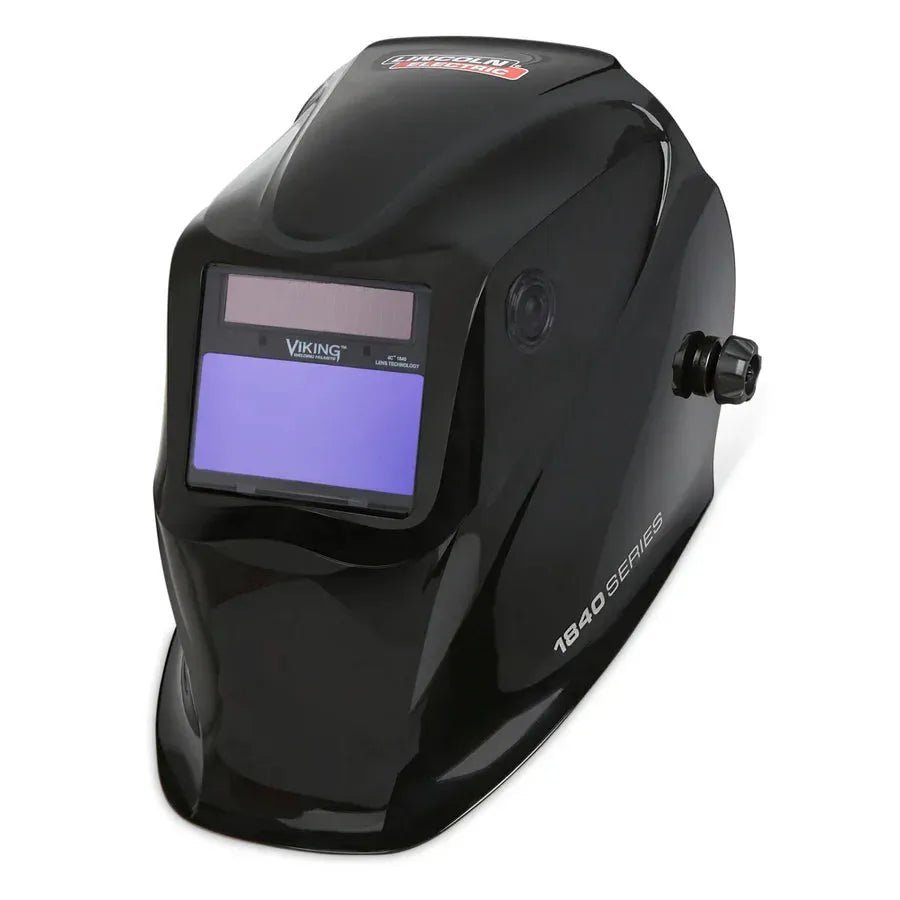
When it comes to welding, your safety starts with the right helmet. Choosing the perfect welding helmet isn’t just about comfort—it’s about protecting your eyes and face from sparks, intense light, and harmful radiation.
But with so many options out there, how do you pick one that truly keeps you safe? In this guide, you’ll discover simple, clear tips to help you select a welding helmet that fits your needs perfectly. Keep reading, and make sure your next welding job is as safe as it is successful.
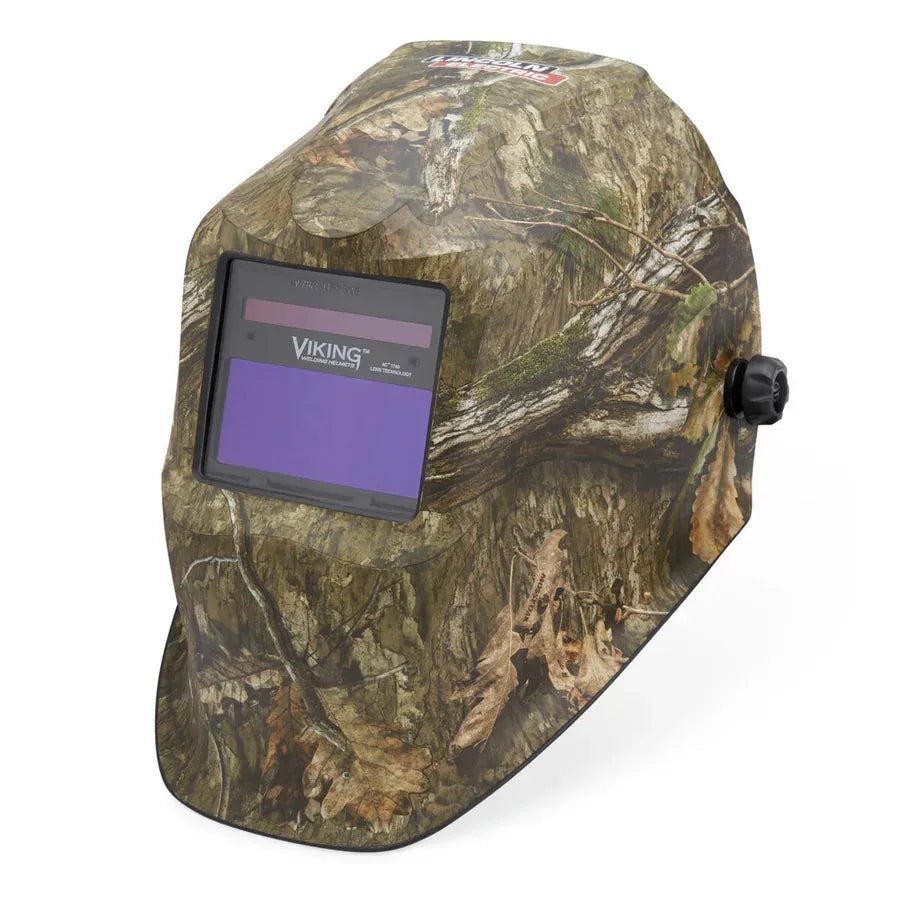
Credit: weldingmart.com
Key Safety Features
Choosing the right welding helmet is important for your safety. The helmet must protect your eyes and face from sparks and harmful rays.
Look for helmets with strong safety features. These features help prevent injuries and improve your comfort while welding.
Auto-darkening Filters
Auto-darkening filters change the lens shade automatically. They protect your eyes from bright light during welding.
This feature lets you see clearly before and after welding. It reduces the need to lift the helmet often.
- Adjusts shade quickly to protect eyes
- Improves work speed and safety
- Reduces neck strain by limiting helmet movement
Impact Resistance
Impact resistance keeps your helmet strong against flying sparks and debris. It stops cracks and damage during work.
Choose helmets made with durable materials. These helmets give better protection and last longer on the job.
- Protects from hot metal sparks
- Prevents cracks from drops or hits
- Ensures helmet stays secure during use
Uv And Ir Protection
Welding produces harmful ultraviolet (UV) and infrared (IR) rays. These rays can cause eye damage without proper protection.
Good helmets block 100% of UV and IR rays, even when the lens is clear. This keeps your eyes safe all the time.
- Blocks harmful UV light
- Protects eyes from infrared rays
- Works even before lens darkens
Types Of Welding Helmets
Choosing the right welding helmet helps protect your eyes and face from sparks and harmful light. There are different types to fit various welding needs.
Understanding the types can make your work safer and easier. Learn about passive, auto-darkening, and hybrid helmets below.
Passive Helmets
Passive helmets have a fixed shade lens. The lens is always dark and does not change during welding. They are simple and do not need batteries.
- Usually cost less than other helmets
- Provide constant protection without delay
- Can be heavier to wear for long hours
- Require the welder to flip the helmet up and down
Auto-darkening Helmets
Auto-darkening helmets change the lens shade automatically when welding starts. This helps welders see clearly before and after welding.
| Feature | Benefit |
|---|---|
| Adjustable shade levels | Fits different welding types |
| Battery or solar powered | Longer use without replacing parts |
| Lightweight design | Comfort during long work periods |
| Improves safety | Prevents eye strain and injury |
Hybrid Helmets
Hybrid helmets combine passive and auto-darkening features. They offer flexibility for different work situations and user preferences.
Common features of hybrid helmets include:
- Switch between fixed shade and auto-darkening modes
- Provide backup protection if battery fails
- Suitable for welders who want extra safety
Helmet Comfort And Fit
Choosing a welding helmet that fits well is important for safety. A comfortable helmet helps you work longer without pain.
Proper fit keeps the helmet secure. It also protects your face and eyes from sparks and harmful light.
Adjustable Headgear
Adjustable headgear lets you change the helmet size to fit your head. This makes wearing the helmet easier and safer.
Look for helmets with simple adjustment knobs or straps. These allow quick changes for a tight fit without discomfort.
- Keeps the helmet steady during work
- Prevents slipping or shifting
- Allows multiple users to share one helmet
Weight Considerations
Lighter helmets reduce neck and head strain. Heavy helmets can cause fatigue and discomfort.
Choose helmets made from light materials without losing safety features. This helps you stay comfortable all day.
- Less pressure on your neck
- Improved balance and movement
- Better focus on welding tasks
Ventilation And Padding
Good ventilation keeps air flowing inside the helmet. This stops heat and sweat build-up.
Padding adds comfort and helps absorb sweat. It also reduces pressure points on your head.
- Ventilation prevents fogging and overheating
- Padded areas soften contact with skin
- Both improve long-term wearability

Credit: www.ishn.com
Lens Shade And Clarity
Welding helmets protect your eyes from bright light and sparks. Lens shade and clarity are key for safety and comfort.
Choosing the right lens helps you see clearly and avoid eye strain. It also guards against harmful rays.
Shade Range Selection
Lens shade means how dark the lens is. It blocks bright light during welding. Different tasks need different shades.
Choose a shade based on the welding type and amperage. Too dark or too light lenses can cause eye damage or poor visibility.
- Shade 9-13: For most arc welding processes
- Shade 10-14: Use for high amperage welding
- Shade 5-8: Suitable for grinding or cutting
Optical Clarity Ratings
Optical clarity shows how clear the lens view is. It affects how well you see the weld and surroundings.
Look for helmets with high clarity ratings. They reduce eye strain and improve accuracy during welding.
- Rating 1: Best clarity, sharp view
- Rating 2: Good clarity with slight distortion
- Rating 3: Lower clarity, more distortion
- Rating 4: Poor clarity, not recommended
Viewing Size Options
Viewing size means the lens window size. Larger windows give better vision and less head movement.
Choose a size that fits your work style. Bigger views help with precision but may add weight.
- Small (4×2 inches): Lightweight, good for close work
- Medium (5×2.5 inches): Balanced size and weight
- Large (6×4 inches or more): Wide view, best for detailed tasks
Power Source And Battery Life
Choosing the right welding helmet depends on its power source and battery life. These factors affect safety and comfort during work.
Understanding the types of power sources helps in picking a helmet that suits your welding needs.
Solar-powered Helmets
Solar-powered helmets use light from the welding arc or sunlight to charge their batteries. They need less frequent battery changes.
These helmets often have longer battery life because the solar cells keep the battery charged during use.
Battery-powered Helmets
Battery-powered helmets use replaceable or rechargeable batteries as their main power source. They work well in low-light conditions.
- Check battery type before buying
- Recharge or replace batteries regularly
- Some models offer low battery warnings
- Battery life varies by helmet model
Hybrid Power Options
Hybrid helmets combine solar power and batteries for better reliability. They switch between power sources automatically.
| Power Source | Benefit | Consideration |
| Solar | Longer battery life | Needs light to charge |
| Battery | Works in dark areas | Requires replacements |
| Hybrid | Reliable power supply | Usually higher cost |
Additional Features To Consider
Choosing a welding helmet involves more than just protection. Some features improve comfort and usability. These extras help you work safely and efficiently.
Look for helmets with features that fit your specific needs. These can make your welding tasks easier and safer.
Grind Mode
Grind mode lets you switch the helmet to protect your eyes during grinding. It stops the lens from darkening while you work on metal surfaces.
This feature adds convenience because you do not need to remove the helmet when grinding. It saves time and keeps your face protected.
Sensitivity And Delay Controls
Sensitivity controls adjust how easily the lens darkens. You can set it to react to different light levels during welding.
Delay controls let you set how long the lens stays dark after welding stops. This protects your eyes from bright sparks and light.
- High sensitivity for low-amp welding
- Lower sensitivity for bright environments
- Short delay for quick work changes
- Long delay for heavy sparks
Safety Certifications
Check the helmet’s safety certifications before buying. Certified helmets meet strict rules to protect your eyes and face.
Look for certifications like ANSI Z87.1 or EN379. These show the helmet passed tests for impact and light protection.
- ANSI Z87.1: US safety standard for eye and face protection
- EN379: European standard for auto-darkening filters
- CSA Z94.3: Canadian standard for welding helmets
Budget And Brand Reputation
Choosing a welding helmet is important for safety. Your budget and the brand’s reputation can guide your choice. Picking the right helmet helps protect your eyes and face during welding.
Spending wisely and trusting reliable brands ensures you get good safety gear. Let’s explore how price, brand, and support affect your helmet choice.
Price Vs. Quality
Cheap helmets may seem good but might lack important safety features. Higher price often means better lens clarity and durability. Quality helmets last longer and protect better.
Think about how often you weld and what kind of work you do. A good helmet saves money over time by avoiding injuries and replacements.
- Low price: basic protection, less comfort
- Mid price: balanced safety and features
- High price: advanced lens, comfort, and durability
Trusted Manufacturers
Brands with good reputations follow safety standards strictly. They test their helmets to meet industry rules. Choosing a trusted maker lowers the risk of faulty helmets.
Look for brands known by welders and safety experts. They often offer better designs and reliable materials for protection.
- Check brand history and reviews
- Choose brands certified by safety organizations
- Pick brands with positive user feedback
Warranty And Customer Support
A good warranty shows the brand trusts its product. It covers defects and problems that may appear after purchase. This protects your investment in safety gear.
Customer support helps you if you have questions or issues. Brands with strong support make sure you get help fast and easy.
- Look for helmets with at least one-year warranty
- Choose brands with accessible customer service
- Check if replacement parts are easy to get

Credit: www.ishn.com
Maintenance And Care Tips
Keeping your welding helmet in good shape is important for safety. Proper care helps the helmet last longer and work better.
Follow simple steps to clean, replace parts, and store your helmet safely. These steps keep you protected during welding.
Cleaning The Lens
Clean the lens regularly to keep a clear view. Use a soft cloth and mild cleaner to avoid scratches. Avoid harsh chemicals that can damage the lens.
- Use a microfiber cloth for cleaning
- Apply gentle soap and water if needed
- Dry the lens with a soft, dry cloth
- Do not use abrasive materials or strong solvents
Replacing Parts
Check your helmet’s parts often. Replace worn or broken parts to keep it safe. Common parts to watch are the lens, headgear, and straps.
| Part | When to Replace | Reason |
| Lens | Scratched or cracked | Clear vision is essential |
| Headgear | Worn or loose | Comfort and fit matter |
| Straps | Frayed or broken | Helmet must stay secure |
Storage Practices
Store your welding helmet in a safe place. Keep it away from heat and direct sunlight. This helps protect the helmet’s material and lens.
- Use a helmet bag or box for storage
- Keep helmet dry and clean before storing
- Avoid placing heavy items on the helmet
- Store in a cool, dry place away from dust
Frequently Asked Questions
What Features Ensure Welding Helmet Safety?
Look for helmets with auto-darkening lenses, adjustable shade, and full-face coverage. Quality materials and comfort also enhance safety.
How To Choose The Right Lens Shade For Welding?
Select lens shade based on welding type and amperage. Shades 10-13 suit most arc welding tasks for eye protection.
Why Is Helmet Comfort Important For Welders?
Comfort reduces fatigue and distractions during welding. A well-fitted helmet improves focus and ensures consistent safety.
Can Welding Helmets Protect Against Uv And Ir Radiation?
Yes, quality helmets block harmful UV and IR rays, preventing eye damage even when lenses are not darkened.
Conclusion
Choosing the right welding helmet ensures your safety. It’s crucial. Consider helmet weight for comfort. Look for adjustable headbands for a secure fit. Opt for auto-darkening lenses for eye protection. Check the shade range for versatility. Don’t ignore battery life.
A durable helmet lasts longer. Comfort and safety should be your priority. Read reviews before purchasing. Personal preferences matter. Invest wisely in your safety gear. A good helmet protects your eyes and face. Remember, your safety is priceless. Happy and safe welding!