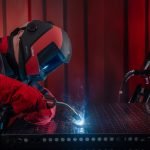
When it comes to keeping your workshop safe, choosing the right welding helmet is one of the smartest steps you can take. You might think any helmet will do, but the truth is, the right one protects your eyes, face, and even your health.
How do you pick a helmet that fits your needs, feels comfortable, and keeps you safe every single time? You’ll discover simple yet powerful tips that make selecting a welding helmet easy and effective. Keep reading, and make sure your next welding session is safer than ever before.
Credit: tikweld.com
Key Features Of Welding Helmets
Choosing the right welding helmet is vital for safety in any workshop. The helmet protects your eyes and face from sparks and harmful rays.
Understanding key features helps you pick a helmet that fits your needs and keeps you safe during work.
Lens Types And Shades
Welding helmets come with different lens types and shades. The lens blocks harmful light while letting you see your work.
- Passive lenses have a fixed dark shade.
- Auto-darkening lenses change shade automatically when welding starts.
- Shade numbers range from 9 to 13 for most welding tasks.
- Choose a shade that matches your welding type and intensity.
Auto-darkening Vs. Passive Helmets
Passive helmets have a dark lens that stays dark all the time. You need to flip the helmet up to see clearly.
Auto-darkening helmets use sensors to switch the lens from light to dark instantly. This lets you keep the helmet down while working.
| Feature | Passive Helmet | Auto-Darkening Helmet |
| Lens Shade | Fixed | Adjustable |
| Visibility Before Welding | Dark | Clear |
| Weight | Usually lighter | Usually heavier |
| Price | Lower | Higher |
Helmet Material And Durability
Helmet materials affect safety and how long the helmet lasts. Look for helmets made with strong, heat-resistant materials.
- Polycarbonate is light and impact resistant.
- Nylon helmets resist heat and sparks well.
- Fiberglass offers strong protection and durability.
- Check for helmets with good build quality and sturdy parts.
Comfort And Fit
A helmet should fit well and feel comfortable. Poor fit can cause fatigue and reduce safety.
Look for adjustable headgear and padding. Lightweight helmets reduce neck strain during long use.

Credit: www.arccaptain.com
Safety Standards And Certifications
Choosing the right welding helmet is key for workshop safety. Safety standards and certifications ensure helmets protect you well.
These standards test helmets for impact resistance, eye protection, and comfort. Look for certified helmets to keep safe.
Important Safety Ratings
Welding helmets must meet certain safety ratings. These ratings show the helmet’s ability to protect against hazards.
One key rating is the Shade Number. It shows how dark the lens is to protect your eyes from bright light.
- Shade numbers range from 8 to 13 for most welding tasks
- Higher numbers mean darker lenses
- Choose shade based on your welding type
Another rating is the impact resistance class. It ensures the helmet can handle flying debris and sparks.
Compliance With Industry Regulations
Look for helmets that follow industry rules. These rules protect workers and set minimum safety levels.
Common regulations come from organizations like ANSI and CSA. Their marks on helmets show tested quality.
- ANSI Z87.1: Protects eyes and face from impact and radiation
- CSA Z94.3: Canadian standard for eye and face protectors
- EN 175: European standard for welding equipment safety
Choosing Helmets For Different Welding Types
Welding helmets protect your eyes and face from sparks and harmful light. Different welding types need different helmets.
Choosing the right helmet keeps you safe and makes your work easier. Learn what suits each welding type.
Mig And Tig Welding Requirements
MIG and TIG welding produce bright light and sparks. Helmets need good shading to protect your eyes.
Auto-darkening helmets work well for these types. They switch from light to dark fast when you start welding.
- Choose helmets with shade levels 9 to 13
- Look for fast switching speed (1/25000 seconds or better)
- Comfort and adjustable fit help during long welding sessions
Stick Welding Considerations
Stick welding creates strong sparks and bright arcs. Helmets must block intense light and protect from flying debris.
Choose helmets with high impact resistance and a wide viewing area. This helps you see the weld clearly and stay safe.
- Shade levels between 10 and 14 are best
- Look for durable shells to resist sparks and heat
- Wide lens area improves visibility
Plasma Cutting Compatibility
Plasma cutting uses very bright light and hot metal. Helmets must have special filters to protect from UV and IR rays.
Helmets compatible with plasma cutting have a higher shade range and fast lens response times. This keeps your eyes safe.
- Choose helmets with shade levels 8 to 13
- Ensure fast auto-darkening lens technology
- Check for lens ratings that include plasma cutting standards
Additional Features To Consider
Choosing the right welding helmet is important for safety and comfort. Look beyond basic protection. Extra features help improve your work experience.
These features make welding easier and safer. They can protect your eyes and face better. They also keep you comfortable during long jobs.
Viewing Area Size
The viewing area lets you see your work clearly. A larger area gives a wider view and better awareness. It helps you weld more precisely.
Smaller areas may limit vision but can be lighter. Choose a size that fits your work style and comfort.
Sensitivity And Delay Controls
Sensitivity controls adjust how the helmet reacts to light changes. High sensitivity works well for low-amp welding. Delay controls set how fast the lens clears after welding stops.
Adjust these to avoid eye strain and protect against bright sparks. Proper settings improve safety and comfort.
- High sensitivity for low light welding
- Lower sensitivity for bright environments
- Short delay for fast lens clearing
- Long delay to protect from sparks
Battery Life And Power Options
Welding helmets use batteries or solar power to run the auto-darkening filter. Long battery life means less hassle. Some helmets recharge with light during welding.
Check power options to avoid interruptions. Choose helmets with easy battery replacement or reliable solar cells.
- Replaceable batteries are easy to swap
- Solar-powered helmets recharge while welding
- Some models combine battery and solar power
- Check battery life hours before replacement
Ventilation And Fog Resistance
Good ventilation keeps air flowing inside the helmet. It reduces heat and sweat build-up. Fog resistance stops the lens from getting cloudy.
Look for helmets with vents and anti-fog coatings. These features keep your view clear and your face cool.
- Ventilation holes or fans improve airflow
- Anti-fog coatings prevent lens fogging
- Some helmets have moisture-wicking padding
- Clear vision reduces mistakes and fatigue
Budget And Brand Selection
Choosing the right welding helmet is important for safety in your workshop. You need to think about how much you can spend and which brand to trust.
Finding a helmet that fits your budget and meets safety needs helps protect your eyes and face during work.
Balancing Cost And Quality
Welding helmets come in many prices. Some are cheap but may not last long or protect well.
Expensive helmets usually have better features like auto-darkening and comfort. These can help you work safely and easily.
- Set a budget before shopping
- Look for helmets with good safety ratings
- Check features like lens clarity and comfort
- Read reviews to see how helmets perform
Trusted Brands In Welding Helmets
Choosing a helmet from a well-known brand reduces risk. Trusted brands follow safety rules and use quality materials.
Brands with good reputations offer warranties and customer support. This helps if you have issues with the helmet.
- Miller
- Lincoln Electric
- 3M Speedglas
- ESAB
- Hobart
Maintenance And Care Tips
Keeping your welding helmet in good shape is key for safety. Proper care helps the helmet last longer.
Regular checks and cleaning make sure the helmet works well every time you use it.
Cleaning And Storage
Clean your helmet after each use to remove dirt and sweat. Use a soft cloth and mild soap.
Store the helmet in a dry, cool place. Avoid direct sunlight and dust to protect the lens and shell.
- Use a soft, damp cloth for cleaning
- Do not use harsh chemicals or solvents
- Keep the helmet away from heat sources
- Store in a padded bag or case if possible
Replacing Parts
Check parts like lenses, headgear, and batteries often. Replace worn or damaged parts right away.
Using the right parts keeps the helmet safe and comfortable. Follow the manufacturer’s instructions for replacements.
- Replace cracked or scratched lenses immediately
- Change batteries to keep auto-darkening working
- Swap out worn head straps or padding
- Use original parts recommended by the maker
Extending Helmet Lifespan
Handle your helmet gently to avoid damage. Avoid dropping or banging it against hard surfaces.
Regular maintenance and proper storage help the helmet last longer and keep you safe at work.
- Clean and inspect before and after each use
- Store helmet in a safe place away from moisture
- Replace parts as soon as they show wear
- Avoid exposing helmet to extreme temperatures

Credit: www.ishn.com
Frequently Asked Questions
What Factors To Consider When Choosing Welding Helmets?
When selecting welding helmets, consider lens shade, helmet weight, and comfort. Look for auto-darkening features for better protection. Ensure it fits well and offers a wide view. Safety certifications are crucial. A reliable helmet enhances safety and productivity in the workshop.
Are Auto-darkening Welding Helmets Worth It?
Yes, auto-darkening helmets offer enhanced protection and convenience. They automatically adjust to different light conditions. This feature reduces the need to frequently lift the helmet. It enhances efficiency and safety. They are especially beneficial for frequent welders.
How Does Helmet Weight Affect Safety?
Helmet weight significantly impacts comfort and safety during long welding sessions. Heavier helmets can cause neck strain and fatigue. Lightweight helmets are more comfortable, reducing the risk of injury. Choose a helmet that balances weight and protection for optimal safety.
What Is The Importance Of Lens Shade In Welding Helmets?
Lens shade is crucial for protecting your eyes from harmful UV and IR rays. Different welding tasks require different shades. Ensure your helmet offers adjustable shade settings. This flexibility ensures your eyes remain protected in various lighting conditions. Correct lens shade enhances visibility and safety.
Conclusion
Choosing the right welding helmet keeps you safe and comfortable. Focus on proper fit and clear visibility. Pick helmets with strong lens protection and adjustable shade. Good helmets reduce eye strain and block harmful rays. Always check for durability and ease of use.
Your safety depends on smart helmet choices. Stay protected while working in your workshop. Safety first, every time you weld.