Imagine this: you’re in the middle of a project, and you need a specific tool. You dig through your cluttered toolbox, wasting precious time and energy.
Sound familiar? If you’ve ever felt the frustration of not finding the right tool when you need it most, you’re not alone. A well-organized portable toolbox can be a game-changer for your projects, whether you’re a seasoned professional or a DIY enthusiast.
In this guide, you’ll discover simple, effective strategies to set up your portable toolbox, ensuring you always have the right tool at your fingertips. Keep reading to transform your toolbox—and your productivity.

Credit: www.reddit.com
Choosing The Right Portable Toolbox
Picking a portable toolbox helps keep your tools organized and easy to carry. The right toolbox depends on what tools you have and how you use them.
This guide covers types, material, size, and capacity to help you choose well.
Types Of Portable Toolboxes
Portable toolboxes come in different styles. Each style suits different needs and tools.
- Carry Cases:Small, easy to carry, good for hand tools.
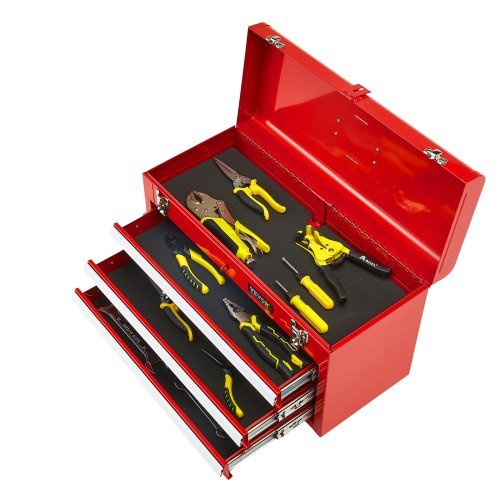
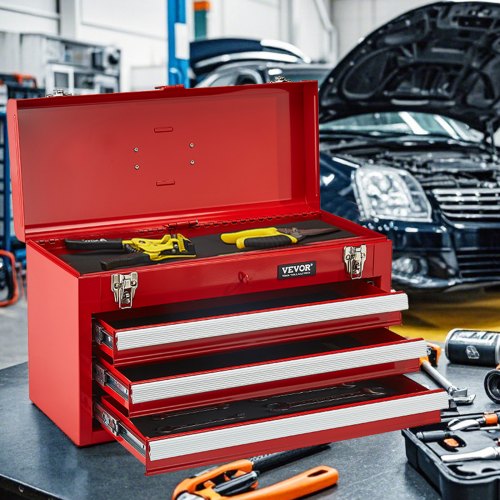
- Tool Chests:Larger with drawers, good for many tools.
- Tool Bags:Soft and flexible, good for odd-shaped tools.
- Rolling Toolboxes:Have wheels, good for heavy loads.
Material And Durability
Toolbox material affects strength and weight. Choose a material that fits your work style.
| Material | Durability | Weight | Best For |
| Plastic | Moderate | Light | Light tools, indoors |
| Metal | High | Heavy | Heavy tools, tough use |
| Fabric | Low | Very light | Soft tools, easy carrying |
Size And Capacity
Size and capacity depend on how many tools you need to carry. Choose a size that fits your needs but is still easy to carry.
- Small: Holds basic tools, very portable.
- Medium: Fits most hand tools and some power tools.
- Large: Best for many tools or large power tools.
Credit: www.vevor.com
Essential Tools To Include
Setting up a portable tool box requires careful selection of tools. You want to carry items that help with most tasks. This guide covers the essentials to include.
Organizing your toolbox with the right tools saves time and effort. Each group of tools plays an important role in different jobs.
Basic Hand Tools
Hand tools are the core of any toolbox. They are simple, reliable, and useful for many repairs and projects.
- Hammer for driving nails and light demolition
- Screwdrivers with flathead and Phillips tips
- Pliers for gripping and bending wires
- Adjustable wrench for nuts and bolts of various sizes
- Measuring tape for accurate measurements
- Utility knife for cutting materials safely
Power Tools And Accessories
Power tools help you work faster and handle bigger tasks. Choose compact and cordless tools for easy transport.
| Tool | Purpose | Accessory |
|---|---|---|
| Cordless Drill | Drilling holes, driving screws | Drill bits set |
| Multi-bit Screwdriver | Versatile screwing tasks | Extra bits |
| Small Circular Saw | Cutting wood and plastic | Blade for different materials |
Safety Gear And Extras
Safety gear protects you during work. Extras improve comfort and convenience.
- Safety glasses to protect eyes
- Work gloves for hand protection
- Dust mask for dusty environments
- Flashlight or headlamp for dark areas
- Small first aid kit for minor injuries
Organizing Tools Efficiently
Keeping your portable tool box organized helps you find tools fast. You save time and work better.
Good organization also protects your tools and makes carrying them easier. Use smart ways to arrange your items.
Using Compartments And Dividers
Compartments and dividers keep tools separate and tidy. They stop tools from moving and getting damaged.
Use small compartments for screws and nails. Large dividers hold bigger tools like hammers and pliers.
- Sort tools by size and type
- Use removable dividers to adjust space
- Place sharp tools in covered compartments
- Keep frequently used tools on top
Labeling For Quick Access
Labels help you find tools without opening every compartment. Use clear and simple names.
Label both the outside and inside of compartments. This saves time and reduces frustration.
- Use stickers or tape for labels
- Write tool names or pictures
- Keep labels clean and visible
- Update labels if you change the setup
Maximizing Space
Use every inch of space inside your tool box. Place small tools in corners or inside larger tools.
Stack tools carefully and use elastic bands to hold items together. This makes your box neat and full.
- Store flat tools at the bottom
- Use foam inserts for odd shapes
- Keep heavy tools near the handle
- Remove unused tools to save space

Credit: www.reddit.com
Maintenance Tips For Longevity
Keeping your portable tool box in good shape helps tools last longer. Regular care prevents damage and keeps tools ready to use.
Follow simple steps to clean, check, and replace parts. This saves time and money over time.
Cleaning And Care
Clean your tool box often to avoid dirt and rust. Use a dry cloth to wipe dust and a damp cloth for stains. Avoid harsh chemicals that can damage surfaces.
- Remove tools before cleaning
- Use mild soap and water for tough spots
- Dry thoroughly to stop rust
- Apply oil to metal parts to protect them
- Keep the box dry and store in a cool place
Regular Tool Inspection
Check your tools regularly for damage or wear. Look for cracks, rust, or loose parts. Fix small problems before they get worse.
| Tool | What to Check | Action Needed |
| Hammer | Handle cracks, head tightness | Tighten or replace handle |
| Screwdriver | Tip shape, handle grip | Sharpen or replace tip |
| Wrench | Jaw alignment, rust spots | Clean rust, adjust jaws |
| Pliers | Joint smoothness, grip wear | Lubricate joint, replace grips |
Replacing Worn-out Items
Replace tools or parts that show serious wear. Using worn tools can be unsafe and damage your work.
- Identify broken or damaged tools during inspection
- Buy exact or compatible replacements
- Dispose of unusable parts safely
- Keep spare parts organized in your tool box
Customizing Your Toolbox
Customizing your portable toolbox makes it easier to find and organize tools. You can add special features to fit your needs.
These changes help protect your tools and save time during work. Here are some popular ways to customize your toolbox.
Adding Foam Inserts
Foam inserts create custom spaces for each tool. They keep tools from moving and protect them from damage.
You can cut foam to fit your tools exactly. This makes your toolbox neat and tools easy to grab.
- Choose foam that is thick and durable
- Trace each tool shape on the foam
- Cut out shapes using a sharp knife
- Place foam inside the toolbox tray or drawer
Magnetic Strips And Hooks
Magnetic strips hold metal tools securely inside your toolbox. Hooks are good for hanging small items like keys or tape.
These features save space and keep tools visible. You can arrange them for quick access.
- Attach magnetic strips to toolbox walls or lids
- Use strong magnets that hold heavy tools
- Install hooks for items like scissors and wrenches
- Place strips and hooks where tools are used most
Portable Workstations
Portable workstations add a flat surface for working anywhere. They often fold out from the toolbox or fit on top.
This setup lets you use your toolbox as a mini workbench. It keeps tools and parts close while you work.
- Choose a toolbox with a built-in fold-out table
- Use clamps or brackets to attach a work surface
- Keep small parts containers on the workstation
- Ensure the workstation is stable and easy to carry
Tips For Easy Transport
Carrying a portable tool box becomes simple with the right setup. Planning for easy transport saves time and effort. This guide covers key tips to help you move your tools safely and comfortably.
Lightweight choices, secure packing, and ergonomic features make a big difference. Use these ideas to make your toolbox easier to carry.
Choosing Lightweight Options
Pick a tool box made from light materials like plastic or aluminum. Avoid heavy metal boxes that add extra weight. Also, select tools that are compact and light.
- Use plastic or aluminum tool boxes
- Choose compact, multi-use tools
- Avoid carrying unnecessary tools
- Organize tools to reduce weight spots
Securing Tools During Transit
Keep tools from shifting inside the box to prevent damage. Use separators and padding to hold tools firmly. Lock the box to avoid accidental openings.
| Method | Purpose |
| Foam inserts | Hold tools tightly in place |
| Dividers | Separate different tools |
| Velcro straps | Secure loose items |
| Strong latches | Prevent box from opening |
Ergonomic Handles And Wheels
Choose tool boxes with comfortable handles. Soft grips reduce hand strain. Wheels help when carrying heavy tools over long distances.
- Look for padded or rubber handles
- Check if wheels roll smoothly
- Consider boxes with telescoping handles
- Test the balance when lifted or rolled
Frequently Asked Questions
What Tools Should I Include In A Portable Tool Box?
Include essential tools like screwdrivers, pliers, a hammer, tape measure, and a utility knife. Add small items like nails, screws, and electrical tape for versatility. Choose lightweight, durable tools to keep your box portable and efficient for various tasks.
How Do I Organize Tools Inside A Portable Tool Box?
Use compartments or small containers to separate tools by type and size. Arrange frequently used tools on top for easy access. Label compartments for quick identification. This method saves time and keeps your toolbox tidy and functional.
What Size Portable Tool Box Is Best For Beginners?
Choose a medium-sized toolbox around 16-20 inches. It offers enough space for basic tools without being bulky. This size is easy to carry and fits most storage areas, ideal for beginners assembling their first portable tool kit.
How Can I Maintain My Portable Tool Box Effectively?
Keep your tools clean and dry to prevent rust and damage. Regularly check for broken or worn-out tools and replace them. Store your toolbox in a cool, dry place. Proper maintenance extends the life of both your tools and the box.
Conclusion
Setting up a portable tool box saves time and keeps tools neat. Choose the right size and compartments for your needs. Organize tools by type and size to find them fast. Keep the box clean and check tools regularly. This helps you work better and stay ready for any task.
A well-set tool box makes projects easier and less stressful. Start your setup today and enjoy the benefits of order and efficiency.