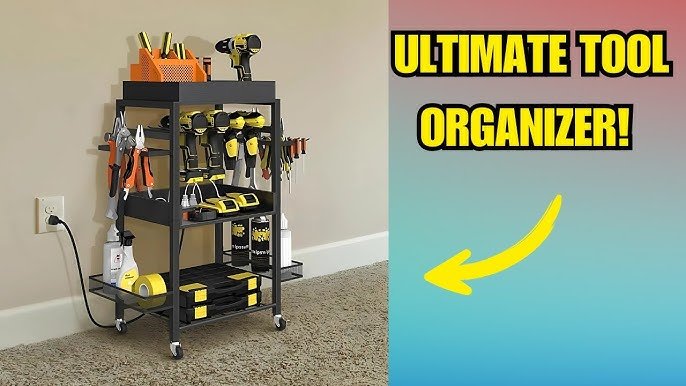
Are you tired of hunting for your tools every time you start a project? Imagine having all your essential tools organized, within arm’s reach, and ready to roll wherever you need them.
Setting up a rolling tool cart can revolutionize the way you tackle tasks, saving you time and frustration. It’s not just about organization; it’s about creating a seamless workflow that enhances your productivity and efficiency. In this guide, we’ll walk you through the simple steps to set up a rolling tool cart that works for you.
Whether you’re a DIY enthusiast or a professional, this setup will transform your workspace. Ready to make your tool chaos a thing of the past? Let’s dive in and get started!
Choosing The Right Tool Cart
Selecting a tool cart that fits your needs helps keep your workspace organized. The right cart also makes moving tools easier and safer.
Look closely at the material, size, and wheels before buying. These factors affect durability, storage, and mobility.
Material And Durability
Tool carts come in different materials like steel, plastic, and aluminum. Steel carts are very strong and last long. Plastic carts are light but less durable. Aluminum offers a balance of weight and strength.
Choose a cart with rust-resistant coating if you work in damp areas. Check the weight limit to make sure it can hold your tools safely.
Size And Storage Capacity
| Size | Storage Type | Best Use |
|---|---|---|
| Small | Few drawers, limited shelves | Light tool collections or tight spaces |
| Medium | Multiple drawers, open shelves | Most hobbyists and small workshops |
| Large | Many drawers, large shelves | Professional use or many heavy tools |
Pick a size that fits your workspace and tool amount. Too big carts waste space, too small carts limit storage.
Mobility And Wheel Features
- Look for wheels that roll smoothly on your floor type.
- Locking wheels help keep the cart in place when needed.
- Swivel wheels make turning easier in tight spots.
- Check wheel size; bigger wheels handle rough floors better.
Good wheels make moving tools safer and faster. Test the cart’s movement before buying if possible.
Gathering Essential Tools And Supplies
Setting up a rolling tool cart starts with collecting the right tools and supplies. This helps keep your workspace neat and your tools easy to find.
Organizing your tools properly saves time and effort during any project. Focus on what you need to make your cart practical and safe.
Basic Tools Needed
Choose tools that you use often and that fit well in your workspace. Keep your collection simple but complete.
- Hammer
- Screwdrivers (flathead and Phillips)
- Pliers
- Adjustable wrench
- Measuring tape
- Utility knife
- Socket set
Organizers And Accessories
Organizers keep your tools neat and easy to find. Use different types to fit various tool shapes and sizes.
| Organizer Type | Purpose | Material |
| Drawer dividers | Separate small tools and parts | Plastic or wood |
| Magnetic strips | Hold metal tools on the side | Magnetized steel |
| Tool trays | Store hand tools on top | Plastic or metal |
| Hooks and holders | Hang cords or larger tools | Metal or plastic |
Safety Gear
Safety gear protects you while working. Keep these items on or near your tool cart for quick access.
- Safety glasses to protect eyes
- Work gloves for hand protection
- Ear plugs or earmuffs for noise
- Dust mask for breathing safety
- First aid kit for emergencies
Preparing The Workspace
Setting up a rolling tool cart needs a clean and safe workspace. A tidy area helps you work faster and avoid accidents.
Organize your space before you start. This guide will help you prepare the area for building and using your tool cart.
Clearing And Cleaning The Area
Remove any clutter or obstacles from the workspace. A clear area lets you move freely and store tools safely.
- Pick up loose items from the floor and workbench
- Clean dust and dirt from surfaces
- Dispose of trash and old materials
- Check for any spills and wipe them immediately
- Ensure good lighting for better visibility
Setting Up A Comfortable Work Zone
Arrange your tools and equipment within easy reach. This saves time and reduces strain while you work on the cart.
| Item | Placement | Purpose |
| Workbench | Near the cart area | For assembling parts |
| Tool Storage | Next to workbench | Quick access to tools |
| Lighting | Above work area | Good visibility |
| Comfort Mat | On the floor | Reduces foot fatigue |

Credit: www.amazon.com
Assembling The Rolling Tool Cart
Setting up a rolling tool cart helps keep your tools organized. Follow clear steps to build it safely and correctly.
This guide covers the main parts of assembly. You will learn how to follow instructions, attach wheels and handles, and secure shelves and drawers.
Following Manufacturer Instructions
Read the instruction manual before you start. It explains the parts and tools you need.
Keep all pieces and hardware organized. Follow each step in the order given to avoid mistakes.
Attaching Wheels And Handles
Attach the wheels first to make the cart easy to move. Use the correct screws and tighten them well.
Next, fix the handles to the cart frame. Handles help you push or pull the cart smoothly.
- Match wheels to the correct corners
- Use a wrench to tighten wheel bolts
- Align handles with pre-drilled holes
- Screw handles firmly to avoid wobbling
Securing Shelves And Drawers
Place shelves in their slots and secure them with screws or clips. This keeps them stable when carrying tools.
Insert drawers carefully. Check that they slide smoothly and lock if needed to stay in place.
- Fit shelves into frame grooves
- Use provided fasteners to hold shelves
- Slide drawers fully in and out
- Test drawer locks or catches
Organizing Tools Effectively
Setting up a rolling tool cart helps keep your workspace tidy. An organized cart saves time and effort when you need tools quickly.
Focus on grouping, separating, and labeling your tools. This approach makes your cart practical and easy to use every day.
Grouping Similar Tools
Put all similar tools in the same area or drawer. Grouping helps you find items faster and keeps the cart neat.
- Place screwdrivers together by type and size
- Keep wrenches stacked by measurement
- Store pliers in one section
- Arrange drill bits in a single container
Using Dividers And Holders
Dividers keep drawers tidy and prevent tools from mixing. Holders secure tools upright and easy to grab.
| Tool Type | Recommended Divider/Holders |
| Screwdrivers | Vertical holders or foam dividers |
| Wrenches | Slotted dividers or magnetic strips |
| Pliers | Foam cutouts or drawer trays |
| Drill Bits | Small cases or plastic holders |
Labeling Drawers And Sections
Labels make it easy to return tools to the right place. Use clear text or icons for quick recognition.
- Write or print labels for each drawer
- Use waterproof tape or stickers
- Include icons for fast visual cues
- Update labels if you change tool arrangement
Maintaining Your Tool Cart
Keeping your rolling tool cart in good shape helps tools last longer. It also makes your work easier and safer.
Regular care of your cart prevents problems and keeps it ready for any job. Follow simple steps to maintain it well.
Regular Cleaning Tips
Clean your tool cart often to stop dirt buildup. Dirt can cause damage and make the cart hard to use.
Wipe the surfaces with a damp cloth and mild soap. Dry it fully to avoid rust and stains.
- Remove dust and debris from drawers and shelves
- Use a soft brush for hard-to-reach places
- Clean spills immediately to prevent stains
- Keep metal parts dry to stop rust
Checking Wheel Functionality
Check your cart’s wheels regularly to keep it moving smoothly. Damaged wheels can make it hard to push the cart.
Look for cracks, flat spots, or stuck wheels. Fix or replace any wheels that do not roll properly.
- Spin each wheel to check smooth motion
- Remove dirt or hair wrapped around wheels
- Tighten loose bolts or screws on wheels
- Replace wheels if they are cracked or worn
Updating Tool Inventory
Keep an updated list of all tools in your cart. This helps you find tools fast and know when to replace them.
Check your inventory after each project. Remove broken tools and add new ones as needed.
- Write down tool names and quantities
- Mark tools that need repair or replacement
- Organize tools by type or size in drawers
- Review the list monthly to stay current
Maximizing Cart Efficiency
A rolling tool cart helps keep your workspace tidy and tools within reach. Organizing it well saves time and effort during projects.
Focus on customizing the cart for your needs, adding power and lighting, and using vertical space smartly. These steps improve your work flow.
Customizing For Specific Projects
Adjust your tool cart to fit the type of work you do. Store items you use most often in easy-to-reach spots. Change drawers and shelves as needed.
- Group similar tools together to find them fast
- Use drawer dividers to keep small parts organized
- Add trays for screws, nails, and other fasteners
- Label drawers and shelves clearly
- Keep heavy tools on the bottom for stability
Adding Power Strip And Lighting
Power and light improve your cart’s function. A power strip lets you plug in tools easily. Good lighting helps you see small details.
| Feature | Benefit |
| Power Strip | Provides multiple outlets for tools and chargers |
| LED Lighting | Brightens work area without using much power |
| Cord Management | Keeps cords neat and prevents tripping |
Utilizing Vertical Space
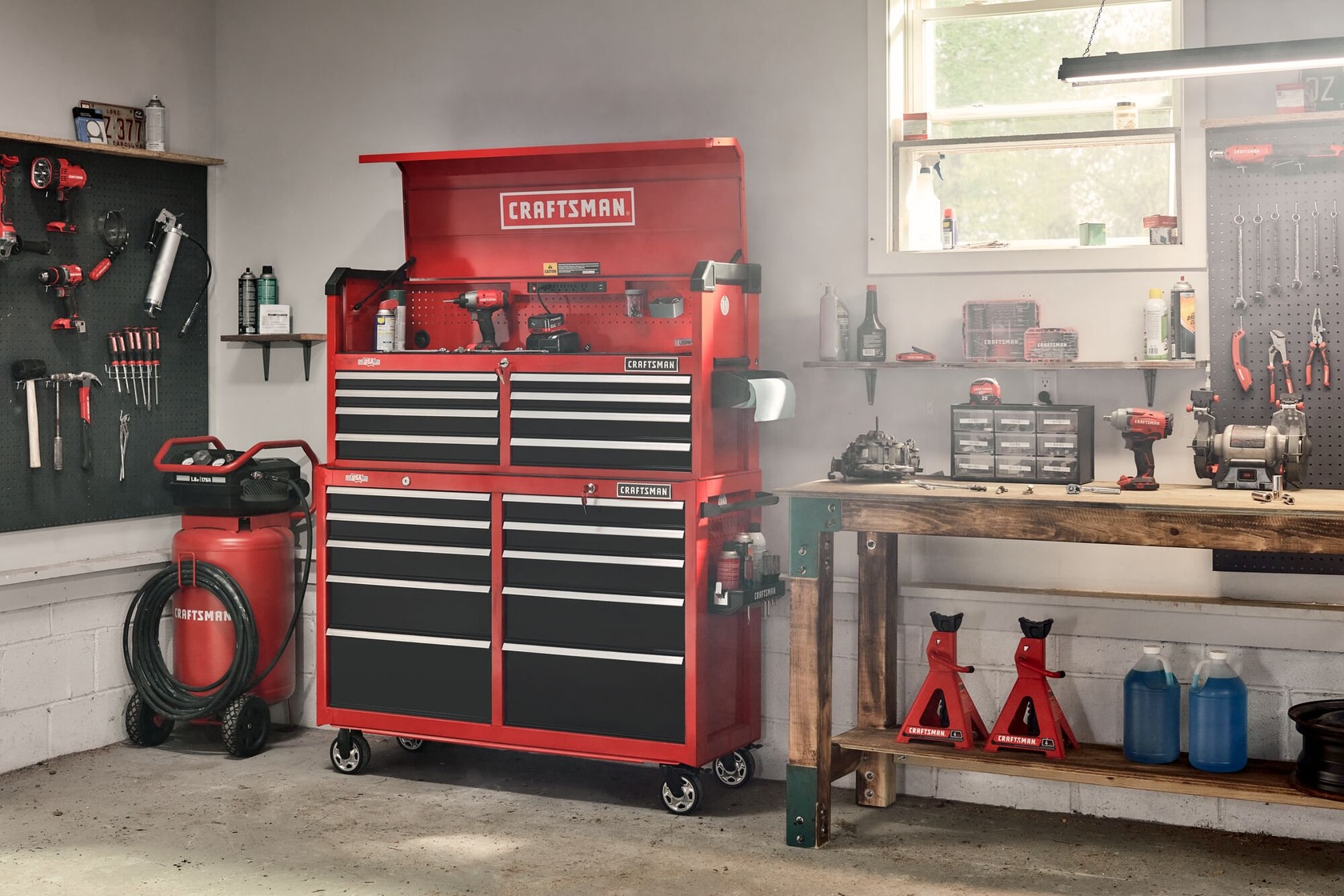
Use the height of your cart to store more tools. Hanging items on the sides and back frees up drawer space.
Vertical Storage Ideas
- Attach magnetic strips for metal tools
- Install hooks for wrenches, pliers, and tape
- Add small baskets for brushes and tape rolls
- Use pegboards on cart sides for flexible storage
Credit: www.craftsman.com

Credit: www.amazon.com
Frequently Asked Questions
What Tools Do I Need To Set Up A Rolling Tool Cart?
You need basic tools like a screwdriver, wrench, and drill. Also, have measuring tape and level handy. These tools help assemble and secure the cart parts properly.
How Do I Organize Tools On A Rolling Cart Efficiently?
Group tools by type and frequency of use. Place heavy items on lower shelves for stability. Use drawer dividers to keep small tools tidy and accessible.
What Materials Are Best For A Durable Rolling Tool Cart?
Steel and heavy-duty plastic are ideal for strength and durability. Steel carts support more weight and last longer. Plastic carts are lightweight and resistant to rust.
How Can I Make My Rolling Tool Cart More Mobile?
Install smooth, lockable caster wheels for easy movement and safety. Ensure wheels swivel for better maneuverability. Regularly clean and lubricate wheels to maintain smooth rolling.
Conclusion
Setting up a rolling tool cart makes your work easier and faster. Organize your tools by size and use for quick access. Choose sturdy materials to keep the cart stable and strong. Add labels to drawers for simple identification. Keep the cart clean and check wheels often.
This simple setup helps you save time and stay focused. Your workspace becomes safer and more efficient. Start today and enjoy a neat, handy tool cart every day.