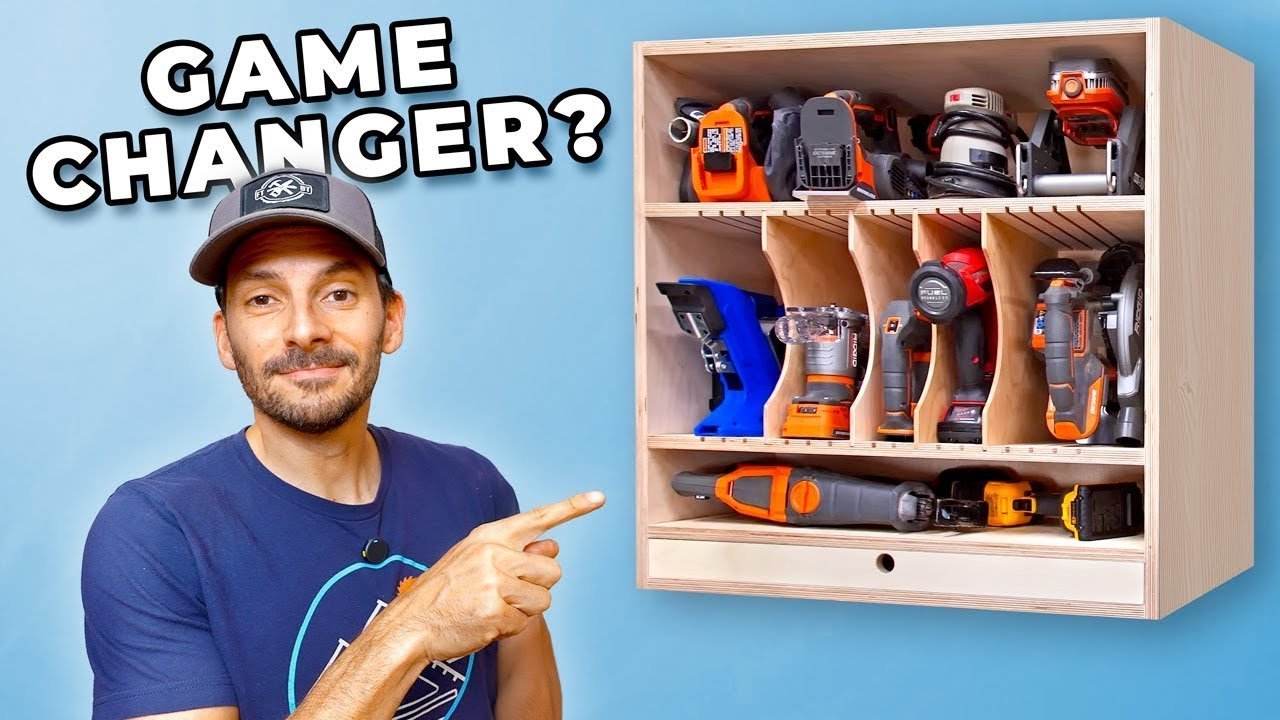
Looking for a way to keep your tools organized and easily accessible? Setting up a wall-mounted tool cabinet could be the perfect solution for your workspace.
Imagine having all your essential tools right at your fingertips, neatly stored without taking up floor space. In this guide, you’ll learn simple, step-by-step instructions to install your own tool cabinet securely and efficiently. By the end, you’ll have a clutter-free area that boosts your productivity and saves you time.
Ready to transform your workspace? Let’s dive in!
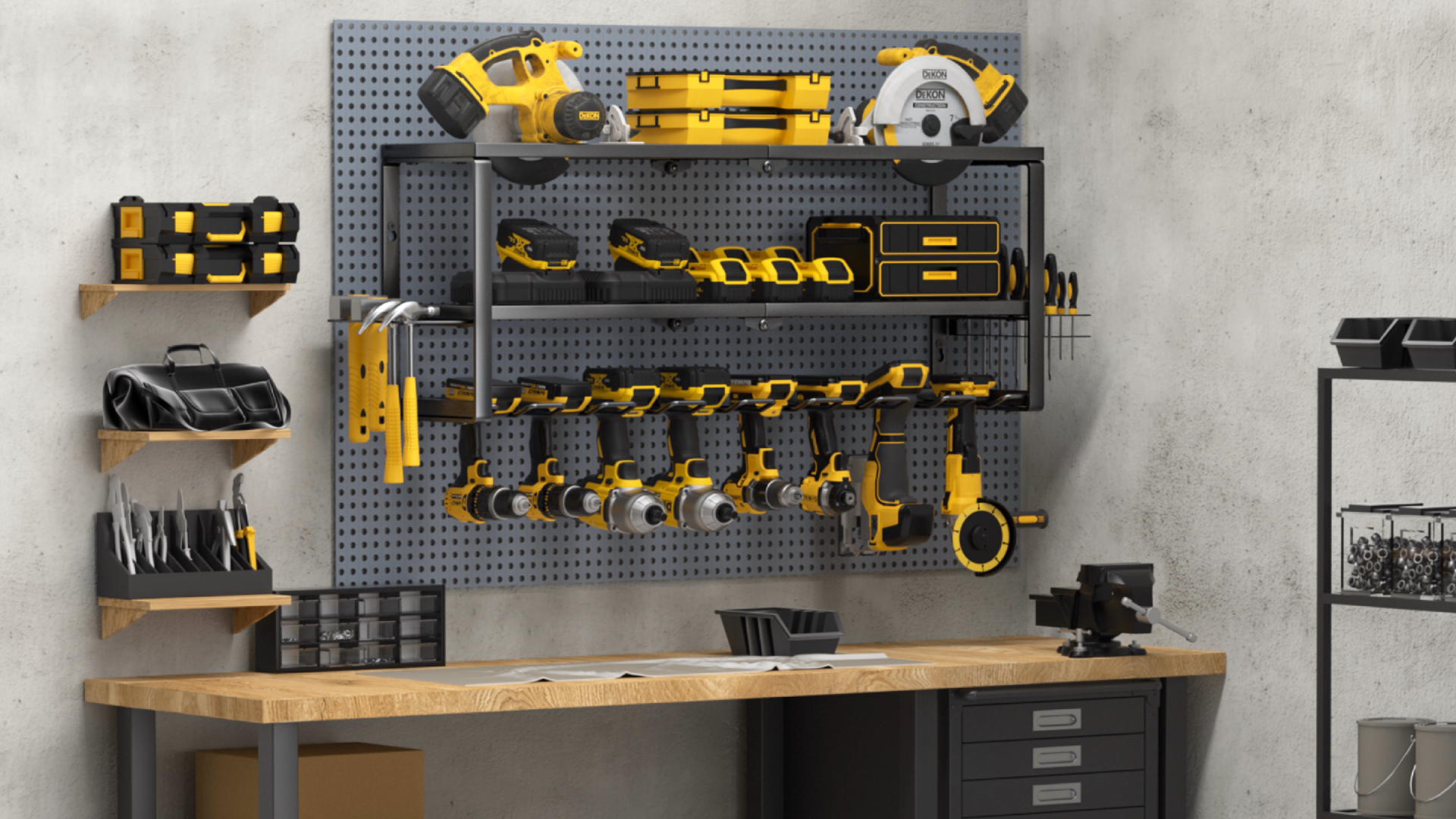
Credit: www.amazon.com
Choosing The Right Cabinet
Selecting the right wall-mounted tool cabinet is key for efficient storage. The cabinet must fit your tools and workspace. Consider the material, size, weight capacity, and style before buying.
Material And Size Options
Cabinets come in metal, wood, or plastic. Metal is strong and lasts long. Wood looks nice but may not hold heavy tools. Plastic is light and resists rust.
- Measure the wall space carefully
- Choose a size that fits your tool collection
- Consider extra space for future tools
Weight Capacity Considerations
Check how much weight the cabinet can hold. The weight limit depends on the material and mounting system. Overloading can cause damage or injury.
| Material | Typical Weight Capacity |
| Steel | 100-200 lbs |
| Wood | 50-150 lbs |
| Plastic | 30-75 lbs |
Style And Design Choices
Choose a style that fits your workspace. Some cabinets have doors or drawers. Others have open shelves. Pick one that keeps tools organized and easy to reach.
- Lockable doors for security
- Magnetic strips for small metal tools
- Adjustable shelves for custom storage
- Color options to match your decor
Selecting The Ideal Location
Choosing the right place for your wall-mounted tool cabinet is important. It makes your tools easy to find and keeps your workspace tidy.
Think about the wall’s strength, how easy it is to reach the cabinet, and if anything might block it.
Assessing Wall Strength
Check if the wall can hold the cabinet’s weight and the tools inside. Drywall alone is not strong enough.
Look for studs or solid surfaces like brick or concrete. Use a stud finder to locate the strongest spots.
- Use a stud finder to find wooden studs
- Consider walls made of brick or concrete
- Avoid weak or hollow wall areas
Accessibility And Convenience
Place the cabinet where you can easily reach your tools. Avoid spots that require stretching or bending too much.
Think about your workflow. The cabinet should be near your workbench or main workspace for quick access.
- Mount at a comfortable height for easy reach
- Keep it close to where you use tools most
- Ensure space in front for opening the cabinet doors
Avoiding Obstructions
Check the wall area for pipes, wires, or vents. These can block the cabinet or cause damage if drilled into.
Also, avoid placing the cabinet where it blocks walkways or doors. The area should stay safe and clear.
- Use a stud finder with wire and pipe detection
- Avoid mounting over heating vents or switches
- Leave enough space for walking and opening doors
Gathering Necessary Tools And Materials
Before installing a wall-mounted tool cabinet, gather all tools and materials. This saves time and makes the process smoother.
Having the right items on hand helps you work safely and efficiently. It also ensures the cabinet is secure and stable.
Essential Tools List
You need some basic tools to install the cabinet properly. These tools will help you measure, drill, and secure the cabinet.
- Measuring tape
- Level
- Power drill with drill bits
- Screwdriver set
- Stud finder
- Hammer
- Pencil or marker
Hardware And Anchors
Choose the right hardware and anchors to hold your tool cabinet safely on the wall. The type depends on your wall material.
Use strong screws and wall anchors to support the cabinet’s weight. This prevents accidents and damage.
- Heavy-duty screws
- Wall anchors (toggle bolts or molly bolts)
- Mounting brackets (if included with cabinet)
- Washers (to distribute pressure)
Safety Gear
Wear safety gear to protect yourself during installation. Safety reduces the risk of injuries while working.
- Safety glasses to protect eyes from dust and debris
- Work gloves to protect hands from sharp edges
- Dust mask if drilling creates dust
- Hearing protection if using loud power tools
Preparing The Wall
Setting up a wall-mounted tool cabinet starts with preparing the wall. A strong and stable wall keeps your cabinet safe and secure. This guide covers important steps to get your wall ready.
Focus on finding the right places to mount, marking them clearly, and making sure the wall surface is clean and smooth. These steps help your cabinet stay fixed for a long time.
Locating Studs
Studs are vertical wooden beams behind your wall. Mounting your tool cabinet on studs gives it solid support. Use a stud finder to locate the studs in your wall.
- Turn on the stud finder and place it flat on the wall.
- Slowly move it horizontally to find edges of studs.
- Mark both edges to find the center of each stud.
- Check for studs near the desired cabinet location.
Marking Mounting Points
Marking mounting points helps you drill in the right spots. Use a pencil and a level tool to ensure the marks are straight and even.
| Tool | Purpose |
| Pencil | Mark stud centers and drill points |
| Level | Ensure marks are horizontally aligned |
| Measuring Tape | Measure cabinet width and height |
| Stud Finder | Locate studs for strong mounting |
Wall Surface Preparation
Clean and smooth walls help cabinet mounting. Remove dust, dirt, and loose paint before installation. Check wall surface for damage or holes.
Follow these tips for surface prep:
- Wipe the wall with a damp cloth to remove dust.
- Use sandpaper to smooth rough spots.
- Fill holes or cracks with wall filler and let dry.
- Make sure the wall is completely dry before mounting.
Mounting The Cabinet
Mounting a wall tool cabinet needs care to keep it safe and steady. You need the right tools and some patience.
This guide covers drilling pilot holes, installing anchors or screws, and securing the cabinet firmly on the wall.
Drilling Pilot Holes
Drilling pilot holes helps prevent the wall or cabinet from cracking. Use a drill bit slightly smaller than the screws you plan to use.
Mark the cabinet’s mounting points on the wall. Check that these points match the cabinet’s mounting holes.
Installing Anchors Or Screws
Choose the right anchors or screws based on your wall type. Drywall, concrete, and wood walls all need different anchors.
- Use toggle or molly bolts for drywall.
- Use expansion anchors for concrete.
- Use wood screws directly into studs.
Insert anchors into the pilot holes before placing screws. This gives the cabinet strong support on the wall.
Securing The Cabinet Firmly
After inserting the screws or anchors, place the cabinet on the wall. Align it with the pilot holes carefully.
| Action | Tip |
|---|---|
| Tighten Screws | Use a screwdriver or drill. Avoid over-tightening. |
| Check Level | Use a spirit level to keep the cabinet straight. |
| Test Stability | Gently shake the cabinet to confirm it is secure. |
Organizing Tools Inside
Keeping your wall-mounted tool cabinet tidy helps you find tools fast. Organize tools to save space and time.
This guide covers easy ways to store tools inside your cabinet. Use hooks, arrange by use, and label items.
Using Hooks And Holders
Hooks and holders keep tools visible and off the cabinet floor. They help use vertical space well.
- Install hooks for hanging wrenches, pliers, and screwdrivers.
- Use holders for drills, tape measures, and hammers.
- Magnetic strips can hold metal tools securely.
- Adjust hook placement for different tool sizes.
Arranging By Frequency Of Use
Place tools you use most often where they are easy to reach. Less-used tools go higher or lower.
| Tool Use | Storage Location |
| Daily Use | Eye-level shelves or front hooks |
| Weekly Use | Middle shelves or inside compartments |
| Rarely Used | Top shelves or back of cabinet |
Labeling For Easy Access
Labels help you find tools quickly. Mark shelves, hooks, and containers with clear names.
| Label Type | Use |
|---|---|
| Printed Labels | For shelves and drawers |
| Color-Coded Stickers | For tool groups like screwdrivers or pliers |
| Chalkboard Tags | For tools you may move often |
Maintenance And Safety Tips
Keeping your wall-mounted tool cabinet in good shape makes your workspace safer. Regular care helps avoid accidents and damage.
Follow these tips to maintain your cabinet and protect yourself while using it.
Regular Inspection
Check your tool cabinet often for any signs of wear or damage. Look at the mounting brackets, screws, and cabinet body.
Fix loose screws or bent parts right away to keep the cabinet safe and sturdy.
- Inspect mounting brackets monthly
- Tighten loose screws or bolts
- Look for cracks or rust on metal parts
- Replace damaged components immediately
Weight Limits And Load Distribution
Do not overload your cabinet. Follow the weight limit set by the manufacturer to prevent accidents.
Spread tools evenly inside the cabinet. This keeps the load balanced and protects the wall and cabinet.
- Check the maximum weight your cabinet can hold
- Keep heavier tools at the bottom
- Distribute weight evenly across shelves
- Avoid placing too many heavy items on one side
Keeping The Area Clean
Clear dust and debris from the cabinet and surrounding area. A clean space prevents slips and tool damage.
Organize tools inside the cabinet. It helps you find items fast and reduces the risk of accidents.
- Wipe down the cabinet weekly
- Keep the floor area free of clutter
- Store tools in their proper places
- Remove any spills or dust near the cabinet

Credit: www.amazon.com

Credit: www.amazon.com
Frequently Asked Questions
How Do I Choose The Right Wall For Mounting A Tool Cabinet?
Select a sturdy wall made of solid wood or concrete. Avoid drywall alone, as it may not support heavy tools. Use a stud finder to locate wall studs for secure mounting. Proper wall choice ensures safety and stability for your tool cabinet.
What Tools Are Needed To Install A Wall-mounted Tool Cabinet?
You’ll need a drill, screwdriver, level, stud finder, measuring tape, and mounting hardware. These tools help ensure precise placement and secure installation. Having the right tools makes the setup process easier and safer.
How High Should I Mount A Wall Tool Cabinet?
Mount the cabinet at eye level or slightly higher for easy access. Typically, 4 to 5 feet from the floor works well. This height helps prevent strain while reaching tools and optimizes workspace efficiency.
Can I Mount A Tool Cabinet On Drywall Alone?
No, drywall alone cannot support the weight of a tool cabinet. Always mount into wall studs or use heavy-duty anchors designed for drywall. Proper anchoring prevents accidents and damage.
Conclusion
Setting up a wall-mounted tool cabinet is simple and rewarding. It keeps your space tidy and tools within reach. Follow each step carefully for best results. Measure twice to ensure everything fits well. Secure the cabinet strongly for safety. Organize tools inside for easy access.
Enjoy a clutter-free workspace. Maintenance is key to long-term use. Check regularly for loose parts or damage. With these tips, your cabinet will serve you well. A neat, organized area boosts productivity. Now, you’re ready to tackle any project with ease.