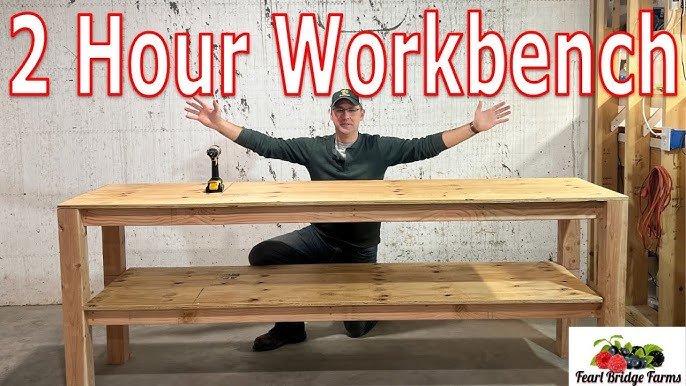
Are you ready to take your woodworking skills to the next level? Setting up the perfect woodworking bench is the first step to creating a workspace that boosts your creativity and efficiency.
Imagine having a sturdy, organized bench right where you need it—making every cut, carve, and project easier and more enjoyable. In this guide, you’ll discover simple, practical steps to build a woodworking bench tailored to your needs. Keep reading, and you’ll soon have a workspace that feels like it was made just for you.

Credit: www.familyhandyman.com
Choosing The Right Location
Setting up a woodworking bench starts with picking the right spot. This choice affects your comfort and work quality.
Think about space, light, air, and how you move around when you build your bench area.
Space Requirements
You need enough room for the bench and tools. Also, leave space to move safely around the bench.
- Bench size plus 3 feet clear on all sides
- Room for tool storage nearby
- Space to handle large wood pieces
- Clear floor without clutter
Lighting And Ventilation
Good light helps you see details clearly and prevents mistakes. Fresh air keeps dust and fumes low.
| Lighting Type | Benefits |
| Natural Light | Reduces eye strain and saves energy |
| Overhead LED | Bright and long-lasting |
| Task Lighting | Focuses light on work areas |
| Windows or Fans | Help remove dust and odors |
Accessibility And Workflow
Arrange your bench so tools and materials are easy to reach. Plan a smooth flow from one task to another.
Consider these points for good workflow:
- Keep frequently used tools within arm’s reach.
- Place wood storage close to the bench.
- Allow clear paths for moving large pieces.
- Set up waste bins near your work area.
Selecting Materials And Tools
Building a woodworking bench starts with picking the right materials and tools. These choices affect how strong and useful your bench will be.
Understanding the types of wood and the tools needed helps you create a solid and safe workspace for your projects.
Types Of Wood For The Bench
Choosing the right wood is key for a sturdy bench. Hardwoods last longer and resist dents better than softwoods.
- Maple: Very strong and smooth, good for heavy use.
- Oak: Hard and durable, great for a long-lasting bench.
- Beech: Fine grain and tough, easy to work with.
- Pine: Softer and cheaper, but less durable.
- Birch: Hard and light-colored, looks nice and lasts well.
Essential Tools Needed
Having the right tools makes building your bench easier and safer. You will need a mix of cutting, measuring, and assembly tools.
| Tool | Purpose |
|---|---|
| Handsaw or Circular Saw | Cut wood to size |
| Drill | Make holes and drive screws |
| Clamps | Hold pieces steady while working |
| Measuring Tape | Measure wood and spaces accurately |
| Screwdriver | Tighten screws and fasteners |
| Square | Check and mark right angles |
Additional Accessories
Extra items help keep your bench organized and improve your work quality. These accessories add convenience and safety.
- Bench Vise: Holds wood firmly while you work on it.
- Tool Rack: Keeps your tools within reach and tidy.
- Workbench Mat: Protects the bench surface and reduces slipping.
- Wood Glue: Helps join wood pieces securely.
- Sandpaper: Smooths rough edges and surfaces.
Designing Your Workbench
Setting up a woodworking bench starts with a smart design. This helps you work safely and comfortably.
Focus on size, storage, and tools like vises to make your bench useful and strong.
Workbench Size And Height
Pick a workbench size that fits your space and projects. The height should match your body to avoid back pain.
- Measure the room where you will put the bench.
- Choose a bench length that fits your usual projects.
- Set the height near your waist level for standing work.
- Consider a lower height if you work sitting down.
Storage Options
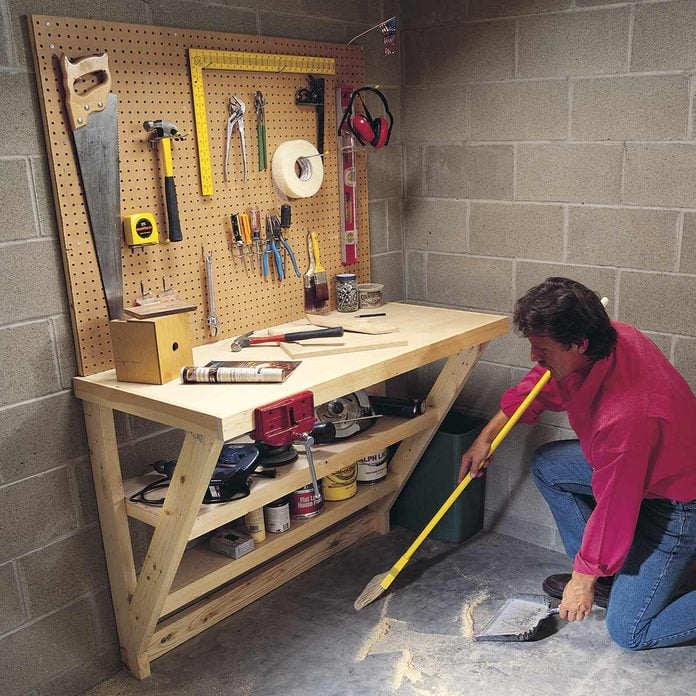
Good storage keeps tools close and your bench clean. Think about shelves, drawers, or pegboards.
| Storage Type | Best For | Easy Access |
| Drawers | Small tools and supplies | Medium |
| Shelves | Large tools and wood | Low |
| Pegboards | Frequently used tools | High |
| Bins | Hardware like nails and screws | Medium |
Incorporating Vises And Clamps
Vises and clamps hold wood firmly. Place them where you can reach easily during work.
- Install a front vise on the left or right side for edge work.
- Add an end vise for clamping long boards.
- Keep quick-release clamps nearby for fast adjustments.
- Check that vises have strong mounts and smooth operation.
Credit: www.familyhandyman.com
Step-by-step Assembly
Setting up a woodworking bench takes careful planning and work. This guide shows you each step clearly.
Follow these steps to build a sturdy bench that fits your workspace and needs.
Preparing The Wood
Start by choosing quality wood that is strong and flat. Cut the pieces to the right size for your bench.
Sand all wood surfaces to remove rough spots and splinters. This helps the wood fit well and last longer.
- Select hardwood like oak or maple for durability
- Cut legs, supports, and top to planned dimensions
- Sand edges and surfaces smooth for safety
Constructing The Frame
Build the base frame by joining the legs and supports. Use screws or bolts to hold the parts firmly.
Check that the frame is square and stable before moving to the next step.
- Attach legs to side supports using wood screws
- Add cross supports for extra strength
- Use a carpenter’s square to ensure corners are 90 degrees
- Tighten all fasteners securely
Attaching The Work Surface
Place the work surface on top of the frame. Make sure it is centered and level.
Fasten the top to the frame using screws or bolts. Pre-drill holes to avoid splitting the wood.
- Align the work surface carefully on the frame
- Drill pilot holes through the top into the supports
- Use long screws to secure the work surface firmly
- Check that the surface is flat and stable
Installing Vises And Hardware
Attach vises at the front and side of your bench if desired. These help hold wood pieces steady.
Secure any other hardware like bench dogs or clamps. Make sure all parts move smoothly and are tight.
- Mount the front vise at bench height for comfort
- Install the side vise on the leg or frame
- Attach bench dogs in holes on the work surface
- Test all hardware for proper function and strength
Finishing Touches
Setting up a woodworking bench is not complete without some final steps. These finishing touches protect your workbench and make it easier to use. They also let you adjust the bench to fit your personal style and work habits.
In this section, you will learn about sanding and sealing the surface, adding protective features, and customizing the bench to suit your needs.
Sanding And Sealing
Sanding smooths the wood and removes rough spots that can cause splinters. Sealing protects the wood from moisture and stains. Both steps help your bench last longer and look better.
- Start with coarse sandpaper and move to finer grits.
- Sand all surfaces evenly, including edges and corners.
- Apply a wood sealer or finish using a brush or cloth.
- Let the sealer dry fully before using the bench.
Adding Protective Features
Protective features help keep your bench safe from damage and make it easier to work on projects. Adding these elements can also improve comfort and safety.
| Feature | Purpose | Materials Needed |
| Workbench Vise | Hold wood firmly in place | Metal vise, mounting bolts |
| Rubber Feet | Prevent slipping and protect floor | Rubber pads or caps |
| Edge Banding | Protect edges from damage | Wood or plastic banding strips |
Customizing For Personal Needs
Adjust your bench to fit your work style. You can add shelves, hooks, or tool holders. These help keep your tools close and your workspace tidy.
- Install a pegboard for hanging tools.
- Add drawers for storing small parts.
- Attach a power strip for easy tool access.
- Use adjustable legs for different working heights.
Maintenance Tips
Keeping your woodworking bench in good shape makes your work easier. Regular care helps the bench last longer.
Here are key tips to maintain your woodworking bench well over time.
Regular Cleaning
Clean your bench after every use. Dust and wood scraps can build up and cause damage.
- Use a brush to remove sawdust and debris.
- Wipe the surface with a damp cloth to clear sticky spots.
- Apply a wood-safe cleaner if needed, then dry the bench well.
- Keep the area around the bench tidy to avoid clutter.
Repairing Wear And Tear
Look for cracks, dents, or loose parts on your bench regularly. Fix small issues before they get worse.
| Issue | Fix |
| Loose screws or bolts | Tighten with the right tool |
| Small cracks in wood | Fill with wood filler and sand smooth |
| Worn surface | Sand down and apply fresh finish |
| Rust on metal parts | Remove rust and apply oil or paint |
Ensuring Stability Over Time
Check your bench’s stability before each project. A shaky bench can be unsafe and cause poor results.
- Make sure all legs sit flat on the floor.
- Use shims under legs if the floor is uneven.
- Retighten any loose joints regularly.
- Consider adding braces if the bench wobbles.

Credit: www.reddit.com
Frequently Asked Questions
What Materials Are Best For A Woodworking Bench?
Hardwood like maple or oak is ideal for a woodworking bench. These woods are durable and resist dents. Plywood can be used for the top but ensure it is thick and sturdy. Avoid softwoods as they dent easily.
How High Should A Woodworking Bench Be?
A woodworking bench should be 34 to 36 inches tall. This height suits most people and reduces back strain. Adjust the height based on your comfort and the type of work you do.
What Tools Are Essential For Setting Up A Bench?
Essential tools include clamps, vises, and measuring tools. A sturdy hammer and screwdrivers are also necessary. These tools help secure workpieces and ensure precision while working.
How To Maintain A Woodworking Bench For Longevity?
Keep the bench clean and free of dust after each use. Apply a coat of wax or oil to protect the surface. Tighten screws and check for damage regularly to maintain stability.
Conclusion
Setting up a woodworking bench is simple with the right steps. Start with a sturdy base. Add a flat, smooth surface for easy work. Secure the bench in a well-lit area. Keep essential tools within reach. Regularly check for any loose parts.
Maintain cleanliness for safety. Happy woodworking!