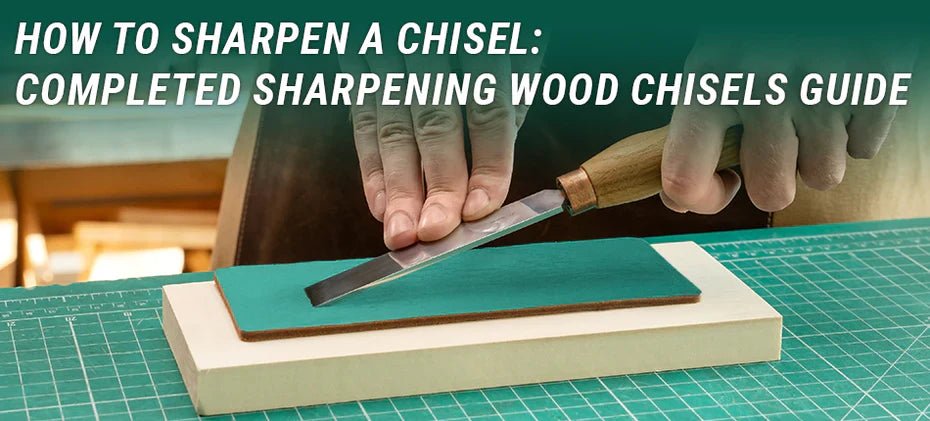
Are your chisels not cutting as cleanly as you want? A dull chisel can turn a simple woodworking task into a frustrating struggle.
But sharpening your chisels correctly can change everything. Imagine making smooth, precise cuts with ease, saving time and improving your work’s quality. In this guide, you’ll discover easy, step-by-step methods to sharpen your chisels like a pro. By the end, you’ll have the confidence and skills to keep your tools in top shape and achieve perfect cuts every time.
Ready to transform your woodworking experience? Let’s get started.
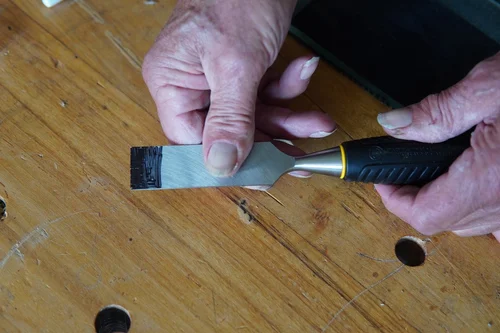
Credit: www.anneofalltrades.com
Choosing The Right Chisel
Sharpening a chisel starts with picking the right one. The right chisel helps you cut wood smoothly and accurately.
Different chisels serve different purposes. Knowing which chisel to use makes your work easier and cleaner.
Types Of Chisels
There are many types of chisels for woodworking. Each type fits certain jobs and shapes of wood.
- Bench chisels: Used for general woodworking and fitting joints.
- Mortise chisels: Made to cut deep square holes called mortises.
- Paring chisels: Thin and long for delicate trimming and shaving.
- Corner chisels: Designed to clean inside corners and sharp edges.
Choosing the right type helps you get precise cuts without damaging your wood.
Materials And Quality
Chisels come in different materials. The material affects how sharp and durable the chisel is.
High-quality steel holds a sharp edge longer. Soft metals dull quickly and need frequent sharpening.
- High carbon steel: Easy to sharpen, holds edge well.
- Chrome-vanadium steel: Resists rust, stays sharp longer.
- Tool steel: Strong and durable but can be harder to sharpen.
- Stainless steel: Resists rust but may lose sharpness faster.
Look for chisels with a comfortable handle and solid blade fit. This helps you control the tool better.
Tools Needed For Sharpening
Sharpening chisels needs the right tools for good results. Using proper tools helps you cut cleanly and safely.
Here are the main tools you need to sharpen chisels well and make precise cuts.
Sharpening Stones
Sharpening stones are the main tool to sharpen chisels. They come in different grits to remove metal and polish edges.
Start with a coarse stone to fix dull edges. Then use finer stones to smooth and sharpen the chisel.
- Coarse stones remove chips and shape the edge
- Medium stones refine the edge shape
- Fine stones polish the edge for sharpness
- Water stones or oil stones need lubrication
Honing Guides And Jigs
Honing guides and jigs hold the chisel at the correct angle. They help keep the edge straight and even.
Using guides makes sharpening easier and more consistent. They save time and improve the sharpness of your cuts.
- Simple honing guides clamp the chisel firmly
- Angle guides keep a steady sharpening angle
- Jigs can hold chisels flat or at bevel angles
- Some guides are adjustable for different chisels
Lubricants And Accessories
Lubricants reduce friction between the stone and chisel. They help sharpen faster and prevent damage.
Accessories like strops and cleaning cloths keep your tools ready for use. They polish and clean the edge after sharpening.
- Water or oil is used depending on the stone type
- Leather strops polish edges after sharpening
- Cloths clean stones and chisels during use
- Flat lapping plates keep stones even and flat
Preparing Your Chisel
Sharpening chisels starts with good preparation. This step helps you get clean and precise cuts.
Before sharpening, you need to clean and check the chisel. Then, set the right bevel angle for best results.
Cleaning And Inspecting
Remove dirt and rust from the chisel blade. Look for chips, cracks, or damage on the edge.
- Wipe the blade with a clean cloth
- Use fine steel wool to remove rust
- Check the blade edge for chips or bends
- Inspect the handle for cracks or looseness
Setting The Bevel Angle
The bevel angle controls how sharp and strong the chisel edge will be. Set it correctly for your work.
| Type of Work | Bevel Angle |
|---|---|
| Fine woodworking | 25° to 30° |
| General purpose | 30° to 35° |
| Heavy-duty chopping | 35° to 40° |

Credit: woodworkersinstitute.com
Sharpening Techniques
Sharpening chisels helps you make clean and accurate cuts. Using the right technique keeps the blade sharp and safe.
There are different stones to sharpen chisels. Each stone works best with certain methods and materials.
Using Water Stones
Water stones are popular for sharpening chisels. They need water to keep the surface wet and carry away metal bits.
Start with a coarse stone to remove nicks. Then use a fine stone to polish the edge. Keep the stone wet during sharpening.
- Soak the water stone for 10-15 minutes before use
- Hold the chisel at a consistent angle, usually 25 degrees
- Move the blade back and forth across the stone evenly
- Use light pressure to avoid damaging the edge
- Rinse the stone and chisel often to clear debris
Using Oil Stones
Oil stones use oil to lubricate the surface. The oil helps carry away metal filings and prevents clogging.
Oil stones are harder and last longer than water stones. They sharpen slowly but give a smooth edge.
- Apply a thin layer of honing oil on the stone before sharpening
- Keep the chisel angle steady, around 25 degrees
- Use smooth, even strokes along the stone
- Clean the stone and chisel after sharpening
- Store the oil stone in a dry place
Using Diamond Stones
Diamond stones have a metal plate with diamond grit. They sharpen quickly and stay flat over time.
Diamond stones need no water or oil. Use light pressure and keep the chisel angle consistent.
- Wipe the stone clean before and after use
- Hold the chisel at about 25 degrees
- Move the blade evenly across the stone surface
- Use gentle pressure to avoid scratches
- Store the diamond stone in a protective case
Honing For A Razor Edge
Honing chisels creates a sharp edge for precise cuts. It is the final step after sharpening.
This process smooths the edge and removes tiny burrs. A razor edge helps woodworkers work accurately.
Stropping Methods
Stropping polishes the chisel edge and improves sharpness. Use a leather strop with polishing compound.
Pull the chisel backwards on the strop. Keep the blade flat and use light pressure to avoid damage.
- Apply a fine abrasive paste on the leather strop
- Draw the chisel edge backward, away from the cutting edge
- Repeat 10 to 20 times on each side
- Check the edge often for smoothness
Testing Sharpness
Test the chisel edge to ensure it cuts cleanly. Use simple tests to check sharpness.
Try slicing a thin piece of paper or shaving a small wood curl. A sharp edge cuts smoothly without tearing.
- Slice a piece of paper cleanly without snagging
- Shave a thin curl from soft wood easily
- Lightly feel the edge for burrs or roughness
- A razor edge feels smooth and sharp to touch
Maintaining Sharpness
Keeping chisels sharp is key for clean and precise cuts. Dull blades make work harder and less accurate.
Regular care and proper storage help maintain edge sharpness for longer use.
Regular Care Tips
Sharpen chisels often using a whetstone or sharpening system. Clean the blade after each use to remove debris and moisture.
- Wipe the blade with a soft cloth after use.
- Apply a light coat of oil to prevent rust.
- Use honing stones to maintain the edge daily.
- Inspect the blade for chips or damage regularly.
- Sharpen fully when the blade becomes dull or damaged.
Storage Recommendations
Proper storage protects chisels from damage and moisture. Avoid tossing them loosely in a toolbox.
| Storage Method | Benefit |
|---|---|
| Wooden Tool Chest | Keeps chisels dry and safe from impacts. |
| Blade Guards or Caps | Protects edges from dulling or chips. |
| Magnetic Strips | Easy access and prevents blade contact. |
| Soft Roll-up Cases | Organizes tools and protects blades during transport. |
Common Mistakes To Avoid
Sharpening chisels properly is key for clean and accurate cuts. Many beginners make simple mistakes that reduce their tool’s effectiveness.
Knowing what to avoid helps keep your chisels sharp and safe to use. Focus on the right angles, sharpening amount, and safety steps.
Incorrect Angles
Using the wrong angle while sharpening can ruin the chisel edge. Too steep or too flat angles weaken the blade and cause poor cuts.
- Keep the bevel angle consistent, usually around 25 to 30 degrees.
- Use angle guides if you are unsure.
- Avoid changing the angle during sharpening as it creates an uneven edge.
- Check the original bevel angle on your chisel before starting.
Over-sharpening
Sharpening too much removes excess metal and shortens the chisel life. It can also cause overheating, which damages the steel.
| Problem | Result |
| Removing too much metal | Chisel edge wears out quickly |
| Sharpening too often | Shorter tool lifespan |
| Applying too much pressure | Overheating and losing hardness |
| Skipping fine grit finishing | Dull or rough edge |
Neglecting Safety
Ignoring safety rules can cause serious injuries during sharpening. Always protect yourself and work carefully.
- Wear safety glasses to protect your eyes from metal particles.
- Use gloves to avoid cuts from sharp edges.
- Keep your workspace clean and well-lit.
- Secure the chisel firmly before sharpening to prevent slips.
- Do not rush; work slowly and steadily.

Credit: woodworkersinstitute.com
Frequently Asked Questions
How Often Should Chisels Be Sharpened For Best Results?
Chisels should be sharpened whenever they become dull or struggle to cut smoothly. Regular sharpening ensures clean, precise cuts. For frequent users, sharpening after every few hours of work is ideal. Proper maintenance extends the tool’s life and improves your woodworking accuracy.
What Tools Are Needed To Sharpen Chisels Effectively?
To sharpen chisels, you need sharpening stones, honing guides, and lubricant like water or oil. Coarse and fine grit stones help achieve a sharp edge. A honing guide keeps the bevel angle consistent. These tools ensure precise and efficient sharpening.
Can I Sharpen Chisels Without Professional Equipment?
Yes, you can sharpen chisels using basic items like sandpaper and a flat surface. However, this method takes more time and skill. Using sharpening stones and a honing guide is recommended for consistent and sharp edges. Proper technique matters most.
What Is The Ideal Bevel Angle For Sharpening Chisels?
The ideal bevel angle for chisels is typically between 25 and 30 degrees. This angle balances sharpness and durability. Lower angles give sharper edges but dull faster. Adjust the angle based on your specific woodworking needs for best results.
Conclusion
Sharpening chisels ensures precise cuts every time. Consistent care keeps tools effective. Regular practice makes the process smoother. Always use quality sharpening stones. They provide better results. Remember, safety is key. Wear protective gear when sharpening. Store chisels properly after use.
This prevents damage. Keeping chisels sharp saves time and effort. It’s worth the effort. Try these techniques today. Your woodworking projects will benefit greatly. Enjoy the satisfaction of cleaner cuts. Happy woodworking!