Are your drill bits starting to feel dull and slow? Sharpening them yourself can save you time, money, and frustration.
Imagine cutting through wood or metal smoothly, without the struggle of a blunt bit. In this guide, you’ll discover simple, step-by-step methods to bring your drill bits back to life. Whether you’re a beginner or have some experience, these easy tips will help you sharpen your tools quickly and effectively.
Keep reading, and you’ll never have to toss out a dull drill bit again.
Tools Needed
Sharpening drill bits requires specific tools to get the best results. Using the right tools makes the process easier and safer.
Below are the main types of sharpening tools and safety equipment you will need.
Types Of Sharpening Tools
There are several tools you can use to sharpen drill bits. Each tool offers different levels of precision and ease of use.
- Bench Grinder:A common tool with two grinding wheels for fast sharpening.
- Drill Bit Sharpener:A specialized machine made just for drill bits.
- Diamond File:A small, hand-held file with diamond grit for fine sharpening.
- Sharpening Stone:A flat stone that can be used manually to sharpen edges.
Safety Equipment
Safety is important when sharpening drill bits. Proper equipment protects you from sparks and dust.
| Safety Gear | Purpose |
| Safety Glasses | Protect eyes from flying sparks and debris |
| Gloves | Protect hands from sharp edges and heat |
| Dust Mask | Prevent inhaling metal dust and particles |
| Hearing Protection | Reduce noise from grinding machines |

Credit: www.youtube.com
Preparing The Drill Bits
Before sharpening drill bits, you must prepare them properly. Preparation helps ensure safety and better results. It also lets you spot any problems with the bits.
This section covers cleaning and inspection, plus how to identify wear and damage. Follow these steps to get your drill bits ready for sharpening.
Cleaning And Inspection
Clean the drill bits to remove dirt, grease, and metal shavings. Use a wire brush or cloth and some oil or cleaning solvent. This makes it easier to see the bit’s condition.
- Wipe the bit with a rag to remove loose debris.
- Use a wire brush for stuck dirt or rust spots.
- Soak the bit briefly in a cleaning solvent if very dirty.
- Dry the bit completely after cleaning.
After cleaning, inspect the drill bit closely. Look at the cutting edges, tip, and body for any damage or wear.
Identifying Wear And Damage
Check the drill bit for signs of wear or damage. Worn or broken bits will not sharpen well and may need replacement.
| Type of Wear or Damage | Description | Effect on Drilling |
|---|---|---|
| Dull Edges | Cutting edges look rounded or blunt | Bit cuts poorly and overheats |
| Chipped Tip | Small pieces missing from the tip | Drill wanders and does not drill straight |
| Uneven Edges | One cutting edge longer than the other | Bit vibrates and drills uneven holes |
| Rust or Corrosion | Surface rust on the bit body or edges | Weakens bit and affects sharpness |
Sharpening Techniques
Keeping your drill bits sharp improves drilling accuracy and speed. Dull bits cause damage and slow work.
Different tools and methods help you sharpen drill bits easily at home or in the workshop.
Using A Bench Grinder
A bench grinder quickly restores the sharp edge on drill bits. Use it carefully to avoid overheating the metal.
- Secure the drill bit firmly in your hand or a clamp.
- Turn on the bench grinder and let it reach full speed.
- Gently touch the cutting edge of the bit to the grinding wheel.
- Move the bit evenly to sharpen both cutting edges.
- Dip the bit in water often to cool it down.
- Check the angle and sharpness as you work.
Using A Drill Bit Sharpener
Drill bit sharpeners are machines made to sharpen bits with correct angles. They are simple to use and give good results.
| Feature | Benefit |
| Adjustable angles | Fits different drill bit types and sizes |
| Built-in guides | Ensures consistent sharpening angle |
| Compact design | Easy to store and use at home |
| Quick sharpening | Saves time compared to manual methods |
Manual Sharpening With A File
You can sharpen drill bits by hand using a fine metal file. This method works well for small bits or when power tools are not available.
- Secure the drill bit in a vise or clamp.
- Hold the file at the correct angle to the cutting edge.
- Stroke the file along the edge evenly and smoothly.
- Repeat on the other side to keep the edges balanced.
- Check the sharpness by feeling the edge or testing on wood.

Credit: www.youtube.com
Maintaining Proper Angles
Sharpening drill bits correctly helps them work better and last longer. Keeping the right angle is key to a sharp drill bit.
If the angle is wrong, the drill bit can overheat or break. It also may not cut smoothly or make clean holes.
Standard Drill Bit Angles
Most drill bits have a standard angle of 118 degrees. This angle works well for general purpose drilling in wood, plastic, and metal.
The 118-degree angle allows the drill bit to cut efficiently and stay sharp longer. Keeping this angle when sharpening is important.
- The 118-degree angle is the point angle at the tip of the drill bit.
- It helps with chip removal while drilling.
- Maintaining this angle prevents the bit from digging too deep.
- Use a sharpening tool or bench grinder to keep this angle.
Adjusting For Different Materials
Different materials need different drill bit angles. Softer materials use a sharper angle. Hard materials need a wider angle.
Adjusting the angle helps the drill bit cut better and last longer for each material type.
| Material | Recommended Angle | Reason |
|---|---|---|
| Wood | 118 degrees | Works well for clean cuts and fast drilling |
| Soft Metals (Aluminum) | 118 degrees | Prevents clogging and heats less |
| Hard Metals (Steel) | 135 degrees | Stronger tip for tough drilling |
| Plastic | 90-100 degrees | Reduces cracking and melting |
Testing Sharpness
Checking if a drill bit is sharp is important for good drilling results. You can test sharpness by looking closely or by doing a simple drill test.
Both ways help you know if the drill bit needs sharpening before you start your work.
Visual Inspection
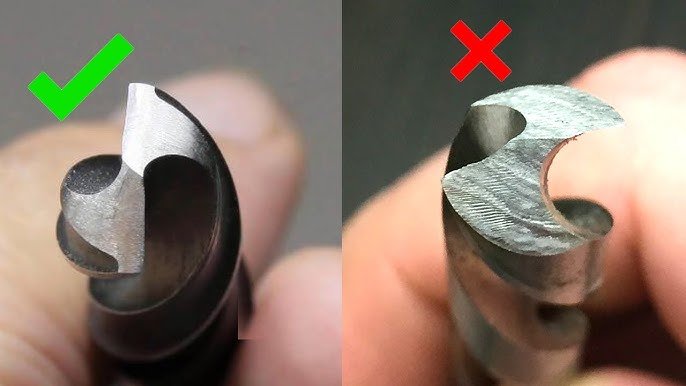
Look at the drill bit under good light. Check the edges for chips, dents, or rounded tips. Sharp bits have clean, even edges.
- Check for shiny or worn spots that show dullness
- Look for cracks or chips on the cutting edges
- Ensure the tip is symmetrical and not bent
- Compare the bit to a new one if possible
Practical Drilling Test
Try drilling into a piece of wood or soft metal. A sharp bit cuts cleanly and quickly with little pressure.
| Result | Meaning | Action |
| Easy drilling, clean holes | Bit is sharp | No sharpening needed |
| Slow drilling, rough edges | Bit is dull | Sharpen the bit |
| Bit skips or slips | Tip is damaged | Repair or replace bit |
Tips For Longevity
Keeping your drill bits sharp saves time and money. Proper care helps them last longer and work better.
Follow simple habits for storage and maintenance. These steps protect your tools from damage.
Proper Storage
Store drill bits in a dry place to prevent rust. Avoid tossing them loosely in a toolbox.
- Use a drill bit case or organizer with slots
- Keep bits separated by size to avoid dulling
- Wipe bits clean before storing to remove debris
- Apply a light coat of oil to prevent corrosion
Regular Maintenance
Check your drill bits often for dull edges or damage. Sharpen bits when they lose cutting power.
| Maintenance Task | Frequency | Notes |
| Cleaning | After each use | Remove dust and debris |
| Sharpening | When dull | Use a sharpening tool or grinder |
| Oiling | Monthly | Apply to prevent rust |
| Inspection | Before each use | Look for cracks or chips |

Credit: www.youtube.com
Frequently Asked Questions
How Can I Tell If A Drill Bit Is Dull?
A dull drill bit often struggles to penetrate materials. It can produce excessive heat and leave rough holes. Check for a rounded cutting edge. Regularly inspect bits for wear and tear. Ensuring your bits are sharp improves efficiency and extends their lifespan.
What Tools Are Needed To Sharpen Drill Bits?
To sharpen drill bits, you’ll need a bench grinder or a dedicated drill bit sharpener. A sharpening jig can also help maintain the correct angle. Always wear safety goggles and gloves. These tools ensure precision and safety during the sharpening process.
How Often Should I Sharpen My Drill Bits?
The frequency of sharpening depends on usage and material. Regular users should inspect bits monthly. Occasional users can check quarterly. Always sharpen at the first sign of dullness. Maintaining sharp bits ensures cleaner cuts and prolongs tool life.
Can I Sharpen Drill Bits By Hand?
Yes, you can sharpen drill bits by hand using a file or sharpening stone. However, it requires skill and patience. Hand sharpening is less precise than using a machine. Always maintain the correct angle for optimal performance.
Conclusion
Sharpening drill bits helps them work better and last longer. It saves money by avoiding frequent replacements. The process is simple with the right tools and care. Keep your bits sharp for clean, precise drilling every time. Practice a little, and you will see great results.
Regular sharpening also keeps your drills safe and efficient. Try these steps to maintain your drill bits easily. Your projects will benefit from sharper, stronger tools. Drill smarter, not harder.