Imagine the satisfaction of effortlessly drilling through wood with sharp, precise cuts every time. It’s a feeling every woodworking enthusiast craves.
But here’s the catch – achieving that flawless result hinges on the sharpness of your drill bits. Dull bits not only slow you down but can also ruin your masterpiece in the making. So, why not take control? Learning how to sharpen your drill bits for woodworking is simpler than you think and can transform your projects from frustrating to fantastic.
In this guide, you’ll discover straightforward techniques to keep your drill bits in top condition, saving you time, energy, and money. Ready to elevate your woodworking skills? Let’s dive in and get those bits sharper than ever!
Choosing The Right Drill Bits
Choosing the right drill bit helps you work faster and cleaner. It also protects your tools and wood.
Wood drill bits come in many shapes and sizes. Knowing their uses helps you pick the best one for your project.
Types Of Wood Drill Bits
Wood drill bits vary by design and purpose. Here are common types you will find:
- Spade Bits:Flat with a sharp point. Good for quick, large holes.
- Forstner Bits:Create clean, flat-bottomed holes. Used in cabinetry.
- Auger Bits:Have a screw tip to pull the bit through wood easily.
- Brad Point Bits:Sharp points prevent slipping. Good for precise holes.
- Twist Bits:Most common and versatile. Used for many wood types.
When To Sharpen Vs Replace
Knowing when to sharpen or replace drill bits saves money and improves work quality.
| Condition | Action |
| Bit is dull but not damaged | Sharpen the bit |
| Bit has chips or cracks | Replace the bit |
| Bit is bent or warped | Replace the bit |
| Bit has lost shape | Sharpen carefully or replace |
Tools Needed For Sharpening
Sharpening drill bits for woodworking needs the right tools. Using proper tools keeps your bits sharp and safe.
Different tools work best for different sharpening methods. Choose tools based on your skill and equipment.
Bench Grinder Basics
A bench grinder is a common tool for sharpening drill bits. It has a spinning wheel that grinds metal edges.
To use it, hold the drill bit at the right angle against the wheel. This removes dull metal and sharpens the edge.
- Use a grinder with a fine grinding wheel
- Wear safety glasses and gloves
- Keep the drill bit cool by dipping in water
- Hold the bit steady and use light pressure
Using A Sharpening Jig
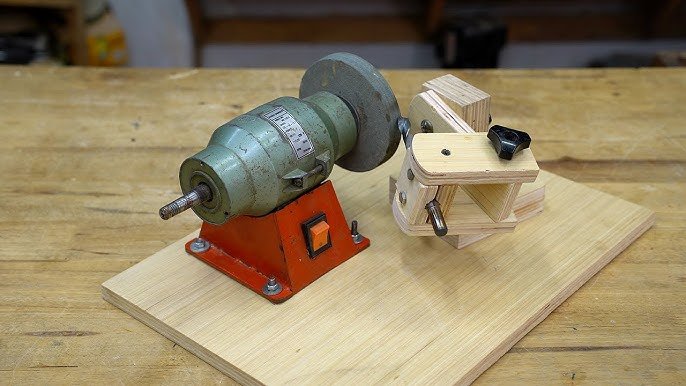
A sharpening jig holds the drill bit at a fixed angle. This helps keep the sharpening consistent and accurate.
The jig fits on the bench grinder or can be used with hand files. It guides the bit for even sharpening on both sides.
- Attach the jig to your bench grinder
- Insert the drill bit into the jig holder
- Move the bit slowly across the grinding wheel
- Check the angle and sharpness often
Alternative Sharpening Methods
You can sharpen drill bits without a bench grinder. Hand files and sharpening stones work well for small jobs.
These methods take more time but give good control. They are useful if you don’t have power tools.
- Use a triangular file for the cutting edges
- Hold the bit at the correct angle while filing
- Sharpen both sides evenly
- Use a fine sharpening stone to smooth edges
Preparing Drill Bits For Sharpening
Sharpening drill bits for woodworking requires careful preparation. Proper prep helps you get a clean, sharp edge.
This stage includes cleaning the bits and marking the cutting edges clearly. These steps make sharpening easier and safer.
Cleaning And Inspecting
Start by cleaning the drill bits to remove dirt, grease, and rust. Use a wire brush or steel wool with some oil.
After cleaning, inspect the bits closely. Look for chips, cracks, or worn edges that need sharpening or replacing.
- Use a magnifying glass to check small damages
- Check if the bit is bent or straight
- Remove any leftover wood or debris
Marking Cutting Edges
Mark the cutting edges with a permanent marker or paint. This helps you see where to sharpen clearly.
Marking guides your grinding and keeps the drill bit balanced. It prevents uneven sharpening and damage.
- Use a bright color for good visibility
- Mark both edges of the drill bit tip
- Recheck marks before starting to sharpen
Sharpening Techniques
Sharpening drill bits for woodworking keeps your tools effective. Sharp bits cut wood cleanly and reduce effort.
Using the right techniques helps you sharpen drill bits safely and accurately. This guide covers key sharpening steps.
Maintaining Proper Angle
Keep the original angle of the drill bit while sharpening. This angle is usually about 118 degrees for wood bits.
Holding the bit at the correct angle ensures the bit cuts well and lasts longer. Use a guide if needed.
- Check the angle before sharpening
- Hold the bit steady and consistent
- Use a sharpening jig for accuracy
Grinding The Cutting Edge
Use a bench grinder or sharpening stone to grind the cutting edge. Move the bit slowly and gently against the grinder.
Grind just enough to create a sharp edge. Avoid overheating the bit by dipping it in water often.
- Hold the bit near the cutting edge
- Grind both edges evenly
- Cool the bit regularly to prevent damage
Balancing Both Cutting Lips
Both cutting lips on the drill bit must be equal in length and shape. Balanced lips help the bit drill straight and smoothly.
Check the lips often during sharpening. Adjust grinding to keep them the same size and angle.
- Measure the length of each lip
- Grind the longer lip to match the shorter one
- Ensure both lips have the same angle
Testing Sharpness And Performance
Checking the sharpness of your drill bits is important. It helps you know if they cut wood well.
Testing performance lets you see if the bits drill smoothly and make clean holes.
Visual Inspection
Look closely at the edges of the drill bit. Sharp edges are smooth and even.
Dull bits often have rounded or chipped edges. Check for any rust or damage too.
- Check if cutting edges are bright and shiny
- Look for chips or dents on the edges
- Inspect the bit tip for symmetry and shape
- Remove any debris or rust before testing
Trial Drilling On Scrap Wood
Use scrap wood to test drill bit performance. This prevents damage to your project.
Watch how the bit cuts through the wood. Sharp bits drill easily and make clean holes.
- Hold the drill steady and start slowly
- Check if the bit drills without wobbling
- Look for smooth, clean edges around the hole
- Notice if the drill bit overheats or binds
- Compare results to a new or known sharp bit

Credit: www.youtube.com
Safety Tips During Sharpening
Sharpening drill bits for woodworking can be risky without proper safety steps. Taking care helps avoid injuries and ensures good results.
Always follow safety tips to protect yourself and work safely when sharpening drill bits.
Protective Gear
Wearing the right protective gear keeps you safe from flying sparks and sharp edges. Always use safety glasses to protect your eyes.
Gloves can protect your hands from cuts but avoid loose gloves that may catch in the grinder. Use hearing protection if the machine is loud.
- Safety glasses or goggles
- Close-fitting work gloves
- Hearing protection like earplugs
- A dust mask if sharpening creates dust
Safe Handling Practices
Handle drill bits carefully to avoid slipping and injuries. Hold the bit firmly but do not force it against the grinder.
Keep your work area clean and free of clutter. Turn off and unplug the grinder before adjusting or cleaning it.
- Hold drill bits firmly without forcing
- Keep fingers away from grinding wheel
- Use clamps or vices for stability
- Turn off and unplug grinder before changes
- Keep workspace tidy to prevent accidents
Maintaining Drill Bits For Longevity
Keeping your drill bits sharp and in good shape helps you work better. Proper care makes them last longer and perform well.
Simple habits can protect your drill bits. This guide covers storage, cleaning, and avoiding damage from heat.
Proper Storage
Store drill bits in a dry place to stop rust. Use a case or holder to keep them separate and safe.
Organize bits by size and type. This prevents damage and helps you find the right bit fast.
- Use a drill bit case or rack
- Keep bits dry and away from moisture
- Store bits separately to avoid dulling
- Label sizes for easy access
Regular Cleaning
Clean drill bits after each use to remove wood dust and debris. This keeps cutting edges clear and sharp.
Use a soft brush or cloth to wipe bits. Avoid harsh chemicals that can damage the metal.
- Brush off dust and chips
- Wipe with a dry cloth
- Use light oil to prevent rust
- Check for damage or dull spots
Avoiding Overheating
Heat can make drill bits dull quickly. Drill slowly and apply less pressure to keep bits cool.
Use cutting oil or water to cool the bit during long drilling sessions. Let the bit rest if it gets hot.
- Drill at a slow speed
- Use light pressure on the drill
- Apply cutting oil or water for cooling
- Pause to let bits cool down

Credit: www.youtube.com

Credit: www.youtube.com
Frequently Asked Questions
How Often Should I Sharpen Drill Bits For Woodworking?
Sharpen drill bits regularly to maintain cutting efficiency. For frequent use, sharpen after every few projects. Dull bits can cause wood damage and poor results. Consistent sharpening ensures cleaner holes and extends tool life.
What Tools Are Needed To Sharpen Drill Bits?
Use a bench grinder or a specialized drill bit sharpener. A steady hand and safety glasses are essential. Some prefer sharpening jigs for accuracy. Proper tools help achieve the correct angle and sharpness.
Can I Sharpen Drill Bits At Home Safely?
Yes, sharpening drill bits at home is safe with proper precautions. Always wear eye protection and work in a well-lit area. Follow manufacturer guidelines for your sharpening tool. Take your time to avoid damaging the bit.
What Angle Is Best For Sharpening Wood Drill Bits?
Maintain a 118-degree angle for standard wood drill bits. This angle balances cutting efficiency and durability. Using the correct angle prevents bit damage and ensures clean holes. Adjust based on specific bit type if needed.
Conclusion
Sharpening drill bits helps you work cleaner and faster. Dull bits cause rough cuts and waste time. Using the right tools keeps your bits sharp and safe. Practice a little, and you will get better quickly. Keep your drill bits sharp to protect your wood and tools.
Small effort brings big results in woodworking projects. Try these simple steps next time you need sharper bits. Your work will look smoother, and drilling will feel easier. Keep your tools ready and enjoy making great woodwork.