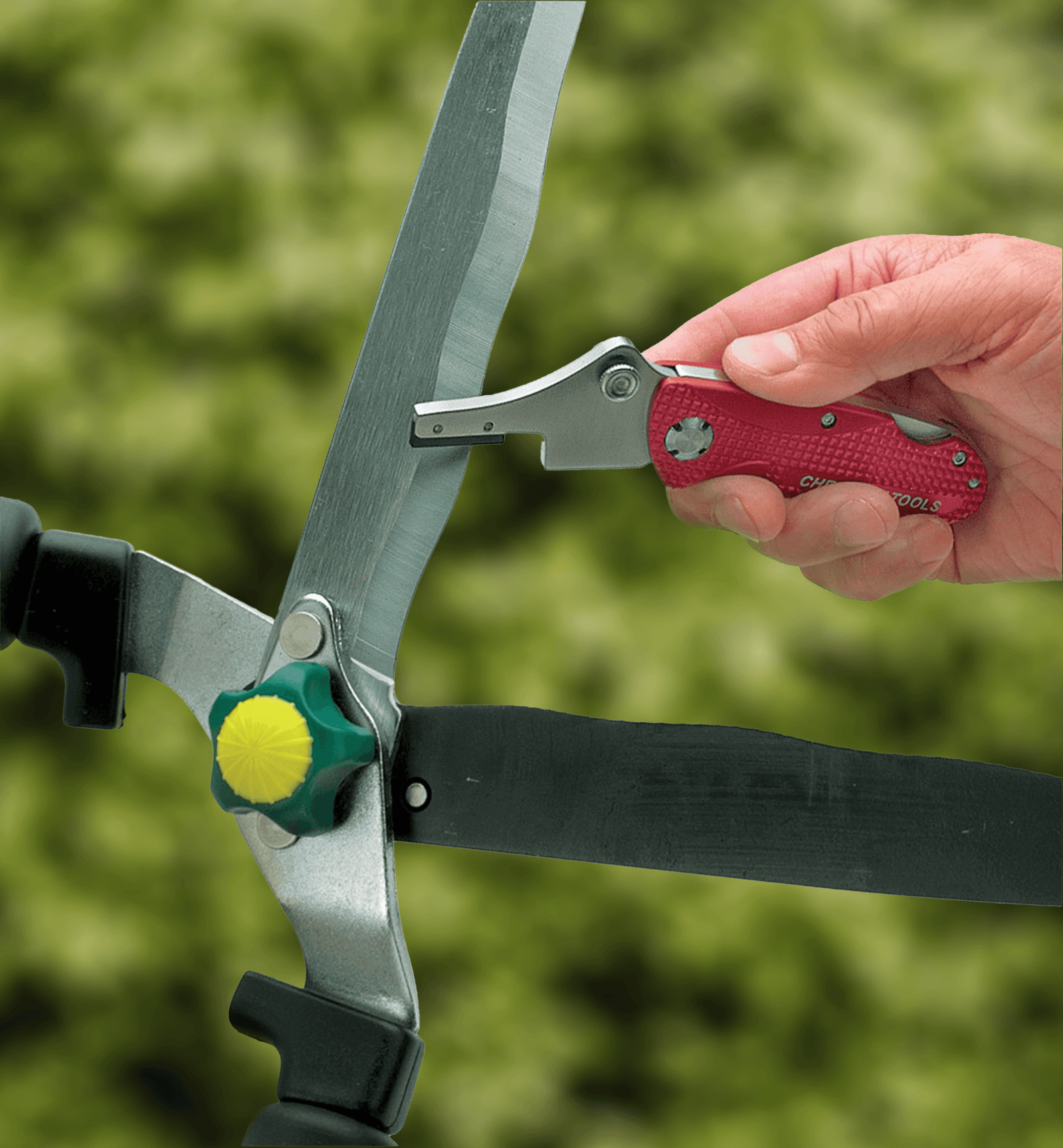
Have you ever found yourself struggling with a dull garden knife while tending to your beloved plants? You’re not alone.
Many gardening enthusiasts know the frustration of trying to prune or cut with a blade that just won’t cooperate. But fear not—sharpening your garden knives doesn’t have to be a daunting task. Imagine slicing through stems and branches with ease, making your gardening tasks quicker and more enjoyable.
In this guide, you’ll discover simple and effective ways to sharpen your garden knives, transforming them into powerful tools that enhance your gardening experience. Stick around to learn how you can save time, reduce effort, and achieve pristine cuts with every snip.

Credit: www.angi.com
Choosing The Right Sharpening Tools
Keeping your garden knives sharp makes cutting plants easier. Picking the right sharpening tool helps you keep the blade in good shape. Different tools fit different needs and skills.
This guide explains common sharpening tools. You will learn about stones, honing rods, and electric or manual sharpeners. Choose what works best for your garden knives.
Types Of Sharpening Stones
Sharpening stones come in many types. They grind and smooth the blade edge. You can find natural and synthetic stones. Each type varies in grit size and use.
- Coarse stones:Remove a lot of metal fast. Good for very dull blades.
- Medium stones:Used for regular sharpening. Balance between metal removal and smooth finish.
- Fine stones:Polish the blade edge. Use after medium stones for a sharp finish.
- Diamond stones:Very hard and last long. Work fast on hard metals.
Using Honing Rods
Honing rods do not sharpen but keep the edge aligned. They fix small bends in the blade. Use them often to maintain sharpness between full sharpenings.
Most honing rods are made of steel or ceramic. Steel rods are common and affordable. Ceramic rods polish the blade and remove small metal bits.
Electric Sharpeners Vs Manual
| Type | Advantages | Disadvantages |
| Electric Sharpeners | Fast and easy to use. Good for beginners. | Can remove too much metal quickly. Less control over angle. |
| Manual Sharpeners | More control over sharpening angle. Gentle on blades. | Requires more skill and time. |
Choose the tool that fits your skill level and how often you sharpen. Manual tools suit careful users. Electric ones help save time but need careful use.

Credit: www.youtube.com
Preparing Your Garden Knife
Sharpening a garden knife starts with good preparation. This helps you get the best results and keeps you safe.
First, clean and check the blade. Next, follow safety steps before you begin sharpening.
Cleaning And Inspecting The Blade
Remove dirt and sap from the blade using a soft cloth. Use warm water and mild soap if needed.
Look closely for rust, cracks, or dull spots. These issues affect sharpening and blade safety.
- Wipe blade with a damp cloth
- Use mild soap to clean sticky residue
- Check for rust or damage
- Dry the blade completely before sharpening
Safety Precautions Before Sharpening
Wear gloves to protect your hands from cuts. Use eye protection to keep debris away from your eyes.
Sharpen the knife in a well-lit area. Keep the blade pointed away from your body and others.
- Wear cut-resistant gloves
- Use safety glasses
- Work on a stable surface
- Keep blade pointed away from you
- Keep children and pets away
Sharpening Techniques For A Razor Edge
Sharpening garden knives makes cutting easier and safer. A sharp blade helps you work faster in the garden.
Use the right method to get a razor edge. This guide shows you how to sharpen your garden knives well.
Setting The Correct Angle
Keep the sharpening stone or tool at the right angle to the blade. Usually, this angle is between 20 and 25 degrees.
- Hold the knife steady in one hand.
- Place the stone or sharpener at the edge with a 20-25 degree tilt.
- Maintain this angle while moving the blade.
- Use a guide if you find it hard to keep the angle consistent.
Step-by-step Sharpening Process
Follow these steps to sharpen your garden knife carefully and safely for a clean edge.
- Clean the blade to remove dirt and sap.
- Wet the sharpening stone with water or oil.
- Hold the knife at the correct angle to the stone.
- Push the blade across the stone from heel to tip.
- Flip the knife and repeat on the other side.
- Check the edge for sharpness by slicing paper.
- Wipe the blade clean after sharpening.
Maintaining Consistent Pressure
Use steady pressure while sharpening to avoid damaging the blade. Too much force can ruin the edge.
| Pressure Level | Effect on Blade |
|---|---|
| Light | May not sharpen well |
| Moderate | Best for a sharp, even edge |
| Heavy | Can damage blade and stone |

Credit: www.youtube.com
Finishing Touches
After sharpening your garden knives, finishing touches help keep the edge strong. These steps improve smoothness and check sharpness safely.
Taking time with these final steps makes your knives last longer and work better in the garden.
Honing For Smoothness
Honing removes tiny burrs left after sharpening. It smooths the blade edge for better cutting.
Use a honing rod or fine stone. Hold the blade at the same angle used when sharpening. Slide the blade gently along the rod.
- Keep the angle steady, usually 20 degrees
- Make 5 to 10 strokes per side
- Use light pressure to avoid removing metal
- Wipe the blade clean after honing
Testing Sharpness Safely
Test your knife sharpness without risking injury. Check how easily the blade cuts simple materials.
Try slicing a piece of paper or shaving a small patch of wood. The blade should cut smoothly with little force.
- Hold the knife carefully by the handle
- Cut slowly and watch how the blade moves
- If cutting feels hard, sharpen more
- Never test sharpness with your fingers
Caring For Your Sharpened Knife
After sharpening your garden knives, proper care helps keep them sharp longer. Taking time to clean and store them right prevents damage.
Regular maintenance also protects the blade and handle. This makes your knives safe and ready for your next gardening task.
Proper Cleaning And Storage
Clean your garden knife after each use. Remove dirt and sap with warm water and mild soap. Dry it completely to stop rust.
- Use a soft cloth to wipe the blade.
- Avoid soaking knives in water for long times.
- Store knives in a dry place, away from moisture.
- Use blade covers or sheaths to protect edges.
- Keep knives out of reach of children.
Regular Maintenance Tips
Check your knife regularly for dullness or damage. Light sharpening and oiling keep it in good shape. A sharp knife cuts better and is safer.
| Task | Frequency | Tools Needed |
| Sharpen blade | Every 4-6 weeks | Whetstone or sharpening tool |
| Oil blade | Monthly | Mineral oil or knife oil |
| Inspect handle | Monthly | Cloth, wood conditioner (if wooden handle) |
| Clean knife | After each use | Soap, water, cloth |
Common Mistakes To Avoid
Sharpening garden knives keeps them working well. Avoid mistakes that can harm your blades or make sharpening less effective.
Learn what to watch for to keep your knives sharp and safe to use.
Over-sharpening Risks
Sharpening your garden knife too often or too much can wear it down quickly. This makes the blade thinner and weaker.
Too much sharpening also wastes time and effort without improving the knife’s performance.
- Blade edge becomes too thin and breaks easily
- Knife loses metal unnecessarily
- More sharpening does not always mean better cutting
- Blade shape can change, affecting cutting ability
Ignoring Blade Damage
Using a dull or damaged blade can make sharpening harder. Chips, cracks, or rust need attention before sharpening.
If you ignore blade damage, sharpening may not fix the problem and could make it worse.
- Check blade for chips or cracks before sharpening
- Remove rust with a wire brush or sandpaper first
- Fix major damage before attempting to sharpen
- Sharpening a damaged blade can cause injury
Frequently Asked Questions
How Often Should I Sharpen Garden Knives?
Sharpen garden knives after every 10 to 15 uses. Regular sharpening ensures clean cuts and prevents plant damage. Frequent sharpening keeps blades efficient and safe. Always inspect your knives before use to determine if sharpening is needed.
What Tools Are Best For Sharpening Garden Knives?
Use a whetstone, sharpening steel, or diamond file for sharpening. These tools provide precise, controlled sharpening and maintain blade integrity. Choose a tool based on your skill level and knife type for best results.
Can I Sharpen Garden Knives At Home Safely?
Yes, you can safely sharpen garden knives at home. Use proper tools, follow instructions, and wear protective gloves. Keep your work area well-lit and stable to avoid accidents during sharpening.
How Do I Maintain Sharpness After Sharpening?
Clean your knives after each use and dry them thoroughly. Store blades in a dry place to prevent rust. Regularly hone blades to maintain sharpness between sharpening sessions.
Conclusion
Sharpening garden knives keeps them safe and easy to use. Regular sharpening saves time during garden work. Use simple tools like a whetstone or sharpening rod. Always follow the right angle for best results. Clean your knives after sharpening to avoid rust.
Keep your blades sharp for healthier plants and better cuts. Practice often to improve your skill and speed. A sharp knife makes gardening more enjoyable and efficient. Remember, small steps lead to big improvements in your garden.