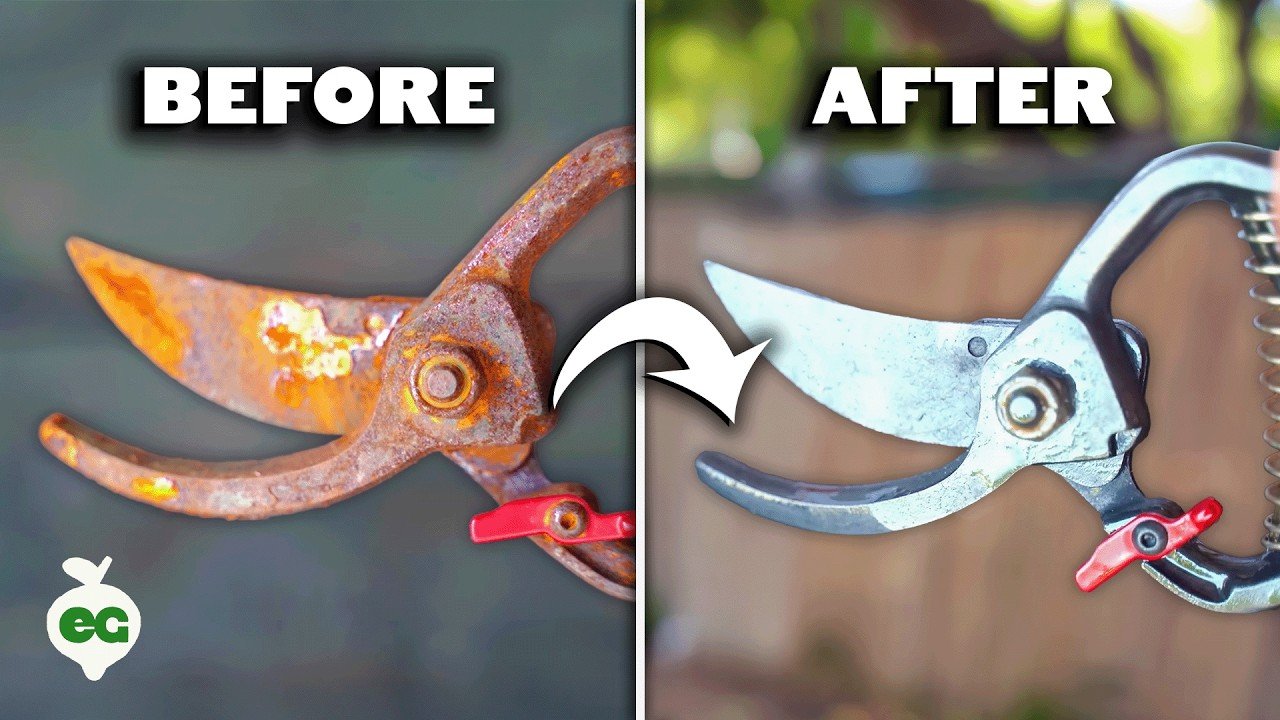
Are your garden scissors struggling to make clean cuts? Dull blades can damage your plants and make your gardening tasks frustrating.
But don’t worry—you can fix this quickly and easily. You’ll discover simple, effective ways to sharpen your garden scissors so they slice smoothly every time. Keep reading, and you’ll save time, protect your plants, and enjoy gardening more than ever.
Choosing The Right Tools
Sharpening garden scissors needs the proper tools. Using the right tools helps you get clean cuts fast.
This guide covers essential sharpening tools and safety gear you need to protect yourself.
Essential Sharpening Tools
Use these tools to sharpen garden scissors well and keep edges smooth.
- Diamond sharpening stone: Works on hard metal blades.
- Flat file: Helps remove nicks and smooth rough edges.
- Lubricating oil: Keeps the blade cool and prevents rust.
- Cloth rag: Cleans the blade after sharpening.
- Magnifying glass: Checks blade sharpness closely.
Safety Gear To Use
| Gear | Purpose |
| Safety glasses | Protect eyes from metal shards |
| Gloves | Prevent cuts on hands |
| Dust mask | Stop inhaling metal dust |
| Apron | Protect clothes and skin |
Wear all safety gear before you start sharpening to avoid injuries.
Preparing Your Garden Scissors
Sharpening garden scissors starts with good preparation. Clean and inspect them first to get the best results.
Proper care helps your scissors last longer and cut better every time.
Cleaning And Disassembling
Remove dirt and sap from the blades before sharpening. This stops damage during the process.
Use warm soapy water and a brush to clean the scissors well. Dry them completely after cleaning.
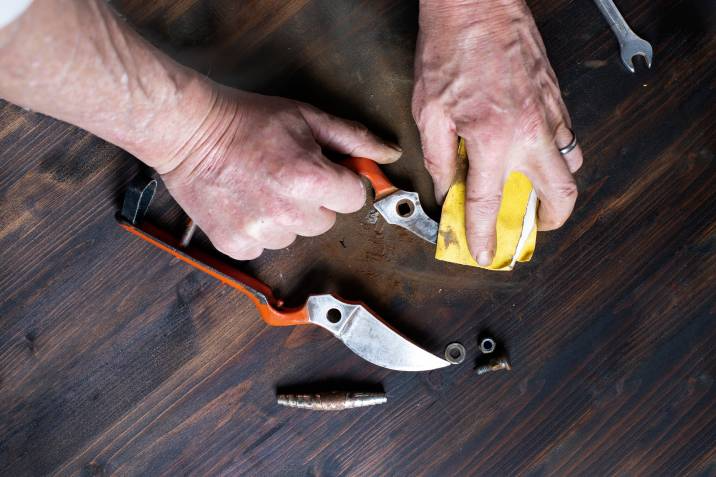
If your scissors can be taken apart, loosen the screws and separate the blades. This makes sharpening easier.
- Wash blades with warm soapy water
- Use a brush to remove sticky residue
- Dry blades fully to avoid rust
- Unscrew and separate blades if possible
Inspecting For Damage
Look closely at the blades for chips or cracks. These can make sharpening unsafe or less effective.
Check the screws and springs for wear. Replace any parts that are broken or loose.
- Examine blades for chips or cracks
- Check screw tightness and condition
- Inspect springs and other moving parts
- Replace damaged parts before sharpening
Sharpening Techniques
Keeping garden scissors sharp helps you cut plants cleanly. Sharp scissors reduce damage to stems and leaves.
This guide shows easy ways to sharpen your garden scissors. You will learn how to use stones, files, and other tools.
Using A Sharpening Stone
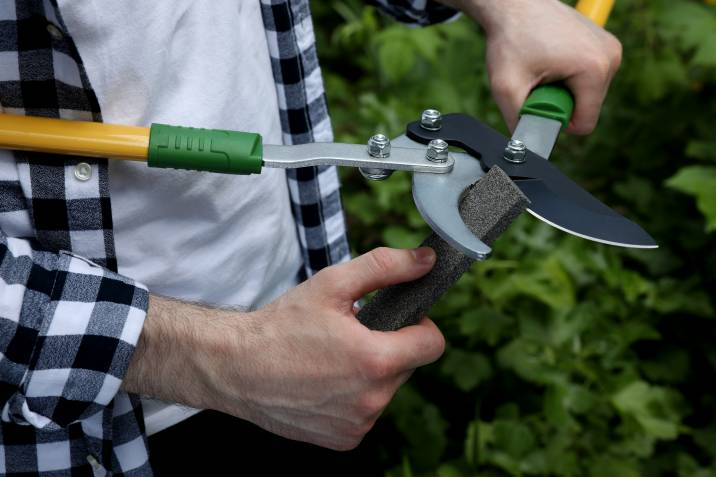
Start by cleaning your scissors. Then, wet the sharpening stone with water or oil. Hold the scissors open and rub the blade edge on the stone. Use smooth, even strokes in one direction. Repeat several times until the edge feels sharp.
Sharpen both blades, but focus on the cutting edge. Wipe the blades clean before testing the sharpness.
Employing A Diamond File
A diamond file works well for very dull or rusty scissors. Hold the file at the same angle as the blade edge, usually 20 to 30 degrees. Push the file along the blade in one direction. Use light pressure for better control.
- Clean the scissors before filing.
- File each blade edge evenly.
- Check sharpness by carefully feeling the edge.
- Wipe blades to remove metal dust.
Alternative Methods
| Method | Description | Best For |
|---|---|---|
| Sanding Paper | Use fine grit sandpaper to sharpen blades by rubbing edges. | Small nicks and dull edges |
| Sharpening Rod | Use a ceramic or steel rod to hone blade edges carefully. | Regular maintenance |
| Power Tools | Use a bench grinder or rotary tool with caution for quick sharpening. | Severe dullness or damage |

Credit: www.youtube.com
Maintaining The Blade Angle
Keeping the right blade angle is key to sharpening garden scissors well. This helps the scissors cut cleanly and last longer.
Sharp scissors make gardening easier and safer. Let’s look at how to keep the blade angle steady while sharpening.
Ideal Sharpening Angles
Most garden scissors sharpen best at an angle between 30 and 40 degrees. This angle keeps the blade strong and sharp.
| Blade Type | Sharpening Angle |
| Standard Garden Scissors | 30° to 35° |
| Heavy-Duty Pruning Scissors | 35° to 40° |
| Fine Cutting Scissors | 25° to 30° |
Consistent Stroke Patterns
Use the same stroke pattern to keep the blade edge even. This helps avoid dull spots and keeps the cut smooth.
- Hold the scissors firmly and steady.
- Sharpen using long, even strokes.
- Move the file or sharpener from the base to the tip.
- Keep the sharpening angle steady during each stroke.
- Repeat the same number of strokes on both blades.
Testing Sharpness
After sharpening your garden scissors, check if the blades cut cleanly. Testing sharpness helps you know if the scissors are ready to use.
A simple test shows if you need to sharpen more or adjust the blades for better cutting.
Simple Cutting Tests
Try cutting a thin piece of paper or a leaf. Sharp scissors make smooth cuts without tearing.
If the scissors pull or crush the material, the blades need more sharpening.
- Cut a sheet of paper in half with one smooth motion.
- Try trimming a fresh leaf from a plant.
- Check if the edges are clean without ragged parts.
Adjusting If Needed
Sometimes, scissors need a small twist or tightening after sharpening. This helps the blades meet properly.
Use a screwdriver to adjust the screw between the blades. Test cuts after each adjustment to find the best setting.
- Loosen the screw slightly if blades are too tight.
- Tighten the screw if blades feel loose or do not cut well.
- Make small adjustments and test after each change.
Post-sharpening Care
Taking care of your garden scissors after sharpening keeps them sharp longer. Proper care helps prevent rust and damage.
Cleaning and lubricating the blades and storing them correctly are key steps. These actions protect your tool and improve its performance.
Cleaning And Lubricating
After sharpening, wipe the blades with a clean cloth to remove metal dust. Use a mild soap and water if needed, then dry the scissors well.
- Clean blades with a damp cloth and mild soap
- Dry scissors completely to avoid rust
- Apply a few drops of lubricating oil on the pivot and blades
- Open and close scissors several times to spread the oil evenly
- Wipe off excess oil with a clean rag
Proper Storage Tips
Store garden scissors in a dry, safe place to avoid damage. Keep them away from moisture and dirt to maintain sharpness.
| Storage Method | Benefit |
| Use a protective sheath or cover | Prevents blade damage and rust |
| Hang scissors on a pegboard | Keeps blades dry and accessible |
| Store in a dry toolbox or drawer | Protects from dust and moisture |
| Keep away from children and pets | Ensures safety and tool longevity |
Common Mistakes To Avoid
Sharpening garden scissors helps you make clean cuts. Avoid mistakes that damage your tools or hurt you.
Learn the common errors when sharpening scissors. Follow safe and proper steps for good results.
Over-sharpening
Sharpening scissors too much can wear down the blades. This reduces their life and cutting ability.
- Grinding the blades too often removes too much metal.
- Applying too much pressure causes uneven edges.
- Sharpening at the wrong angle damages the blade shape.
- Ignoring the factory bevel can ruin the blade’s cutting edge.
Ignoring Safety Precautions
Not using safety gear or skipping steps puts you at risk of cuts and injuries.
| Safety Precaution | Why It Matters |
| Wear protective gloves | Prevents cuts from sharp blades |
| Keep blades away from body | Avoids accidental stabbing |
| Use proper tools (like a sharpening stone) | Reduces risk of slipping |
| Work in a well-lit area | Improves precision and safety |
Credit: www.airtasker.com
Credit: www.airtasker.com
Frequently Asked Questions
How Often Should I Sharpen Garden Scissors?
Sharpen garden scissors at least once a season for optimal performance. Frequency depends on usage and material. Regular sharpening ensures clean cuts and prevents plant damage. If you notice dullness or resistance while cutting, it’s time to sharpen them.
What Tools Do I Need To Sharpen Garden Scissors?
You need a sharpening stone, file, or specialized tool. A clean cloth is also essential. These tools help maintain the blade’s edge and ensure effective sharpening. Always follow the manufacturer’s instructions for best results.
Can I Sharpen Garden Scissors Myself?
Yes, you can sharpen garden scissors yourself with basic tools. Follow simple steps for effective sharpening. Ensure safety by wearing gloves and working in a well-lit area. Regular maintenance will prolong the life of your scissors.
How Do I Know If My Scissors Need Sharpening?
Dull scissors show signs like frayed cuts or resistance. If your cuts are uneven or jagged, it’s time to sharpen. Regularly inspect your scissors to maintain their effectiveness and ensure clean cuts.
Conclusion
Sharpening garden scissors keeps your tools ready for clean cuts. Regular care helps plants heal faster and look healthier. Use the right tools and follow steps carefully. A sharp blade makes gardening easier and safer. Try these simple tips to save time and effort.
Keep your scissors sharp for the best garden results. Happy gardening!