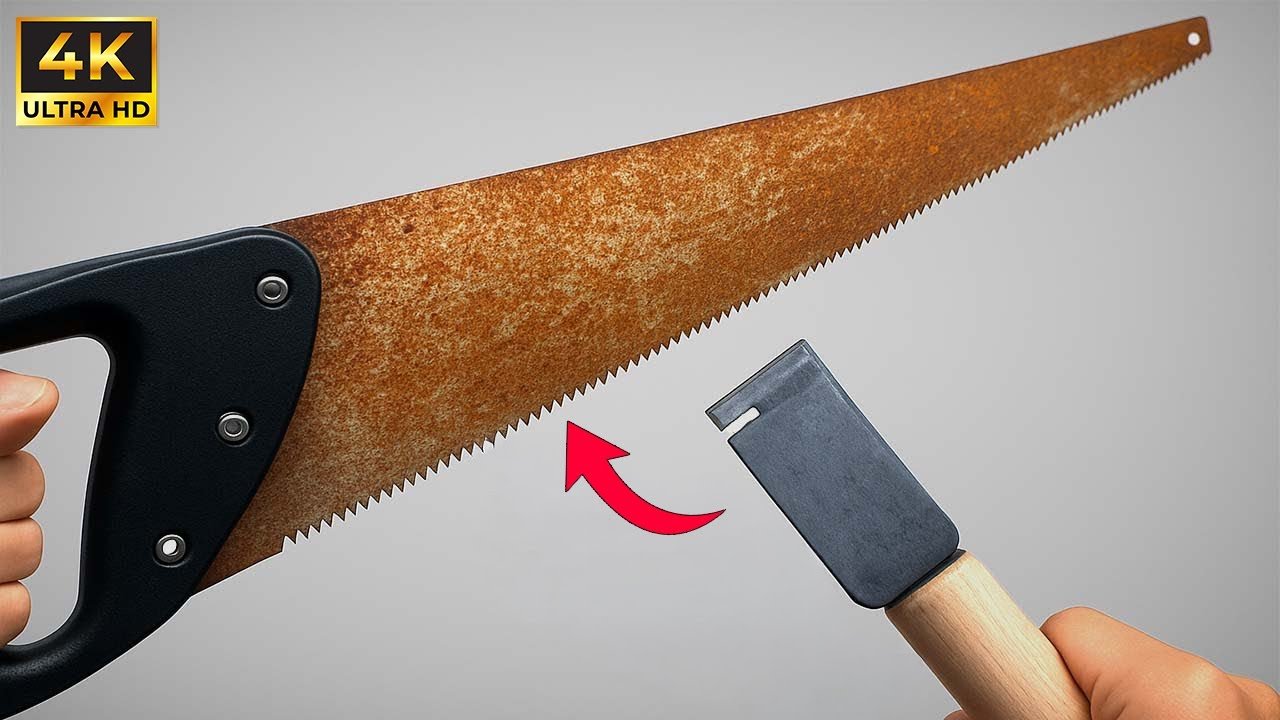
Your hand saw is one of the most important tools you own, but over time, its teeth can become dull and less effective. When that happens, cutting wood feels harder, slower, and more frustrating.
What if you could quickly bring your saw back to life with just a few simple steps? In this guide, you’ll learn exactly how to sharpen your hand saw so it cuts smoothly and effortlessly again. Keep reading, and you’ll discover easy techniques that save you time, money, and a lot of hassle.
Don’t let a dull saw slow you down—take control and make your tool work like new.
Tools Needed For Sharpening
Sharpening hand saws requires the right tools to get a clean, sharp edge. Using proper tools helps you save time and effort.
This guide covers the key tools you need for sharpening your hand saws safely and effectively.
Choosing The Right Files
Files come in different shapes and sizes. The right file matches your saw teeth to sharpen them correctly.
- Triangular files work well for crosscut saws with pointed teeth.
- Round files are best for sharpening curved saw teeth.
- Flat files suit saws with straight teeth.
- Fine-toothed files provide a smoother finish.
- Coarse files remove more material but need careful use.
Essential Accessories
Besides files, you need tools to hold the saw and mark the teeth for even sharpening.
| Accessory | Purpose |
| Saw vise | Keeps the saw steady during sharpening |
| Marking gauge | Marks the depth of cut on each tooth |
| Jointing file | Levels the teeth before sharpening |
| Ruler or caliper | Measures tooth size and spacing |
Safety Equipment
Protect yourself while sharpening by wearing safety gear. This prevents injuries from flying metal and sharp tools.
- Safety glasses shield your eyes from metal filings.
- Work gloves protect your hands from cuts and blisters.
- A dust mask stops you from breathing in metal dust.
- Good lighting helps you see the saw teeth clearly.

Credit: www.youtube.com
Preparing The Saw For Sharpening
Sharpening a hand saw starts with good preparation. Proper steps make the process easier and safer.
Getting the saw ready helps you see problems and fix them before sharpening.
Cleaning The Blade
Remove dirt and rust to see the teeth clearly. A clean blade sharpens better and lasts longer.
Use a wire brush or steel wool with oil to clean the blade. Wipe it dry after cleaning.
- Use a soft wire brush for light dirt
- Apply light machine oil to loosen rust
- Wipe blade with a clean cloth
- Check that no debris remains in teeth
Inspecting Teeth Condition
Look closely at each tooth on the saw blade. Check for damage or uneven wear.
Notice broken, bent, or missing teeth. These may need repair before sharpening.
- Count the teeth to find if any are missing
- Look for bent teeth that need straightening
- Check if teeth are dull or chipped
- Mark any damaged teeth for special care
Setting Up A Stable Workspace
Use a flat, steady table or workbench to hold the saw. Stability helps you sharpen safely.
Make sure you have good light and space for your tools. A secure clamp or vise keeps the saw still.
- Clear your workspace of clutter
- Use a clamp or vise to hold the saw firmly
- Choose a well-lit area to see teeth clearly
- Keep sharpening tools within reach
Sharpening Techniques
Sharpening a hand saw makes cutting easier and safer. It also helps the saw last longer.
Use the right tools and methods to keep your saw teeth sharp and aligned. This guide covers key sharpening techniques.
Filing The Teeth
Filing the teeth restores their sharp edges. Use a triangular file that fits the tooth size. File each tooth evenly to keep the saw balanced.
- Secure the saw in a vise to keep it steady.
- File each tooth with smooth strokes away from you.
- Keep the file at the same angle for all teeth.
- Count the strokes to ensure uniform filing.
- Check the sharpness by feeling the edges carefully.
Maintaining The Correct Angle
Keeping the correct filing angle is vital. The angle depends on your saw type and tooth design. Use a guide or angle gauge to help maintain it.
| Saw Type | Filing Angle | Purpose |
|---|---|---|
| Crosscut Saw | 60 degrees | Cut across wood grain |
| Rip Saw | 90 degrees | Cut along wood grain |
| General Purpose Saw | 75 degrees | Mixed cutting |
Using A Saw Set For Tooth Alignment
A saw set bends the teeth slightly to widen the cut. This prevents the saw from binding in the wood. Adjust the saw set carefully for even tooth alignment.
Here are tips for using a saw set:
- Test the set on a few teeth before adjusting all.
- Bend each tooth outward equally on both sides.
- Use light pressure to avoid breaking teeth.
- Check the teeth alignment with a straight edge.
- Repeat the process if the saw still binds.

Credit: www.woodwrightschool.com
Common Mistakes To Avoid
Sharpening hand saws is important to keep them working well. Avoiding common errors helps keep your saws sharp and safe. This guide shows what to watch for.
Knowing these mistakes saves time and stops damage to your tools. Be careful and follow simple tips.
Over-filing Teeth
Filing teeth too much can ruin your saw. It makes teeth uneven and weak. Only file as needed for sharpness.
- Use the right file size for your saw.
- File each tooth the same number of times.
- Stop filing if teeth look thin or worn.
- Check your progress often to avoid over-filing.
Ignoring Tooth Consistency
Teeth must be the same height and shape. Uneven teeth cut poorly and wear out fast.
| Problem | Effect |
| Uneven tooth height | Rough, uneven cuts |
| Different tooth shapes | More effort needed to saw |
| Inconsistent filing angle | Teeth dull faster |
Neglecting Safety Measures
Sharpening saws can cause injury. Follow safety steps to protect yourself.
- Wear gloves to protect your hands.
- Use eye protection to stop metal filings from entering eyes.
- Keep your work area clean and well-lit.
- Secure the saw firmly before filing.
- Take breaks to avoid slipping or mistakes.
Maintaining A Sharp Edge
Keeping your hand saw sharp helps you cut wood easily and safely. A sharp edge saves time and effort.
Regular care keeps your saw ready for any job. Let’s look at how to maintain a sharp edge.
Regular Cleaning And Inspection
Clean your hand saw after each use to remove dirt and sap. Use a brush or cloth to wipe the teeth and blade.
Check the teeth for damage or dullness. Look for bent or missing teeth to spot problems early.
- Use a stiff brush to remove sawdust
- Wipe blade with a clean cloth
- Inspect teeth for chips or bends
- Look for rust or corrosion
Proper Storage Tips
Store your hand saw in a dry place to stop rust. Avoid leaving it where moisture or dirt can reach it.
Keep the saw in a protective cover or hang it on a tool rack. This prevents damage to the teeth and blade.
- Use a blade guard or sheath
- Hang saw on a wall rack
- Keep saw away from damp areas
- Store saw with teeth facing away
When To Resharpen
Resharpen your hand saw when it cuts slowly or rough. Dull teeth make the work harder and less safe.
Check for rounded or worn teeth. If the saw pulls or binds, it may need sharpening.
- Cutting requires more force than usual
- Teeth look dull or rounded
- Saw blade tears wood fibers instead of clean cuts
- Saw binds or pulls during use

Credit: www.youtube.com
Frequently Asked Questions
How Often Should I Sharpen My Hand Saw?
You should sharpen your hand saw when it starts cutting slowly or produces rough cuts. Regular use may require sharpening every few months. Proper maintenance extends its life and improves performance. Check the teeth for dullness or damage before each project.
What Tools Do I Need To Sharpen Hand Saws?
You need a triangular file, saw set, and a saw vise. The file sharpens teeth, the saw set adjusts tooth angle, and the vise holds the saw steady. These tools ensure precise and safe sharpening. Quality tools improve sharpening results.
Can I Sharpen All Types Of Hand Saws Myself?
Yes, most hand saws can be sharpened at home. Crosscut, rip, and panel saws all require different tooth angles. Learning the correct technique for each saw type ensures effective sharpening. Practice on old saws before sharpening valuable ones.
How Do I Maintain My Hand Saw After Sharpening?
Keep the saw clean and dry to prevent rust. Store it in a protective sheath or case. Regularly oil the blade to maintain smooth cutting. Inspect teeth for damage before use. Proper care prolongs sharpness and overall tool life.
Conclusion
Sharpening hand saws boosts their efficiency and lifespan. It’s a simple task. Use the right tools and techniques. Regular maintenance keeps your saws in top condition. Remember to wear safety gear while sharpening. Practice makes perfect. Over time, you’ll sharpen with ease.
A sharp saw cuts faster and cleaner. Enjoy smoother woodworking projects. Happy sawing!