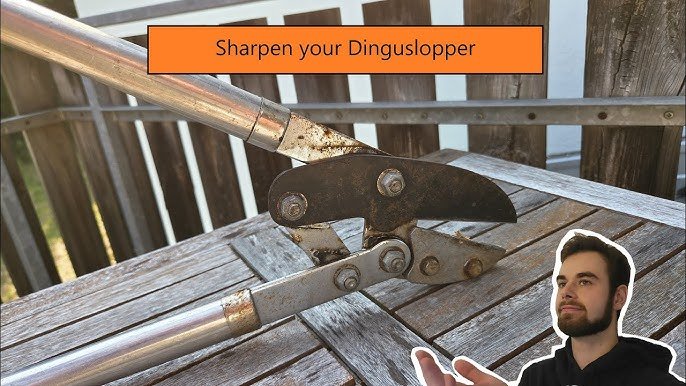
Are your loppers struggling to cut through tough branches? Dull blades can turn a simple pruning task into a frustrating workout.
But sharpening your loppers is easier than you think—and it makes your work smoother and faster. In this guide, you’ll learn simple, step-by-step methods to bring your loppers back to life. Get ready to save time, protect your plants, and enjoy gardening like never before.
Keep reading to discover how to sharpen your loppers quickly and effectively.
Choosing The Right Loppers
Loppers help cut thick branches in your garden. Picking the right loppers makes cutting easier. It also protects your hands and tools.
Look at the type, blade material, and handle design. These parts affect how well the loppers work.
Types Of Loppers
There are three main types of loppers: bypass, anvil, and ratchet. Each works best on different branches.
Bypass loppers have two blades that pass by each other. They make clean cuts on live branches.
Anvil loppers have one sharp blade that cuts against a flat surface. They work well on dead wood.
Ratchet loppers use a gear system to increase cutting power. They help cut very thick branches.
- Bypass: Best for live, green branches
- Anvil: Good for dry or dead branches
- Ratchet: Helps cut tough, thick branches
Blade Materials
Lopper blades come in different materials. The blade material affects sharpness and durability.
High-carbon steel blades stay sharp longer. They need regular cleaning to prevent rust.
Stainless steel blades resist rust well. They may dull faster than carbon steel blades.
Some blades have coatings to reduce sap build-up. This keeps the blades cleaner during work.
- High-carbon steel: Sharp and long-lasting
- Stainless steel: Rust-resistant but less sharp
- Coated blades: Stay cleaner during use
Handle Design
Handle design affects comfort and power. Choose handles that fit your hands well.
Long handles give more leverage. They make cutting thick branches easier but can be heavier.
Short handles are lighter and good for small hands. They work well for thin branches.
Look for handles with grips. Soft grips reduce hand fatigue and prevent slipping.
- Long handles: More power for thick branches
- Short handles: Easier to control and lighter
- Grips: Comfortable and prevent slipping

Credit: www.youtube.com
Tools Needed For Sharpening
Sharpening loppers is important to cut tough branches easily. You need the right tools to do the job well.
Using proper sharpening tools helps keep your loppers sharp and safe to use. Here are the main tools you need.
Files And Sharpening Stones
Files and sharpening stones shape and sharpen the lopper blades. They remove dull edges and restore sharpness.
A flat file or a round file works well for most lopper blades. Sharpening stones can smooth the blade after filing.
- Flat file for straight edges
- Round file for curved blades
- Coarse sharpening stone to reshape edges
- Fine sharpening stone to smooth blades
Lubricants And Cleaning Supplies
Cleaning and lubricating your loppers helps sharpening work better. Dirt and rust can block the file or stone.
Use oil and cleaning supplies to keep blades clean and moving smoothly. This makes sharpening easier and faster.
- Cleaning brush to remove dirt and sap
- Rags or cloths for wiping blades
- Light machine oil for lubrication
- Rust remover to clear rust spots
Safety Gear
Sharpening blades can be dangerous. Wear safety gear to protect your eyes and hands from sharp edges and metal dust.
Using gloves and safety glasses keeps you safe while you sharpen your loppers. Always work carefully.
- Protective gloves to avoid cuts
- Safety glasses to guard your eyes
- Mask to prevent inhaling metal dust
- Work apron to protect clothes
Preparing Loppers For Sharpening
Sharpening loppers helps cut tough branches more easily. Before sharpening, you need to prepare the loppers properly. This makes the sharpening safe and effective.
Cleaning, checking for damage, and securing the loppers are important steps. These steps help protect the blades and you during the process.
Cleaning The Blades
Remove dirt and sap from the blades before sharpening. Clean blades sharpen better and last longer. Use a cloth and warm, soapy water to wipe them down.
If sap is sticky, use rubbing alcohol or a special cleaner. Dry the blades well to stop rust from forming.
- Use warm, soapy water and a cloth
- Apply rubbing alcohol for sticky sap
- Dry blades completely after cleaning
Inspecting For Damage
Look closely at the blades for cracks, chips, or rust spots. Damaged blades can be dangerous and may not sharpen well. Small rust spots can be removed with steel wool.
Check the bolts and screws to make sure they are tight. Loose parts can affect the blade’s cutting ability.
- Check for cracks or chips on blades
- Remove rust with steel wool if needed
- Ensure bolts and screws are tight
Securing The Loppers
Secure the loppers to keep them steady while sharpening. Use a clamp or a vise to hold the handles firmly. This helps you sharpen the blades safely and evenly.
Make sure the blades are slightly open for better access. Avoid tightening too much to prevent bending the blades.
- Use a clamp or vise to hold the loppers
- Keep blades slightly open for access
- Do not overtighten to avoid damage

Credit: www.yahoo.com
Sharpening Techniques
Keeping your loppers sharp helps cut tough branches easily. Sharp blades reduce effort and protect the tool.
Use proper sharpening techniques to maintain blade strength and efficiency. This guide covers key steps to sharpen loppers.
Filing The Cutting Blade
Start by cleaning the blade from dirt and sap. Use a flat file to sharpen the cutting edge carefully.
Move the file in one direction along the blade. Avoid sawing back and forth to keep the edge even.
- Hold the blade firmly for control
- File at a consistent angle
- Use smooth, steady strokes
- Check sharpness often
Maintaining The Bevel Angle
The bevel angle is the sloped edge of the blade that does the cutting. Keep this angle steady while filing.
Most loppers have a bevel angle between 20 and 30 degrees. Keeping this angle helps the blade cut well and last longer.
- Observe the original bevel angle
- File to match this angle
- Use a guide if needed
- Do not change the angle by guessing
Smoothing The Blade Edge
After filing, the blade edge may be rough. Use a sharpening stone or fine file to smooth it out.
Lightly rub the blade edge on the stone in small circles or long strokes. This removes burrs and polishes the edge.
- Use water or oil on the stone for better results
- Work on both sides if the blade is double-edged
- Test the blade on a branch to check smoothness
- Repeat if needed but avoid over-sharpening
Adjusting And Testing
Sharpening loppers is not complete without adjusting and testing them. Proper adjustment ensures the blades work smoothly on tough branches.
Testing helps check if the sharpening and adjustments improved the cutting performance. Let’s look at key steps to adjust and test your loppers.
Tightening The Pivot Bolt
The pivot bolt holds the two blades together. If it is too loose, the blades will wobble and not cut well.
Use a wrench to tighten the pivot bolt just enough. The blades should move smoothly without feeling too tight or too loose.
- Check if blades wiggle when you move them
- Tighten bolt gradually and test movement
- Stop tightening when blades cut smoothly
Checking Blade Alignment
Blade alignment means the blades meet evenly along the cutting edge. Misaligned blades cause poor cuts and can damage the tool.
Look closely at the blades’ edges. They should touch from top to bottom without gaps or overlaps.
- Open the loppers and inspect blade edges
- Adjust the pivot bolt to align blades if needed
- Use a flat surface to help check straightness
Test Cutting Tough Branches
After sharpening and adjusting, test the loppers on hard branches. This shows if the blades cut well and if adjustments are right.
Choose a branch similar to ones you often cut. Make a clean cut without forcing the loppers. If needed, adjust the bolt or sharpen more.
- Pick a tough branch to test strength
- Cut smoothly without extra pressure
- Repeat if the cut is rough or the blades slip
Maintaining Sharpness
Keeping your loppers sharp helps you cut tough branches easily. Sharp tools reduce effort and protect plants.
Regular care keeps your loppers working well for a long time. You need to clean, store, and sharpen them often.
Regular Cleaning
Clean your loppers after each use. Dirt and sap can stick to the blades and make them dull.
Use a cloth and warm soapy water to wipe the blades. Dry them well to stop rust from forming.
- Remove dirt and sap with a soft brush if needed
- Wipe blades dry with a clean cloth
- Apply a little oil to keep blades smooth
Storing Properly
Store loppers in a dry place to avoid moisture damage. Wet environments cause rust and blade wear.
Keep loppers closed or locked to protect the blades. Hanging them up can prevent damage.
- Use a tool rack or hangers for storage
- Keep blades closed or locked
- Store in a dry, cool area
Periodic Sharpening
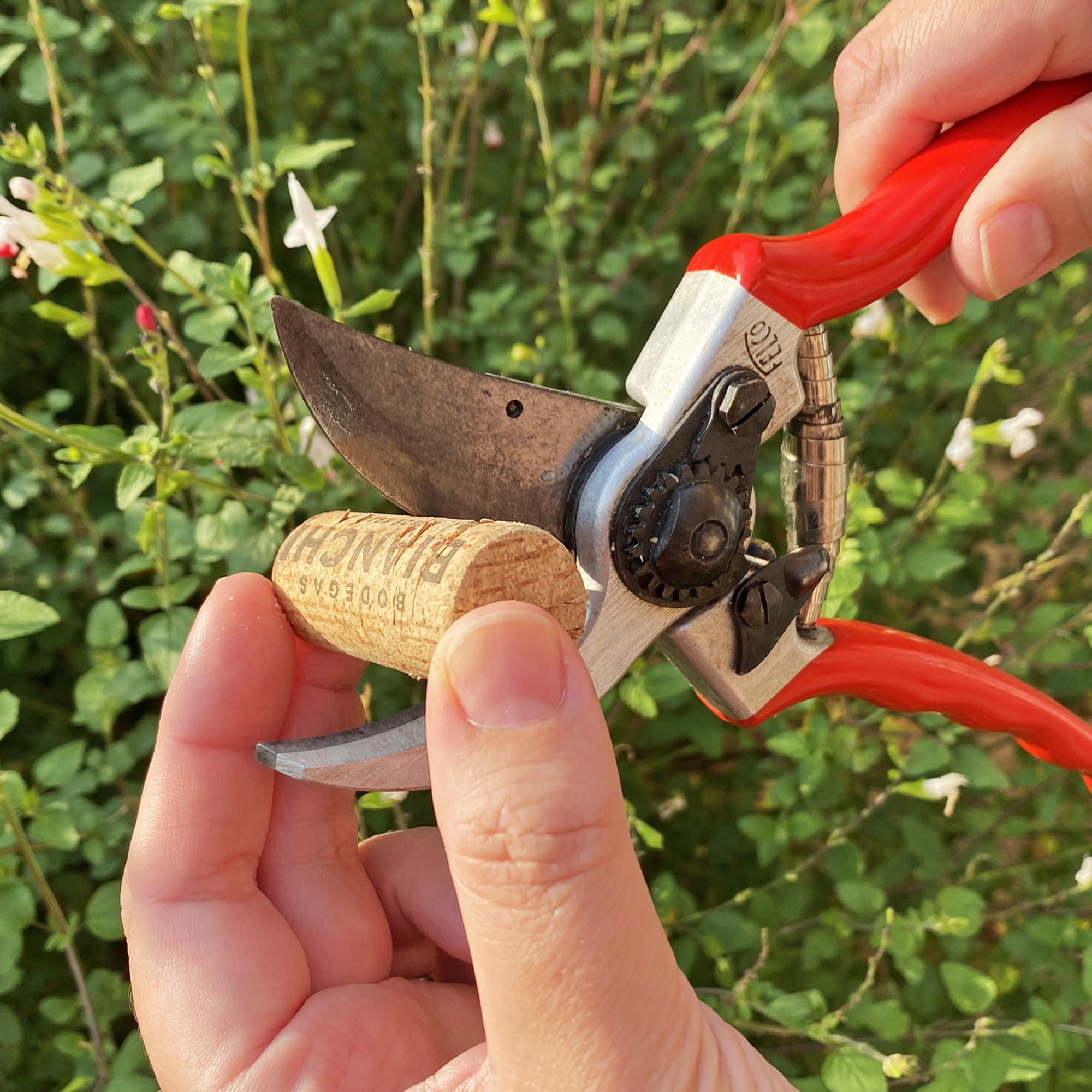
Sharpen the blades regularly to keep cutting power. Dull blades make cutting hard and damage branches.
Use a sharpening stone or file and follow the blade edge angle. Sharpen both sides evenly for best results.
- Clean blades before sharpening
- Hold blade angle steady while sharpening
- Sharpen each side equally
- Test sharpness by cutting a small branch
Troubleshooting Common Issues
Sharpening loppers for tough branches can be tricky. Some common problems may stop you from getting sharp blades.
Knowing how to fix these issues helps keep your loppers working well and lasting longer.
Blade Nicks And Chips
Blade nicks and chips happen when loppers cut hard materials or drop on the ground. These damage the cutting edge and make cutting harder.
Use a sharpening file or stone to smooth the nicks and chips. Work gently to avoid removing too much metal.
- Hold the blade steady while filing
- File in one direction, following the blade angle
- Check often to avoid over-filing
- Remove small chips before sharpening the whole blade
Loose Handles
Loose handles make it hard to cut and can be unsafe. Handles loosen from frequent use or weather changes.
Tighten any screws or bolts on the handles. If handles are wooden, use wood glue or clamps to fix cracks.
- Check handles for cracks or splits
- Tighten all fasteners securely
- Replace damaged handles if needed
- Keep handles dry to prevent swelling or shrinking
Rust Prevention
Rust weakens lopper blades and makes cutting slow. Keep blades clean and dry to stop rust.
After sharpening, wipe blades with oil or a rust-preventive spray. Store loppers in a dry place.
- Clean blades after each use
- Use a cloth to apply light oil
- Store loppers indoors or in a dry shed
- Check blades often for early rust spots
Credit: www.gardeningknowhow.com
Frequently Asked Questions
How Often Should I Sharpen Loppers For Tough Branches?
Sharpen loppers after every 10-15 uses or when cutting feels difficult. Regular sharpening ensures clean cuts and prevents damage.
What Tools Are Best For Sharpening Loppers?
A flat file or sharpening stone works best for loppers. These tools help maintain the blade’s edge efficiently and safely.
Can Sharpening Loppers Improve Cutting Performance?
Yes, sharpening loppers restores their cutting edge, making them more efficient. Sharp blades reduce effort and prevent crushing branches.
Should I Disassemble Loppers Before Sharpening?
Disassembling loppers is optional but recommended for thorough sharpening. It allows better access to blades and safer handling.
Conclusion
Sharpening loppers keeps your tools working well for tough branches. Regular sharpening makes cutting easier and safer. Use the right tools and follow simple steps for best results. Clean blades after sharpening to prevent rust. Store loppers in a dry place to keep them sharp longer.
Taking care of your loppers saves time and effort in the garden. Try these tips and enjoy smoother, cleaner cuts every time. Simple care goes a long way.