Are your woodworking projects suffering from rough edges and uneven surfaces? The secret to smooth, flawless finishes lies in sharp planer blades.
Dull blades can turn your crafting passion into a frustrating chore, leaving you with unsatisfactory results. But don’t worry! You’re about to discover how to breathe new life into your planer blades and elevate your woodworking skills. With our easy-to-follow guide, you’ll learn the art of sharpening your blades to perfection, ensuring your tools perform at their best.
Unlock the potential of your planer, and say goodbye to those imperfect cuts. Ready to transform your woodworking game? Let’s dive in!

Credit: rumbointerior.com
Tools Needed
Sharpening planer blades needs the right tools. Using proper tools makes blades sharp and safe to use.
This guide explains the essential tools and safety gear needed for sharpening planer blades.
Essential Sharpening Tools
You need specific tools to sharpen planer blades correctly. These tools help you get a clean, sharp edge.
- Sharpening stone or diamond stone for grinding the blade
- Honing guide to keep the blade angle steady
- Lubricant like water or oil for the sharpening stone
- Clamp or vise to hold the blade firmly
- Fine grit sandpaper for polishing the edge
- Soft cloth for cleaning the blade after sharpening
Safety Equipment
Safety gear protects you from injuries during sharpening. Always wear safety equipment to avoid accidents.
- Safety goggles to protect your eyes from metal shards
- Cut-resistant gloves to protect your hands from sharp edges
- Dust mask to avoid breathing fine particles
- Hearing protection if using power tools
Preparing The Blades
Sharpening planer blades starts with good preparation. Clean and remove the blades carefully.
Well-prepared blades make sharpening easier and safer. Take your time with each step.
Removing The Blades
Turn off and unplug your planer before removing the blades. This keeps you safe from accidents.
Use the right tools like a screwdriver or wrench. Loosen the screws or bolts that hold the blades.
- Wear gloves to avoid cuts from sharp edges.
- Keep track of all screws and bolts.
- Handle blades gently to prevent damage.
Cleaning The Blades
Remove dirt, resin, and pitch from the blades before sharpening. Clean blades sharpen better.
Use a soft cloth and a mild cleaning solution. Avoid harsh chemicals that can damage the blades.
- Apply cleaning solution to the cloth, not directly on blades.
- Wipe blades gently to remove buildup.
- Dry blades completely to stop rust.
Sharpening Techniques
Keeping planer blades sharp is important for smooth wood cuts. Sharp blades work better and last longer.
Several methods exist to sharpen blades. Each method suits different tools and skills.
Using A Bench Grinder
A bench grinder offers a fast way to sharpen planer blades. It uses a rotating stone wheel to grind the blade edge.
To sharpen with a bench grinder, hold the blade at the correct angle against the wheel. Move it steadily to avoid overheating.
- Clean the blade before sharpening.
- Wear safety glasses and gloves.
- Hold the blade firmly at the bevel angle.
- Move the blade slowly across the grinding wheel.
- Cool the blade in water often to prevent damage.
- Check sharpness and repeat if needed.
Hand Sharpening With A Whetstone
Hand sharpening with a whetstone is quiet and precise. It works well for small touch-ups or if you lack power tools.
Use water or oil on the whetstone to reduce friction. Slide the blade edge over the stone evenly at the right angle.
| Sharpening Angle | 20° to 25° |
| Stone Grit (Coarse) | 400 to 600 |
| Stone Grit (Fine) | 1000 to 3000 |
| Lubricant | Water or Oil |
Using A Sharpening Jig
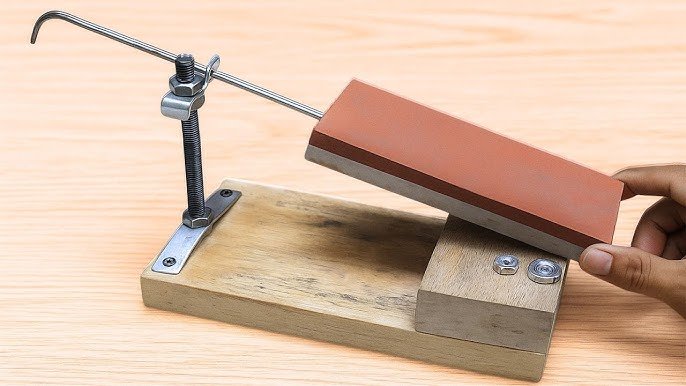
A sharpening jig holds the blade steady. It helps keep the correct angle for a uniform edge.
- Secure the blade in the jig tightly.
- Set the jig to the blade’s bevel angle.
- Use a sharpening stone or grinder along the jig guide.
- Move the blade evenly to sharpen all parts.
- Check the edge for sharpness before removing.

Credit: www.msn.com
Setting The Blade Angle
Setting the blade angle is key to sharpening planer blades. The angle affects how sharp and durable the blade will be.
Choosing the right angle helps the blade cut smoothly without damaging wood or the blade itself.
Determining The Correct Angle
The correct angle depends on your planer blade type and its use. Most blades have a factory angle to follow.
Check your blade’s manual or look for markings on the blade edge. These guide the sharpening angle.
- Standard planer blades usually have a 25 to 30-degree angle
- Blades for softer wood may use a steeper angle for better cutting
- Blades for hard wood often have a lower angle to keep sharp longer
Maintaining Consistency
Keep the angle steady as you sharpen. Inconsistent angles cause uneven edges and poor cuts.
Use a sharpening jig or guide to hold the blade at the right angle. This tool helps keep angles uniform.
- Mark the angle on your sharpening tool for quick setup
- Sharpen slowly and check the blade edge often
- Use the same angle on all blades to keep planer performance steady
Checking Blade Sharpness
Sharp planer blades are important for smooth wood surfaces. Dull blades cause rough cuts and damage wood.
Check blade sharpness before sharpening. This saves time and ensures better results.
Visual Inspection
Look closely at the blades under good light. Sharp blades have a clean, smooth edge without chips.
Dull blades often show nicks, dents, or rounded edges. Rust or discoloration can also mean dullness.
- Use a bright light or flashlight
- Check for small chips or cracks
- Look for shiny, sharp edges
- Note any rust or dark spots
Testing On Wood
Cut a small piece of wood with the planer. Sharp blades leave smooth, clean surfaces.
Dull blades cause tear-out and rough marks on the wood. The cut may feel harder to make.
- Use softwood for testing
- Run the planer on a small wood piece
- Check for smooth, clean cuts
- Feel if the planer moves easily

Credit: www.youtube.com
Reinstalling The Blades
After sharpening planer blades, you need to put them back correctly. Proper reinstalling keeps your planer safe and working well.
Take your time to make sure the blades fit right. This helps the planer cut smoothly and avoids damage.
Proper Alignment
Align the blades carefully with the planer’s cutter head. The blades must sit evenly to avoid uneven cuts.
Check that the blades do not stick out too far or sit too deep. Both cases can cause poor performance or injury.
- Place the blade so the edge is flush with the cutter head
- Use a straight edge or alignment tool for accuracy
- Make small adjustments until the blade sits evenly
Securing The Blades
Once the blades are aligned, tighten the screws or clamps firmly. Loose blades can shift and cause accidents.
Do not overtighten because it can damage the blade or the planer. Use the proper torque if your planer has a guide.
- Tighten screws evenly to keep blade level
- Check blade stability by gently trying to move it
- Recheck tightness after first use to ensure safety
Maintenance Tips
Keeping your planer blades sharp is key to smooth woodwork. Proper maintenance extends blade life and improves cuts.
Regular care helps avoid damage and keeps your planer working well every time.
Regular Cleaning
Clean planer blades after each use to remove resin, dust, and wood chips. This prevents buildup that dulls the blades.
- Use a soft brush to clear debris from blades and housing.
- Wipe blades with a cloth dampened with mineral spirits.
- Dry blades completely to avoid rust formation.
- Check for any nicks or damage while cleaning.
Storage Recommendations
Proper storage protects planer blades from moisture and impacts. Store blades safely when not in use.
| Storage Tip | Reason |
| Keep blades in a dry case | Prevents rust and corrosion |
| Store blades separately | Avoids damage from contact |
| Use blade guards or covers | Protects sharp edges |
| Place in a cool, dry area | Limits moisture exposure |
Frequently Asked Questions
How Often Should Planer Blades Be Sharpened?
Planer blades should be sharpened after every 8 to 10 hours of use. Frequent sharpening ensures clean, smooth cuts and prevents blade damage. Regular inspection helps identify dullness early, maintaining optimal performance and extending blade life.
What Tools Are Needed To Sharpen Planer Blades?
You need a sharpening stone or diamond file, a honing guide, and safety gloves. Some prefer bench grinders for faster results. Proper tools ensure precise blade angles and a sharp, durable edge for better planing results.
Can I Sharpen Planer Blades At Home?
Yes, you can sharpen planer blades at home with the right tools and technique. Ensure blades are clean, use consistent angles, and follow safety precautions. Home sharpening saves cost and keeps blades ready for smooth woodworking.
How Do I Maintain Planer Blades After Sharpening?
Clean blades thoroughly and store them in a dry place. Apply a light oil coat to prevent rust. Regularly check blade alignment and sharpen when needed to maintain performance and prolong blade lifespan.
Conclusion
Sharpening planer blades keeps your tools working well. Regular care saves time and money on repairs. Use the right steps for safe and sharp edges. Clean blades give smoother cuts and better results. Stay patient and practice for the best finish.
Your wood projects will look cleaner and more professional. Keep your blades sharp for easier, faster work. Small effort now means great results later. Simple habits make a big difference over time. Keep sharpening to enjoy better woodworking every day.