Are your woodworking projects not turning out as smooth as you’d like them to be? If your planer knives are dull, they might be the culprit.
But don’t worry—sharpening those blades can be easier than you think. Imagine the satisfaction of slicing through wood effortlessly, achieving that perfect finish every time. In this guide, you’ll discover the simple steps to bring your planer knives back to life.
By the end, you’ll be equipped with the knowledge to keep your tools in top shape, saving time, money, and frustration. Ready to unlock the secret to sharper tools and better projects? Let’s dive in.

Credit: factorydirectsupplyonline.com
Tools Needed
Sharpening planer knives requires the right tools. Using proper tools helps you get sharp, smooth blades safely.
This guide explains the main tools you need to sharpen planer knives effectively and safely.
Sharpening Stones
Sharpening stones are key for grinding and honing the planer knives. They come in different grit sizes.
Start with a coarse stone to remove nicks and dull edges. Use finer stones to smooth and polish.
- Coarse stone (around 220 grit) for rough sharpening
- Medium stone (around 1000 grit) for general sharpening
- Fine stone (3000 grit or higher) for polishing edges
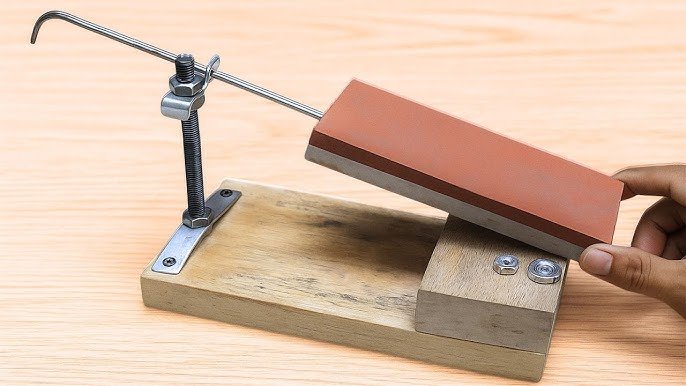
Honing Guide
A honing guide helps keep the knife at the right angle when sharpening. It makes sharpening easier and more accurate.
Using a honing guide reduces mistakes and helps you maintain a consistent edge on the planer knives.
- Clamps the knife securely
- Maintains a set sharpening angle
- Works with different stone grits
Safety Gear
Safety gear protects you while sharpening planer knives. Always wear protective items to avoid injury.
Proper safety gear includes gloves, eye protection, and sometimes a dust mask to keep you safe.
- Cut-resistant gloves to protect your hands
- Safety glasses or goggles to shield your eyes
- Dust mask if sharpening creates fine dust
Preparing The Planer
Sharpening planer knives starts with proper preparation. You need to remove the knives carefully and clean them well. This helps ensure a smooth sharpening process.
Taking time to prepare the planer properly will protect the blades and make your work easier. Let’s look at the steps for removing and cleaning the blades.
Removing The Knives
Always unplug the planer before removing the knives. Use the correct tools to avoid damage. Keep track of all screws and parts for reassembly.
- Turn off and unplug the planer.
- Locate the screws that hold the knives in place.
- Use a screwdriver or wrench to loosen the screws.
- Carefully slide out each knife from the planer.
- Place the knives on a clean surface for cleaning.
Cleaning The Blades
Cleaning the blades removes dirt and resin. Use a soft cloth and a mild cleaner. Avoid harsh chemicals that can damage the metal.
| Cleaning Tool | Purpose | Notes |
|---|---|---|
| Soft cloth | Remove dust and loose debris | Use dry or slightly damp cloth |
| Mild soap solution | Clean resin and sticky buildup | Apply gently, then wipe dry |
| Non-abrasive brush | Scrub tough spots | Use gently to avoid scratches |
| Protective gloves | Keep hands safe from sharp edges | Recommended during cleaning |
Sharpening Techniques
Sharpening planer knives keeps your tools working smoothly. Proper techniques improve cutting and extend blade life.
This guide covers key sharpening methods. Learn to use a whetstone, keep steady angles, and avoid common errors.
Using A Whetstone
A whetstone is a simple tool for sharpening knives. It has a rough side and a fine side.
Start by soaking the whetstone in water for about 10 minutes. This helps the stone work better.
- Place the blade flat against the rough side.
- Move the knife in a smooth, circular motion.
- Sharpen both sides evenly.
- Switch to the fine side to finish the edge.
- Wipe the blade clean after sharpening.
Applying Consistent Angles
Keeping the same angle while sharpening is very important. It keeps the edge sharp and balanced.
Use a guide or marker to hold the blade steady. Most planer knives need a 25 to 30-degree angle.
| Knife Type | Recommended Angle |
|---|---|
| Planer Knife | 25° – 30° |
| Chisel | 30° – 35° |
| Utility Knife | 20° – 25° |
Avoiding Common Mistakes
Many people sharpen planer knives wrong. Avoid these mistakes for better results.
- Do not use too much pressure on the blade.
- Never sharpen only one side of the knife.
- Avoid skipping the fine grit stage.
- Do not sharpen a blade with deep chips without fixing them first.
- Keep your whetstone clean and flat.

Credit: www.msn.com
Honing For A Razor Edge
Sharp planer knives make clean cuts and improve your work. Honing these knives keeps them sharp without removing too much metal.
Honing creates a smooth, razor-sharp edge that lasts longer. It helps fix small dull spots and prepares the blade for polishing.
Selecting The Right Honing Stone
Choose a honing stone that matches your knife’s steel type and condition. A good stone will sharpen without damaging the blade.
Coarse stones remove metal fast but can leave scratches. Fine stones polish the edge and refine sharpness.
- Use a 1000 to 3000 grit stone for regular honing
- Choose a 4000 to 8000 grit stone for fine honing
- Diamond stones work well for hard steel
- Water or oil stones require the correct lubricant
Polishing The Bevel
After honing, polish the bevel to remove burrs and sharpen the edge. Polishing makes the blade smooth and very sharp.
Use a very fine stone or a leather strop for polishing. Move the blade gently and keep the angle steady.
- Keep a consistent angle to avoid dull spots
- Use light pressure to polish, not cut
- Polish both sides evenly
- Finish with a leather strop for best results
Reinstalling And Testing
After sharpening your planer knives, reinstalling them correctly is vital. This ensures the blades work safely and cut smoothly.
Testing the knives after installation helps find any problems early. It also confirms the planer works as expected.
Proper Blade Alignment
Align the blades so they sit evenly on the cutter head. Uneven blades cause rough cuts and damage the wood.
Use a straight edge or a blade setting jig to check the blade height. Make small adjustments until all blades are level.
- Remove old blades carefully
- Place new blades on cutter head
- Use a straight edge to check alignment
- Adjust blade screws slowly and evenly
- Tighten screws firmly after alignment
Checking For Smooth Operation
Turn the planer on at low speed to check how the blades move. Listen for strange noises or vibrations.
Make sure the blades cut wood cleanly without chatter or tear-out. Stop the machine if you see any problems.
- Start planer on low power
- Watch blade rotation for wobbling
- Listen for unusual sounds
- Test cut a scrap piece of wood
- Adjust blade height if needed
Maintenance Tips
Keeping your planer knives sharp is important for good work and safety. Regular care helps your tools last longer.
This guide shares simple tips on how to inspect and store your blades properly.
Regular Inspection
Check your planer knives often for damage and dull spots. Look closely at the edges for chips or cracks.
Inspecting helps you find problems early and sharpen blades before they cause poor cuts or accidents.
- Remove dust and wood chips before checking
- Use good light to see small marks
- Look for uneven edges or rust
- Note any blade wobble or looseness
Storing Blades Safely
Store planer knives in a dry place to stop rust. Keep them where blades won’t touch hard surfaces or each other.
Proper storage protects the sharp edges and makes it safe to handle the blades later.
- Wrap blades in cloth or paper
- Use plastic blade guards if available
- Keep blades in a toolbox or case
- Store in a low-humidity area

Credit: www.youtube.com
Frequently Asked Questions
How Often Should Planer Knives Be Sharpened?
Planer knives should be sharpened when they show dullness or tear-out on wood surfaces. This varies by usage but typically after 8-12 hours of continuous use.
What Tools Are Needed To Sharpen Planer Knives?
You need a sharpening stone or diamond file, safety gloves, and a flat surface. Optional tools include a honing guide for precise angles.
Can I Sharpen Planer Knives Without Removing Them?
Yes, you can sharpen planer knives in place using a honing guide or sharpening stone carefully, but removing them ensures a more accurate sharpening.
What Is The Correct Angle To Sharpen Planer Knives?
The correct sharpening angle for planer knives is usually between 25 to 30 degrees. Follow manufacturer guidelines for best results.
Conclusion
Sharpening planer knives keeps your tools working well and your wood smooth. Regular care saves time and money by avoiding dull cuts. Use the right tools and follow safe steps every time. Keep checking your knives to know when they need sharpening again.
Sharp blades mean better results and less effort for your projects. Stay patient and practice to get the best edge. Your work will look cleaner, and you will enjoy the process more. Simple habits make a big difference in woodworking success.