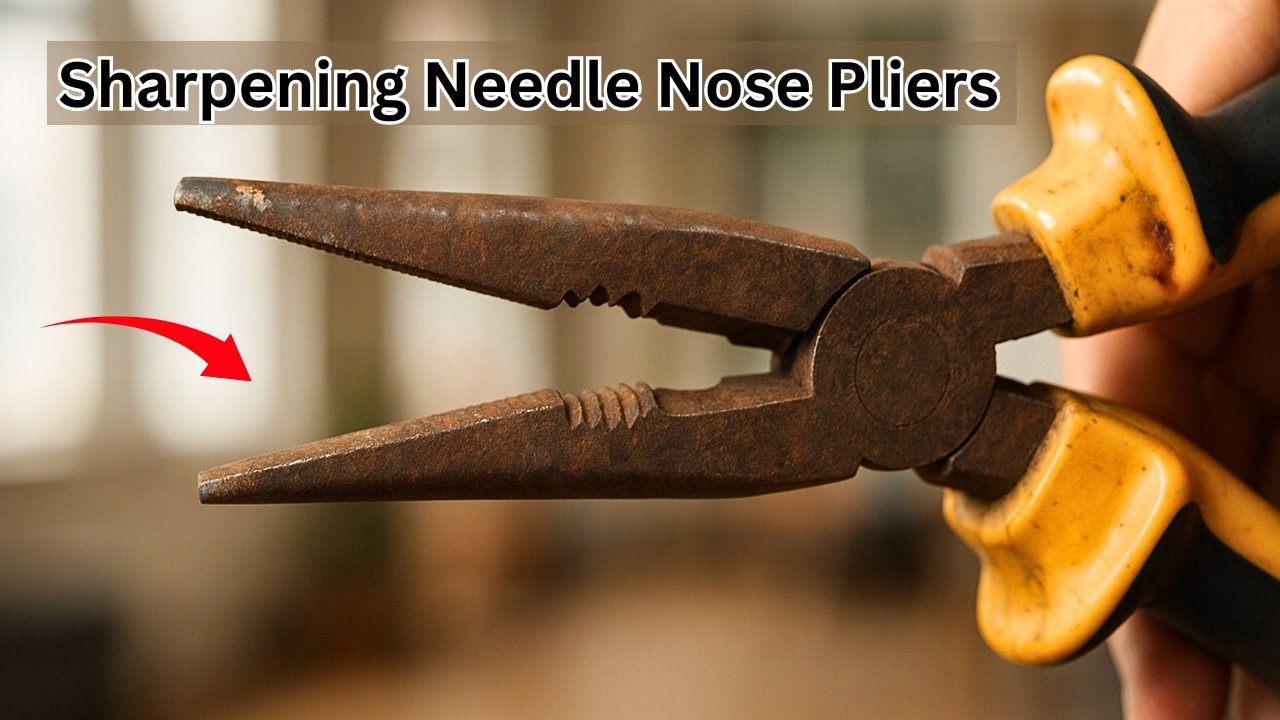
Are your pliers not gripping like they used to? Dull edges can make simple tasks frustrating and slow you down.
But what if you could restore your pliers to sharp, reliable condition in just a few easy steps? You’ll discover how to sharpen your pliers quickly and safely, so they work like new again. Keep reading, and you’ll save money, boost your tool’s performance, and tackle every project with confidence.
Choosing The Right Pliers
Sharpening pliers helps keep them useful and safe. Not all pliers can be sharpened. Pick pliers that fit your needs and sharpening skills.
Good pliers last longer and work better after sharpening. Knowing which types and materials are best helps you choose the right pliers.
Types Suitable For Sharpening
Not all pliers need or can be sharpened. Cutting pliers and needle-nose pliers are common types to sharpen. These tools cut wires and small items.
Slip-joint pliers and locking pliers are less common for sharpening. They usually do not have sharp edges. Focus on tools made for cutting.
- Cutting pliers
- Needle-nose pliers
- Diagonal pliers
- Wire cutters (often part of pliers)
Material Considerations
Pliers made of hardened steel are best for sharpening. Soft metals wear out quickly and do not hold a sharp edge. Hardened steel keeps the edge longer.
Check the pliers for rust or damage before sharpening. Clean and repair if needed. Good material helps sharpening work better and lasts longer.
- Hardened steel is ideal
- Avoid soft metals or rusted tools
- Clean pliers before sharpening
- Check for cracks or damage
Tools Needed For Sharpening
Sharpening pliers requires the right tools to work safely and effectively.
Using proper equipment helps maintain the tool’s edge and extends its life.
Files And Sharpeners
You need files or sharpeners designed for metal to sharpen pliers well.
- Flat metal file for straight edges
- Needle file for small or curved areas
- Diamond file for hard metals
- Sharpening stone for smooth finish
- Rotary tool with grinding bit for quick sharpening
Safety Equipment
Wear safety gear to protect yourself during sharpening.
| Item | Purpose |
| Safety glasses | Protect eyes from metal filings |
| Gloves | Shield hands from sharp edges |
| Dust mask | Prevent inhaling metal dust |
| Apron | Keep clothes clean and protect skin |
Preparing Pliers For Sharpening
Before sharpening pliers, get them ready for the best results. Proper preparation helps the sharpening process go smoothly.
Cleaning and checking your pliers first keeps you safe and protects the tool from damage.
Cleaning And Inspection
Clean the pliers to remove dirt, grease, and rust. Use a wire brush or cloth with some oil. This makes it easier to see any damage.
- Wipe the handles and jaws thoroughly.
- Use a rust remover if needed.
- Look for cracks or chips on the jaws.
- Check the joint for smooth movement.
Inspecting the pliers helps you decide if sharpening is possible or if replacement is needed.
Securing The Pliers
Hold the pliers firmly before sharpening. This keeps the tool steady and protects your hands.
| Method | Description |
| Clamp in a Vise | Use a bench vise to hold the pliers by the handle. |
| Use a Clamp | Apply a clamp on a flat surface to secure the pliers. |
| Hand Hold | Grip the pliers firmly with gloves if a clamp is not available. |

Credit: www.youtube.com
Sharpening Techniques
Keeping pliers sharp helps them work better and last longer. You can sharpen pliers using different tools. Each method fits different needs and skill levels.
Read on to learn about using a metal file, a sharpening stone, and electric sharpeners. These techniques make your pliers cut cleanly and grip firmly.
Using A Metal File
A metal file is a simple tool for sharpening pliers. It removes small metal bits from the edges to make them sharp again.
- Hold the pliers firmly in a clamp or vise.
- Use a flat or round metal file, depending on the pliers’ edge shape.
- File the cutting edges at a consistent angle, usually about 20 degrees.
- Make smooth, even strokes along the edge to remove burrs and rough spots.
- Check the sharpness by gently touching the edge or testing on soft wire.
Applying A Sharpening Stone
Sharpening stones provide a finer finish than files. They help polish the pliers’ edges and keep them sharp longer.
| Type of Stone | Description | Use |
| Coarse | Rough surface for heavy sharpening | Remove large nicks or reshape edges |
| Medium | Smoother than coarse | Sharpen dulled edges |
| Fine | Very smooth surface | Polish edges for a sharp finish |
To use a sharpening stone, wet it with water or oil. Rub the pliers’ edges against the stone at the correct angle. Use smooth, circular motions for best results.
Electric Sharpeners
Electric sharpeners save time and effort. They have rotating wheels that grind the pliers’ edges quickly and evenly.
- Secure the pliers so they do not move during sharpening.
- Turn on the sharpener and gently press the pliers’ edge against the wheel.
- Move the pliers steadily to avoid overheating or uneven sharpening.
- Check sharpness often to prevent over-sharpening.
- Wear safety goggles and gloves for protection.
Finishing Touches
After sharpening pliers, the final steps make sure they work well. These touches help the tool last longer.
Focus on removing burrs and testing sharpness. Both are important for smooth, safe use.
Removing Burrs
Burrs are tiny rough edges left after sharpening. They can cause cuts or damage the tool.
Use a fine file or sandpaper to smooth these edges. Work gently to avoid removing too much metal.
- Hold the pliers firmly in a clamp or vise
- Lightly file the edges where burrs appear
- Use fine-grit sandpaper to polish the surface
- Wipe the pliers clean to remove metal dust
Testing The Sharpness
Check if the pliers are sharp enough for your tasks. Sharp jaws grip better and cut cleanly.
Try cutting a wire or gripping a small object. The pliers should hold firmly without slipping.
- Cut a piece of thin wire with the pliers
- Check if the cut is clean and smooth
- Grip a small bolt or nail to test hold
- If slipping occurs, sharpen and remove burrs again

Credit: www.reddit.com
Maintenance Tips
Keeping your pliers sharp helps them work better and last longer. Simple maintenance steps can prevent damage and rust.
Regular care makes sharpening easier and keeps the tool safe to use. Follow these tips to protect your pliers.
Regular Cleaning
Clean your pliers after each use to remove dirt, grease, and moisture. This stops rust and keeps the blades sharp.
- Use a dry cloth to wipe off dust and dirt.
- For sticky grime, use mild soap and warm water.
- Dry thoroughly to avoid rust formation.
- Apply a light oil to the joint and blades.
- Check for rust spots and remove them with fine sandpaper.
Proper Storage
Store pliers in a dry place to prevent moisture damage. Proper storage also protects the edges from dulling.
| Storage Method | Benefit |
| Toolbox with compartments | Keeps pliers separated and prevents scratches |
| Hang on a pegboard | Allows air circulation and easy access |
| Use blade covers | Protects sharp edges from damage |
| Keep away from moisture | Prevents rust and corrosion |

Credit: www.youtube.com
Frequently Asked Questions
How Often Should You Sharpen Pliers For Best Performance?
Sharpen pliers when they become dull or less effective. Regular sharpening ensures clean cuts and prevents tool damage. Inspect edges monthly if used frequently. Proper maintenance extends pliers’ life and improves safety during use.
What Tools Are Needed To Sharpen Pliers Properly?
You need a fine metal file, sharpening stone, or diamond file. A clamp or vise helps secure the pliers. Cleaning materials like a wire brush remove rust before sharpening. Always wear safety glasses to protect your eyes.
Can All Types Of Pliers Be Sharpened Safely?
Most cutting pliers and wire cutters can be sharpened. Slip-joint and needle-nose pliers generally do not require sharpening. Avoid sharpening if pliers have hardened or coated edges, as this may damage them.
How To Maintain Pliers After Sharpening To Stay Sharp?
Clean pliers after each use to remove debris and moisture. Apply a light oil coating to prevent rust. Store pliers in a dry place and use protective covers if available. Regular maintenance keeps the edges sharp longer.
Conclusion
Sharpening pliers can seem tricky but is quite simple. Follow the steps, and your pliers will work like new. Always prioritize safety when handling sharp tools. Regular maintenance keeps your tools in top shape. Clean them after use to avoid rust.
Use the right sharpening tools for the best results. Practice makes perfect, so don’t worry if it’s not perfect first time. Enjoy the satisfaction of maintaining your tools yourself. With time, this will become second nature. Happy sharpening!