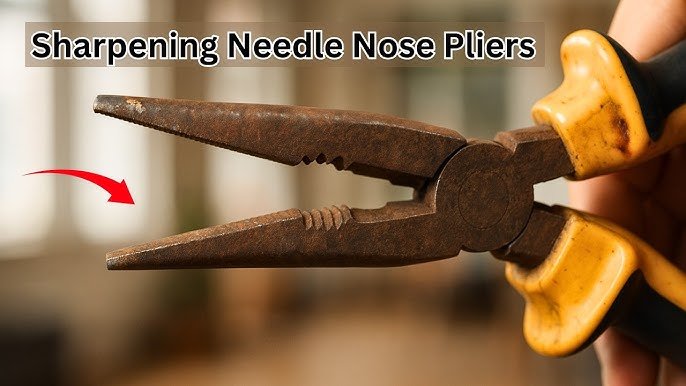
Are your pliers not gripping as tightly as they used to? When your tools lose their edge, your work can become frustrating and less precise.
But you don’t have to replace them just yet. Sharpening your pliers can bring back their accuracy and make every task easier. You’ll learn simple, effective steps to sharpen your pliers for precision. By the end, your tools will feel almost brand new, helping you finish your projects faster and with better results.
Ready to take control of your tools and improve your work? Let’s get started.

Credit: www.youtube.com
Choosing The Right Pliers
Picking the right pliers is key for sharp and precise work. Not all pliers are good for sharpening.
Knowing the right types helps you keep your tools sharp and lasts longer.
Types Suited For Sharpening
Some pliers have cutting edges that can be sharpened. Needle-nose pliers and diagonal cutters are common examples.
These pliers need sharp edges to cut wires or small objects with precision.
- Needle-nose pliers: good for fine work and bending wire
- Diagonal cutters: used for cutting wires cleanly
- Linesman pliers: have cutting edges that can be sharpened
- Wire cutters: designed specifically for cutting and sharpening well
Material Considerations
Materials affect how well pliers hold their sharp edge. Hardened steel is best for sharpening.
Soft metals or coated pliers may not sharpen well or could get damaged.
- Hardened steel: holds edge well and sharpens easily
- Stainless steel: rust-resistant but may be harder to sharpen
- Coated pliers: coatings can wear off when sharpening
- Soft metals: dull quickly and may not sharpen cleanly
Tools Needed For Sharpening
Sharpening pliers for precision needs the right tools. Using good tools helps keep the edges sharp and accurate.
This guide covers the essential tools you need to sharpen pliers well and safely.
Files And Sharpening Stones
Files and sharpening stones are basic tools for hand sharpening. They help remove small amounts of metal to restore sharp edges.
- Needle files for fine, detailed work on plier edges
- Flat files for straight edges and larger surfaces
- Diamond sharpening stones for hard metals and smooth finishes
- Oil stones to lubricate and reduce friction during sharpening
Power Tools Options
Power tools speed up sharpening but need careful handling. Choose tools that offer good control and precision.
| Tool | Use | Tip |
| Rotary Tool with Grinding Bit | Sharpen small edges and curves | Use low speed to avoid overheating |
| Bench Grinder | Sharpen larger pliers quickly | Use a fine grinding wheel for precision |
| Belt Sander | Refine edges and smooth surfaces | Keep a steady hand for even sharpening |
Safety Gear Essentials
Wearing safety gear protects you from metal shards and dust during sharpening. Always use proper protection.
- Safety glasses or goggles to protect eyes
- Gloves to protect hands from sharp edges and heat
- Dust mask to avoid breathing metal dust
- Hearing protection if using loud power tools
Preparing Pliers For Sharpening
Sharpening pliers requires careful preparation. Clean and check them first to ensure good results.
This guide covers how to clean, inspect, and secure your pliers before sharpening.
Cleaning And Inspection
Remove dirt and rust from your pliers using a wire brush or cloth. Check the jaws and cutting edges for damage.
- Use warm soapy water to clean grease and grime.
- Dry thoroughly to avoid rust.
- Look for cracks or deep nicks on the jaws.
- Test the movement to ensure smooth opening and closing.
Securing The Pliers
Hold the pliers firmly to sharpen them safely and evenly. Use a vise or clamp to keep them steady.
| Tool | Purpose |
| Bench Vise | Holds pliers firmly without slipping |
| Clamp | Secures pliers on a workbench edge |
| Protective Gloves | Protects hands during sharpening |

Credit: www.amazon.ca
Sharpening Techniques
Sharpening pliers helps keep their jaws precise and effective. Proper techniques protect the tool and improve performance.
Using the right method ensures the pliers stay sharp longer. Focus on careful filing, angle maintenance, and edge refinement.
Filing The Jaws
Start by cleaning the pliers’ jaws to remove dirt. Use a fine metal file to sharpen the gripping edges slowly. File in one direction to avoid damage.
- Hold the pliers firmly in a vice or clamp.
- Use a flat file for flat jaw surfaces.
- Apply light pressure and move the file away from you.
- Sharpen both jaws equally for balanced grip.
- Check progress often to avoid over-filing.
Maintaining The Original Angle
Keep the filing angle consistent with the original edge. This angle usually ranges between 20 to 30 degrees. Maintaining it prevents weakening the jaws.
| Tool Part | Recommended Angle |
| Flat Jaws | 20 degrees |
| Curved Jaws | 25 degrees |
| Cutting Edges | 30 degrees |
Achieving A Fine Edge
After filing, smooth the edge using a fine-grit sharpening stone. This removes burrs and polishes the surface. Finish by wiping the jaws clean and applying light oil to prevent rust.
Tips for a fine edge:
- Use water or oil on the sharpening stone for better results.
- Sharpen with gentle circular motions.
- Check the edge under light for uniform sharpness.
- Keep the tool clean after sharpening.
Polishing And Finishing
Polishing and finishing pliers after sharpening improve their performance. This process removes tiny rough spots and smooths the metal surface. Proper finishing helps pliers grip better and last longer.
Use simple tools and techniques to give your pliers a clean, sharp look. Polishing also protects the metal from rust and wear.
Smoothing Rough Edges
After sharpening, check the edges of the pliers for any burrs or rough spots. Smooth these areas to avoid damage to materials and hands.
- Use a fine-grit sandpaper or a small metal file to gently smooth edges.
- Work slowly to keep the edge even and avoid changing the shape.
- Wipe the pliers clean with a soft cloth to remove metal dust.
- Apply a light coat of oil to protect the metal surface.
Testing Precision And Grip
Testing your pliers ensures they work well after sharpening and finishing. Check the grip and precision to confirm the tool’s quality.
| Test | What to Check | Result |
| Grip Test | Hold a small object firmly | Object should not slip |
| Precision Test | Cut a thin wire or strip | Clean and straight cut |
| Edge Check | Look for smooth, sharp edges | No rough spots or burrs |
Credit: japonesque.com
Maintenance Tips For Longevity
Keeping your pliers sharp and in good condition helps them last longer. Proper care prevents damage and keeps the tool working well. Simple maintenance can save money and effort in the future.
Below are some key tips to maintain your pliers for precise work and long-lasting use.
Regular Cleaning
Clean your pliers after each use to remove dirt and grease. This prevents rust and keeps the tool’s edges clear for sharpening. Use a cloth and mild detergent if needed. Dry them completely before storing.
- Wipe off debris with a dry cloth
- Use a brush for hard-to-reach areas
- Apply a light oil layer to stop rust
- Remove old grease with mild soap
Proper Storage
Store pliers in a dry place to avoid moisture damage. Use a toolbox or drawer with compartments to keep them separate from other tools. Avoid dropping or crushing them to protect the sharp edges.
| Storage Tip | Reason |
| Dry toolbox or drawer | Prevents rust and corrosion |
| Separate compartments | Protects sharp edges from damage |
| Keep away from chemicals | Avoids corrosion and weakening |
| Store with tool covers | Prevents accidental dulling |
Periodic Re-sharpening
Sharpen your pliers regularly to keep the tips precise. Use a fine file or sharpening stone. Follow these steps for safe and effective sharpening.
- Clamp the pliers firmly in a vise.
- Use a fine file at a consistent angle.
- Work in one direction to avoid dulling.
- Check sharpness often during the process.
- Wipe the tool clean after sharpening.
Common Mistakes To Avoid
Sharpening pliers for precision work needs care. Avoid mistakes that reduce tool life or cause injury.
Knowing common errors helps you keep pliers sharp and safe. Focus on proper technique and safety.
Over-sharpening
Sharpening pliers too much can make the edges thin and weak. This reduces their strength and breaks the tool.
Only sharpen enough to restore the edge. Too much grinding wastes time and damages the pliers.
- Use light pressure while sharpening
- Check edges often to avoid over-sharpening
- Stop once edges are clean and sharp
- Avoid changing the original shape of the jaws
Ignoring Safety Precautions
Sharpening tools can cause sparks and flying metal bits. Not using safety gear risks injury.
Always wear goggles and gloves. Work in a clean area with good lighting to stay safe.
- Wear safety glasses to protect your eyes
- Use gloves to protect hands from cuts
- Keep your workspace tidy and well lit
- Secure pliers firmly before sharpening
Frequently Asked Questions
How Often Should I Sharpen Pliers For Precision Work?
Sharpen pliers when you notice dull edges or decreased grip. Regular checks every few months keep them effective. Proper maintenance ensures clean cuts and accurate handling during detailed tasks.
What Tools Do I Need To Sharpen Pliers Effectively?
Use a fine file, sharpening stone, or diamond file for best results. These tools help restore sharp edges without damaging the pliers. Always clean the pliers before and after sharpening.
Can Sharpening Pliers Improve Their Lifespan?
Yes, sharpening removes nicks and dullness that reduce performance. Maintaining sharp edges prevents excessive force and wear. Proper care extends pliers’ durability and precision over time.
Is It Safe To Sharpen Pliers At Home?
Yes, with proper tools and safety precautions, sharpening is safe. Wear protective gloves and eye protection to prevent injuries. Follow step-by-step guides to avoid damaging the tool or yourself.
Conclusion
Sharpening pliers boosts their precision and lifespan. It’s a simple task. With practice, you can do it confidently. Gather the right tools before starting. Always prioritize safety during sharpening. Regular maintenance ensures optimal performance. Sharpened pliers make every job easier.
They grip better and cut cleaner. This saves time and effort. Keep your tools in top condition. A little care goes a long way. Now, you’re ready to handle any task with sharp pliers. Happy fixing!