
Are your pruning shears struggling to make a clean cut? Over time, even the best tools can become dull, making your gardening tasks harder and less effective.
But don’t worry! You don’t need to buy a new pair just yet. Learning how to sharpen pruning shears can save you time, money, and effort while ensuring your plants get the precise care they deserve. Imagine the satisfaction of slicing through branches effortlessly, making your gardening experience more enjoyable and productive.
Stick with us, and you’ll discover simple techniques to keep your shears in top shape. Ready to transform your gardening toolkit? Let’s dive into the practical steps that will give your pruning shears a new lease on life.
Credit: www.gardeningknowhow.com
Choosing The Right Tools
Sharpening pruning shears needs the correct tools. Picking good tools makes the job easier and safer.
Use tools designed for sharpening blades. Avoid tools that can damage the shears.
Essential Sharpening Tools
You need a few basic tools to sharpen pruning shears well. Each tool has a special job.
- Sharpening Stone:A fine or medium grit stone smooths and sharpens the blade edges.
- Diamond File:Good for quick touch-ups and harder blades.
- Honing Oil:Helps the stone cut smoothly and keeps dust down.
- Cleaning Brush:Removes dirt and rust before sharpening.
- Cloth:For wiping blades clean after sharpening.
Safety Gear To Use
Safety gear protects you while sharpening. Use the right gear to avoid injury.
| Gear | Purpose |
| Protective Gloves | Protect hands from cuts and scrapes |
| Safety Glasses | Shield eyes from metal shards or dust |
| Dust Mask | Prevent inhaling dust from sharpening stones |
| Apron | Keep clothes safe from oil and dirt |
Preparing Your Shears
Before sharpening pruning shears, it is important to prepare them properly. This helps you sharpen the blades evenly and safely.
Cleaning and disassembling the shears makes the sharpening process easier and more effective.
Cleaning The Blades
Remove dirt, sap, and rust from the blades before sharpening. Clean blades sharpen better and last longer.
Use a damp cloth or sponge with warm, soapy water to wipe the blades. Dry them well to avoid rust.
- Wear gloves to protect your hands.
- Use a soft brush to remove stuck debris.
- Apply a little rubbing alcohol to remove sap.
- Dry blades thoroughly after cleaning.
Disassembling For Better Access
Take apart the pruning shears if possible. This gives you better access to the blades for sharpening.
Disassembling also helps you clean hard-to-reach areas and check for damage.
- Find the screw or bolt holding the blades together.
- Use a screwdriver or wrench to remove it carefully.
- Keep all parts in a safe place to avoid losing them.
- Note how the blades fit together for easy reassembly.
Sharpening Techniques
Keeping pruning shears sharp makes cutting easier and cleaner. Sharpening tools regularly extends their life and improves your garden work.
There are several ways to sharpen pruning shears. Each technique uses different tools and steps.
Using A Sharpening Stone
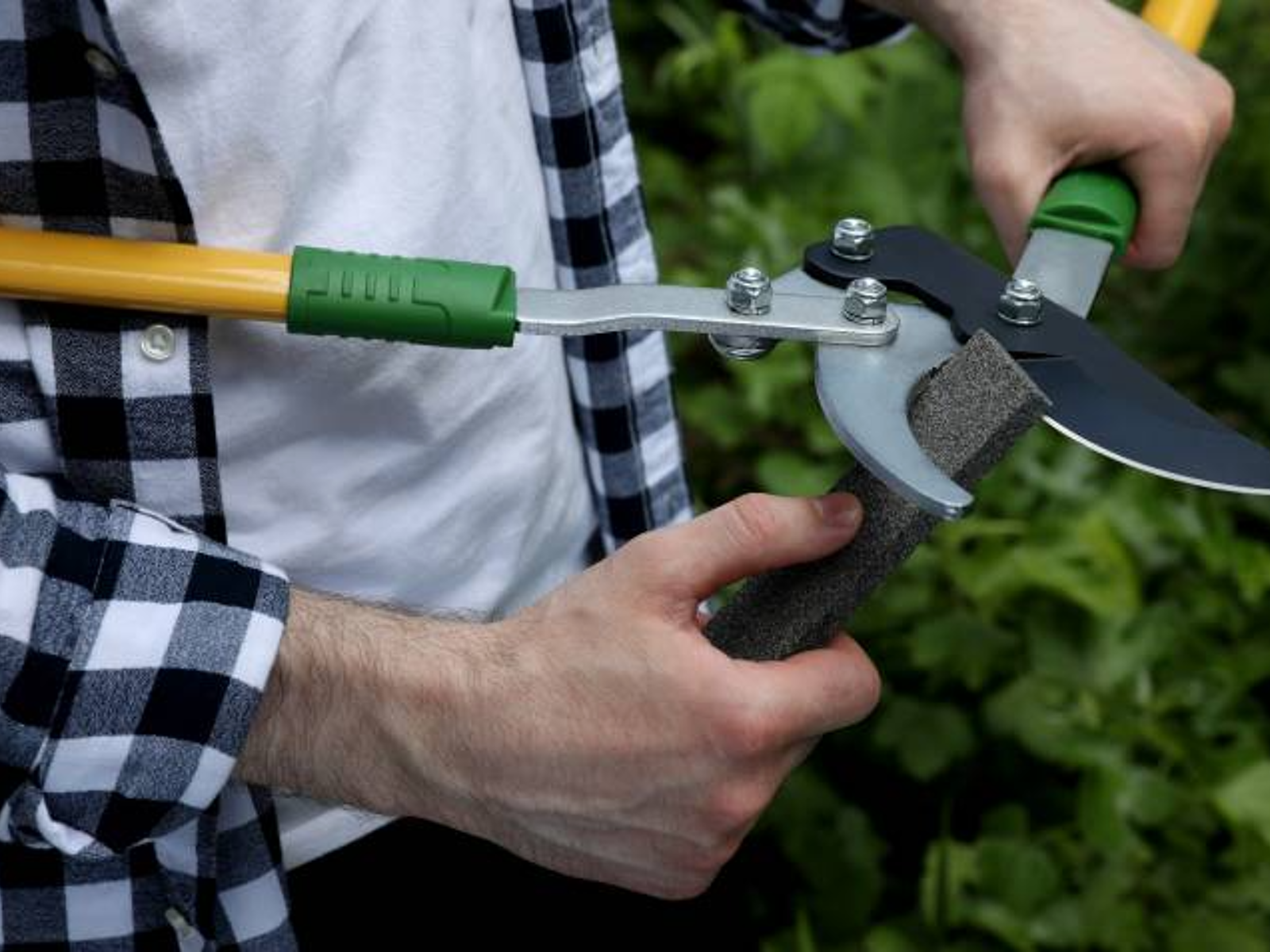
A sharpening stone removes small amounts of metal to create a sharp edge. Use a fine or medium grit stone for pruning shears.
First, clean the blades. Hold the stone at a 20-degree angle. Move it in one direction along the blade edge. Repeat until the blade is sharp.
- Clean blades before sharpening
- Keep stone angle steady
- Sharpen each blade side evenly
- Wipe blades after sharpening
Employing A Diamond File
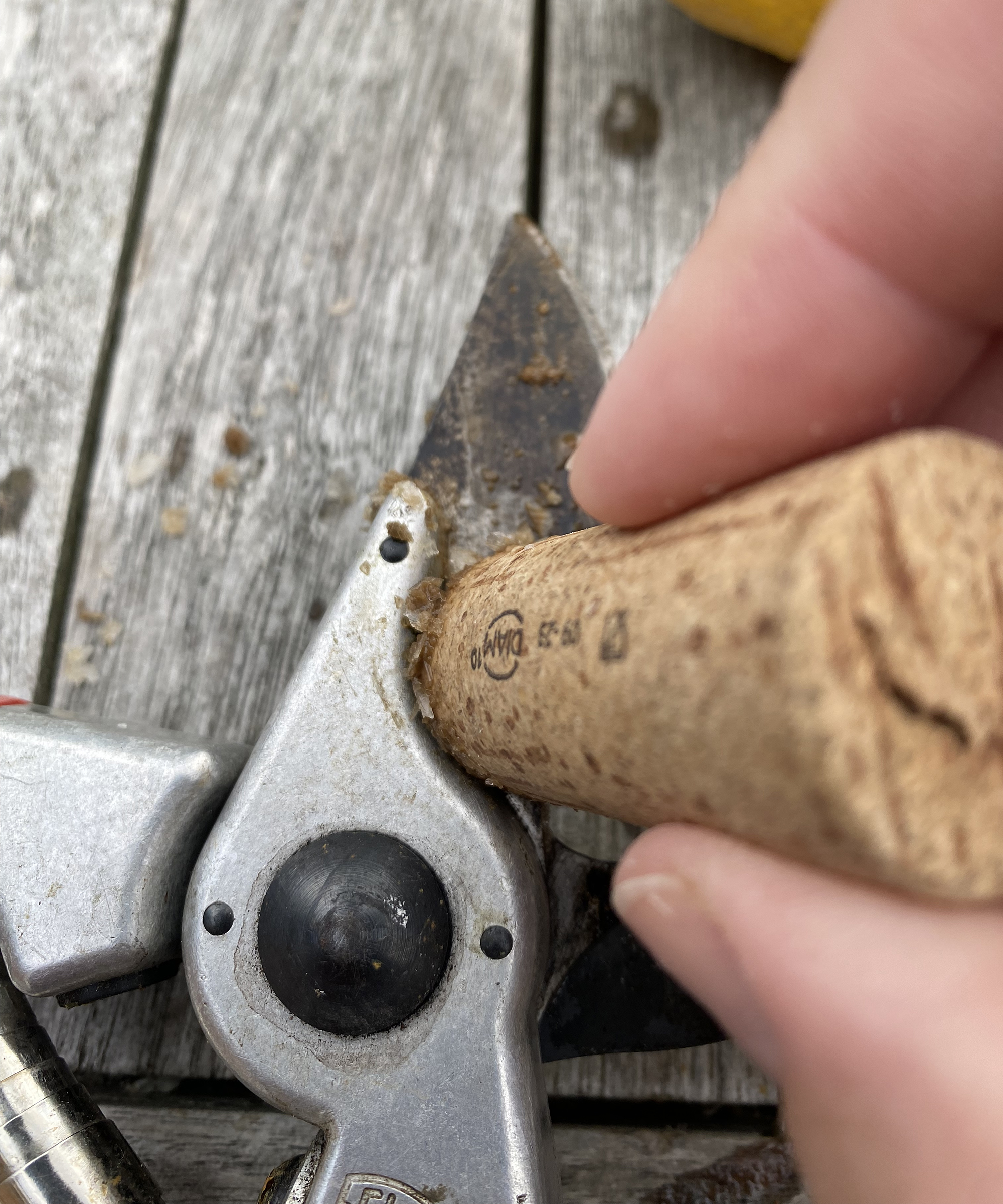
A diamond file works well on tough or very dull blades. It has a rough surface that cuts metal quickly.
Hold the file at the same angle as the blade’s bevel. Push the file away from you along the edge. Use light pressure and repeat several times.
- Use consistent angle around 20 degrees
- File away from your body
- Check sharpness often
- Clean debris from blade after filing
Alternative Methods
You can also use other tools like a whetstone, a rotary tool, or sandpaper. Each tool needs care to avoid damaging blades.
Use a whetstone like a sharpening stone but soak it in water first. A rotary tool with a sharpening bit works fast but needs steady hands. Sandpaper works by rubbing the blade edge until sharp.
- Whetstone: soak before use
- Rotary tool: use low speed and steady hands
- Sandpaper: use fine grit and gentle strokes
- Always clean blades after sharpening

Credit: www.youtube.com
Maintaining The Edge
Keeping pruning shears sharp makes cutting easier and safer. A sharp edge helps plants heal faster.
Regular care stops the blade from becoming dull. This saves time and effort in the garden.
Regular Honing Tips
Honing the blade often keeps the edge smooth and sharp. Use a sharpening stone or a diamond file.
Hold the blade at a 20-degree angle to the stone. Move it in one direction, away from the edge.
- Clean the blade before honing
- Use light, even strokes
- Check the edge with your fingernail
- Wipe the blade after sharpening
Proper Storage Practices
Store pruning shears in a dry place to stop rust. Keep them closed and locked if possible.
Use a sheath or wrap to protect the blade. Avoid leaving shears outside or in damp areas.
- Clean and dry shears before storage
- Apply a thin coat of oil to the blade
- Keep shears away from children and pets
- Check stored tools regularly for rust or damage
Troubleshooting Common Issues
Sharpening pruning shears can be simple, but some problems may occur. Knowing how to fix these issues saves time and effort.
This guide covers common problems like rust and misaligned blades. You will learn easy ways to solve them.
Dealing With Rust
Rust can make pruning shears hard to use and dull the blades quickly. Removing rust is key to good sharpening.
- Use steel wool or a wire brush to scrub rust off the blades.
- Apply white vinegar or lemon juice to the rusty area and let it sit for 10 minutes.
- Wipe the blades clean with a dry cloth after soaking.
- Use a sharpening stone to smooth the blade edges once rust is removed.
- Apply a light coat of oil to the blades to prevent future rust.
Fixing Misaligned Blades
Misaligned blades cause poor cutting and can damage plants. Realigning them improves cutting performance.
| Problem | Cause | Fix |
| Blades not closing evenly | Loose pivot bolt | Tighten the pivot bolt with a wrench |
| One blade sits higher | Bent blade | Gently bend blade back using pliers |
| Blades rub against each other | Blade misalignment | Loosen bolt, adjust blade position, then retighten |
Credit: www.airtasker.com
Frequently Asked Questions
How Often Should I Sharpen Pruning Shears?
Sharpen pruning shears every few months or after heavy use. Regular sharpening keeps blades efficient and prevents plant damage. Inspect blades for dullness or rust to decide when sharpening is necessary.
What Tools Are Best For Sharpening Pruning Shears?
Use a sharpening stone, diamond file, or specialized sharpening tool. These provide precise control and maintain the blade’s edge. Avoid using coarse tools that may damage the blade.
Can I Sharpen Pruning Shears At Home Easily?
Yes, sharpening pruning shears at home is simple with basic tools. Follow step-by-step guides to maintain the correct angle and avoid blade damage. Regular home sharpening extends tool life and improves cutting.
Why Is Maintaining Blade Angle Important When Sharpening?
Maintaining the blade angle ensures a sharp, durable edge. Incorrect angles can dull blades faster or cause uneven cuts. Use manufacturer guidelines or standard 20-30 degree angles for best results.
Conclusion
Sharpening pruning shears keeps your tools working well. Clean, sharp blades cut plants smoothly and safely. Regular sharpening saves time and effort in the garden. Remember to use the right tools and follow steps carefully. A sharp shear helps plants heal faster after cutting.
Take care of your shears, and they will last longer. Keep sharpening simple and part of your gardening routine. Happy gardening with sharp, ready-to-use pruning shears!
