Are your router bits starting to dull and slow down your projects? Sharpening them effectively can save you time, money, and frustration.
Imagine slicing through wood with the same precision and ease as when your bits were brand new. You’ll discover simple, proven techniques to bring your router bits back to life. Whether you’re a beginner or a seasoned woodworker, these tips will help you work smarter and get better results every time.
Keep reading to unlock the secrets of sharp, smooth cuts that make your work stand out.
Choosing The Right Sharpening Tools
Sharpening router bits keeps them cutting clean and smooth. Using the right tools helps you sharpen easily and safely.
Different tools work best for different bits and sharpness levels. Choose tools that fit your needs and skills.
Types Of Sharpening Stones
Sharpening stones are simple and effective for router bits. They come in different materials and grits for fine or rough sharpening.
Common stones include oil stones, water stones, and silicon carbide stones. Each needs different care and lubricants.
- Oil stones:Use oil for lubrication and last a long time.
- Water stones:Use water as lubricant and sharpen quickly.
- Silicon carbide stones:Good for hard metals and fast sharpening.
Using Diamond Files
Diamond files have tiny diamond particles that sharpen router bits fast. They work well on hard metals and small edges.
Diamond files come in many shapes. Flat files sharpen flat edges. Round files fit curved bits. Use the right shape for best results.
- Diamond files do not wear down quickly.
- They need no oil or water for lubrication.
- Keep light pressure to avoid removing too much metal.
Power Sharpeners Options
Power sharpeners use motors to speed up sharpening. They save time and keep edges consistent.
Choose a sharpener with adjustable speed and guides. This control helps keep the correct angle on router bits.
- Belt sharpeners use abrasive belts for quick sharpening.
- Bench grinders have wheels for fast metal removal.
- Specialized router bit sharpeners hold bits firmly for precise work.
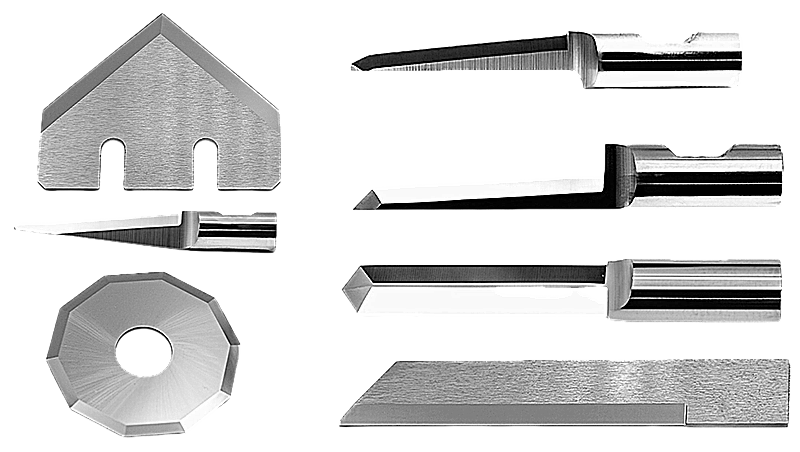
Credit: www.china-oyea.com
Preparing Router Bits For Sharpening
Before sharpening router bits, it is important to prepare them properly. Proper preparation helps you sharpen the bits evenly and safely.
Cleaning and inspecting your router bits ensures they work well and last longer. Safety precautions protect you during the process.
Cleaning And Inspecting Bits
Remove all dirt, resin, and pitch from the router bits before sharpening. Use a brush and a cleaning solution to get rid of buildup. After cleaning, check the bits closely.
- Look for chips or cracks on the cutting edges.
- Check if the bit is bent or damaged.
- Examine the shank for signs of wear.
- Make sure the cutting edges are dull but not broken.
If you find any serious damage, replace the bit. Only sharpen bits that are in good condition to avoid accidents.
Safety Precautions
Sharpening router bits requires careful attention to safety. Always protect yourself from injuries by following these rules.
| Safety Measure | Reason |
| Wear safety glasses | Protect eyes from metal shards and dust |
| Use gloves | Prevent cuts from sharp edges |
| Work in a well-lit area | See details clearly to avoid mistakes |
| Keep fingers away from sharpening surfaces | Avoid serious injuries |
| Secure the router bit firmly | Prevent slipping during sharpening |
Sharpening Techniques For Router Bits
Router bits need sharp edges to cut wood cleanly. Dull bits can cause rough cuts and damage workpieces. Regular sharpening helps keep bits effective and safe.
There are different ways to sharpen router bits. This guide covers hand sharpening, using a bench grinder, and keeping the original angle.
Hand Sharpening Methods
Hand sharpening uses small files or sharpening stones. It is gentle and good for small touch-ups. You can sharpen the cutting edges carefully by hand.
Use a fine diamond file for carbide bits. Lightly stroke the edge following its shape. Avoid changing the bit’s shape or angle.
- Clean the bit before sharpening
- Use light, even strokes
- Sharpen all cutting edges equally
- Check sharpness often
Using A Bench Grinder
A bench grinder can speed up sharpening. It is best for steel bits, not carbide. Use a fine grinding wheel and keep the bit cool.
Hold the bit steady and move it gently across the wheel. Avoid pressing too hard to stop overheating. Cool the bit in water often.
- Wear safety glasses and gloves
- Use a slow-speed grinder
- Keep the original edge shape
- Cool the bit to prevent damage
Maintaining The Original Angle
Keeping the original angle is key for good cutting. The bit will cut cleaner and last longer. Use a guide or angle gauge to help.
Look closely at the bit’s edge before sharpening. Match your sharpening strokes to the same angle. Do not change the angle or shape.
- Note the angle before starting
- Sharpen using the same angle
- Use tools to check angle if needed
- Keep edges balanced and even

Credit: www.oyea-blades.com
Checking Sharpness And Performance
Sharp router bits cut cleaner and work better. Checking their sharpness helps you avoid poor cuts. It also prevents damage to your wood and tools.
To keep your router bits in top shape, you need to know how to inspect them and test their cutting ability. This guide shows you key tips for both.
Visual Inspection Tips
Look closely at the router bit edges to find dullness or damage. Small chips or worn edges mean the bit needs sharpening. Check the cutting edges under good light or with a magnifier.
- Inspect edges for nicks or chips.
- Look for discoloration, which may show overheating.
- Check if edges look rounded instead of sharp.
- Examine the bit’s body for cracks or rust.
- Clean the bit to remove any resin or dirt before inspection.
Test Cuts For Precision
After inspection, test the router bit with a cut on scrap wood. This shows how well the bit performs and if it needs sharpening. Use the same wood you usually work with for the test.
| Cut Quality | What to Look For | Action Needed |
| Clean, smooth edge | No tear-out or roughness | No sharpening needed |
| Rough or burnt edge | Wood fibers torn or dark marks | Sharpen bit before use |
| Bit struggles to cut | Router slows or stalls | Sharpen or replace bit |
Maintaining Router Bits For Longevity
Router bits need care to last longer and work well. Proper maintenance saves money and keeps cuts clean.
Simple habits like storing, cleaning, and lubricating help keep bits sharp and strong.
Proper Storage Solutions
Keep router bits in a dry place to stop rust. Use cases or racks to avoid damage.
- Store bits in labeled boxes or holders
- Keep bits separated to prevent dulling
- Use silica gel packs to reduce moisture
- Place bits in a cool, dry area
- Check storage containers regularly for dust
Routine Cleaning And Lubrication
Clean router bits after use to remove resin and debris. Lubricate to reduce friction and rust.
| Cleaning Step | Method | Purpose |
| Remove Dust | Use soft brush or cloth | Clear particles that dull edges |
| Remove Resin | Soak in mild solvent | Break down sticky buildup |
| Dry Thoroughly | Wipe with dry cloth | Prevent rust formation |
| Apply Lubricant | Use light machine oil | Protect from moisture and friction |

Credit: www.youtube.com
Common Mistakes To Avoid
Sharpening router bits is important to keep them working well. Many people make simple errors that hurt the bit or the project. Avoiding these mistakes helps your tools last longer.
This guide covers two common mistakes: overheating bits and removing too much material. Learn how to avoid them for better results.
Overheating Bits
Overheating happens when you sharpen bits too fast or press too hard. Heat can damage the metal and change its shape. This lowers the bit’s sharpness and life.
- Use light pressure while sharpening.
- Sharpen in short bursts to let the bit cool down.
- Use a cooling agent like water or oil if needed.
- Check the bit often to avoid burning spots.
Removing Too Much Material
Taking off too much metal weakens the bit and changes its cutting angle. This causes poor cuts and wastes tool life. Be careful to only sharpen the edges as needed.
| Common Error | Effect on Bit | How to Avoid |
|---|---|---|
| Sharpening too deep | Thins the cutting edge | Sharpen only small amounts |
| Changing the angle | Reduces cutting efficiency | Keep original angle steady |
| Uneven sharpening | Causes wobble and rough cuts | Sharpen both sides equally |
Frequently Asked Questions
How Often Should I Sharpen Router Bits?
Sharpen router bits whenever you notice dull cuts or burning wood. Regular sharpening extends bit life and ensures smooth, clean cuts. For frequent use, check and sharpen every few weeks or after heavy projects to maintain optimal performance.
What Tools Are Best For Sharpening Router Bits?
Use a diamond file or a specialized router bit sharpener for the best results. These tools provide precision and maintain the bit’s original angle. Avoid using coarse files that can damage the cutting edge or alter the bit’s shape.
Can I Sharpen Router Bits At Home?
Yes, you can sharpen router bits at home with the right tools and technique. Use a fine diamond file and steady hands to maintain the correct angle. Regular practice helps improve your sharpening skills and prolongs bit life.
Is Sharpening Router Bits Worth The Effort?
Sharpening router bits saves money by extending their lifespan and improves cutting quality. Dull bits cause rough cuts and can damage wood. Timely sharpening enhances safety and efficiency during woodworking projects.
Conclusion
Sharpening router bits keeps tools effective and projects smooth. Regular maintenance ensures precision and extends bit life. Use the right tools for the job. Safety first with gloves and goggles. Clean bits before sharpening to avoid buildup. Practice makes perfect, so don’t rush the process.
A sharp bit cuts cleaner and saves time. Consistent care saves money by reducing replacements. Proper technique improves woodworking results. Keep learning and refining skills. Sharpening isn’t hard with practice and patience. Enjoy the improved performance of your tools. Happy woodworking!