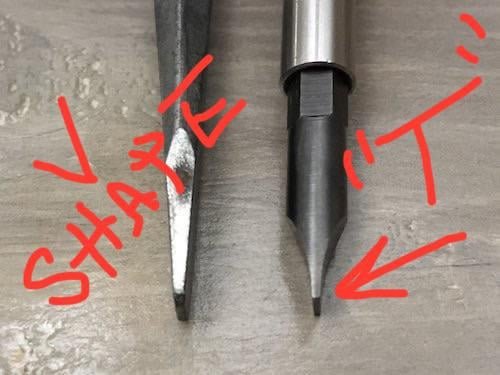
Have you ever struggled with a screwdriver that just won’t grip the screw properly? A dull screwdriver can turn a simple task into a frustrating mess.
But what if you could easily sharpen your screwdrivers at home and make every twist smooth and precise? In this guide, you’ll discover simple, effective ways to bring your tools back to life. Keep reading, and you’ll save time, money, and avoid those annoying slips that ruin your work.
Your toolbox deserves it, and so do you.
Credit: www.bladehq.com
Choosing The Right Screwdriver
Choosing the right screwdriver is key to sharpening it well. Each type fits different screws and jobs. Using the wrong one can damage the screw or tool.
Knowing the types and matching them to your task makes sharpening easier and safer. This guide helps you pick the right screwdriver.
Types Of Screwdrivers
Screwdrivers come in many shapes and sizes. The main types are flathead, Phillips, and Torx. Each has a different tip to fit screw heads.
- Flathead:A flat, straight blade for slotted screws.
- Phillips:A cross-shaped tip for Phillips screws.
- Torx:A star-shaped tip for Torx screws.
- Hex:A hexagonal tip for hex screws.
- Precision:Small screwdrivers for tiny screws.
Using the correct type helps keep the screwdriver tip strong during sharpening. It also prevents slipping when you use it.
Selecting Based On Task
Choose a screwdriver that matches the screws you work with most. Think about the size and shape of the screws in your projects.
For general use, a set with several types and sizes works best. For special jobs, pick a screwdriver designed for that task.
- Use flathead screwdrivers for simple, slotted screws.
- Pick Phillips screwdrivers for cross-shaped screws.
- Choose Torx screwdrivers for star-shaped screws in electronics.
- Select precision screwdrivers for small, delicate tasks.
- Match the screwdriver size to the screw size to avoid damage.

Credit: www.reddit.com
Tools Needed For Sharpening
Sharpening screwdrivers helps keep them effective and safe to use. Using the right tools makes sharpening easier and better.
This guide covers the main tools you need to sharpen screwdrivers properly. It also explains why safety gear is important.
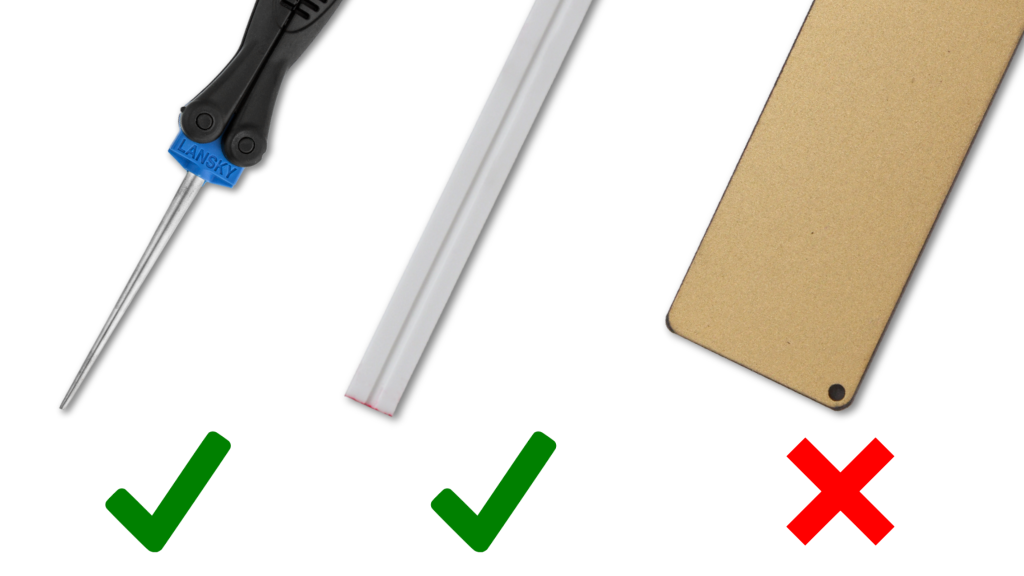
Files And Sharpeners
Files and sharpeners help shape and smooth the screwdriver tip. They remove rust and dull edges for a sharp point.
You can use different types of files or sharpeners depending on your needs and the screwdriver type.
- Flat File:Good for straight edges and flat screwdriver tips.
- Round File:Used for curved or rounded tips.
- Diamond Sharpener:Works fast and smooths metal well.
- Whetstone:A natural stone that polishes the tip gently.
Safety Equipment
Safety gear protects you while sharpening screwdrivers. It prevents injuries from metal shards and dust.
Always wear safety equipment to keep your eyes, hands, and lungs safe during the process.
- Safety Glasses:Protect your eyes from flying particles.
- Gloves:Shield your hands from sharp edges and files.
- Dust Mask:Stops you from breathing in metal dust.
- Apron:Keeps your clothes safe from metal shavings.
Preparing The Screwdriver
Before sharpening a screwdriver, you need to prepare it properly. This helps you sharpen it safely and effectively.
Cleaning and securing the screwdriver are important first steps. They make the sharpening process easier and better.
Cleaning The Blade
Remove dirt and rust from the blade before sharpening. A clean blade sharpens more evenly and lasts longer.
Use a wire brush or sandpaper to clean the metal part. Wipe it with a cloth to remove dust and grease.
- Scrub the blade with a wire brush to remove rust
- Sand rough spots with fine-grit sandpaper
- Wipe the blade clean with a dry cloth
Securing The Handle
Check the handle for cracks or looseness. A secure handle helps you control the screwdriver safely.
If the handle is loose, tighten it or replace it before sharpening. You can use a clamp to hold the screwdriver steady.
- Inspect the handle for cracks or damage
- Tighten loose parts or replace the handle if needed
- Use a clamp to hold the screwdriver firmly
Sharpening Techniques
Keeping your screwdrivers sharp helps you work faster and safer. Dull tips can slip and damage screws or surfaces. Use the right method to sharpen your tools properly.
This guide explains how to sharpen screwdrivers using correct filing, the right angle and pressure, and how to handle different tip types.
Using A File Correctly
Choose a flat file or a triangular file based on your screwdriver tip shape. Hold the file firmly and move it in one direction along the edge. Avoid sawing back and forth, which can dull the tip.
- Secure the screwdriver in a clamp or vise.
- Use smooth, even strokes with the file.
- File only the edges that touch screws.
- Check the tip often to avoid over-filing.
Angle And Pressure Tips
| Aspect | Recommendation |
| Filing Angle | Keep between 15° to 30° to match the original tip shape. |
| Pressure | Apply light to moderate pressure to avoid removing too much metal. |
| Stroke Direction | File away from your body in a single direction. |
| Check Progress | Stop frequently to compare with a new screwdriver tip. |
Sharpening Flat Vs. Phillips Tips
Flat screwdriver tips need a smooth, even edge. File both sides evenly to keep the blade straight. For Phillips tips, use a triangular file to sharpen each cross slot carefully.
- Flat tips: File edges parallel and check for flatness.
- Phillips tips: Sharpen each arm of the cross to keep the shape.
- Use finer files for Phillips to avoid rounding the edges.
Testing The Sharpness
After sharpening your screwdriver, you need to check its sharpness. Testing ensures it fits screws well and grips firmly. This helps you work safely and effectively.
Two main points to test are the fit of the tip in the screw head and how well it grips. Adjustments may be needed based on these tests.
Checking Fit And Grip
First, place the screwdriver tip into a screw slot. The tip should fit snugly without wiggle or gaps. A good fit reduces slipping and damage to screws.
- Check if the tip fully seats in the screw slot.
- Look for any rocking or loose movement.
- Test different screw sizes if possible.
- Ensure the screwdriver turns the screw smoothly.
Adjusting As Needed
If the fit or grip is poor, adjust the tip by reshaping or sharpening again. Small changes improve performance and safety.
| Issue | Cause | Adjustment |
|---|---|---|
| Tip too wide | Over-sharpened edges | File edges slightly to narrow tip |
| Tip too narrow | Too much metal removed | Use finer sharpening to widen tip |
| Poor grip | Dull or rounded edges | Sharpen edges for better bite |
| Wobbly fit | Uneven tip shape | Even out tip with precise filing |
Maintaining Sharp Blades
Sharp screwdriver blades make work easier and safer. Keeping them sharp prevents damage to screws and tools.
Regular care helps your screwdrivers last longer and perform better every time you use them.
Regular Inspection
Check your screwdriver blades often for signs of wear or damage. Look for chips, bends, or dull edges that reduce grip.
- Clean the blade to see its condition clearly.
- Look closely at the tip for any cracks or bends.
- Test the fit of the blade in screw heads to ensure good contact.
- Replace or sharpen blades that look worn or damaged.
Proper Storage
Store screwdrivers in a dry, organized place to avoid dulling and rust. Keep blades from rubbing against hard surfaces.
| Storage Method | Benefit |
|---|---|
| Toolbox with compartments | Keeps blades separated and protected |
| Magnetic holder | Prevents damage and easy access |
| Wall rack with slots | Organizes tools and reduces contact |
| Soft blade covers | Protects tips from wear and moisture |
Credit: www.youtube.com
Frequently Asked Questions
How Do I Sharpen A Screwdriver At Home?
To sharpen a screwdriver at home, use a metal file. Hold the screwdriver firmly and file the tip evenly. Rotate the screwdriver as you file to maintain a uniform edge. A bench grinder can also be used for quicker results.
Remember to wear safety goggles for protection.
What Tools Do I Need For Sharpening Screwdrivers?
For sharpening screwdrivers, you’ll need a metal file or a bench grinder. A vice can help secure the screwdriver in place. Safety goggles are essential to protect your eyes. These tools are generally sufficient for most home sharpening tasks.
How Often Should I Sharpen My Screwdrivers?
The frequency of sharpening depends on usage. For regular DIY tasks, sharpening every six months is advisable. If used daily, inspect monthly for wear. A sharp screwdriver ensures efficiency and reduces the risk of damaging screws. Regular maintenance extends the tool’s lifespan.
Can A Bench Grinder Damage Screwdrivers?
A bench grinder can damage screwdrivers if used incorrectly. Excessive pressure or heat can wear down the tip. Always grind gently and cool the metal periodically. Practice caution, and the bench grinder will be an effective sharpening tool.
Conclusion
Sharpening screwdrivers helps them work better and last longer. A sharp tip fits screws tightly and avoids slipping. Use a file or sharpening stone with steady, careful strokes. Take your time and check the edge often. Clean the tool after sharpening to keep it safe.
Regular sharpening saves money and makes tasks easier. Keep your tools ready for any job ahead. Simple steps lead to better results every time.