Are your screwdrivers slipping or struggling to grip screws? A dull screwdriver can turn a simple task into a frustrating challenge.
But what if you could bring your tools back to life quickly and easily? Knowing how to sharpen screwdrivers efficiently not only saves you money but also makes every job smoother and faster. You’ll discover simple, practical steps to sharpen your screwdrivers like a pro—no special skills needed.
Keep reading, and you’ll never have to deal with stripped screws or wasted effort again.
Credit: www.golfinfluence.com
Choosing The Right Tools
Sharpening screwdrivers is important to keep them working well. Using the right tools makes the job easier and safer.
Picking proper tools helps you sharpen screwdrivers with good results. It also saves time and effort.
Types Of Screwdrivers
Different screwdrivers have different tips. This affects how you sharpen them. Knowing the types helps you pick the right sharpening method.
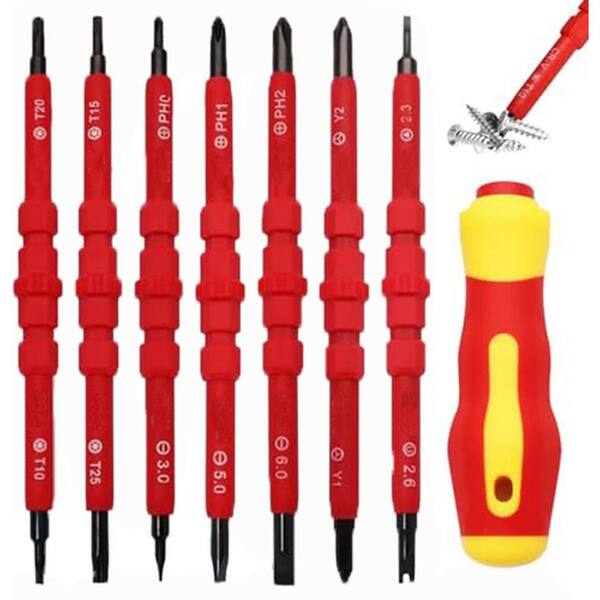
- Flathead: A single flat blade. Common for simple screws.
- Phillips: A cross-shaped tip. Fits screws with a cross slot.
- Torx: Star-shaped tip. Used for tight screws.
- Hex: Six-sided tip. Used for bolts and some screws.
Essential Sharpening Equipment
Sharpening screwdrivers needs certain tools. These tools help shape and smooth the tips correctly.
- Bench Grinder: Quickly sharpens metal tips with a spinning wheel.
- Sharpening File: A hand tool for precise shaping of edges.
- Sandpaper: Used to smooth rough edges after filing.
- Safety Gear: Gloves and goggles protect your hands and eyes.
Credit: www.homedepot.com
Preparing For Sharpening
Sharpening screwdrivers makes them work better and last longer. Proper preparation helps you sharpen safely and efficiently.
Start by checking your tools and cleaning the screwdriver tip. Follow safety rules to avoid accidents during sharpening.
Cleaning The Screwdriver Tip
Remove dirt and rust from the screwdriver tip before sharpening. A clean tip sharpens more evenly and lasts longer.
Use a wire brush or steel wool to clean the metal surface. Wipe the tip with a cloth to remove dust and loose particles.
- Hold the screwdriver firmly
- Brush the tip to remove rust and dirt
- Wipe with a dry cloth to clear dust
- Check for damage or cracks before sharpening
Safety Precautions
Wear safety glasses to protect your eyes from sparks and metal shards. Use gloves to protect your hands from sharp edges.
Work in a well-lit, clean area. Keep children and pets away from the sharpening zone to avoid accidents.
- Wear safety goggles and gloves
- Keep your workspace clean and bright
- Use clamps to hold the screwdriver steady
- Never rush the sharpening process
Sharpening Techniques
Sharpening screwdrivers keeps them effective and safe to use. Sharp tips grip screws better and reduce slipping.
There are different ways to sharpen screwdrivers. Each technique suits different tools and skill levels.
Using A File Correctly
A file is a simple tool to sharpen screwdriver tips. Use a flat or round file depending on the screwdriver shape.
Hold the screwdriver firmly and push the file across the tip at the right angle. Keep the strokes even and smooth.
- Choose a file with fine teeth for better control
- File the edges at about a 45-degree angle
- Check the tip often to avoid over-sharpening
- Clean the tip after filing to remove metal dust
Employing A Grinding Wheel
A grinding wheel sharpens screwdrivers quickly. It works well for metal tips that need a strong edge.
Hold the screwdriver tip against the spinning wheel gently. Move it side to side to shape the edge evenly.
- Wear safety glasses to protect your eyes
- Keep the screwdriver moving to avoid overheating
- Use light pressure to prevent removing too much metal
- Cool the tip in water if it gets very hot
Hand Sharpening Methods
Hand sharpening uses simple tools like sandpaper or sharpening stones. This method is quiet and allows careful shaping.
Rub the screwdriver tip against the abrasive surface in steady strokes. Make sure to keep the angle consistent for a sharp edge.
- Use fine grit sandpaper for a smooth finish
- Sharpen both edges evenly for balanced tips
- Check sharpness by testing on a screw head
- Clean the screwdriver after sharpening to remove debris
Maintaining The Blade Angle
Keeping the right blade angle is key to sharpening screwdrivers well. The angle affects how the tool works and how long it lasts.
Sharpening with the wrong angle can damage the tip or make it less effective. Knowing the correct angle helps you get the best results.
Ideal Angle For Flathead Tips
Flathead screwdrivers need a straight, sharp edge. The blade angle should be steady and not too steep.
The best sharpening angle is usually between 20 and 30 degrees. This angle keeps the tip strong and easy to use.
- 20 degrees for softer metals
- 25 degrees for general use
- 30 degrees for harder metals
Angle For Phillips Tips
Phillips tips have a cross shape. They need a different angle to keep their shape and grip.
Sharpen Phillips tips at about 15 to 20 degrees. This angle protects the tip and helps it fit screws well.
- 15 degrees for precision work
- 18 degrees for general repair tasks
- 20 degrees for heavy-duty jobs
Testing Sharpness
After sharpening your screwdriver, you must test its sharpness carefully. Testing ensures the tool works well and is safe to use.
Two common methods to check sharpness are visual inspection and a practical function test. Each method helps you confirm if the screwdriver tip is ready.
Visual Inspection
Look closely at the screwdriver tip under good light. The edge should be even and free from chips or dents.
- Check for smooth, straight edges without cracks.
- Look for a consistent shape matching the screwdriver type.
- Ensure the tip is not rounded or worn down.
- Use a magnifying glass if needed for detailed view.
Practical Function Test
Test the screwdriver by using it on screws. This method shows if the tip grips and turns screws well.
| Test Action | What to Look For |
| Insert screwdriver into a screw slot | Fits snugly without wobbling |
| Turn the screw slowly | Tip grips and turns without slipping |
| Check screw head after turning | No damage or stripping on screw head |
| Feel resistance | Smooth turning with steady grip |
Credit: eternaltools.com
Post-sharpening Care
After sharpening your screwdrivers, proper care keeps them in good shape. This care helps tools last longer and work better.
Two key areas to focus on are cleaning and oiling, and storing the tools correctly.
Cleaning And Oiling
Remove metal dust and debris after sharpening. Use a dry cloth or soft brush for this task. Applying oil prevents rust and keeps metal parts smooth.
- Wipe the screwdriver blade with a clean cloth
- Use a small brush to clear any tiny particles
- Apply a few drops of light machine oil on the metal parts
- Spread the oil evenly and wipe off excess
- Let the screwdriver dry before storing
Storage Tips
Store screwdrivers in a dry, organized place. Keep them away from moisture to avoid rust. Use holders or cases to prevent damage to the sharpened edges.
| Storage Method | Benefit |
| Tool rack or pegboard | Easy access and good air flow |
| Toolbox with compartments | Prevents tools from hitting each other |
| Protective sleeves or caps | Protects sharp edges |
| Dry, cool environment | Stops rust and corrosion |
Common Mistakes To Avoid
Sharpening screwdrivers is important for good work results. Many people make mistakes that can damage the tool or cause injury.
Knowing what to avoid helps keep your tools sharp and safe to use.
Over-sharpening
Sharpening a screwdriver too much weakens the tip. This can cause it to bend or break easily. It also changes the shape, making it fit screws poorly.
- Sharpen only enough to restore the edge.
- Avoid removing too much metal.
- Keep the original tip shape.
- Use a steady hand and light pressure.
Ignoring Safety
Not using safety gear or ignoring safe steps can lead to accidents. Sparks, sharp edges, and flying particles cause injuries.
| Safety Tip | Reason |
| Wear safety glasses | Protects eyes from sparks and debris |
| Use gloves | Prevents cuts and scrapes |
| Secure the screwdriver | Keeps it from slipping during sharpening |
| Work in a clean area | Reduces risk of accidents |
Frequently Asked Questions
How Do You Sharpen A Screwdriver At Home?
To sharpen a screwdriver at home, use a metal file or a bench grinder. Secure the screwdriver, file the edges evenly, and maintain the original shape. Ensure a consistent angle for optimal performance. Regular maintenance can extend the tool’s lifespan and improve its efficiency for various tasks.
What Tools Are Needed To Sharpen Screwdrivers?
To sharpen screwdrivers, you need a metal file or a bench grinder. Additionally, a vise helps secure the screwdriver during sharpening. Safety equipment like goggles and gloves are essential. These tools ensure precision and safety while maintaining the screwdriver’s original shape and functionality.
How Often Should Screwdrivers Be Sharpened?
Screwdrivers should be sharpened when they start slipping or damaging screw heads. Frequency depends on usage. Regular inspection helps identify dullness. Sharpening every few months for frequently used tools ensures efficiency. This maintenance improves performance and prevents damage to screws and work surfaces.
Can All Types Of Screwdrivers Be Sharpened?
Yes, most flathead and Phillips screwdrivers can be sharpened. Specialty screwdrivers, like Torx or square, require professional sharpening. Sharpening improves tool performance and extends its life. Always maintain the original shape and angle to ensure compatibility with screws. Regular maintenance ensures optimal functionality for various tasks.
Conclusion
Sharpening screwdrivers keeps them useful and safe to handle. Use the right tools and follow steps carefully. Regular sharpening saves time and effort during repairs. A sharp tip fits screws better and reduces slipping. Practice these tips to keep your tools in top shape.
Simple care makes a big difference in your work. Keep your screwdrivers sharp for easier and faster tasks.