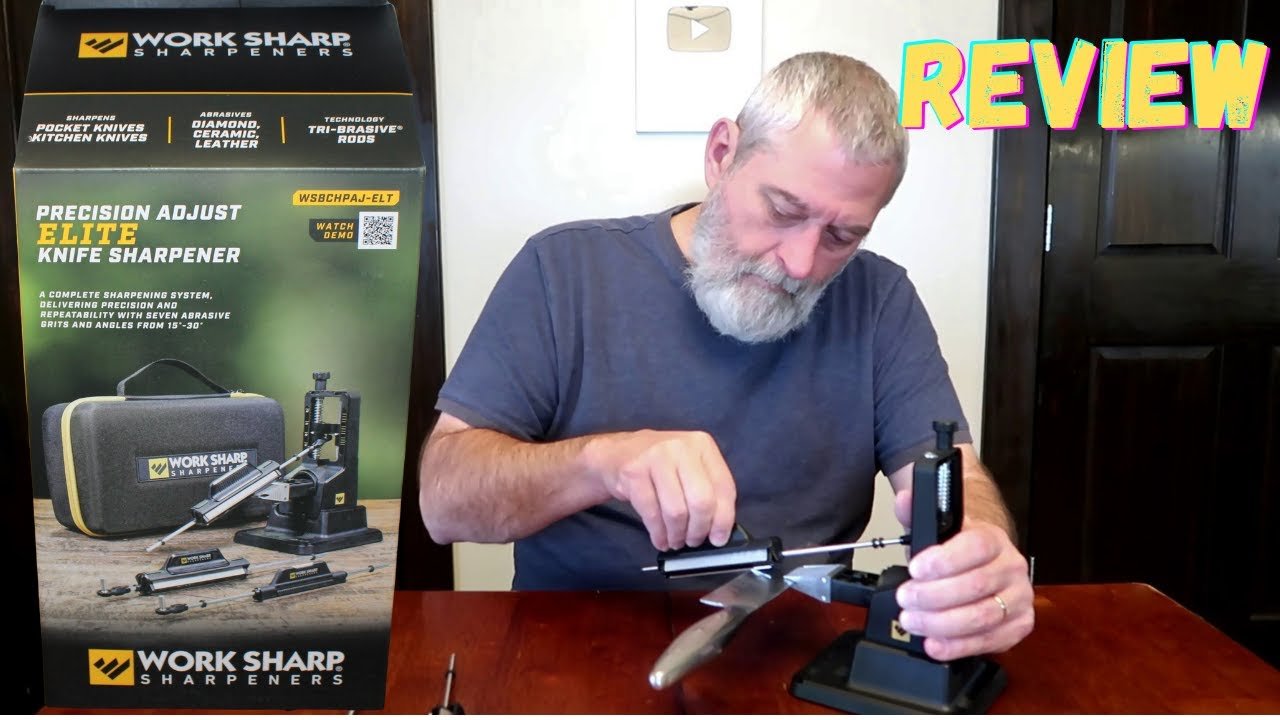
You rely on your utility knife for so many tasks, from cutting boxes to crafting projects. But when your blade gets dull, every cut feels frustrating and imprecise.
What if you could restore that sharp edge yourself, quickly and easily? Sharpening your utility knife the right way not only saves you money but also puts precision back in your hands. In this guide, you’ll discover simple steps to sharpen your utility knife like a pro, ensuring every cut is clean and controlled.
Keep reading, and take your cutting skills to the next level.

Credit: www.familyhandyman.com
Choosing The Right Sharpening Tools
Sharpening utility knives requires the right tools for accuracy and safety. Using correct sharpening tools helps keep blades sharp and precise.
This guide explains three popular tools to sharpen utility knives. Learn how to select the best one for your needs.
Whetstones And Their Grit Levels
Whetstones are flat stones used to sharpen knives by grinding the blade edge. They come in different grit levels for various sharpening stages.
- Coarse grit (200-600): Removes nicks and reshapes dull blades
- Medium grit (800-1500): Sharpens the edge and smooths roughness
- Fine grit (2000-8000): Polishes the blade for a razor-sharp finish
Using Honing Rods
Honing rods realign the blade edge without removing much metal. They keep knives sharp between full sharpening sessions.
- Use ceramic rods for fine honing and polishing
- Steel rods help straighten bent edges quickly
- Diamond rods remove small amounts of metal to fix minor dullness
Electric Sharpeners: Pros And Cons
Electric sharpeners use motorized abrasive wheels. They offer fast sharpening but may remove more metal than needed.
| Advantages | Disadvantages |
| Sharpen quickly with little effort | Can wear down blade too much over time |
| Easy to use for beginners | Less control over sharpening angle |
| Good for restoring very dull blades | May damage delicate or thin blades |

Credit: www.youtube.com
Preparing Your Knife For Sharpening
Before sharpening a utility knife, it is important to get it ready. Proper preparation helps you sharpen the blade safely and accurately.
Start by cleaning and checking the blade. Then set the right angle for sharpening. These steps make a big difference in the final sharpness.
Cleaning And Inspecting The Blade
Clean the blade to remove dirt, glue, or rust. Use warm water and mild soap. Dry the blade well before you start sharpening.
Look closely at the blade for any chips or damage. Small chips may need special care. Do not sharpen a blade with deep damage without fixing it first.
- Wipe blade with a soft cloth
- Use a brush for stuck dirt
- Check edge for cracks or chips
- Handle blade carefully to avoid cuts
Setting The Correct Angle
Sharpening a utility knife needs the right angle. Most utility knives work best at 20 degrees. This angle keeps the blade sharp and strong.
Hold the blade steady and keep the sharpening tool at a steady angle. Moving the blade or tool changes the angle and can dull the edge.
- Use a guide or angle tool if possible
- Keep the angle consistent on both sides
- Avoid too steep or too flat angles
- Practice on an old blade to get the feel
Sharpening Techniques For Utility Knives
Utility knives need a sharp edge for clean and precise cuts. Dull blades can cause accidents and damage materials.
Using the right sharpening method keeps your knife effective and safe. This guide explains three common ways to sharpen utility knives.
Step-by-step Whetstone Method
The whetstone method is popular for restoring sharpness. It uses a flat stone with coarse and fine sides to grind and polish the blade.
- Soak the whetstone in water for 5 to 10 minutes.
- Place the stone on a stable surface with the coarse side up.
- Hold the knife at a 20-degree angle to the stone.
- Push the blade forward across the stone, applying light pressure.
- Repeat the motion 10 to 15 times on one side.
- Flip the blade and sharpen the other side the same way.
- Turn the stone to the fine side and repeat the process for a smooth finish.
- Wipe the blade clean and test the sharpness carefully.
Using A Honing Rod For Edge Maintenance
A honing rod does not sharpen but straightens the edge. It helps keep the blade aligned between sharpenings for better precision.
- Hold the rod vertically with the tip on a stable surface.
- Place the knife edge against the rod at a 20-degree angle.
- Draw the blade down the rod, moving from base to tip.
- Repeat 5 to 10 times on each side of the blade.
- Check the edge and repeat if needed for a clean cut.
Electric Sharpener Usage Tips
Electric sharpeners are fast and easy but need careful handling. They use motorized wheels to grind the blade edge evenly.
| Tip | Explanation |
| Choose correct slot | Use the slot for utility knives, not heavy blades. |
| Keep angle steady | Maintain the correct angle for best results. |
| Use light pressure | Press lightly to avoid removing too much metal. |
| Limit passes | Use 3 to 5 passes per side for a sharp edge. |
| Clean blade after sharpening | Remove metal filings before use or storage. |

Credit: www.familyhandyman.com
Maintaining A Sharp Edge Over Time
Keeping your utility knife sharp is important for safety and precision. A sharp blade cuts better and needs less force.
Regular care helps your knife last longer and work well every time you use it.
Regular Honing Routine
Honing your utility knife keeps the edge aligned and sharp. Use a honing rod before or after each use.
- Hold the honing rod vertically on a stable surface.
- Place the knife edge at a 20-degree angle against the rod.
- Draw the blade down and across the rod, from base to tip.
- Repeat 5-10 times on each side of the blade.
- Wipe the blade clean after honing.
Safe Storage Practices
Store your utility knife safely to protect the blade and avoid accidents. Keep it dry and away from other tools.
- Use a blade cover or sheath to protect the edge.
- Keep the knife in a dedicated drawer or container.
- Store in a dry place to prevent rust and corrosion.
- Make sure the blade is clean before storing.
Avoiding Common Mistakes
| Mistake | Why to Avoid | Better Practice |
|---|---|---|
| Cutting on hard surfaces | Dulls the blade quickly | Use a cutting board |
| Using the knife for prying | Can chip or break the blade | Use the right tool for prying |
| Skipping regular honing | Blade becomes dull and unsafe | Hone blade often |
| Storing wet knives | Leads to rust and damage | Dry blade before storage |
Troubleshooting Common Sharpening Issues
Sharpening utility knives can be tricky. Some problems can stop you from getting a sharp edge.
Knowing how to fix these issues helps keep your knives working well and safe to use.
Fixing A Chipped Blade
A chipped blade can cut poorly and may be dangerous. To fix it, first find the chip on the blade edge.
Use a coarse sharpening stone or file to carefully grind away the damaged part. Work slowly and check often.
- Hold the blade at a steady angle
- Make smooth strokes along the stone
- Remove just enough metal to smooth the chip
- Switch to finer stones to sharpen the edge
Dealing With Uneven Edges
Uneven edges happen when one side is sharpened more than the other. This affects cutting precision.
| Cause | Fix |
| Sharpening angle varies | Use a guide to hold a steady angle |
| Unequal strokes per side | Sharpen both sides equally |
| Worn sharpening stone | Replace or flatten the stone surface |
| Blade bent or warped | Check blade straightness before sharpening |
When To Replace Your Utility Knife
Sometimes sharpening is not enough. Blades wear out or get damaged beyond repair.
- Blade has deep chips or cracks that can’t be smoothed
- Edge is worn down too much and blade is too short
- Blade is bent or warped and won’t straighten
- Knife handle is damaged and unsafe
Replacing the knife ensures safe and precise cutting for your tasks.
Frequently Asked Questions
How Often Should Utility Knives Be Sharpened?
Utility knives should be sharpened every few months, depending on usage. Regular sharpening maintains precision and efficiency. If you use your knife daily, consider sharpening it monthly. Inspect the blade regularly for signs of dullness, such as difficulty cutting or uneven edges, to ensure optimal performance.
What Tools Are Best For Sharpening Utility Knives?
A sharpening stone or honing rod works best for utility knives. They provide precise control and even sharpening. Alternatively, you can use a knife sharpener with adjustable angles. Always follow the manufacturer’s instructions for the best results and maintain a consistent sharpening angle for uniform edges.
Can A Dull Utility Knife Be Restored?
Yes, a dull utility knife can be restored to sharpness. Use a sharpening stone or electric sharpener for best results. Start with a coarse grit to reshape the edge, then finish with a fine grit for honing. Regular maintenance will keep your knife sharp and effective for longer periods.
What Angle Should I Sharpen My Utility Knife?
Sharpen your utility knife at a 15 to 20-degree angle. This angle provides a balance between sharpness and durability. Maintain consistent pressure and strokes to achieve a uniform edge. Adjust the angle slightly based on the blade type and material for optimal results.
Conclusion
Sharpening utility knives improves cutting accuracy and safety. Use the right tools and methods for best results. Regular sharpening keeps blades sharp and easy to use. Take your time and follow each step carefully. A sharp knife makes tasks faster and more precise.
Practice often to build confidence and skill. Keep your knives clean and dry after sharpening. Safe handling prevents accidents and blade damage. Sharp knives save effort and reduce mistakes. Keep your utility knives ready for any job.