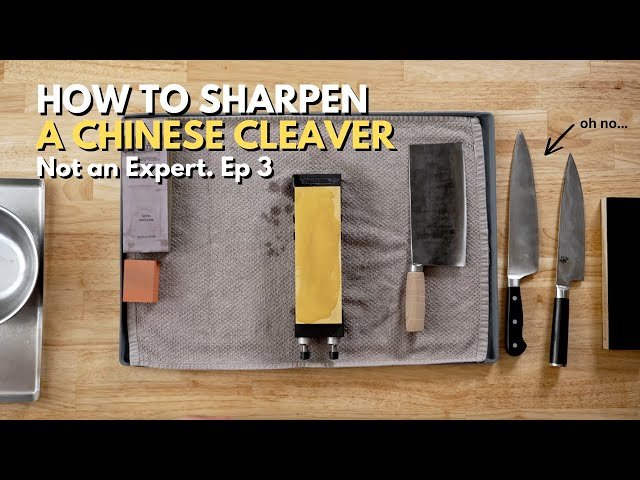
If your utility knife isn’t cutting as smoothly as it used to, you’re not alone. A dull blade can make your work harder, slower, and less precise.
But here’s the good news: sharpening your utility knife is easier than you think. With the right steps, you can bring back that sharp edge and enjoy clean, effortless cuts every time. Ready to learn how? Keep reading, and you’ll discover simple techniques that will save you time and frustration.
Your projects deserve a sharp blade—let’s make sure your utility knife delivers.

Credit: www.familyhandyman.com
Choosing The Right Sharpening Tools
Keeping your utility knives sharp is key to smooth, safe cuts. Picking the right sharpening tools makes this task easier.
Different sharpeners work in different ways. Knowing their features helps you choose the best one for your needs.
Types Of Sharpeners
Sharpeners come in many forms. They include stones, rods, and machines. Each type fits certain sharpening styles and skill levels.
- Whetstones: Flat stones that require water or oil.
- Honing rods: Rods used to realign the blade edge.
- Electric sharpeners: Machines that sharpen quickly with motorized wheels.
- Manual sharpeners: Handheld devices with built-in abrasive surfaces.
Whetstones Vs. Honing Rods
| Sharpening Tool | Purpose | Best For | Care Needed |
| Whetstones | Sharpen and reshape blade edges | Dull or damaged knives | Use water/oil; requires skill |
| Honing Rods | Realign blade edge without removing metal | Regular maintenance | Use gently and often |
Use whetstones to fix dull blades and change the angle. Honing rods keep blades sharp between full sharpenings.
Electric Vs. Manual Options
Electric sharpeners work fast and need little skill. Manual sharpeners give more control but take more effort.
Comparison of Electric and Manual Sharpeners:
- Electric:Quick, easy, good for beginners, may remove more metal.
- Manual:Slower, requires skill, better control, gentler on blades.

Credit: www.youtube.com
Preparing Your Utility Knife
Sharpening a utility knife starts with good preparation. Proper steps ensure safe and smooth cutting results.
Before you sharpen, you must clean the blade, follow safety rules, and organize your workspace carefully.
Cleaning The Blade
Clean the blade to remove dirt, grease, and rust. A clean blade sharpens better and lasts longer.
- Wipe the blade with a soft cloth dipped in warm, soapy water.
- Use a brush to scrub away stuck debris gently.
- Dry the blade completely with a clean towel to stop rust.
- Apply a few drops of oil if the blade shows signs of rust.
Safety Precautions
Safety is key when sharpening utility knives. Always protect yourself and others nearby.
- Wear cut-resistant gloves to protect your hands.
- Keep your fingers away from the blade edge at all times.
- Sharpen the knife on a stable surface to avoid slips.
- Keep children and pets away from your sharpening area.
- Store the knife safely after sharpening to avoid accidents.
Setting Up Your Workspace
| Item | Purpose |
|---|---|
| Flat, sturdy table | Keeps knife steady while sharpening |
| Good lighting | Helps see the blade edge clearly |
| Sharpening stone or tool | Used to sharpen the blade |
| Towel or non-slip mat | Prevents slipping of knife or tools |
Prepare your space by gathering these items and arranging them for easy reach before you start.
Step-by-step Sharpening Process
Keeping your utility knives sharp makes cutting easier and safer. Dull knives can slip and cause accidents. This guide shows clear steps to sharpen your knife correctly.
Follow each part carefully to get smooth, precise cuts every time. You only need a few tools and some practice.
Selecting The Correct Angle
The sharpening angle affects how sharp and durable your knife edge will be. Most utility knives work best with angles between 15 and 20 degrees.
- Hold the blade at a 15 to 20-degree angle to the sharpening surface.
- Keep the angle steady throughout the sharpening process.
- A smaller angle means a sharper but less durable edge.
- A larger angle gives a stronger but less sharp edge.
Using A Whetstone
A whetstone is a common tool to sharpen knives. It has two sides: coarse for reshaping and fine for honing.
- Soak the whetstone in water for 5 to 10 minutes before use.
- Start with the coarse side if the blade is very dull.
- Draw the blade along the stone, keeping the angle steady.
- Flip to the fine side to smooth the edge.
- Repeat strokes evenly on both sides of the blade.
Honing With A Rod
A honing rod helps keep the edge aligned between sharpenings. It does not remove much metal but fixes small bends.
| Honing Steps | Description |
|---|---|
| Hold the rod vertically | Place the rod tip on a stable surface. |
| Set blade angle | Hold the knife at about 20 degrees to the rod. |
| Swipe the blade | Pull the blade down and across the rod, from heel to tip. |
| Alternate sides | Do equal strokes on each side, about 5-10 times. |
Testing Sharpness
Check your knife’s sharpness carefully to avoid accidents. A sharp knife should cut without much force.
- Try slicing a piece of paper cleanly without tearing.
- Gently run the blade on your thumbnail to feel for a bite.
- Cut soft foods like tomatoes easily without squashing.
- If the knife slips or tears, repeat sharpening steps.

Credit: www.familyhandyman.com
Maintaining Sharpness Over Time
Keeping your utility knives sharp makes cutting easier and safer. Sharp knives reduce effort and prevent accidents.
Regular care helps your knife hold its edge longer. This guide shows how to maintain sharpness over time.
Regular Honing Techniques
Honing realigns the knife edge without removing much metal. It keeps the blade sharp between sharpenings.
Use a honing rod or steel to gently stroke the blade. Hold the rod vertically and slide the knife at a 20-degree angle.
- Stroke each side 5 to 10 times
- Keep consistent angle for best results
- Hone before or after each use
Proper Storage Tips
Store utility knives safely to protect the blade and your fingers. Avoid tossing knives in drawers with other tools.
Use blade covers or keep knives in a dedicated holder. This prevents damage and keeps edges sharp longer.
- Use blade guards or sheaths
- Store knives in a separate container
- Keep knives dry to avoid rust
When To Resharpen
Resharpen utility knives when honing no longer restores the edge. Signs include dull cuts and increased effort.
Test the blade by slicing paper or a soft material. If it tears or drags, it is time to sharpen.
- Blade skips or slips on material
- More force needed for cuts
- Visible nicks or chips on edge
Troubleshooting Common Issues
Sharpening utility knives can sometimes bring up problems. Fixing these issues helps you get smooth and safe cuts.
Knowing how to handle common problems saves time and keeps your knife in good shape.
Dealing With Nicks And Chips
Nicks and chips in the blade cause rough cuts and can be dangerous. Fixing them needs careful attention.
Use a coarse sharpening stone to grind away the damaged part. Work slowly to avoid removing too much metal.
- Hold the blade steady at the right angle
- Use smooth, even strokes on the stone
- Check progress often to avoid over-grinding
- Finish with a finer stone for a smooth edge
Avoiding Over-sharpening
Over-sharpening makes the blade thin and weak. It can break or bend easily during use.
Stop sharpening when the blade feels sharp and smooth. Too much sharpening reduces the knife’s life.
- Sharpen only when the knife is dull
- Use light pressure on the sharpening stone
- Check sharpness often to avoid excess sharpening
- Keep the original blade angle while sharpening
Handling Rust And Corrosion
Rust and corrosion weaken the blade and make it unsafe. Cleaning these issues keeps the knife strong.
Remove rust before sharpening. Use a rust remover or fine steel wool gently on the blade.
- Apply rust remover according to instructions
- Rub gently with steel wool to remove rust spots
- Wipe blade clean and dry completely
- Sharpen the blade after rust is gone
Frequently Asked Questions
How Do You Sharpen A Utility Knife Safely?
To sharpen a utility knife safely, use a sharpening stone or a knife sharpener. Hold the knife at a 20-degree angle and move it across the stone. Ensure even pressure and maintain control to avoid accidents. Always sharpen away from your body for added safety.
What Tools Do I Need To Sharpen Utility Knives?
To sharpen utility knives, you’ll need a sharpening stone, a honing rod, or a knife sharpener. These tools help maintain the blade’s edge. Additionally, a clean cloth is useful for wiping the blade after sharpening. Choose the tool based on your skill level and preference.
How Often Should Utility Knives Be Sharpened?
Utility knives should be sharpened every few weeks, depending on usage. Frequent use may require more regular sharpening. Inspect the blade for dullness regularly. Sharpen when you notice decreased cutting efficiency. Consistent maintenance ensures smooth cuts and prolongs the knife’s lifespan.
Can I Use A Honing Rod For Utility Knives?
Yes, you can use a honing rod to maintain a utility knife’s edge. It’s ideal for minor touch-ups. Regular honing keeps the blade sharp between full sharpenings. However, for significant dullness, a sharpening stone or knife sharpener is recommended for optimal results.
Conclusion
Sharpening utility knives keeps your cuts clean and safe. Regular sharpening saves time and effort during tasks. Use simple tools like whetstones or sharpeners for best results. Keep the blade angle steady while sharpening for smooth edges. Always test the knife carefully after sharpening to ensure sharpness.
Proper knife care extends its life and improves performance. Try these tips to maintain sharp, reliable utility knives. Your work becomes easier with a well-sharpened blade. Simple steps make a big difference in cutting quality.