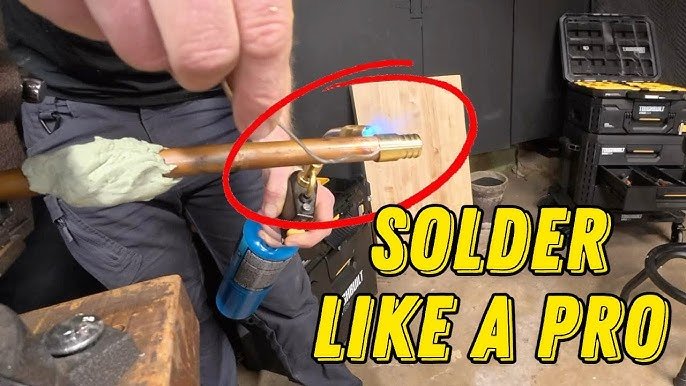
Are you ready to tackle your plumbing project with confidence? Knowing how to solder PEX and copper pipes can save you time, money, and a lot of frustration.
Whether you’re fixing a leak or installing new pipes, mastering this skill ensures a strong, lasting connection. You’ll discover simple, step-by-step instructions that make soldering easier than you think. Keep reading, and soon you’ll handle your pipes like a pro—no expensive plumber needed.
Credit: www.familyhandyman.com
Tools And Materials Needed
Soldering PEX and copper pipes requires specific tools and materials. Using the right items helps ensure strong and leak-free connections.
This guide covers the essential tools, the best solder for the job, and safety equipment you need before starting.
Essential Tools
Prepare the right tools to make soldering easier and safer. Each tool plays a key role in the process.
- Pipe cutter for clean cuts
- Propane torch for heating pipes
- Wire brush or sandpaper to clean pipe surfaces
- Heat-resistant gloves to protect your hands
- Flux brush to apply flux evenly
- Measuring tape for accurate pipe lengths
- Fireproof cloth to control sparks and heat
Choosing The Right Solder
Select solder that works well with copper and PEX fittings. The solder must provide a strong seal and resist corrosion.
| Solder Type | Use | Notes |
|---|---|---|
| Lead-Free Solder | Potable water pipes | Safe and code-approved |
| Silver Solder | High-strength joints | Requires higher heat |
| PEX Crimp Rings | PEX pipe connections | No soldering needed, use crimp tool |
Safety Equipment
Protect yourself with proper safety gear. Soldering involves heat and fumes that can harm you.
- Safety goggles to shield your eyes
- Heat-resistant gloves to avoid burns
- Long-sleeve clothing to protect skin
- Fire extinguisher nearby for emergencies
- Well-ventilated work area to avoid fumes
Preparing The Pipes
Preparing pipes correctly is important for a strong connection. This guide covers how to get pipes ready before soldering.
Follow these steps to cut, clean, and fit your PEX and copper pipes properly.
Cutting Pipes To Length
Measure the pipe length carefully before cutting. Use a sharp pipe cutter to get a clean cut.
A clean cut helps the pipes fit together tightly and prevents leaks.
Cleaning And Deburring
Remove any burrs or rough edges inside and outside the pipe. Use a deburring tool or sandpaper for this task.
Clean the pipe surface with a wire brush or emery cloth. This removes dirt and oxidation to ensure good solder flow.
- Deburr inside and outside pipe edges
- Use a wire brush to clean the pipe surface
- Wipe pipes with a clean cloth before soldering
Fitting Pipes Together
Dry fit the pipes to check they align well. The pipes should slide together easily without gaps.
Mark the insertion depth on the pipe. This helps you join the pipes fully during soldering.
- Test fit pipes before soldering
- Mark the correct insertion depth
- Ensure no gaps between pipe and fitting
Applying Flux And Assembling
Soldering PEX and copper pipes requires careful preparation. Applying flux and assembling pipes correctly helps make strong joints.
This guide explains why flux is important, how to apply it well, and how to join pipes before soldering.
Purpose Of Flux
Flux cleans pipe surfaces and helps solder flow smoothly. It stops rust and oxidation during heating.
Flux ensures a strong, leak-free connection by improving metal bonding.
How To Apply Flux Properly
Use a brush or applicator to spread a thin, even layer of flux. Cover both pipe ends and fittings.
Do not apply too much flux. Excess flux can cause weak joints or mess during soldering.
- Clean pipes with sandpaper or a pipe brush first
- Apply flux evenly on all surfaces to be joined
- Use a small brush for hard-to-reach areas
- Remove excess flux with a clean cloth if needed
Joining Pipes Before Soldering
Fit the PEX and copper pipes together tightly. Make sure they are fully inserted into the fittings.
Hold pipes steady to avoid movement. Proper alignment helps create a strong solder bond.
- Check pipe ends for burrs or rough edges
- Push pipes fully into fittings before soldering
- Use pipe clamps if needed to hold pipes steady
- Keep the joint clean and dry before heating

Credit: www.thisoldhouse.com
Soldering Process
Soldering PEX and copper pipes creates a strong, leak-proof joint. You need a clean surface, heat source, and solder.
Follow clear steps to heat, apply solder, and cool the connection safely and correctly.
Heating The Joint
Start by cleaning the pipe ends and fitting with a wire brush or sandpaper. This removes dirt and helps the solder stick.
Use a propane torch to evenly heat the joint area. Move the flame around to warm both the pipe and fitting.
- Wear safety gloves and eye protection
- Keep the flame steady and controlled
- Heat until the flux sizzles slightly
Applying Solder
Touch the solder wire to the heated joint, not the flame. The heat melts the solder, drawing it into the gap.
Move the solder around the joint evenly until a shiny ring forms. This shows the solder filled the connection well.
- Use lead-free solder for plumbing
- Keep the solder flowing smoothly
- Do not overheat or burn the solder
Cooling And Inspecting
Let the joint cool naturally without disturbing it. Avoid touching or moving the pipe during this time.
Check the joint for cracks or gaps. A good solder joint looks smooth and shiny all around the pipe.
- Wait at least five minutes before handling
- Look for a continuous solder ring
- Test for leaks after cooling fully
Special Tips For Pex To Copper Connections
Connecting PEX to copper pipes requires care and the right tools. This guide gives tips to make strong, lasting joints.
Follow these tips to avoid leaks and ensure your plumbing works well for years.
Using Transition Fittings
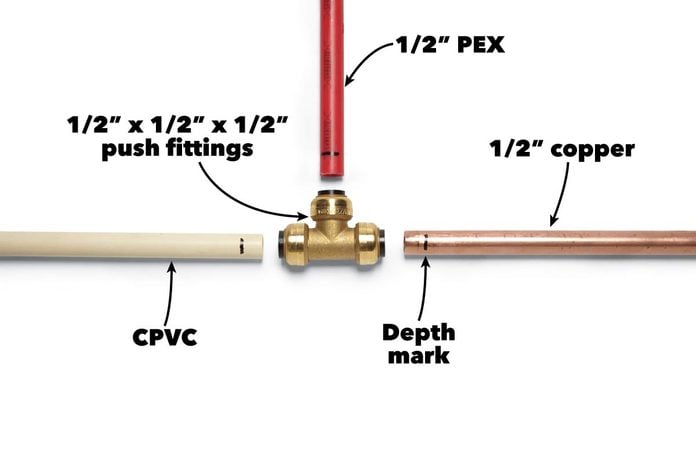
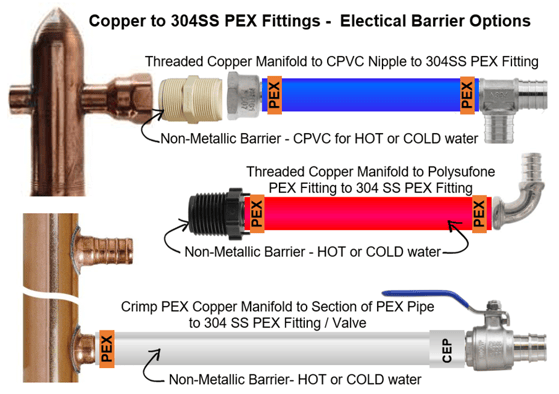
Transition fittings join PEX pipes to copper pipes safely. Use fittings made for this purpose to prevent damage and leaks.
- Choose brass or plastic fittings approved for PEX and copper.
- Clean copper pipe ends with sandpaper before fitting.
- Insert the PEX pipe fully into the fitting.
- Use proper crimp or clamp rings for PEX connections.
- Check that fittings fit tightly without forcing.
Avoiding Common Mistakes
Many leaks happen due to simple errors. Avoid these mistakes for a secure connection.
- Do not solder copper pipes after they are connected to PEX.
- Never use standard copper fittings directly on PEX pipes.
- Do not overtighten clamps or crimp rings.
- Always cut PEX pipe straight and clean before attaching fittings.
- Avoid using damaged or dirty fittings.
Ensuring Leak-free Joints
Check each joint carefully to keep your plumbing leak-free. Use tools and tests to confirm quality.
| Check Point | What to Do |
|---|---|
| Fitting Placement | Ensure the PEX pipe is fully seated inside the fitting. |
| Ring Position | Place crimp or clamp rings 1/8 inch from pipe end. |
| Crimping | Use the correct tool and apply even pressure around the ring. |
| Visual Inspection | Look for gaps, cracks, or misaligned parts. |
| Pressure Test | Run water at full pressure and check for drips. |
Troubleshooting Common Issues
Soldering PEX and copper pipes can be tricky. Some problems often happen during the process.
Knowing how to fix these issues helps keep your plumbing strong and leak-free.
Cold Joints
A cold joint happens when the solder does not melt properly. This causes a weak connection.
Cold joints can cause leaks and pipe damage if not fixed.
- Make sure the pipe and fitting are clean before soldering.
- Heat the joint evenly until the solder flows smoothly.
- Avoid moving the pipe while the solder cools.
- If a cold joint forms, reheat and add more solder.
Leaks And How To Fix Them
Leaks can happen if the solder does not cover the joint fully. It also occurs if parts are not tight.
Fix leaks by draining water and drying the pipe before repair.
- Clean the joint area well.
- Apply heat evenly and add solder to seal gaps.
- Use pipe clamps to hold pipes steady if needed.
- Check the joint for leaks after cooling.
Dealing With Overheating
Overheating can damage PEX pipes and ruin solder joints. It weakens the pipe and causes leaks.
Control heat by using a flame spreader or heat shield. Keep the torch moving to avoid hot spots.
- Heat the copper fitting, not the PEX pipe.
- Use the correct flame size for the job.
- Stop heating as soon as solder melts and flows.
- If overheating happens, cut out damaged pipe and replace it.
Maintenance And Safety Tips
Soldering PEX and copper pipes needs care to keep them working well. Good maintenance helps avoid leaks and damage.
Safety is key when working with hot tools and metal pipes. Follow tips to stay safe and protect your home.
Regular Inspection
Check your pipes often for signs of wear or leaks. Look at joints and connections carefully.
Early spotting of issues can save money and prevent big problems later.
- Look for cracks or corrosion on copper pipes
- Check PEX pipes for bends or damage
- Inspect soldered joints for leaks or weakness
- Listen for dripping sounds near pipes
Handling Tools Safely
Use soldering tools with care to avoid burns and accidents. Always wear safety gear like gloves and goggles.
Keep your workspace clean and free of flammable materials before starting to solder.
- Wear heat-resistant gloves to protect your hands
- Use goggles to shield your eyes from sparks
- Keep a fire extinguisher nearby
- Turn off tools when not in use
Preventing Future Problems
After soldering, let pipes cool naturally. Avoid moving them until fully set.
Use proper materials and techniques to ensure strong, lasting joints.
- Use the correct type of solder for copper and PEX pipes
- Clean pipes before soldering for better bonding
- Support pipes to stop stress on joints
- Avoid sharp bends in PEX pipes
Credit: support.boshart.com
Frequently Asked Questions
Can You Solder Pex To Copper Pipes Directly?
No, you cannot solder PEX directly to copper. Use a brass or copper fitting designed for PEX and copper connections. These fittings ensure a secure, leak-proof joint between the two different pipe materials.
What Tools Are Needed To Solder Copper Pipes?
You need a propane torch, solder, flux, pipe cutter, and a wire brush. These tools help you clean, heat, and join copper pipes properly for a strong soldered connection.
How Do You Prepare Copper Pipes Before Soldering?
Clean the pipe ends with a wire brush and apply flux evenly. This removes oxidation and helps solder flow smoothly for a durable, leak-free joint.
Is Soldering Pex Pipes Safe And Durable?
Soldering PEX pipes is not recommended or safe. PEX requires compression or crimp fittings for secure, flexible, and long-lasting connections instead of heat-based soldering.
Conclusion
Mastering soldering for PEX and copper pipes is essential for DIY plumbing. Simple steps make it achievable. Always prioritize safety. Use the right tools and techniques. Practice patience. This ensures strong, leak-free joints. Remember, precision leads to success. Even beginners can achieve professional results.
Confidently tackle plumbing tasks with these tips. Keep learning and refining your skills. A well-done soldering job can save time and money. Ultimately, understanding the process empowers you. It boosts your home maintenance skills. Happy soldering and may your pipes remain leak-free!