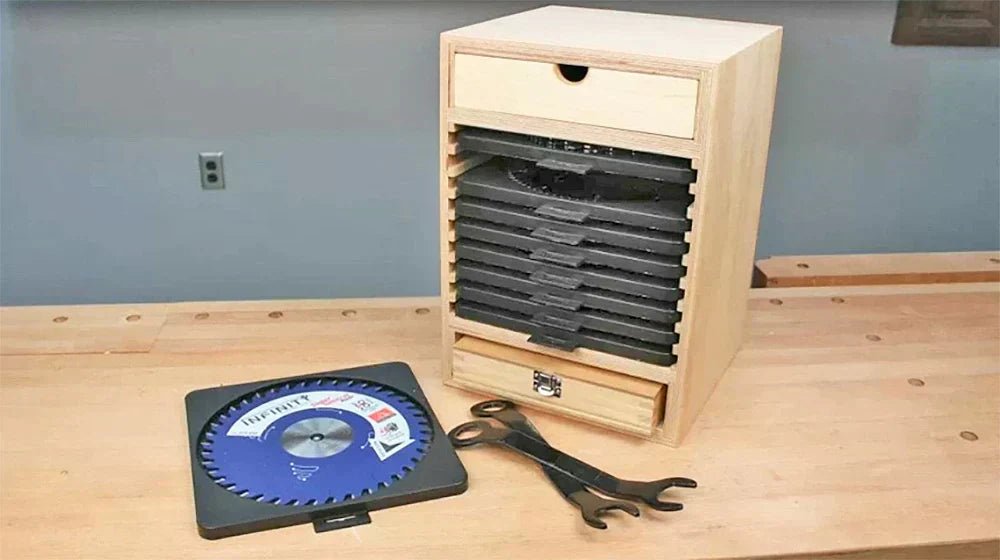
Are your circular saw blades cluttering your workspace, making it hard to find the right one when you need it? You’re not alone.
Many DIY enthusiasts and professionals face the challenge of storing these essential tools efficiently. Poor storage can lead to damaged blades, wasted time, and even potential safety hazards. Imagine a neatly organized cabinet where each blade has its own secure spot.
Not only does this make your workshop look tidy, but it also prolongs the life of your blades. Dive into this article to discover simple and effective ways to store your circular saw blades in cabinets. Unlock the secrets to a more organized and efficient workspace, and transform your DIY projects with ease.
Choosing The Right Cabinet
Storing circular saw blades properly keeps them safe and sharp. The right cabinet helps protect blades from damage and rust. It also makes organization easy and efficient.
Choosing a cabinet involves thinking about size, material, and air flow. These factors keep your saw blades in good condition and ready to use.
Size And Depth Considerations
The cabinet must fit your blades without bending or stacking them tightly. Depth is important to hold the blades flat and steady. A cabinet that is too small can cause damage.
- Measure the largest blade diameter
- Choose a cabinet with extra depth for easy access
- Allow space to separate blades safely
- Consider adjustable shelves for different blade sizes
Material And Durability
Cabinet material affects how well it protects blades. Strong materials last longer and keep dust and moisture out. Avoid materials that rust or warp easily.
| Material | Durability | Protection Level |
| Steel | High | Excellent against dust and moisture |
| Wood | Medium | Good if sealed properly |
| Plastic | Low to Medium | Moderate protection, may crack |
Ventilation Needs
Good air flow stops moisture build-up that causes rust. Cabinets with vents or slats help air move. Avoid fully sealed cabinets without airflow.
- Choose cabinets with built-in vents
- Add small fans if humidity is high
- Use moisture absorbers inside the cabinet
- Keep the cabinet in a dry, cool place

Credit: www.reddit.com
Preparing Blades For Storage
Storing circular saw blades properly keeps them sharp and safe. Preparing blades before storage helps prevent rust and damage. Follow simple steps to get your blades ready.
Clean, protect, and label each blade. These actions make your tools last longer and easy to find when needed.
Cleaning And Drying
Remove all dirt, resin, and sawdust from the blade. Use a soft brush or cloth with a mild cleaner. Avoid harsh chemicals that can damage the metal.
After cleaning, dry the blade completely. Moisture causes rust and dulls the teeth. Use a dry cloth or air dry in a dry place.
Protecting The Teeth
Protect the teeth from chipping and rust by using blade covers or sleeves. You can also wrap each blade in wax paper or an oil cloth. This adds a layer of protection against moisture and impact.
- Use plastic or rubber blade guards
- Wrap blades individually in wax paper
- Apply a light coat of machine oil to the teeth
- Store blades vertically or flat without stacking
Labeling For Easy Access
Label each blade with its size, type, and teeth count. This saves time when choosing the right blade for your job. Use clear tags or write directly on the storage sleeve.
| Blade Size | Teeth Count | Type |
| 7 1/4 inch | 24 | Crosscut |
| 10 inch | 40 | Rip |
| 12 inch | 60 | Combination |
Storage Techniques
Proper storage of circular saw blades keeps them sharp and safe. Organized storage also helps you find the right blade quickly.
This guide covers effective ways to store blades using holders, magnetic strips, and foam inserts.
Using Blade Holders And Racks
Blade holders and racks keep circular saw blades separated and upright. This prevents damage and makes blades easy to access.
- Choose holders with slots matching blade sizes.
- Store blades vertically to avoid warping.
- Label each slot for quick identification.
- Keep blades dry to prevent rust.
Magnetic Strips And Hooks
Magnetic strips hold blades firmly on metal surfaces. Hooks can hang blades by their center holes safely.
| Storage Method | Advantages | Considerations |
| Magnetic Strips | Easy access, saves space | Not for very heavy blades |
| Hooks | Simple and cost-effective | Must secure hooks well |
Custom Foam Inserts
Foam inserts protect blades from scratches and movement. Custom shapes hold blades snugly in cabinets or drawers.
- Protect blades from damage
- Keep blades organized by size
- Reduce noise when moving cabinets
- Easy to remove and replace blades

Credit: www.gz-supplies.com
Maximizing Cabinet Space
Storing circular saw blades properly saves space and protects the blades. Using the right storage method keeps your cabinet neat and safe.
Organizing blades inside cabinets helps you find the right one quickly. It also prevents damage to the blades and cabinet.
Vertical Vs Horizontal Storage
Vertical storage stands blades on their edges. It uses less shelf space and keeps blades visible. Horizontal storage lays blades flat. This method stacks blades but needs more shelf depth.
Vertical storage reduces blade damage by avoiding pressure on the teeth. Horizontal storage works well if you add separators between blades.
- Vertical storage saves shelf space
- Horizontal storage fits wide cabinets
- Use blade holders for vertical storage
- Add dividers for horizontal stacks
Stacking Strategies
Stack blades carefully to avoid damage. Place cardboard or foam sheets between blades. This prevents teeth from touching and dulling.
Group blades by size or type for easy access. Label stacks to find blades quickly. Keep heavier blades at the bottom to prevent crushing.
- Use protective layers between blades
- Sort blades by size or type
- Label each stack clearly
- Place heavy blades at the bottom
Utilizing Door Space
Cabinet doors offer extra space for blade storage. Attach hooks or small racks on the inside of doors. This keeps blades off shelves and easy to grab.
Use magnetic strips or pegboards on doors to hold blades safely. This method frees up shelf space and keeps blades visible at all times.
- Install hooks or racks on cabinet doors
- Use magnetic strips for metal blades
- Try pegboards for flexible storage
- Keep blades easy to reach
Safety Tips For Blade Storage
Storing circular saw blades safely protects you and your tools. Proper storage stops damage and rust.
Follow simple rules to keep blades sharp and safe. This guide covers key safety tips.
Avoiding Damage And Rust
Keep blades dry and clean before storage. Moisture causes rust and dulls blades quickly.
- Wipe blades with a dry cloth after use
- Apply a light coat of oil to prevent rust
- Store blades in a dry place away from humidity
- Use blade covers or cases to avoid nicks
- Separate blades to stop them from touching each other
Safe Handling Practices
Handle blades carefully to avoid injury. Always wear gloves when moving or cleaning blades.
| Safe Handling Tips | Description |
| Wear cut-resistant gloves | Protect hands from sharp teeth |
| Lift blades by center hole | Keep fingers away from sharp edges |
| Use blade guards | Cover edges during transport |
| Check blade condition | Do not use damaged blades |
Childproofing Cabinets
Keep blades out of reach of children by locking cabinets. Use safety latches or locks.
- Install childproof locks on all cabinets with blades
- Store blades in high or hidden spots
- Label cabinets with warning signs
- Educate family members about blade dangers

Credit: www.youtube.com
Maintenance And Regular Checks
Proper storage of circular saw blades helps keep them sharp and safe. Regular maintenance and checks prevent damage and extend blade life.
Checking blades and storage conditions often ensures your tools work well. Clean and organized cabinets protect blades from rust and breaks.
Inspecting Blades Periodically
Look for signs of wear like dull teeth, cracks, or rust on each blade. Remove damaged blades to avoid accidents and poor cuts.
- Check blade teeth for chips or dullness
- Look for rust spots on the surface
- Test blade for warping or bends
- Ensure blade mounting holes are not damaged
Cleaning Cabinet Interiors
Keep the inside of your storage cabinet free from dust and moisture. A clean cabinet stops rust and keeps blades dry.
| Cleaning Task | Frequency |
| Wipe shelves and walls | Monthly |
| Check for moisture or leaks | Monthly |
| Use moisture absorbers | Seasonally |
| Apply rust-preventive spray | Every 3 months |
Replacing Storage Accessories
Over time, racks and holders wear out. Replace these parts to keep blades secure and organized.
- Check blade holders for cracks or breaks
- Replace worn foam inserts or racks
- Use new labels for blade sizes and types
- Ensure cabinet doors close tightly
Frequently Asked Questions
How Do I Prevent Rust On Circular Saw Blades In Cabinets?
Store blades in a dry, cool cabinet to prevent rust. Use silica gel packs to absorb moisture. Apply a thin layer of blade oil before storing to protect metal surfaces from corrosion.
What Is The Best Way To Organize Circular Saw Blades?
Organize blades by size and type in labeled slots or holders. Use magnetic strips or blade racks inside the cabinet. This keeps blades accessible and prevents damage or warping.
Can I Store Circular Saw Blades Without Protective Covers?
It’s not recommended. Protective covers prevent blade teeth damage and reduce injury risk. If covers are unavailable, wrap blades in cloth or use blade sleeves before cabinet storage.
How Should I Clean Circular Saw Blades Before Storing?
Remove sawdust and resin with a brush or cloth. Use a mild solvent for sticky residue. Dry blades thoroughly to avoid rust before placing them in the cabinet.
Conclusion
Storing circular saw blades properly keeps them sharp and safe. Use cabinets with slots or holders to keep blades separate. Clean blades before storing to prevent rust and damage. Label each blade for quick and easy access. Organizing blades saves time and protects your tools.
A neat cabinet means your workspace stays tidy too. Small steps help your blades last longer and work better. Keep your saw blades ready for the next job. Simple care makes a big difference.