Are you tired of losing your drill bits or finding them dull and damaged when you need them most? Storing your drill bits safely is easier than you think—and it can save you time, money, and frustration.
You’ll discover simple, smart ways to keep your drill bits organized, protected, and ready for action. Keep reading to learn how a few easy changes to your storage routine can make a big difference in your projects.
Choosing The Right Storage
Storing drill bits safely keeps them sharp and easy to find. Choosing the right storage helps protect bits from damage and loss.
Different storage options suit different needs. Learn about popular choices to pick what fits you best.
Types Of Drill Bit Holders
Drill bit holders come in many styles. They keep bits organized and protect their tips from wear.
- Plastic racks hold bits upright and sorted by size.
- Wooden blocks with drilled holes provide a sturdy holder.
- Rotating carousel holders offer quick access to many bits.
- Wall-mounted holders save workspace and keep bits visible.
Benefits Of Magnetic Strips
Magnetic strips hold drill bits firmly. They help keep your workspace tidy and bits within reach.
| Benefit | Description |
| Easy Access | Bits stay visible and quick to grab |
| Space Saving | Mounts on walls or toolboxes |
| Damage Prevention | Bits do not rub against each other |
| Versatile | Works for different sizes and types |
Using Storage Cases
Storage cases protect drill bits during transport and storage. They often come with custom slots for each bit size.
- Choose cases with foam inserts for extra cushioning.
- Label each slot to find bits easily.
- Keep the case dry to prevent rust.
- Store cases in a cool, dry place.
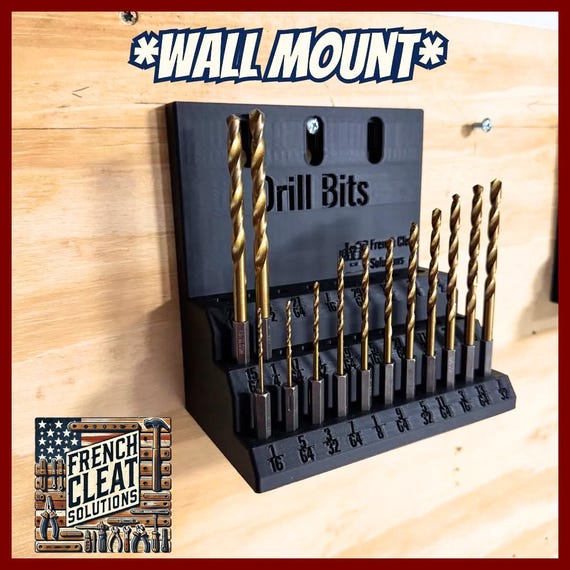
Credit: www.etsy.com
Organizing Drill Bits
Storing drill bits properly keeps them safe and easy to find. Good organization saves time during projects.
Organizing drill bits helps protect their sharp edges and prevents loss. It also keeps your workspace tidy.
Sorting By Size And Type
Sort drill bits by size to find the right one quickly. Grouping bits by type keeps your tools organized.
Common types include twist bits, spade bits, and masonry bits. Arrange these separately for easy access.
- Place small, medium, and large sizes in separate sections
- Group bits by material type like wood, metal, or concrete
- Use trays or holders that fit different sizes and shapes
Labeling For Easy Access
Label storage containers or holders to find drill bits fast. Clear labels reduce searching time.
Use simple tags or stickers that show size and type. Keep labels visible and easy to read.
- Write sizes like 1/8″, 3/16″, or 1/4″ on labels
- Mark bit types such as wood, metal, or masonry
- Use color-coded labels for quick identification
Keeping Sets Together
Keep drill bit sets in their original cases or containers. This stops pieces from getting lost or mixed up.
Store sets in a dedicated box or drawer. This keeps your bits safe and easy to carry.
- Use cases with molded slots for each bit
- Keep all pieces of a set together after use
- Label the set containers with brand and size range
Preventing Damage
Drill bits need careful storage to keep them sharp and useful. Proper storage helps avoid damage and extends their life.
Storing drill bits safely means protecting them from moisture, keeping their edges sharp, and using rust inhibitors.
Avoiding Moisture Exposure
Moisture can cause drill bits to rust and weaken. Keep drill bits in a dry place to stop rust from forming.
Use sealed containers or plastic cases to protect bits from humidity and water drops.
- Store bits in airtight boxes
- Keep bits away from damp areas
- Use silica gel packets to absorb moisture
Protecting Cutting Edges
Cutting edges are sharp and easy to damage if not stored well. Avoid tossing drill bits loosely in a toolbox.
Use holders or organizers to keep bits separated. This stops edges from banging into each other and getting dull.
- Use foam holders or plastic racks
- Keep bits sorted by size
- Handle bits gently to avoid chipping
Using Rust Inhibitors
Rust inhibitors help protect metal from corrosion. Apply oil or rust-preventive sprays to keep drill bits safe.
Reapply rust inhibitors regularly, especially if bits are used in wet or humid conditions.
- Lightly oil drill bits after cleaning
- Use rust-preventive sprays for long storage
- Wipe bits dry before storing

Credit: www.ebay.ca
Maintaining Drill Bits
Keeping drill bits in good shape helps them last longer. Proper maintenance makes drilling easier and safer.
Regular care prevents damage and keeps bits sharp. Follow simple steps to store and maintain drill bits well.
Regular Cleaning Methods
Clean drill bits after each use to remove dust and debris. Dirt can cause rust and reduce performance.
- Use a soft brush to clear dust and particles
- Wipe bits with a dry cloth to remove moisture
- Apply light oil to prevent rust
- Store bits in a dry container or case
Sharpening Tips
Keep drill bits sharp for clean holes and less effort. Dull bits can damage your work and tools.
| Sharpening Method | Tools Needed | Tips |
|---|---|---|
| Hand Grinding | Bench grinder, safety glasses | Hold bit steady, avoid overheating |
| Sharpening Jig | Jig, grinding wheel | Use jig for correct angle and uniform edges |
| Electric Sharpener | Electric sharpener machine | Follow machine instructions carefully |
Inspecting For Wear
Check drill bits often to spot wear or damage. Worn bits reduce drilling quality and can break.
- Look for chipped or rounded edges
- Check for rust or corrosion spots
- Test sharpness by cutting on scrap material
- Replace bits that are badly worn or damaged
Safe Storage Locations
Drill bits are sharp tools that need careful storage. Storing them safely prevents damage and accidents.
Choosing the right location keeps drill bits dry, secure, and easy to find when needed.
Choosing Dry And Cool Spots
Store drill bits in places without moisture. Wet areas cause rust and reduce tool life.
Cool spots help keep drill bits sharp. Avoid areas near heaters or sunlight.
- Use a toolbox or cabinet in a dry room
- Avoid storing near windows or damp basements
- Keep away from heat sources like radiators
Avoiding High Traffic Areas
Do not store drill bits where many people walk. This reduces the risk of accidents.
High traffic areas can cause drill bits to fall or get lost. Choose quiet spots instead.
- Store drill bits in a dedicated workspace
- Use wall-mounted holders away from walkways
- Keep drill bits off floors and open surfaces
Securing From Children
Keep drill bits out of reach of children. They can be sharp and dangerous.
Lock drill bits in boxes or cabinets to stop children from accessing them.
- Use lockable storage containers
- Store drill bits on high shelves
- Teach children about tool safety

Credit: www.reddit.com
Frequently Asked Questions
How Can I Prevent Drill Bits From Rusting?
To prevent rust, store drill bits in a dry, moisture-free environment. Use silica gel packs to absorb humidity. Ensure bits are clean and dry before storing them. Applying a light coat of oil can also help protect against rust. Always store them in a well-ventilated container.
What Is The Best Container For Drill Bits?
A sturdy, plastic case with individual slots is ideal. It keeps drill bits organized and prevents damage. Magnetic strips or holders can also be useful for easy access. Ensure the container is moisture-resistant to prevent rust. Clear labeling helps in quick identification and retrieval.
How Should I Clean Drill Bits Before Storing?
Clean drill bits with a soft cloth to remove debris. Use a brush for stubborn dirt. Ensure they are completely dry before storage to prevent rust. For metal bits, a light oil coating can protect against moisture. Regular cleaning prolongs the lifespan of your drill bits.
Can I Store Drill Bits In A Toolbox?
Yes, but ensure they are in a dedicated section. Use a drill bit organizer to prevent damage and mix-ups. Keep them away from heavy tools to avoid bending. Protect them from moisture by using desiccant packs. Organizing prevents unnecessary wear and ensures easy access.
Conclusion
Storing drill bits safely keeps them sharp and ready to use. Organize bits by size and type to find them easily. Use a dedicated case or holder to protect edges from damage. Keep bits dry to stop rust and wear.
Regular care saves money and improves your work quality. Safe storage means longer tool life and better results. Small steps lead to big improvements in your toolkit. Take time to store drill bits properly every time. Your tools will thank you with reliable performance.