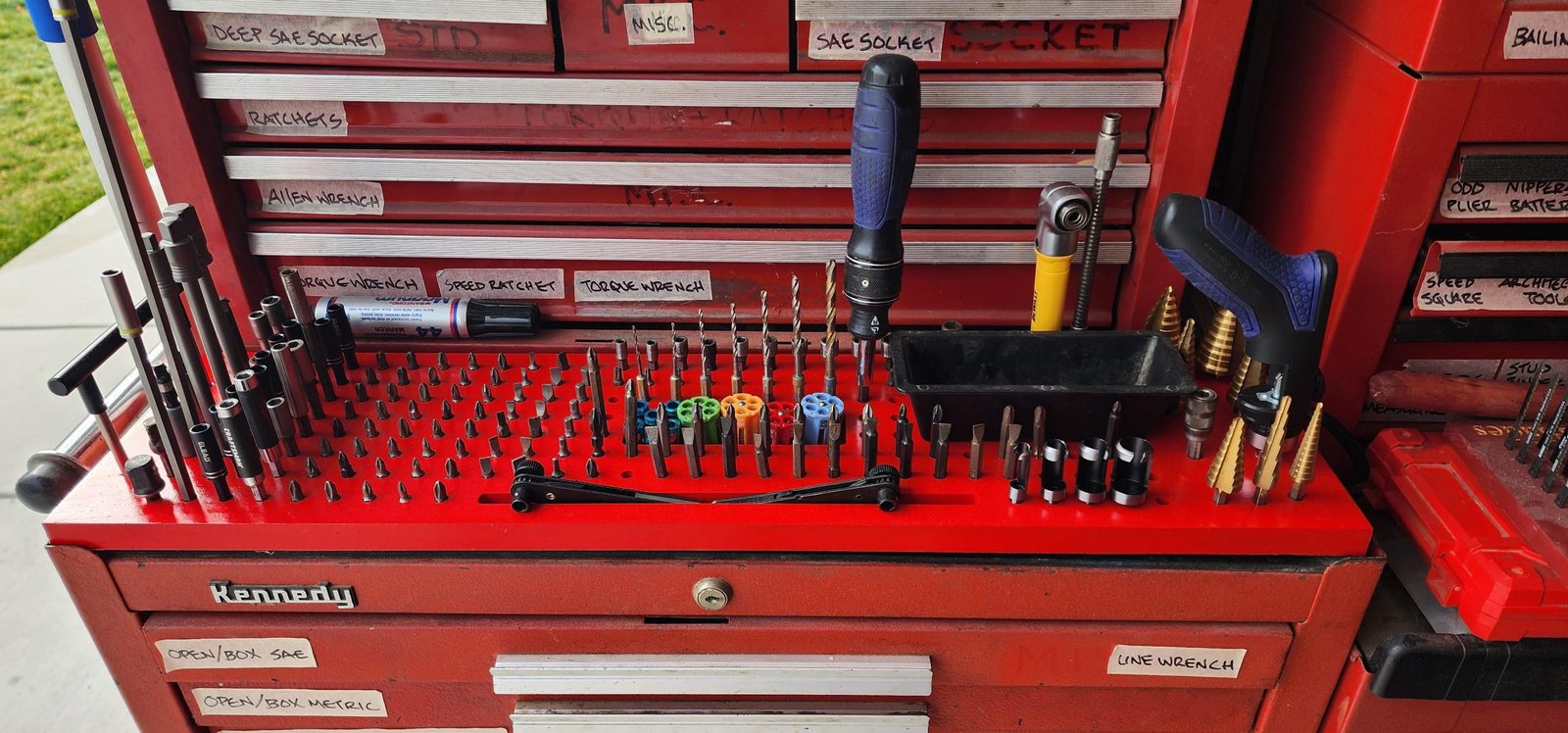
Are you tired of spending precious time hunting for your drills and drivers every time you need them? Imagine opening a cabinet where every tool is neatly organized and easy to find.
Sounds like a dream, right? Well, it doesn’t have to be. In this guide, you’ll discover simple yet effective ways to store your drills and drivers in cabinets, transforming chaos into order. Whether you’re a DIY enthusiast or a professional, keeping your tools organized not only saves time but also enhances productivity and prolongs the life of your equipment.
Curious to know how? Read on and unlock the secrets to a clutter-free tool storage that will make your workbench the envy of every handyman.
Choosing The Right Cabinet
Storing drills and drivers properly keeps your workspace safe and tidy. Choosing a good cabinet helps protect your tools and makes them easy to find.
The right cabinet depends on your tool types, space, and how often you use them. Think about these factors before buying or building a cabinet.
Types Of Cabinets For Tools
There are many cabinets designed to store tools. Some are small and portable, while others are large and fixed in one place.
- Wall-mounted cabinets:Save floor space and keep tools at eye level.
- Rolling tool chests:Portable and good for moving tools around.
- Drawer cabinets:Offer organized space with separate compartments.
- Open shelving units:Easy to access but less secure.
- Lockable cabinets:Provide security for expensive tools.
Size And Accessibility Considerations
Pick a cabinet size that fits your tools and workspace. It should be easy to open and reach all items inside.
| Consideration | Details |
|---|---|
| Cabinet Size | Choose one that holds all your drills and drivers comfortably. |
| Tool Accessibility | Look for cabinets with drawers or shelves that slide out smoothly. |
| Space Available | Measure your workspace before selecting a cabinet. |
| Weight Capacity | Check if the cabinet can support the weight of your tools. |
| Security Features | Locking options help keep tools safe from theft or kids. |

Credit: www.reddit.com
Preparing Your Drills And Drivers
Storing drills and drivers properly keeps them safe and ready to use. Preparing them before storage helps extend their life.
Cleaning and organizing your tools makes it easier to find the right one when needed. Follow simple steps to get started.
Cleaning And Maintenance
Before storing, clean your drills and drivers to remove dirt and dust. Wipe them with a dry cloth and check for damage.
Keep the tools dry to stop rust from forming. If needed, use a light oil on metal parts to protect them.
- Remove dust with a soft brush or cloth
- Check the battery and charge if necessary
- Inspect cords and plugs for any damage
- Apply a small amount of machine oil to metal parts
- Store batteries separately in a cool, dry place
Organizing By Type And Frequency Of Use
Sort drills and drivers by type to keep them easy to find. Group cordless and corded tools separately for quick access.
Place the tools you use most often in the front of the cabinet. Store less used items in the back or higher shelves.
- Group cordless drills together
- Keep corded drivers in another section
- Arrange tools by size or power
- Store frequently used tools at eye level
- Use labeled bins or shelves for better order
Space-saving Storage Solutions
Keeping drills and drivers organized in cabinets saves space and time. Proper storage protects tools and keeps your workspace neat.
Using smart storage ideas helps you fit more tools in less space. This guide shows easy ways to store your drills and drivers efficiently.
Using Vertical Space
Vertical space in cabinets is often unused. You can add shelves or racks that go up the sides or back of your cabinet. This keeps drills and drivers off the floor and easy to reach.
- Install tall shelves to hold drill cases.
- Use stackable bins for small driver bits.
- Hang drill holders that clip to cabinet walls.
- Label each space to find tools quickly.
Incorporating Adjustable Shelves
Adjustable shelves let you change the height to fit different tools. This flexibility helps store drills and drivers of various sizes without wasting space.
| Benefit | Details |
| Custom fit | Change shelf height for tall drills or small drivers |
| Maximize space | Use all cabinet height without gaps |
| Easy access | Arrange tools at a reachable level |
| Organized look | Keep tools tidy and visible |
Installing Pegboards And Hooks
Pegboards and hooks create flexible storage inside cabinet doors or walls. You can hang drills and drivers for quick grab-and-go use.
Use these tips for pegboards and hooks:
- Mount pegboards inside cabinet doors.
- Use hooks sized for drill handles and driver sets.
- Add small baskets on pegboards for bits and accessories.
- Arrange hooks by tool type for easy sorting.
Custom Storage Options
Storing drills and drivers properly keeps them safe and easy to find. Custom storage options fit your tools perfectly.
Using cabinets with tailored features helps organize your tools. You can build inserts or dividers to suit your needs.
Building Foam Inserts
Foam inserts hold drills and drivers firmly in place. They stop tools from moving and getting damaged inside cabinets.
You can cut foam to match the shape of your tools. This creates a neat and secure storage space for each item.
- Choose dense foam for better protection
- Trace your tools on foam before cutting
- Use a sharp knife for clean edges
- Fit the foam inside cabinet drawers or shelves
Magnetic Strips For Small Parts
Magnetic strips hold small metal parts like drill bits and screws. They keep these items visible and easy to grab.
Mount magnetic strips inside your cabinet doors or on walls. This saves space and reduces clutter in drawers.
- Select strong magnets to hold heavier parts
- Place strips at a reachable height
- Label parts near the strips for quick access
- Keep magnetic strips clean to maintain grip
Diy Compartments And Dividers
Compartments and dividers separate drills, drivers, and accessories. They prevent tools from mixing and getting lost.
You can use wood, plastic, or cardboard to build custom dividers. Adjust sizes to fit different tool shapes and sizes.
- Measure cabinet space before cutting dividers
- Glue or nail dividers for stability
- Use removable dividers for flexible storage
- Label compartments for easy organization
Safety And Accessibility
Storing drills and drivers properly keeps your workspace safe. It also helps you find tools quickly.
Good storage prevents damage and makes tools easy to reach. This saves time and avoids accidents.
Securing Tools To Prevent Damage
Keep drills and drivers in padded holders or cases. This protects them from bumps and scratches.
Use clamps or straps inside cabinets to hold tools firmly. This stops them from falling or moving.
- Use foam inserts to cushion tools
- Install hooks or straps for secure holding
- Keep batteries removed when not in use
- Store chargers separately to avoid damage
Easy Retrieval Techniques
Organize your tools by size or type to find them fast. Label shelves or compartments clearly.
Keep frequently used tools near the front of the cabinet. This reduces time spent searching.
- Use clear bins or drawers for small parts
- Add pull-out shelves for easy access
- Place chargers and batteries together
- Use magnetic strips for metal tools

Credit: www.reddit.com
Maintaining Organized Cabinets
Keeping drills and drivers in organized cabinets saves time and protects tools. It also helps you find tools quickly when needed.
Proper storage prevents damage and keeps your workspace neat. A few simple habits can keep your cabinets tidy.
Regular Inventory Checks
Check your drills and drivers often to see what you have. This helps avoid buying duplicates and keeps tools ready to use.
Look for tools that need repair or replacement. Keep only what you need and remove broken items.
- Count all drills and drivers monthly
- Inspect tools for damage or wear
- Note missing or extra items
- Remove broken or outdated tools
Labeling And Cataloging Tools
Label each shelf or section in your cabinet. This makes it easy to return tools to the right spot.
Keep a list or catalog of all drills and drivers. Include details like size, type, and condition.
- Use clear labels on shelves and drawers
- Create a simple inventory list or chart
- Update the list after every tool use
- Use labels that are easy to read and durable

Credit: www.reddit.com
Frequently Asked Questions
How Do I Organize Drills In Cabinets Efficiently?
Use clear bins or labeled containers to separate drill types. Arrange by size or frequency of use. This keeps tools accessible and prevents damage. Utilize vertical space with hooks or pegboards inside cabinet doors.
What Is The Best Way To Store Drill Drivers Safely?
Store drill drivers in padded compartments or original cases to avoid damage. Keep batteries separate and charged. Ensure cabinets are dry and away from extreme temperatures to prolong tool life.
Can I Store Cordless Drills And Accessories Together?
Yes, store cordless drills with chargers and bits in the same cabinet. Use small containers or dividers to keep accessories organized. This saves space and makes it easy to find everything when needed.
How Do I Prevent Drills From Rusting In Cabinets?
Keep cabinets dry and use silica gel packs to absorb moisture. Regularly clean drills before storage. Avoid storing in damp areas to prevent rust and maintain tool performance.
Conclusion
Storing drills and drivers in cabinets keeps your tools safe and ready. Use shelves, hooks, or bins to stay organized. Label each spot for easy finding every time. Keep batteries separate to avoid damage or leaks. Clean tools before storing to extend their life.
A tidy cabinet saves time and frustration. Small steps create big order in your workspace. Start today for a neat and efficient tool area. Simple habits make tool storage stress-free and smart.