Do you want to keep your hand drills in top shape and ready to use whenever you need them? Storing your tools the right way is more important than you might think.
Poor storage can lead to rust, damage, or even accidents. You’ll discover simple and effective ways to store your hand drills safely. By following these tips, you’ll protect your tools, save money, and work more efficiently. Keep reading to learn how to make your hand drills last longer and stay in perfect condition.
Credit: www.amazon.com.au
Choosing The Right Storage Space
Storing hand drills safely keeps them working longer. Picking a good storage place matters a lot.
You want a spot that protects your tools from damage. Think about temperature, dust, and moisture.
Temperature And Humidity Considerations
Keep hand drills in a place with steady temperature. Avoid places that get too hot or cold.
High humidity can cause metal parts to rust. Low humidity helps keep your tools safe and dry.
- Store drills away from heaters or air conditioners
- Use a climate-controlled room if possible
- Check humidity levels and use a dehumidifier if needed
Avoiding Dust And Dirt
Dust and dirt can clog hand drills and wear them out. Keep drills in a clean place to protect them.
Use closed storage like boxes or cabinets. This stops dust from settling on your tools.
- Cover drills with cloth or plastic when not in use
- Clean storage area regularly to reduce dust
- Store drills off the floor to avoid dirt
Selecting A Dry Location
Choose a dry place to stop moisture damage. Wet areas cause rust and electrical problems.
Avoid basements or garages that flood or stay damp. Pick higher spots that stay dry all year.
- Use shelves or wall mounts to keep drills off wet floors
- Check for leaks or water damage in the storage area
- Use moisture absorbers to keep air dry

Credit: kmccberwick.ca
Cleaning Before Storage
Keeping hand drills clean before storing them helps them last longer. Dirt and grime can damage the tool.
Proper cleaning prevents rust and keeps the drill parts working well. Always clean your hand drill after use.
Removing Dust And Debris
Dust and debris can build up in your hand drill. Removing these keeps the tool safe and working properly.
Use a small brush or compressed air to clean tight spots and surfaces.
- Brush off dust from the drill body and handle
- Blow out dirt from vents and crevices
- Wipe the drill with a dry cloth to remove leftover debris
Lubricating Moving Parts
Lubricate the drill’s moving parts to keep them smooth and avoid wear. This helps the drill work better.
Apply light machine oil or a lubricant made for power tools on gears and shafts.
- Put a few drops on the chuck mechanism
- Lubricate any rotating or sliding parts
- Wipe off extra oil to avoid dust sticking
Checking For Rust
Rust can damage your hand drill and make it unsafe. Check for rust before storing your tool.
Look at metal parts and clean any rust spots with a wire brush or sandpaper.
- Check the drill bits and chuck for rust
- Remove light rust with fine sandpaper
- Apply rust-preventive spray after cleaning
Protective Storage Methods
Storing hand drills safely helps keep them in good shape. Proper storage stops damage and makes drills last longer.
Using the right storage tools protects hand drills from dust, moisture, and accidents. It also keeps your workspace tidy.
Using Toolboxes And Cases
Toolboxes and cases keep hand drills secure and easy to carry. They protect drills from bumps and dirt during storage.
Choose cases with padding or compartments to hold the drill and accessories safely. This prevents scratches and damage.
- Hard plastic cases resist impacts
- Compartments keep drill parts organized
- Lockable boxes add extra security
- Portable cases make transport easy
Employing Protective Covers
Protective covers guard hand drills from dust and moisture when not in use. They also stop accidental scratches.
Use covers made of cloth or plastic that fit the drill well. Covers are simple and help keep tools clean.
- Cloth covers allow air flow to prevent rust
- Plastic covers block dust and dirt
- Custom-fit covers protect drill shapes
- Easy to remove and replace covers
Organizing With Tool Racks
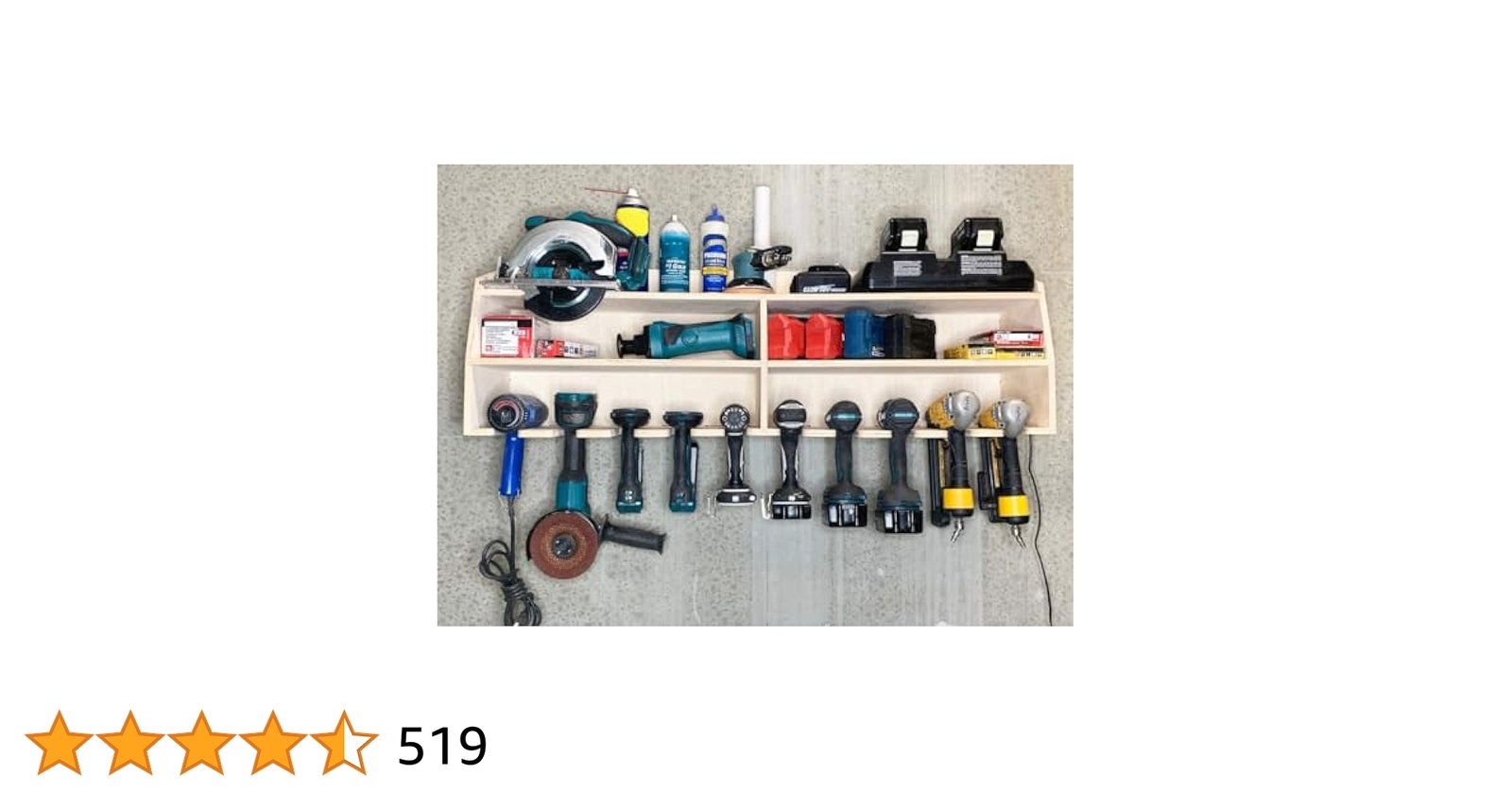
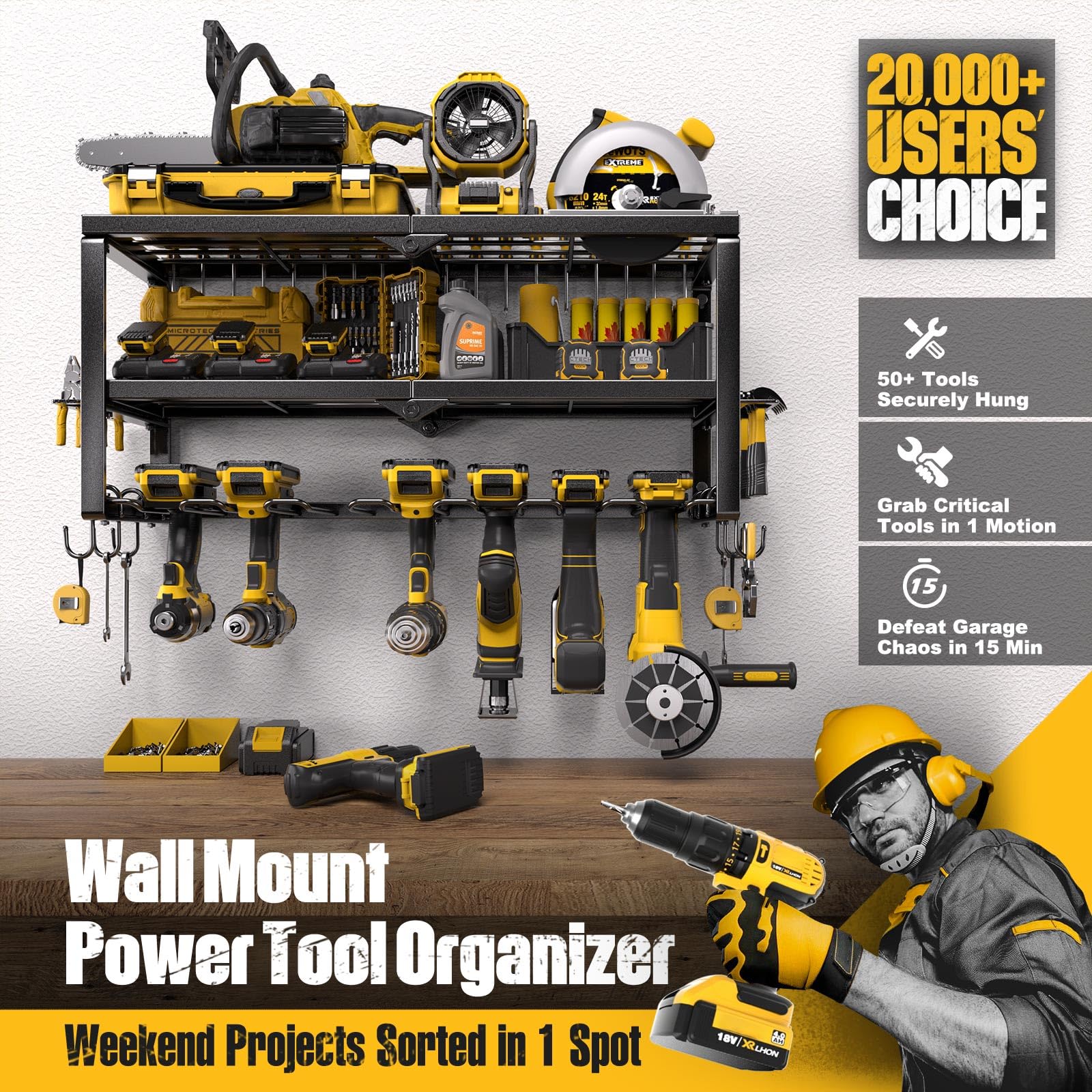
Tool racks keep hand drills off surfaces and in view. This reduces the chance of dropping or losing them.
Mount racks on walls or benches to save space. Use racks with hooks or slots sized for drills.
- Wall racks free up workspace
- Slots hold drills securely upright
- Hooks allow quick hanging and removal
- Organized racks help find drills fast
Regular Maintenance Checks
Keeping hand drills in good condition helps them last longer. Regular checks prevent problems and keep tools safe.
Check your hand drills often to spot issues early. Clean and fix parts as needed for best performance.
Inspecting For Wear And Tear
Look over your drill for signs of damage. Cracks, rust, or worn parts can cause accidents.
Check the body, handle, and cord for any problems. Replace damaged parts quickly to stay safe.
Sharpening Drill Bits
Dull drill bits make work harder and can damage the drill. Keep bits sharp for smooth drilling.
Use a sharpening tool or file to fix blunt edges. Sharpen bits carefully to keep their shape.
Tightening Loose Components
Loose parts reduce drill accuracy and can cause injuries. Check screws and bolts often.
Use a screwdriver or wrench to tighten loose components. Secure parts before each use for safety.
Safe Handling Practices
Hand drills need careful handling to keep them safe and working well.
Good safety habits help avoid damage and injury during use and storage.
Transporting Hand Drills Securely
Always use a sturdy case or bag to carry hand drills. This prevents scratches and protects the tool from drops.
- Use a padded case designed for power tools.
- Keep the drill upright to avoid damage to the motor.
- Secure drill bits separately to prevent movement.
- Check the case locks before moving.
Avoiding Dropping Or Impact
Dropping hand drills can cause serious damage. Always place drills on flat surfaces and use both hands when carrying.
| Tip | Reason |
| Keep work area clear | Prevents tripping and dropping drills |
| Use tool belts | Keeps drills secure when not in use |
| Handle with care | Reduces risk of impact damage |
Using Proper Grip And Support
Hold the drill firmly with both hands for better control and safety.
- Use your dominant hand to hold the drill handle.
- Support the drill body with your other hand.
- Keep your fingers away from the drill bit.
- Wear gloves if needed to improve grip.

Credit: www.reddit.com
Long-term Storage Tips
Storing hand drills safely helps keep them working well for years. Proper care prevents damage and rust during long breaks.
Using the right storage methods protects your tools from moisture and wear. Follow these tips to keep your hand drills ready to use.
Periodic Operation Tests
Run your hand drills occasionally to check if they still work well. This helps find problems early before they get worse.
Turn the drill on and off. Listen for strange sounds and check if it runs smoothly. Test the chuck to ensure it grips bits firmly.
Applying Rust Preventatives
Rust can damage metal parts of hand drills. Apply a thin layer of oil or rust protector to keep moisture away.
- Use light machine oil on metal surfaces
- Apply rust-preventive spray if available
- Wipe off excess oil to avoid dust build-up
- Check and reapply every few months
Storing With Desiccants
Desiccants absorb moisture and stop rust from forming. Place them near your drills during storage.
- Use silica gel packs inside the storage box
- Replace desiccants if they become saturated
- Store drills in airtight containers for best results
Frequently Asked Questions
How Do I Organize My Hand Drills Efficiently?
Organize hand drills by size and frequency of use. Store them in a sturdy toolbox or on a wall-mounted rack. Keep the most-used drills easily accessible. Use dividers or labeled bins for smaller accessories. This system ensures quick access and maintains a tidy workspace.
What Safety Tips Exist For Storing Hand Drills?
Always store hand drills in a secure, dry place. Ensure they’re switched off before storage. Use protective cases or covers to prevent dust accumulation. Keep them out of reach of children and away from water sources. Regularly check the drill for damage or wear.
Can I Hang Hand Drills On The Wall?
Yes, hanging hand drills on a pegboard is effective. Use hooks or holders that fit the drill size. Ensure the wall is sturdy enough to support the weight. This method saves space and keeps drills within easy reach. It’s ideal for workshops with limited space.
Should Hand Drills Be Stored In Cases?
Storing hand drills in cases offers protection from dust and moisture. Cases also prevent accidental damage. Choose a case with enough padding and compartments. This method is excellent for portable storage and ensures drills remain in top condition. Regularly clean the case for optimal results.
Conclusion
Storing hand drills safely protects them from damage and rust. Keep drills dry and clean before storage. Use a sturdy case or toolbox to avoid accidents. Store in a cool, dry place away from children. Regular checks help spot issues early.
Safe storage extends the drill’s life and keeps you safe. Follow these simple steps for better tool care. Your drills will stay ready for every job ahead.