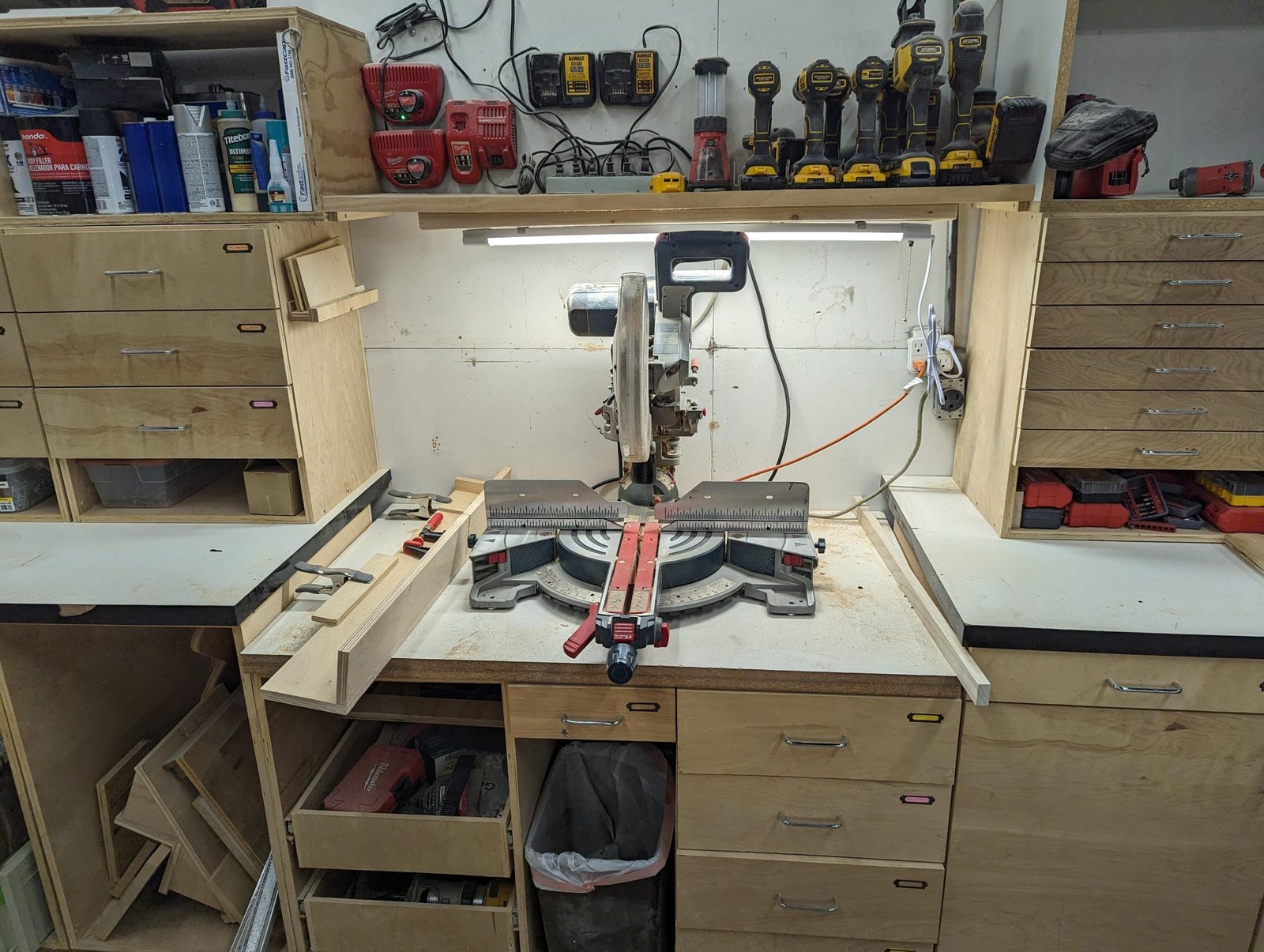
Are you tired of opening your tool drawer only to find a clutter of hand saws, each vying for space and making it impossible to find the one you need? Storing hand saws in drawers can be a real headache, especially if you value organization and efficiency in your workspace.
But what if there was a way to transform this chaotic mess into a neatly arranged collection, where each saw has its own place and is easily accessible? Imagine opening your drawer to a perfectly organized display of hand saws, each one secure and ready for action.
Sounds like a dream, right? But it’s entirely possible, and we’re here to show you how. By following a few simple steps, you can protect your tools, prolong their lifespan, and streamline your work process. Keep reading to discover the secrets of efficient hand saw storage that will keep your tools sharp and your mind at ease.
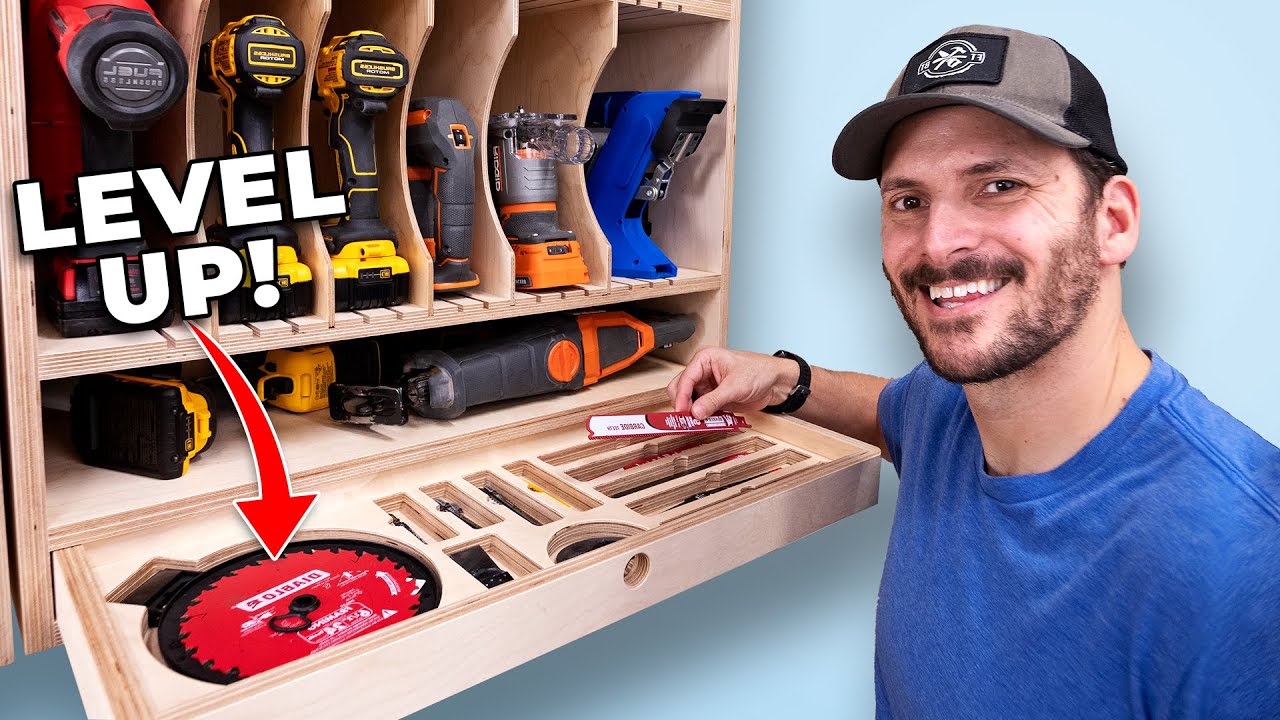
Credit: www.youtube.com
Choosing The Right Drawer
Storing hand saws properly keeps them safe and sharp. Picking the right drawer helps protect your tools.
This guide focuses on how to choose a drawer that fits your saws well and lasts long.
Assessing Drawer Size And Depth
Measure your hand saws before picking a drawer. The drawer must be wide and deep enough for the saws.
- Length: The drawer should be longer than the longest saw.
- Width: Leave space to avoid saws touching each other.
- Depth: Deep drawers protect saw teeth from damage.
- Height: Enough room for saw handles without bending.
Material Considerations
Choose a drawer made from materials that protect your saws. Wood and metal are common choices.
| Material | Benefits | Drawbacks |
| Wood | Gentle on tools, absorbs moisture | Can warp if wet |
| Metal | Strong and durable | May cause rust if not coated |
| Plastic | Lightweight and easy to clean | Less sturdy, can crack |

Credit: www.pantorouter.com
Preparing The Drawer
Storing hand saws properly keeps them safe and easy to find. Preparing the drawer well is the first step.
This guide explains how to clean and organize your drawer and add protective liners to protect your saws.
Cleaning And Organizing
Start by emptying the drawer completely. Remove any dust, dirt, or old debris.
- Vacuum the drawer to remove loose dirt.
- Wipe down all surfaces with a damp cloth.
- Use mild soap if there are stains or sticky spots.
- Dry the drawer fully before adding anything back.
- Sort your hand saws by size or type for easy access.
Adding Protective Liners
Protective liners keep your saws from scratching and reduce rust risk. Choose liners that suit your drawer size.
| Type of Liner | Material | Benefit |
|---|---|---|
| Foam | Soft foam sheets | Cushions saws and reduces movement |
| Rubber | Non-slip rubber mats | Keeps saws from sliding |
| Felt | Thick felt fabric | Prevents scratches on blades |
Safe Placement Techniques
Storing hand saws safely in drawers keeps your workspace neat. It also protects the saw blades and prevents accidents.
Using the right techniques helps your saws last longer. It also makes it easier to find the tool you need.
Positioning Saw Blades
Place saw blades so they do not touch each other. Lay them flat with the teeth facing up or to the side. This stops blades from getting dull or damaged.
Keep blades away from the drawer edges to avoid bending. Use drawer liners or soft mats to add extra protection.
Using Blade Guards
Blade guards cover the teeth and sharp edges of saws. Use plastic or rubber guards to keep blades safe inside drawers. They also protect your hands from cuts when reaching for saws.
If you don’t have guards, wrap blades with cloth or thick paper. Secure the wrap with tape or rubber bands to keep it in place.
Separating Different Saws
Keep different saws apart inside drawers to avoid damage. Use dividers or small boxes to separate each saw. This stops blades from rubbing against each other.
- Use foam strips or wooden blocks as dividers
- Label each section for easy access
- Store larger saws separately from smaller ones
- Keep specialty saws in their own compartments
Custom Storage Solutions
Storing hand saws properly keeps them sharp and safe. Custom storage solutions help organize your tools neatly.
Using drawers with special features can protect saws and make them easy to find. Below are three ways to customize your drawer storage.
Installing Dividers
Dividers separate each hand saw in a drawer. They stop saws from bumping into each other and dulling the blades.
- Use wood or plastic strips to create sections
- Measure each saw to fit the correct slot size
- Secure dividers firmly to avoid movement
- Label sections for different saw types
Using Foam Inserts
Foam inserts cushion hand saws and hold them in place. Cut the foam to fit your saws perfectly.
| Type of Foam | Best Use |
| High-density foam | Protects blades from impact |
| Soft foam | Prevents scratches on handles |
| Layered foam | Custom fit for different saw sizes |
Magnetic Strips And Holders
Magnetic strips hold metal saw blades securely inside drawers. They save space and keep saws visible.
Tips for using magnetic holders:
- Choose strong magnets to hold heavy saws
- Mount strips on drawer sides or bottoms
- Keep magnets away from delicate parts of saws
- Check magnets regularly for strength
Maintenance Tips For Longevity
Proper storage of hand saws in drawers helps keep them sharp and safe. Good maintenance extends their life and improves performance.
Follow simple cleaning, rust prevention, and inspection steps. These actions protect your tools and keep them ready for use.
Regular Cleaning
Clean your hand saw after each use. Remove dust, sap, and dirt with a soft brush or cloth. Avoid using water to prevent rust.
- Brush off sawdust and debris
- Wipe the blade with a dry cloth
- Use mineral spirits for sticky residue
- Dry the saw completely before storing
Rust Prevention
Rust can damage saw blades quickly. Keep the blades dry and apply a light coat of oil before storing.
| Rust Prevention Tip | Why It Helps |
| Use a rust inhibitor spray | Forms a protective layer |
| Store saws in a dry drawer | Reduces moisture exposure |
| Wrap blades in oil-soaked cloth | Prevents air contact |
| Check for rust regularly | Fix early to avoid damage |
Sharpening And Inspection
Check your saw blade for dullness or damage. Sharpen the teeth carefully with the right tool. Inspect the handle and blade for cracks.
- Examine teeth for chips or dull spots
- Use a file or sharpening tool designed for saws
- Sharpen each tooth evenly
- Tighten or replace loose handles
- Store saws flat to avoid blade bending

Credit: www.reddit.com
Safety Precautions
Storing hand saws safely in drawers is very important. Proper storage helps avoid accidents and keeps tools in good shape.
Taking simple safety steps protects you and others from cuts or injuries caused by sharp saw blades.
Avoiding Drawer Overcrowding
Do not put too many hand saws in one drawer. Overcrowding can cause blades to rub and dull or damage handles.
Keep enough space between saws to prevent them from touching. Use dividers or holders to separate each saw.
- Use drawer dividers to keep saws apart
- Store saws with blades covered or wrapped
- Place saws flat to avoid falling or shifting
- Check drawer space before adding more saws
Childproofing Storage Areas
Keep hand saws out of reach of children. Store them in locked drawers or cabinets to stop accidents.
Use childproof locks or safety latches on drawers where saws are stored. Teach children that saws are not toys.
- Install childproof locks on tool drawers
- Store saws in high or locked cabinets
- Cover sharp blades with guards or sheaths
- Explain dangers of saws to children clearly
Frequently Asked Questions
How To Prevent Rust On Hand Saws In Drawers?
Keep hand saws dry before storing them in drawers. Use silica gel packs to absorb moisture. Apply a light coat of oil on the blade. This prevents rust and keeps the saw sharp longer.
What Drawer Materials Work Best For Storing Hand Saws?
Wood or metal drawers are ideal for storing hand saws. Both materials are sturdy and provide good protection. Use drawer liners to avoid scratches. Ensure the drawer is clean and dry to prevent damage.
How To Organize Multiple Hand Saws In One Drawer?
Use dividers or custom foam inserts to separate saws. Arrange saws blade-down to protect edges. Label each section for easy identification. This keeps saws organized, safe, and accessible.
Can I Store Hand Saws With Other Tools In Drawers?
It is best to store hand saws separately to avoid blade damage. Use dedicated compartments or holders inside the drawer. This prevents accidents and keeps tools in good condition.
Conclusion
Storing hand saws in drawers keeps your workspace neat and safe. Use dividers or holders to stop blades from touching. Keep saws dry to prevent rust and damage. Labeling drawers helps find tools quickly and easily. Regularly clean and check your saws for best use.
Proper storage extends tool life and saves time. Small efforts make a big difference in tool care. Your saws stay sharp and ready for any job. Simple steps ensure a tidy and efficient workshop.