
Are your sanding tools taking over your workspace, leaving you frustrated and disorganized? You’re not alone.
Many DIY enthusiasts and professionals struggle with cluttered work areas that can stifle creativity and efficiency. Imagine walking into your workshop and finding every tool in its place, ready to be used at a moment’s notice. This isn’t just a dream—it can be your reality.
By learning how to store your sanding tools efficiently, you can save time, reduce stress, and boost your productivity. This article will guide you through practical tips and clever storage solutions that will transform your workshop into a streamlined haven. Ready to unlock the secrets of efficient tool storage? Let’s dive in!
Choose The Right Storage Spot
Storing sanding tools in the right place keeps them safe and ready to use. A good spot protects tools from damage and saves space.
Pick a storage spot that fits your tools and workspace. This helps keep your area neat and tools easy to find.
Assessing Available Space
Look around your workshop or garage to see where you can store tools. Check shelves, cabinets, or empty corners that are dry and clean.
Measure the space to make sure your sanding tools will fit well. Avoid spots that are too small or hard to reach.
- Choose a dry area to prevent rust
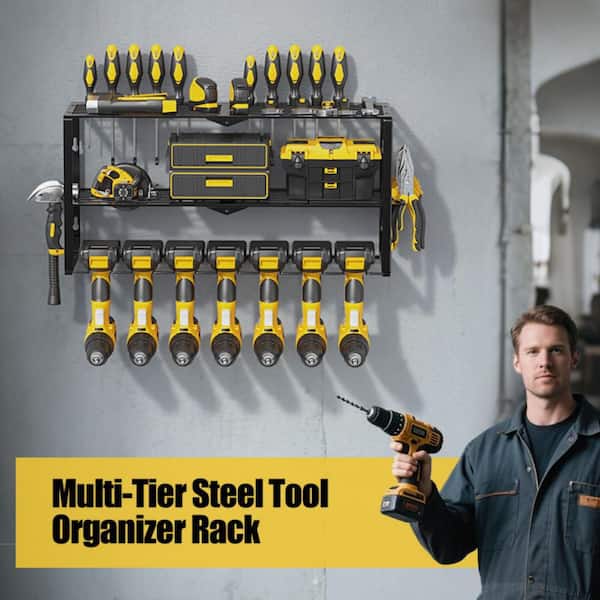
- Use vertical space with wall racks or pegboards
- Keep tools off the floor to avoid dirt
Considering Tool Accessibility
Store sanding tools where you can easily reach them. Avoid stacking tools deep in cabinets or behind other items.
Organize tools by type or use. This makes it quicker to grab the right tool when you need it.
- Place frequently used tools at eye level
- Group similar tools together for fast access
- Label storage spots to find tools easily

Credit: www.garvee.com
Organize By Tool Type
Storing sanding tools efficiently saves space and keeps your workspace tidy. Organizing by tool type helps you find tools quickly.
Separate your tools into groups like hand sanders, power sanders, and sandpaper. This method keeps everything neat and easy to access.
Grouping Hand Sanders
Hand sanders are small and easy to move. Store them together on hooks or shelves. Use bins or trays to keep them from rolling around.
Label each storage spot for quick identification. Keep similar hand sanders together to avoid confusion.
- Use wall hooks or pegboards
- Place sanders in bins or trays
- Label each spot clearly
- Group by size or shape
Separating Power Sanders
Power sanders need more space and safe storage. Keep them in sturdy shelves or cabinets. Store cords separately to avoid tangles.
Place heavy power sanders on lower shelves for safety. Make sure they are easy to reach but not in the way.
- Use strong shelves or cabinets
- Store cords in hooks or boxes
- Keep heavy tools on lower shelves
- Separate by sanding type (orbital, belt, detail)
Storing Sandpaper And Accessories
Sandpaper comes in many grits and sizes. Store them flat or in folders to avoid bending. Keep similar grits together for easy use.
Accessories like pads and belts should have their own space. Use containers or drawers to keep them sorted and clean.
- Store sandpaper flat or in folders
- Group by grit size
- Use containers for pads and belts
- Keep accessories clean and dry
Use Vertical Storage Solutions
Storing sanding tools properly helps keep your workspace neat and safe. Vertical storage saves floor space and keeps tools easy to reach.
Using walls for storage lets you organize sanding tools by size and type. It also protects them from damage and extends their life.
Wall-mounted Racks
Wall-mounted racks hold sanding blocks and discs securely. They keep tools visible and prevent clutter on workbenches.
- Choose racks with slots or shelves sized for your tools
- Mount racks at a comfortable height for easy access
- Label each slot to quickly find the right sanding tool
- Use racks for both power and hand sanding tools
Pegboards And Hooks
Pegboards work well for hanging sanding tools and accessories. Hooks keep everything off the floor and neatly arranged.
| Tool Type | Recommended Hook | Benefit |
|---|---|---|
| Sanding Blocks | Wide peg hooks | Prevents marks and holds securely |
| Orbital Sanders | Heavy-duty hooks | Supports weight safely |
| Sanding Discs | Small peg hooks with clips | Keeps discs organized by grit |
| Hand Sanders | Standard hooks | Easy to hang and grab |

Credit: www.rockler.com
Implement Compact Storage Units
Storing sanding tools properly saves space and keeps your work area neat. Compact storage units help organize tools efficiently. This makes tools easy to find and protects them from damage.
Choosing the right storage option depends on your space and tool types. Here are two practical choices to consider for storing sanding tools.
Stackable Drawers
Stackable drawers let you organize sanding tools by size and type. They save space by stacking vertically. Drawers also protect tools from dust and moisture.
- Label each drawer for quick tool access
- Use small containers inside drawers for sandpaper sheets
- Choose clear or translucent drawers to see contents
- Stack drawers in a dry, accessible area
Portable Toolboxes
Portable toolboxes offer mobility and compact storage. They keep sanding tools together and safe during transport. This option fits well if you move between job sites.
| Feature | Benefit | Tip |
| Multiple Compartments | Separate small tools and accessories | Use foam inserts to protect delicate items |
| Sturdy Handle | Easy to carry | Check handle strength before purchase |
| Compact Size | Saves workspace area | Pick a size that fits your tools without crowding |
Label And Inventory Tools
Storing sanding tools properly helps keep your workspace tidy. Clear labels and a good inventory system save time. You can find tools quickly and avoid buying duplicates.
Organizing your tools with labels and an inventory list makes work easier. You always know what you have and where to find it.
Creating Clear Labels
Labels help you spot tools fast. Use easy-to-read labels on each tool or storage bin. Write the tool name and type clearly. Use large fonts and waterproof markers for durability.
- Use simple words for tool names
- Include size or grit if needed
- Place labels where they are easy to see
- Replace faded labels regularly
- Use color codes for tool categories
Maintaining A Tool Inventory List
Keep a list of all your sanding tools. Update it when you add or remove items. This helps track tools and plan purchases.
| Tool Name | Type | Quantity | Location |
| Sanding Block | Hand Tool | 3 | Drawer 1 |
| Orbital Sander | Power Tool | 1 | Shelf A |
| Sandpaper Sheets | Accessory | 20 | Bin 2 |
Protect Tools From Damage
Keeping sanding tools safe helps them last longer. Proper storage stops damage and wear.
Storing tools correctly saves money and time on repairs or replacements.
Using Protective Covers
Cover sanding tools with protective cases or cloths. Covers keep dirt and scratches away.
Soft covers prevent dents and protect sharp edges. They also reduce moisture contact.
- Use padded cases for electric sanders
- Wrap hand sanding blocks in cloth
- Store sandpaper sheets in plastic sleeves
- Label covers for easy tool identification
Controlling Humidity And Dust
Keep sanding tools in a dry place to stop rust and damage. Humidity causes metal parts to corrode.
Dust can clog moving parts and reduce tool life. Clean and cover tools to limit dust buildup.
- Store tools in sealed containers or cabinets
- Use silica gel packs to absorb moisture
- Keep the storage area clean and ventilated
- Wipe tools after use to remove dust and dirt
Maximize Space With Multi-functional Furniture
Storing sanding tools can be a challenge in small workshops. Using multi-functional furniture helps save space and keeps tools organized. This approach combines storage and work areas efficiently.
Choosing the right furniture lets you keep sanding tools handy and your workspace clear. Focus on options that offer storage without taking extra room.
Workbench Storage Options
A well-designed workbench is key to storing sanding tools. It can hold tools within reach and provide a sturdy surface for projects. Some workbenches come with built-in storage like drawers, shelves, or pegboards.
- Drawers to store sandpaper and small tools
- Open shelves for larger sanding blocks and machines
- Pegboards for hanging hand sanding tools
- Magnetic strips for easy access to metal tools
| Workbench Type | Storage Feature | Benefit |
| Standard Workbench | Under-shelf storage | Extra space without clutter |
| Workbench with Drawers | Multiple drawers | Organized small tool storage |
| Workbench with Pegboard | Vertical hanging space | Quick tool access |
Foldable And Mobile Stations
Foldable and mobile stations allow you to move sanding tools easily. These stations save space by folding away when not in use. Mobile carts can hold tools and supplies, keeping your workspace flexible.
- Foldable tables that collapse for storage
- Mobile carts with wheels for easy transport
- Compact designs that fit in small areas
- Multiple shelves or compartments on carts
Regular Maintenance And Decluttering
Keeping sanding tools in good shape helps them last longer. Regular maintenance also keeps your workspace safe and neat.
Decluttering removes broken or worn-out tools. This makes it easier to find the tools you need quickly.
Routine Cleaning
Clean sanding tools after every use. Dust and debris can damage the tools if left on them.
Use a soft brush or cloth to remove dust from sanding discs and blocks. Wipe handles to keep them dry and clean.
- Remove sanding dust with a brush
- Wipe tools with a dry cloth
- Store tools in a dry place to prevent rust
- Check for damage during cleaning
Discarding Unusable Tools
Throw away sanding tools that no longer work well. Worn sandpaper or broken handles reduce work quality and safety.
Sort tools into usable and unusable piles. Keep only the tools that are in good condition and useful.
- Check sandpaper for tears or smooth spots
- Inspect handles for cracks or breaks
- Remove tools that are unsafe to use
- Recycle or dispose of old materials properly
Credit: www.homedepot.com
Frequently Asked Questions
How Can I Organize Sanding Tools Effectively?
Organize sanding tools by size and type. Use labeled bins or drawers to keep them separate. Store frequently used tools within easy reach. This saves time and prevents damage.
What Is The Best Storage For Sanding Sheets?
Store sanding sheets flat in a dry, cool place. Use clear plastic sleeves or folders to prevent curling. Keep them away from moisture to maintain grit quality.
How Do I Protect Sanding Tools From Damage?
Keep sanding tools clean and dry after use. Avoid stacking heavy items on top of them. Use protective cases or compartments to prevent scratches and wear.
Can I Store Sanding Tools Outdoors Safely?
Avoid storing sanding tools outdoors. Moisture and temperature changes can damage them. Instead, use a sealed, climate-controlled indoor space for storage.
Conclusion
Storing sanding tools properly saves space and keeps tools ready. Use shelves, bins, or hooks to organize your tools. Keep them dry and clean to avoid damage. Label containers for easy finding later. Regularly check your storage to keep it neat.
A simple system helps you work faster and better. Good storage protects your tools and extends their life. Simple steps make a big difference in your workspace. Stay organized, and your sanding tools will always be easy to use.