Are you tired of rummaging through a drawer full of jumbled tools, only to cut your finger on a misplaced utility knife? You’re not alone.
Many people overlook the importance of storing utility knives safely, but doing so can prevent accidents and keep your workspace organized. Imagine reaching for a tool without hesitation, knowing it’s exactly where it should be. In this guide, you’ll discover simple tips and tricks to ensure your utility knives are stored securely and efficiently.
Stick around, because mastering this could save you from future mishaps and make your DIY projects smoother than ever.
Credit: coolmomeats.com
Choosing The Right Storage
Utility knives are sharp and can be dangerous if stored carelessly. Choosing the right storage keeps blades safe and protects users.
Good storage also helps keep knives in good condition. Here are some useful options for storing utility knives safely.
Blade Covers And Sheaths
Blade covers and sheaths protect the knife edges and prevent cuts. They are often made of plastic or leather.
- Use covers that fit the blade size exactly.
- Replace damaged covers to keep safety intact.
- Always cover blades before storing or carrying.
- Keep covers clean and dry to avoid rust.
Magnetic Strips
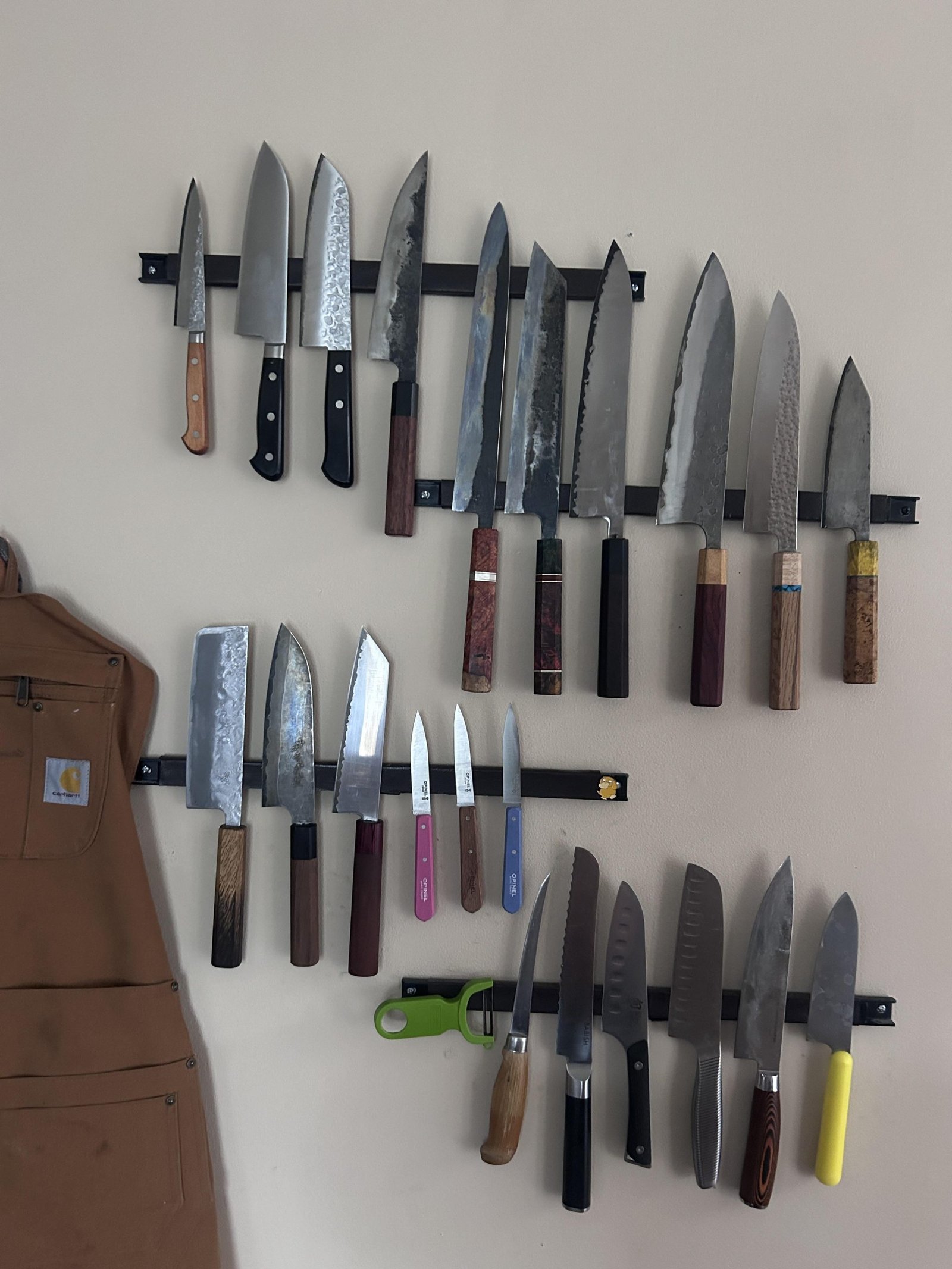
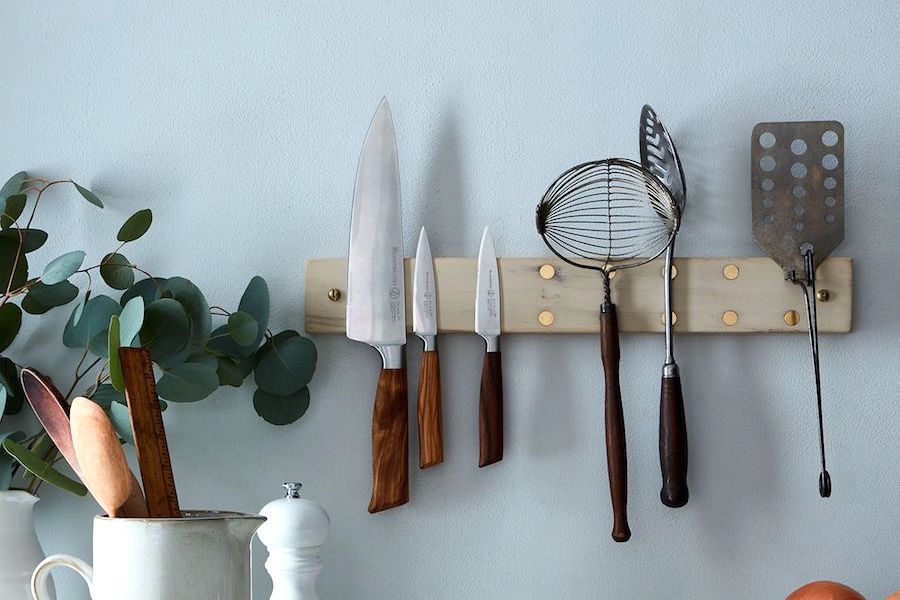
Magnetic strips hold utility knives firmly and keep them visible. They save space and reduce clutter on workbenches.
| Advantage | Consideration |
| Easy access to knives | Strong magnets needed |
| Blades stay dry and aired | Not for very small blades |
| Wall mounted to save space | Keep out of reach of children |
Dedicated Storage Boxes
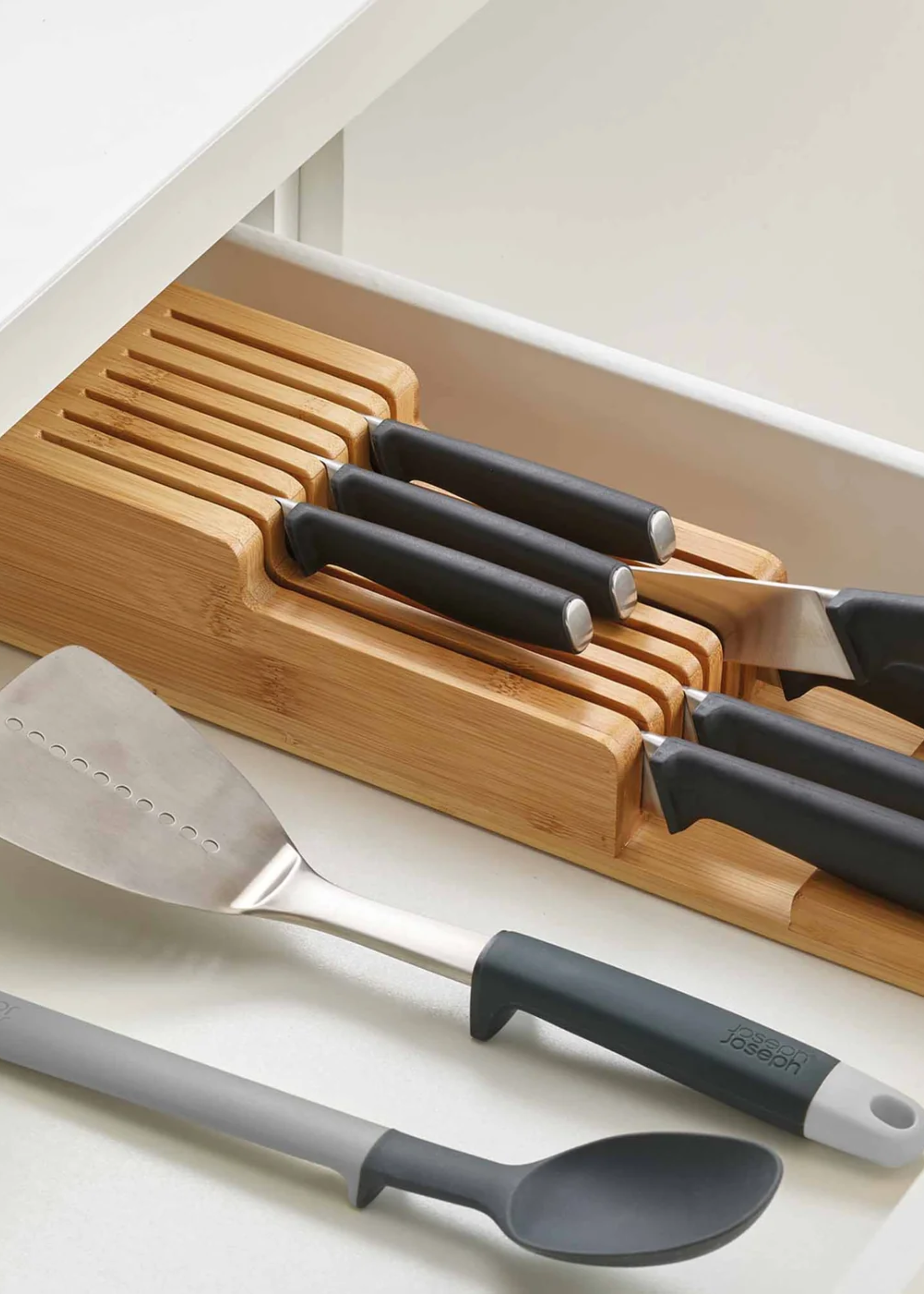
Storage boxes keep knives organized and protected from damage. They come in many designs and sizes.
Choose a box with these features:
- Individual slots for each knife
- Soft lining to protect blades
- Secure lid to prevent accidents
- Portable design for easy transport
Credit: www.inkl.com
Safe Handling Practices
Utility knives are useful tools but can be dangerous if not handled correctly. Safe handling keeps you and others protected from injury.
Follow simple rules to store and use utility knives safely every time.
Keeping Blades Retracted
Always keep the blade retracted when the knife is not in use. This prevents accidental cuts and damage to the blade.
Retracting the blade also protects others who might handle or come near the knife.
Proper Carrying Techniques
Carry utility knives safely to avoid accidents. Hold the knife by the handle with the blade facing down and away from your body.
- Do not carry knives in pockets without blade covers
- Use a sheath or clip if available
- Keep your fingers away from the blade edge
- Pass knives handle-first when handing to others
Regular Blade Maintenance
Maintain your utility knife blade to keep it sharp and safe. A dull blade requires more force and can slip easily.
| Maintenance Task | Reason |
| Clean blade after use | Prevents rust and buildup |
| Sharpen blade regularly | Ensures clean cuts and reduces slips |
| Inspect blade for damage | Prevents breakage during use |
| Replace blade when worn out | Maintains safety and efficiency |
Organizing Your Workspace
Keeping your workspace tidy helps you work safely and faster. Proper organization prevents accidents with sharp tools.
Utility knives need special care to avoid injuries. Organize your area to store them safely and neatly.
Designated Knife Zones
Create a specific area just for utility knives. This helps you find them quickly and keeps them away from other tools.
Mark the zone clearly so everyone knows where knives belong. Use labels or signs for easy identification.
- Choose a safe spot out of heavy traffic
- Use shelves or drawers with clear labels
- Keep knives in sheaths or covers
Avoiding Clutter
Clutter hides sharp blades and causes accidents. Keep your workspace clean and free of extra items.
Remove unused tools and trash regularly. This gives you more space and lowers risks.
- Clear your desk after each task
- Sort tools by type and frequency of use
- Use storage bins for small parts
Using Tool Holders
Tool holders keep utility knives secure and easy to reach. They prevent knives from sliding or falling.
Choose holders made for sharp tools. Mount them on walls or workbenches for quick access.
- Magnetic strips hold knives firmly
- Slots or compartments separate each knife
- Wall-mounted racks save desk space
Childproofing And Accessibility
Utility knives are handy tools used daily in many homes. Keeping them safe is important to prevent accidents.
Safe storage helps protect children and keeps knives easy to reach for adults when needed.
Lockable Storage Options
Use lockable boxes or cabinets to store utility knives. Locks keep children from opening them.
- Metal lockboxes provide strong protection.
- Lockable drawers fit well in workrooms.
- Wall-mounted lock cabinets save space.
- Choose locks that are easy for adults to open.
Height And Placement Tips
Place utility knives where adults can reach them but children cannot. Height matters for safety.
| Placement | Why |
| High shelves or cabinets | Out of reach for young children |
| Designated toolboxes | Keeps knives organized and easy to find |
| Away from play areas | Reduces risk of accidents |
| Near workstations | Improves accessibility for adults |
Educating Household Members
Teach everyone in the home about knife safety. Clear rules reduce accidents.
- Explain why knives must be stored locked.
- Show how to use and store knives safely.
- Remind children never to touch knives without help.
- Encourage adults to check storage after use.
Disposal Of Old Blades
Old utility knife blades can be dangerous if not handled carefully. Proper disposal prevents injuries and keeps the environment safe. This guide explains safe removal, correct waste containers, and recycling tips for old blades.
Safe Blade Removal
Always remove blades carefully to avoid cuts. Use pliers or a blade removal tool instead of your hands. Hold the blade firmly and pull it out slowly. Dispose of the blade immediately after removal.
Proper Waste Containers
Use special containers to throw away old blades. These containers keep blades from cutting through trash bags. They also protect people who handle garbage. Many stores sell blade disposal boxes or sharps containers.
- Use a hard plastic or metal container with a secure lid
- Label the container as “Sharp Blades”
- Do not overfill the container
- Seal the container tightly before disposal
- Follow local rules for disposing of sharp objects
Recycling Guidelines
Not all recycling centers accept utility knife blades. Check with your local facility before recycling. Some places require blades to be collected in special containers. Others may ask you to take blades to hazardous waste centers.
| Recycling Option | Description | Notes |
|---|---|---|
| Metal Scrap Recycling | Blades made of steel can be recycled as scrap metal. | Must be clean and stored safely. |
| Hazardous Waste Facility | Some blades are accepted with sharp waste. | Check local regulations. |
| Retail Take-Back Programs | Some stores offer blade recycling drop-off. | Contact stores ahead to confirm. |

Credit: kyokuknives.com
Frequently Asked Questions
How Should Utility Knives Be Stored Safely?
Utility knives should be stored in a dedicated sheath or case. Keep blades retracted to avoid accidental cuts. Store them in a dry, secure place away from children and pets to prevent injuries.
What Materials Are Best For Utility Knife Storage?
Hard plastic or metal cases provide strong protection. Magnetic strips keep knives accessible and secure. Avoid soft pouches that don’t fully cover the blade or may cause accidental cuts.
Can Utility Knives Be Stored With Other Tools?
Yes, but separate the blades using blade guards or dedicated compartments. This prevents damage to the blade and reduces injury risks. Organize tools to keep knives easily accessible and safely stored.
Why Is Blade Retraction Important In Storage?
Retracting the blade minimizes exposure to sharp edges. It prevents accidental cuts and blade dulling. Always retract blades before storing to ensure maximum safety.
Conclusion
Storing utility knives safely protects you and others from injury. Always keep blades covered or retracted after use. Use a dedicated case or holder for safe storage. Keep knives out of children’s reach at all times. Regularly check knives for damage and replace blades when dull.
Safe storage helps maintain blade sharpness and tool life. Small steps make a big difference in safety. Stay careful and keep your workspace organized. Safety starts with simple habits and good storage.