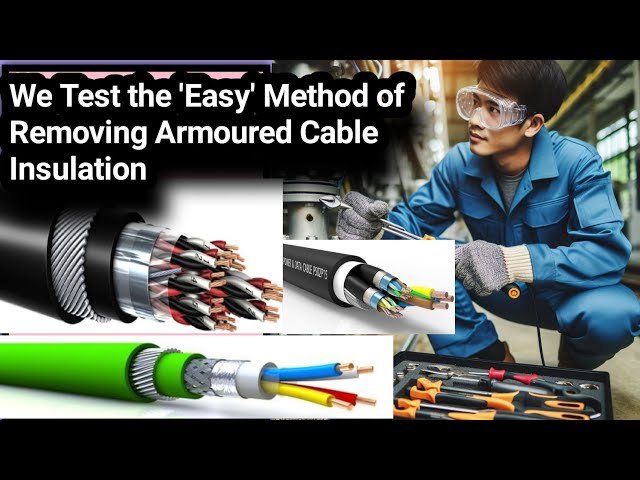
If you’re working on an electrical project, knowing how to strip armored cable safely and efficiently is a skill you need. Armored cable protects wires with a tough metal layer, but that also makes it tricky to handle.
You might worry about damaging the wires inside or hurting yourself. Don’t worry—this guide will walk you through simple steps to strip armored cable like a pro. By the end, you’ll have the confidence and know-how to get the job done right every time.
Keep reading, and let’s get started!
Tools Needed
Stripping armored cable requires the right tools for safety and efficiency. Using proper tools helps protect the wire inside.
This guide explains the tools you need and how to choose the right stripper. It also covers essential safety gear.
Choosing The Right Stripper
Select a wire stripper designed for armored cable. These strippers cut through the tough outer armor without damaging the inner wires.
Look for strippers with adjustable blades. This feature helps fit different cable sizes and prevents cutting too deep.
- Adjustable blade depth
- Strong, sharp cutting edges
- Comfortable handles for grip
- Durable materials for long use
Safety Gear Essentials
Always wear safety gear when stripping armored cable. The armor can have sharp edges that cause cuts.
Use gloves to protect your hands and safety glasses to guard your eyes from small metal pieces.
- Cut-resistant gloves
- Safety glasses or goggles
- Long sleeves to protect arms
- Proper footwear to avoid slips

Credit: www.truecable.com
Preparing The Workspace
Stripping armored cable needs a clean and safe workspace. This helps you work faster and avoid accidents.
Set up your area before starting. Organize tools and clear the space so you can focus on the task.
Clearing The Area
Remove all unnecessary items from your workspace. A clear area helps you move easily and prevents mistakes.
Keep only the tools and materials you need nearby. This reduces clutter and lowers the risk of injury.
- Clear the table or bench surface
- Remove loose wires and debris
- Keep tools like wire strippers and cutters within reach
- Ensure no liquids or food are near the workspace
Ensuring Proper Lighting
Good lighting helps you see the cable clearly. It reduces eye strain and makes your work more precise.
Use bright lights or a task lamp focused on your workspace. Avoid shadows that hide important details.
- Work near a window for natural light if possible
- Use LED lamps for bright and clear light
- Adjust lights to remove shadows on the cable
- Check lighting before starting to avoid mistakes
Inspecting The Cable
Before you strip armored cable, it is important to inspect it carefully. This helps you work safely and avoid damage.
Inspection shows you the condition of the cable and what parts you need to remove first.
Identifying Cable Components
Armored cable has several parts. Knowing each part helps you strip it properly without harm.
- Outer Armor:The metal or plastic covering that protects the wires inside.
- Inner Jacket:A layer under the armor that holds the wires together.
- Insulated Conductors:Wires inside with colored insulation for safety and identification.
- Ground Wire:A bare or green wire used for safety grounding.
Checking For Damage
Look closely at the cable for any signs of damage. Damaged cables can cause problems or be unsafe.
- Check for cuts or cracks in the outer armor.
- Look for corrosion or rust on the metal parts.
- Make sure the cable is not bent sharply or crushed.
- Inspect for exposed or frayed wires inside the cable.
If you find damage, do not strip or use the cable. Replace it or ask a professional for help.
Marking The Cable
Marking armored cable correctly helps ensure a clean and safe strip. It shows where to cut and remove the outer jacket without damaging the wires inside.
Using the right tools and measuring carefully will make the process easier and more accurate.
Measuring Strip Length
Measure the length of cable jacket you need to strip to expose the wires inside. This depends on the project and connector size.
- Use a ruler or tape measure to mark the strip length on the cable.
- Mark a clear line around the cable circumference.
- Double-check the measurement before cutting.
- Make sure the mark is visible for the next step.
Using Marking Tools
Choose tools that create clear marks without damaging the cable. Pencil, marker, or specialized cable markers work well.
| Tool | Best For | Notes |
| Pencil | Temporary marks | Easily erased or wiped off |
| Permanent Marker | Long-lasting marks | Use on clean cable surface |
| Cable Marker Tape | Labeling multiple cables | Peel and stick, reusable |
| Electrical Tape | Marking sections | Wrap around cable, visible |
Cutting The Armor
Stripping armored cable needs careful cutting of the outer armor. Cutting the armor correctly protects the wires inside from damage.
Use the right tools and methods to score and cut the armor safely. This guide covers scoring techniques and ways to avoid wire damage.
Scoring Techniques
Scoring the armor means making a shallow cut around the cable’s outer surface. This helps you remove the armor without cutting too deep.
- Use a utility knife or cable ripper for scoring.
- Rotate the cable slowly while pressing the blade lightly.
- Make a clean, continuous score around the armor.
- Avoid pressing too hard to stop cutting into the wires.
- After scoring, bend the armor to break it along the score line.
Avoiding Wire Damage
Wire damage can cause shorts or failures. Take care to protect the wires during and after cutting the armor.
| Tip | Description |
| Use Proper Tools | Use cable strippers designed for armored cable. |
| Score Lightly | Do not cut too deep to avoid nicking wires. |
| Check Wire Condition | Inspect wires for damage before continuing. |
| Work Slowly | Take your time to keep cuts clean and controlled. |
| Wear Gloves | Protect your hands from sharp armor edges. |
Removing The Armor
Stripping armored cable requires care and the right tools. The metal armor protects the wires inside. You must remove it carefully to avoid damage.
This guide shows how to remove the armor safely. Follow the steps to peel back the metal sheath and handle tough sections.
Peeling Back The Metal Sheath
Start by scoring the metal sheath along the length. Use a utility knife or cable stripper. Do not cut too deep to avoid harming the inner wires.
- Place the cable on a stable surface.
- Score the sheath carefully around the cable.
- Bend the cable slightly to break the armor along the score line.
- Peel back the metal sheath with pliers or fingers.
- Remove any sharp edges to prevent injury.
Handling Tough Sections
Some parts of the armored cable are harder to strip. These areas may have thicker metal or extra layers. Use these tips to manage tough sections.
- Use a pair of heavy-duty wire cutters to snip the armor.
- Apply steady pressure with pliers to bend and crack the metal.
- Wear gloves to protect your hands from sharp edges.
- Take breaks to avoid hand fatigue.
- Inspect the cable often to avoid damaging wires inside.
Stripping The Inner Insulation
Stripping the inner insulation of armored cable is an important step in wiring. It exposes the wires inside without damaging them.
Careful stripping helps ensure a clean connection and prevents electrical problems later.
Selecting The Correct Blade
Choose a blade designed for electrical wire insulation. The blade should be sharp and thin.
A dull blade can damage the wire or cut too deep. Use a blade that fits the size of your cable.
- Use a utility knife or wire stripper with a sharp blade.
- Pick a blade size that matches the cable diameter.
- A blade with a fine edge helps avoid nicking the wire.
Techniques For Clean Strips
Hold the cable steady to avoid slips. Score the insulation lightly around the wire.
Remove the insulation by pulling it off gently. Avoid cutting into the wire inside.
- Make a shallow cut around the insulation’s circumference.
- Bend the cable slightly to break the insulation.
- Pull the insulation away slowly to prevent wire damage.
- Check the wires for nicks or cuts before use.
Safety Tips
Stripping armored cable can be dangerous without the right care. Use safe habits to protect yourself.
Follow these safety tips to avoid injuries and handle scrap properly.
Avoiding Cuts And Injuries
Always wear gloves to protect your hands from sharp edges. Use tools made for cutting armored cables.
Cut slowly and carefully. Keep your fingers away from the blade to avoid accidents.
- Wear safety gloves and glasses
- Use a proper cable stripper or knife
- Cut away from your body
- Work on a stable surface
- Keep tools sharp and in good condition
Proper Disposal Of Scrap
Dispose of cable scraps properly to keep your workspace clean and safe. Avoid leaving sharp pieces on the floor.
Recycle metal parts when possible. Check local rules for disposing of electrical waste.
- Collect all scrap pieces in a container
- Recycle metal and plastic parts separately
- Do not throw scraps in regular trash
- Keep scraps away from children and pets
- Follow local recycling and disposal laws
Troubleshooting Common Issues
Stripping armored cable can sometimes be tricky. Problems like tough armor or damaged wires often come up. Knowing how to handle these issues will save time and keep your work safe.
This guide covers ways to deal with stubborn armor and fix damaged conductors. Follow these tips to make your cable stripping easier and more effective.
Dealing With Stubborn Armor
Sometimes the metal armor on the cable is hard to remove. It may be thick or tightly wrapped. Using the right tools and techniques helps avoid damage and frustration.
- Use a cable stripper designed for armored cable to prevent cuts on the conductors.
- Score the armor lightly before bending it back to avoid breaking the wires inside.
- Try pliers to grip and pull the armor if it is stuck.
- Work slowly to keep control and avoid slipping.
- Wear gloves to protect your hands from sharp edges.
Fixing Damaged Conductors
Damaged conductors can cause electrical problems or safety risks. It is important to check the wires after stripping the armor. Fix or replace damaged parts before continuing.
| Problem | Cause | Solution |
| Cut or nicked wire | Using a dull blade or too much force | Trim back to clean wire and re-strip carefully |
| Frayed strands | Pulling armor too hard or unevenly | Twist strands back together or replace conductor |
| Exposed insulation | Armor removal cuts too deep | Apply electrical tape or use heat shrink tubing |

Credit: www.aol.com
Credit: bsghgranulator.com
Frequently Asked Questions
What Tools Do I Need To Strip Armored Cable?
You need a utility knife, wire strippers, and pliers. A rotary cable stripper can also make the job easier. Always use tools designed for armored cable to avoid damage.
How Do I Safely Strip Armored Cable?
First, score the armor gently without cutting wires. Then, peel back the metal sheath carefully. Finally, strip the inner insulation with wire strippers, avoiding wire damage.
Can I Strip Armored Cable Without Specialized Tools?
While possible, it’s not recommended. Using improper tools can damage wires or cause injury. Specialized tools ensure a clean strip and protect the cable’s integrity.
Why Is Stripping Armored Cable Different From Regular Cable?
Armored cable has a metal sheath for protection. This requires careful cutting to avoid damaging inner wires. Regular cables lack this armor, making stripping simpler.
Conclusion
Stripping armored cable is simple with the right steps. First, gather your tools and ensure safety. Next, follow the outlined procedure carefully. Practice makes perfect, so don’t rush. Mistakes can be costly and unsafe. With time, you’ll gain confidence and skill.
Remember, patience and precision matter most in this task. Always prioritize safety to avoid accidents. Share these tips with friends or coworkers. They’ll appreciate learning the proper method. Stripping armored cable doesn’t have to be daunting. With these guidelines, you’re set for success.
Start your project today with newfound understanding and confidence.