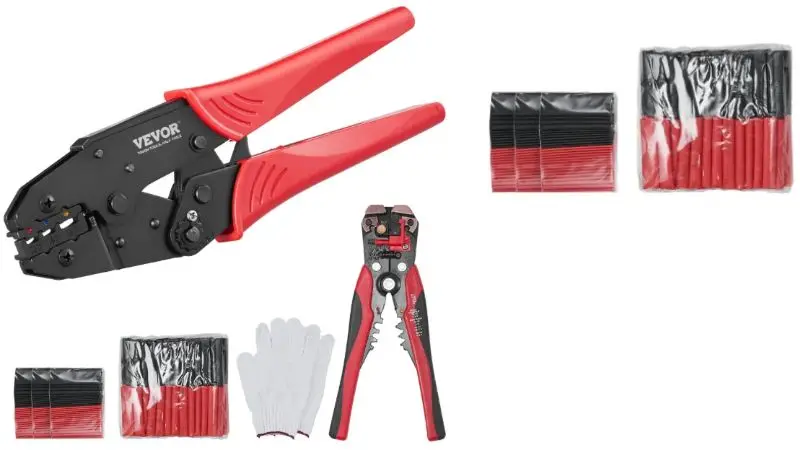
Stripping wires may seem like a simple task, but doing it the right way can save you a lot of time and trouble. Imagine a scenario where you’re ready to connect your new gadget or repair a broken appliance, only to find that the wires are frayed or damaged because they weren’t stripped properly.
This can lead to poor connections, electrical shorts, or even safety hazards. You deserve to have your electrical projects go smoothly, whether you’re a DIY enthusiast or a professional. Mastering the art of wire stripping can make all the difference.
You’ll discover the essential steps and tips to strip wires effectively and safely, ensuring a clean, precise job every time. Let’s dive in and see how you can make your next wiring project a success.
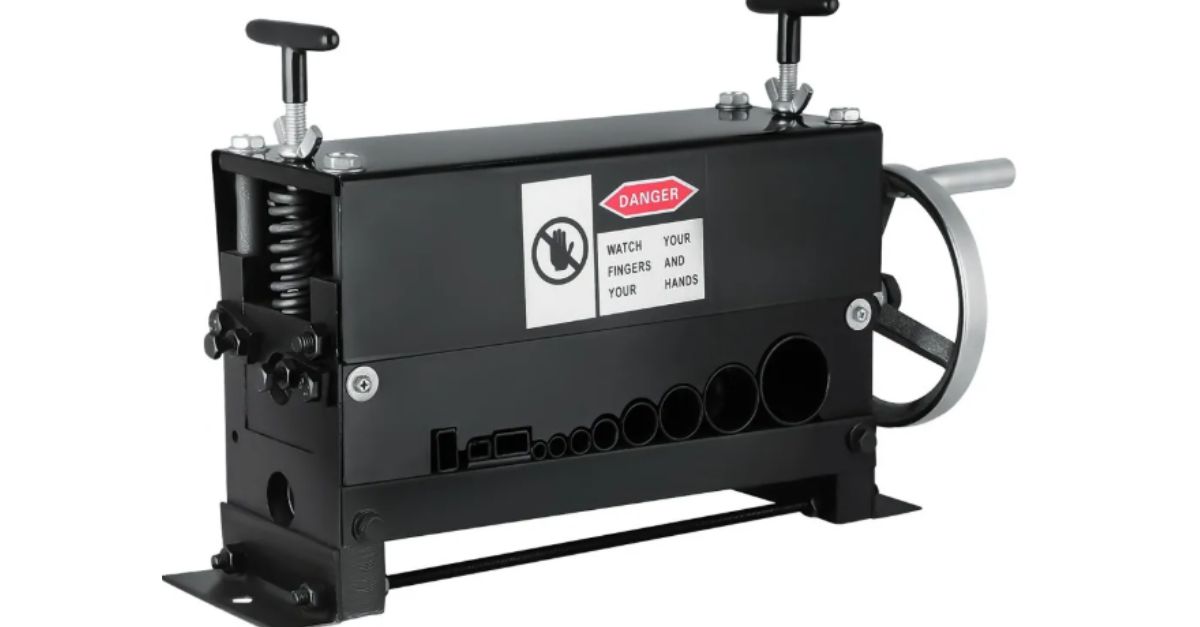
Credit: www.vevor.com
Choosing The Right Tools
Stripping wires safely and cleanly needs the right tools. Using poor tools can damage wires or cause injury.
Choose tools that fit your wire types and sizes. This guide will help you pick and care for your wire stripping tools.
Wire Strippers Vs. Alternatives
Wire strippers cut insulation without hurting the wire inside. Alternatives like knives or scissors can cut the wire accidentally.
- Wire strippers have specific notches for wire sizes.
- Knives can slip and cause injury or damage.
- Scissors may pinch the wire, reducing its strength.
- Using the right tool saves time and effort.
Selecting The Correct Size
Wire strippers come with different size notches. Choose the size that matches your wire gauge exactly.
| Wire Gauge (AWG) | Stripper Notch Size |
| 22 | 0.64 mm |
| 18 | 1.02 mm |
| 14 | 1.63 mm |
| 10 | 2.59 mm |
Using the wrong size can cut into the wire or fail to remove insulation properly.
Maintaining Your Tools
Keep your wire strippers sharp and clean for best results. Rust and dirt reduce their effectiveness.
- Wipe blades after each use.
- Apply light oil to moving parts monthly.
- Store tools in a dry place.
- Check for damage before starting work.
Preparing The Wire
Stripping wires correctly is important for safety and good connections. Preparing the wire well helps you strip it without damage.
Before stripping, take time to measure, secure, and identify the wire. These steps make the work easier and cleaner.
Measuring The Strip Length
Measuring the right strip length ensures proper wire exposure for connections. Too short or too long can cause problems.
- Check the connector or terminal size to know how much insulation to remove.
- Use a ruler or wire stripper gauge to mark the strip length on the wire.
- Mark the spot clearly with a marker or tape for accuracy.
Securing The Wire
Hold the wire firmly before stripping. This prevents slipping and damage to the wire or your fingers.
- Use a clamp or vise for long wires.
- Hold short wires with pliers close to the strip mark.
- Keep your hands steady and avoid twisting the wire.
Identifying Wire Types
Know your wire type before stripping. Different wires need different tools and care.
| Wire Type | Description | Stripping Tip |
|---|---|---|
| Solid Wire | Single solid conductor | Use standard wire strippers carefully to avoid nicking |
| Stranded Wire | Multiple thin strands twisted | Use sharp strippers and avoid pulling strands apart |
| Coaxial Wire | Center conductor with insulation and shield | Strip in layers carefully with specialized tools |
Stripping Techniques
Stripping wires is an important skill for electrical work. It helps connect wires safely and neatly.
Using the right technique protects the wire and keeps the connection strong. Learn how to strip wires properly.
Basic Stripping Steps
Start by choosing the correct wire stripper for your wire size. Hold the wire firmly but gently.
Place the wire in the stripper at the right length. Squeeze the handles to cut the insulation without cutting the wire.
- Measure the length of insulation to remove
- Align wire with the correct gauge on the stripper
- Squeeze the tool to cut the insulation
- Pull off the insulation carefully
- Check the wire for any damage
Avoiding Wire Damage
Be gentle when stripping to avoid nicking the wire strands. Damaged wires can cause poor connections or failure.
Do not twist or pull the wire too hard after cutting the insulation. Use the right size hole on the stripper for your wire.
- Use a proper wire stripper, not a knife
- Do not squeeze too hard on the wire
- Pull insulation straight off without twisting
- Inspect wire strands after stripping
- Replace wire if strands are cut
Handling Different Wire Insulations
Wires have different insulation types like PVC, rubber, or Teflon. Each needs a careful approach to strip without damage.
Hard insulation may need a sharper tool or more pressure. Soft insulation strips easily but can tear if pulled too fast.
- PVC: Cut carefully to avoid nicking wire
- Rubber: Use steady pressure to avoid tearing
- Teflon: Use sharp tools for clean cuts
- Silicone: Strip slowly as it is soft and stretchy
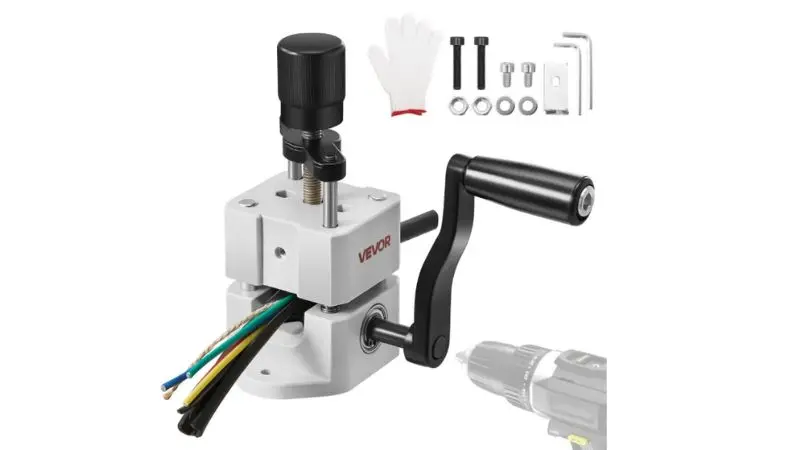
Credit: www.vevor.com
Safety Precautions
Stripping wires is a common task in electrical work. It is important to follow safety rules to avoid injury.
Handling wires without care can cause shocks or damage. Use correct methods to protect yourself and others.
Working With Live Wires
Never strip wires that are connected to power. Always turn off the electricity before starting. Use a voltage tester to make sure wires are not live.
- Switch off the main power source.
- Check wires with a voltage tester.
- Do not touch wires with wet hands.
- Keep a safe distance from water or damp places.
- Use insulated tools designed for electrical work.
Using Protective Gear
Wear protective gear to reduce the risk of injury. Gloves and safety glasses protect your hands and eyes from cuts and sparks.
| Protective Gear | Purpose |
|---|---|
| Insulated gloves | Prevent electric shock and cuts |
| Safety glasses | Protect eyes from debris and sparks |
| Long-sleeve clothing | Shield skin from scratches and burns |
| Non-slip shoes | Reduce risk of slipping while working |
Safe Disposal Of Wire Insulation
Dispose of wire insulation carefully to protect the environment. Do not burn or throw it in regular trash.
- Collect insulation scraps in a container.
- Take them to a recycling center that accepts plastic waste.
- Follow local rules for electronic or hazardous waste.
- Keep the work area clean to avoid slips and falls.
Troubleshooting Common Issues
Stripping wires is a simple task but can cause problems if done wrong. Common issues include frayed wires, incomplete strips, and broken wires.
Knowing how to fix these problems helps keep your wiring safe and effective. This guide covers key tips for each issue.
Dealing With Frayed Wires
Frayed wires happen when the insulation or strands get damaged during stripping. This can cause poor connections or shorts.
- Use the right wire stripper size for your wire.
- Apply gentle pressure to avoid cutting wire strands.
- Strip slowly to keep the wire intact.
- Trim any damaged strands before connecting.
Fixing Incomplete Strips
Incomplete strips leave some insulation on the wire, reducing contact. It may cause poor electrical flow or loose connections.
| Cause | Solution |
| Wrong stripper size | Use correct size for wire gauge |
| Too little pressure | Press firmly but carefully |
| Quick pulling | Pull insulation slowly and evenly |
| Dull blades | Replace or sharpen wire stripper blades |
Preventing Wire Breakage
Wire breakage occurs when the wire is bent or cut too much. It weakens the wire and can cause failures.
Follow these tips to prevent breakage:
- Use a high-quality wire stripper with sharp blades.
- Do not twist or pull wire forcefully.
- Keep the wire straight while stripping.
- Check wire condition before and after stripping.
Advanced Tips For Professionals
Stripping wires is a basic task, but doing it properly saves time and prevents damage. Professionals need to handle complex cables and tough materials with skill.
This guide offers advanced tips on stripping wires, focusing on multi-conductor cables, heat use, and tool customization to boost efficiency.
Stripping Multi-conductor Cables
Multi-conductor cables require careful stripping to avoid cutting inner wires. Use sharp tools and work slowly to keep insulation intact.
- Measure and mark the exact length to strip.
- Score the outer jacket lightly without cutting through inner wires.
- Use a bending motion to break the jacket open.
- Remove the jacket and inspect inner conductors for damage.
- Strip each conductor individually with the right gauge tool.
Using Heat To Aid Stripping
Heat softens tough insulation, making stripping easier. Use controlled heat sources to avoid wire damage.
| Heat Source | Best Use | Safety Tip |
| Heat Gun | Large cables | Keep moving to avoid burns |
| Butane Torch | Stubborn insulation | Use low flame and short bursts |
| Hot Knife | Precision cuts | Wear heat-resistant gloves |
Customizing Tools For Efficiency
Custom tools help you work faster and reduce mistakes. Modify grips, blades, or handles to fit your style and the job.
- Add non-slip tape to handles for better control
- Sharpen blades regularly to prevent wire damage
- Use adjustable wire strippers to fit different gauges
- Attach a small light to see wires in dark areas
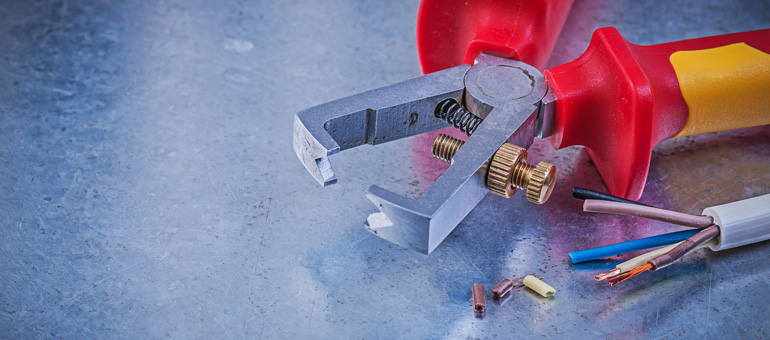
Credit: stex24.com
Frequently Asked Questions
How Do You Strip Wires Without Damaging Them?
To strip wires properly, use a wire stripper sized for the wire gauge. Avoid cutting into the metal core. Gently score the insulation, then pull it off. This prevents damage and ensures a clean connection.
What Tools Are Best For Stripping Electrical Wires?
The best tools are adjustable wire strippers or automatic wire strippers. They provide precise cuts and prevent wire damage. Avoid using knives or scissors, as they may nick the wire and cause electrical issues.
Why Is Proper Wire Stripping Important?
Proper wire stripping ensures strong electrical connections and reduces short circuits. It prevents wire damage and maintains safety. Correct stripping also improves conductivity and extends the lifespan of electrical components.
How Much Insulation Should Be Stripped From Wires?
Typically, strip about 1/2 inch (12 mm) of insulation. This length exposes enough wire for connections without excess exposed metal. Adjust length based on the connector or terminal specifications.
Conclusion
Stripping wires safely takes care and the right tools. Always cut carefully to avoid damage. Keep your hands steady and work slowly. Clean, neat wires connect better and last longer. Practice often to improve your skill. Remember, safety comes first in every step.
Now, you can handle wire stripping with confidence. Simple steps lead to great results every time.