Are you sure your outlets are working properly and, more importantly, safely? Testing outlets might seem simple, but doing it the wrong way can put you at risk of electric shocks or damage to your devices.
You’ll discover easy, step-by-step methods to check your outlets without any guesswork or danger. By the time you finish reading, you’ll feel confident to handle this task yourself and keep your home safe. Ready to learn how to test outlets safely?
Let’s get started.
Why Test Outlets
Testing outlets helps you find problems early. It keeps your home safe from electrical issues.
Regular tests make sure outlets work correctly. This prevents accidents and saves money on repairs.
Risks Of Faulty Outlets
Faulty outlets can cause electric shocks. They also increase the risk of fires in your home.
Broken outlets may damage your devices. They can cause power surges or stop working altogether.
- Electric shock hazards
- Fire risks from sparks
- Damage to electronics
- Loss of power in rooms
Benefits Of Regular Testing
Regular testing finds outlet problems before they get worse. It keeps your family safe.
Testing also saves money by avoiding costly repairs. It ensures your devices get steady power.
- Early problem detection
- Improved home safety
- Protects your devices
- Reduces repair costs
Tools Needed For Testing
Testing electrical outlets safely requires the right tools. Using proper testers helps find wiring problems and avoid shocks.
Below are the common tools you need to check outlets correctly and safely.
Types Of Outlet Testers
Outlet testers check if an outlet is wired correctly. They are easy to use and give quick results.
- Plug-In Outlet Tester: Plugs directly into the outlet to show wiring status with lights.
- Receptacle Tester with GFCI: Tests grounding and GFCI protection in outlets.
- Socket Tester with Polarity Check: Verifies correct wiring and polarity of the outlet.
Multimeter Basics
A multimeter measures voltage, current, and resistance. It is a versatile tool for outlet testing.
| Function | Description | Use in Outlet Testing |
| Voltage Measurement | Checks the electrical potential difference. | Verify outlet voltage is correct and safe. |
| Continuity Test | Checks if a circuit is complete. | Detect broken wires or faulty connections. |
| Resistance Measurement | Measures opposition to current flow. | Identify damaged wiring or loose connections. |
Preparing For Outlet Testing
Testing electrical outlets is important to keep your home safe. Before you start, you need to prepare well. This helps you avoid accidents and get good results.
In this guide, you will learn the key steps to prepare for testing outlets safely. Follow each step carefully to protect yourself and your property.
Safety Precautions
Always wear safety gear like gloves and goggles to protect yourself from electric shock. Use tools that are rated for electrical work. Avoid working in wet areas or with wet hands.
- Wear rubber gloves and safety glasses
- Use insulated tools for testing
- Keep the area dry and well-lit
- Do not touch metal parts of the tester
- Keep children and pets away
Turning Off Power
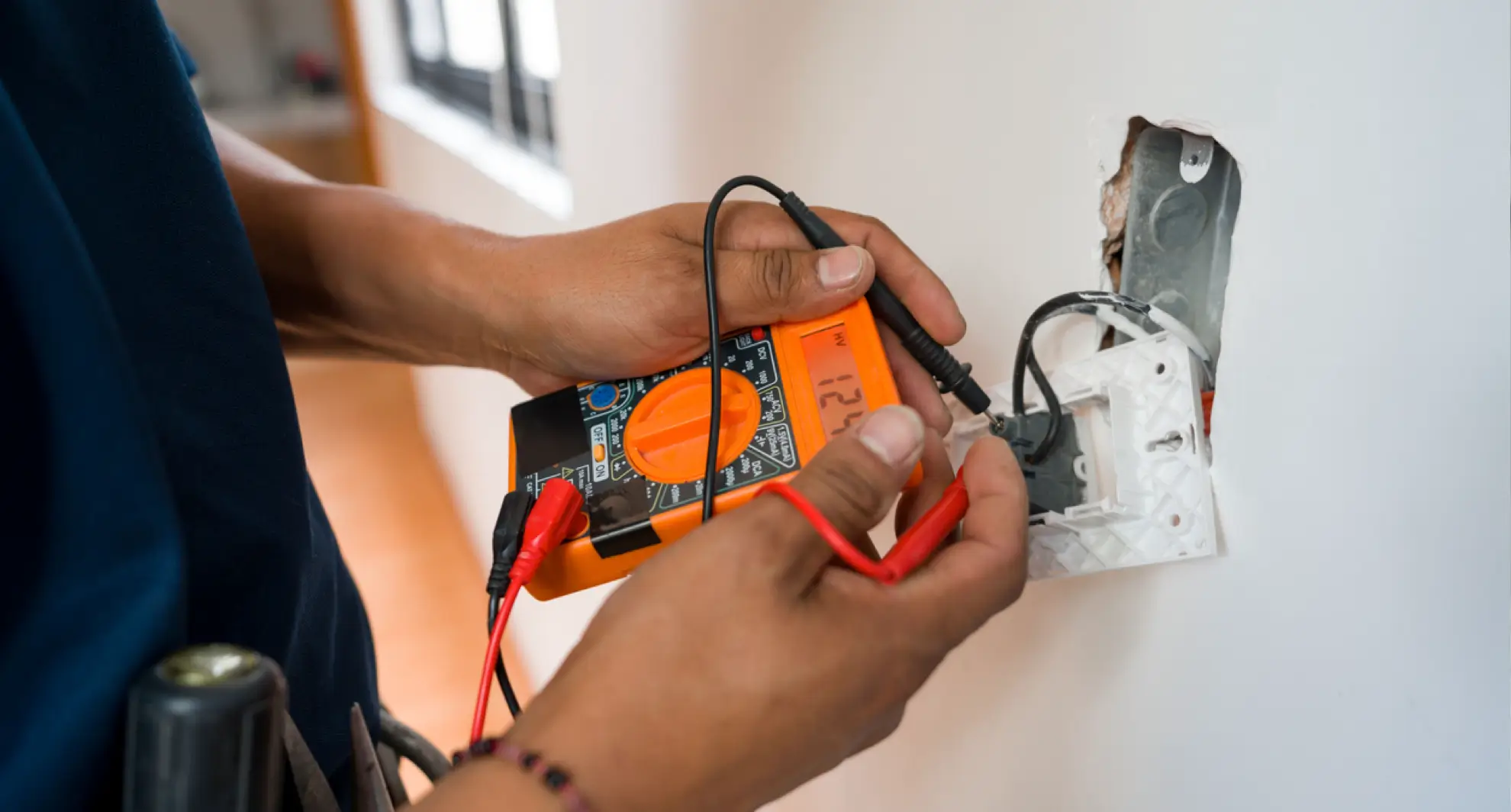
Before testing an outlet, always turn off the power at the main circuit breaker. This step stops electricity flow and lowers the risk of shock. Confirm the power is off by using a voltage tester.
| Action | Why | How |
| Locate main breaker | To control power supply | Find your home’s electrical panel |
| Switch off breaker | Stops electricity to outlets | Flip the breaker switch to OFF |
| Test outlet | Verify no current is present | Use a voltage tester on the outlet |
Credit: mrelectric.com
Step-by-step Testing Process
Testing outlets is important for safety and proper function. You can check outlets using an outlet tester or a multimeter. Both tools help find wiring problems and power issues.
Follow these steps carefully to test outlets safely. Always turn off power if you plan to fix anything.
Using An Outlet Tester
An outlet tester is a simple device. It plugs directly into the outlet and shows if wiring is correct. It can also find common faults like open grounds or reversed wires.
- Plug the outlet tester into the outlet.
- Look at the lights on the tester. They will show a pattern.
- Compare the light pattern to the chart on the tester.
- Identify if the outlet is wired correctly or has a fault.
- If there is a fault, do not use the outlet until it is fixed.
| Light Pattern | Meaning |
|---|---|
| All lights on | Correct wiring |
| Left light off | Open ground |
| Right light off | Open neutral |
| Both lights off | No power |
| Reverse lights | Reversed hot and neutral |
Testing With A Multimeter
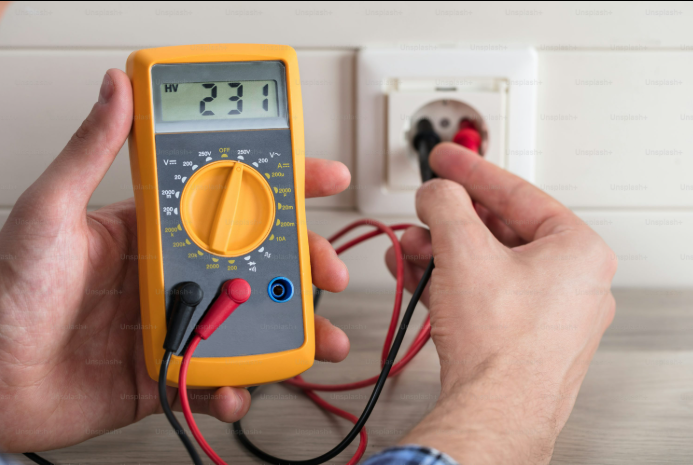
A multimeter measures voltage and continuity. It helps test outlets more precisely but needs basic knowledge to use safely.
- Set the multimeter to measure AC voltage.
- Insert the probes into the outlet slots: black to neutral, red to hot.
- Read the voltage on the multimeter display. It should be about 120 volts in the US.
- Switch the multimeter to continuity mode to test the ground wire.
- Place one probe on the ground slot and the other on a known ground point.
- If the multimeter beeps, the ground is good. No beep means a problem.
- Turn off power before any repairs.
Common Outlet Issues
Testing electrical outlets safely is important to avoid shocks and fires. Some outlets have common problems that can cause trouble.
Knowing these issues helps you spot dangers early. Here are three common outlet problems to watch for.
Loose Connections
Loose connections happen when wires inside the outlet are not tight. This can cause sparks or the outlet to stop working.
Test outlets by gently wiggling plugs. If power cuts out or flickers, the wires might be loose.
- Turn off power before checking inside an outlet
- Tighten screws holding wires if loose
- Replace outlet if damage is visible
Grounding Problems
Grounding helps prevent electric shocks by directing electricity safely to the ground. Some outlets lack proper grounding.
Use a tester to check if the outlet is grounded. If not grounded, it can be dangerous to use certain appliances.
- Look for three-hole outlets with a ground slot
- Test with a ground fault circuit interrupter (GFCI) tester
- Call an electrician if grounding is missing or faulty
Reverse Polarity
Reverse polarity means the hot and neutral wires are swapped. This can cause electric shocks or damage devices.
A polarity tester can find this problem. If found, fix it by reversing the wires correctly.
- Use a polarity tester on each outlet
- Turn off power before fixing wiring
- Label wires to avoid confusion when reconnecting
Credit: www.familyhandyman.com
When To Call A Professional
Testing outlets can help keep your home safe. Some problems need expert help. Knowing when to call a professional is key.
Simple tests are easy to do yourself. But signs of serious trouble need a licensed electrician. This keeps you safe and avoids damage.
Signs Of Serious Problems
Watch for these signs. They mean your outlets may have big issues. Call a professional if you notice any.
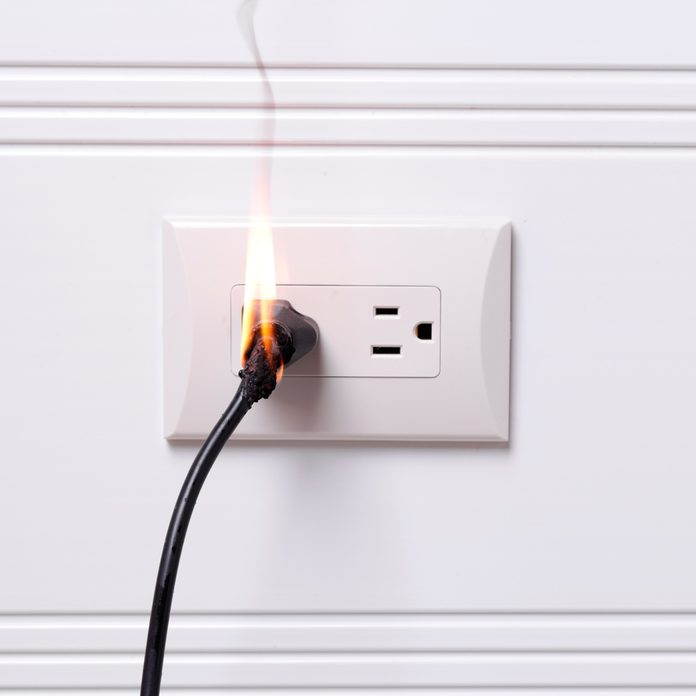
- Outlets that feel warm or hot to touch
- Sparks or smoke when plugging in devices
- Frequent tripping of circuit breakers
- Flickering or dimming lights
- Burn marks or discoloration around outlets
- Shock or tingling sensation when touching an outlet
Avoiding Diy Hazards
Testing outlets yourself can be risky. Follow these safety tips to avoid harm. Always choose to call a pro if unsure.
| Common DIY Mistake | Risk |
| Using metal objects to test outlets | Electric shock |
| Ignoring loose wires | Fire hazard |
| Working on live circuits | Serious injury |
| Not turning off power first | Electrocution |
Maintaining Outlet Safety
Testing outlets safely is important to keep your home safe. Faulty outlets can cause electric shocks or fires.
Regular checks and upgrades help avoid electrical problems. Always follow safety steps when testing outlets.
Routine Checks
Check your outlets often to find problems early. Look for cracks, loose plugs, or strange smells.
Use a plug-in tester to see if outlets work correctly. If lights or signals show a problem, do not use the outlet.
- Inspect outlet covers for damage
- Test outlets with a socket tester
- Feel for heat near the outlet
- Listen for buzzing sounds
- Check for sparks when plugging in
Upgrading Old Outlets
Old outlets may not meet today’s safety rules. Replace them to prevent electrical hazards.
Install outlets with built-in safety features like ground fault circuit interrupters (GFCIs). These protect against shocks.
- Switch to modern, grounded outlets
- Use GFCI outlets in kitchens and bathrooms
- Hire a licensed electrician for upgrades
- Replace outlets that are loose or damaged
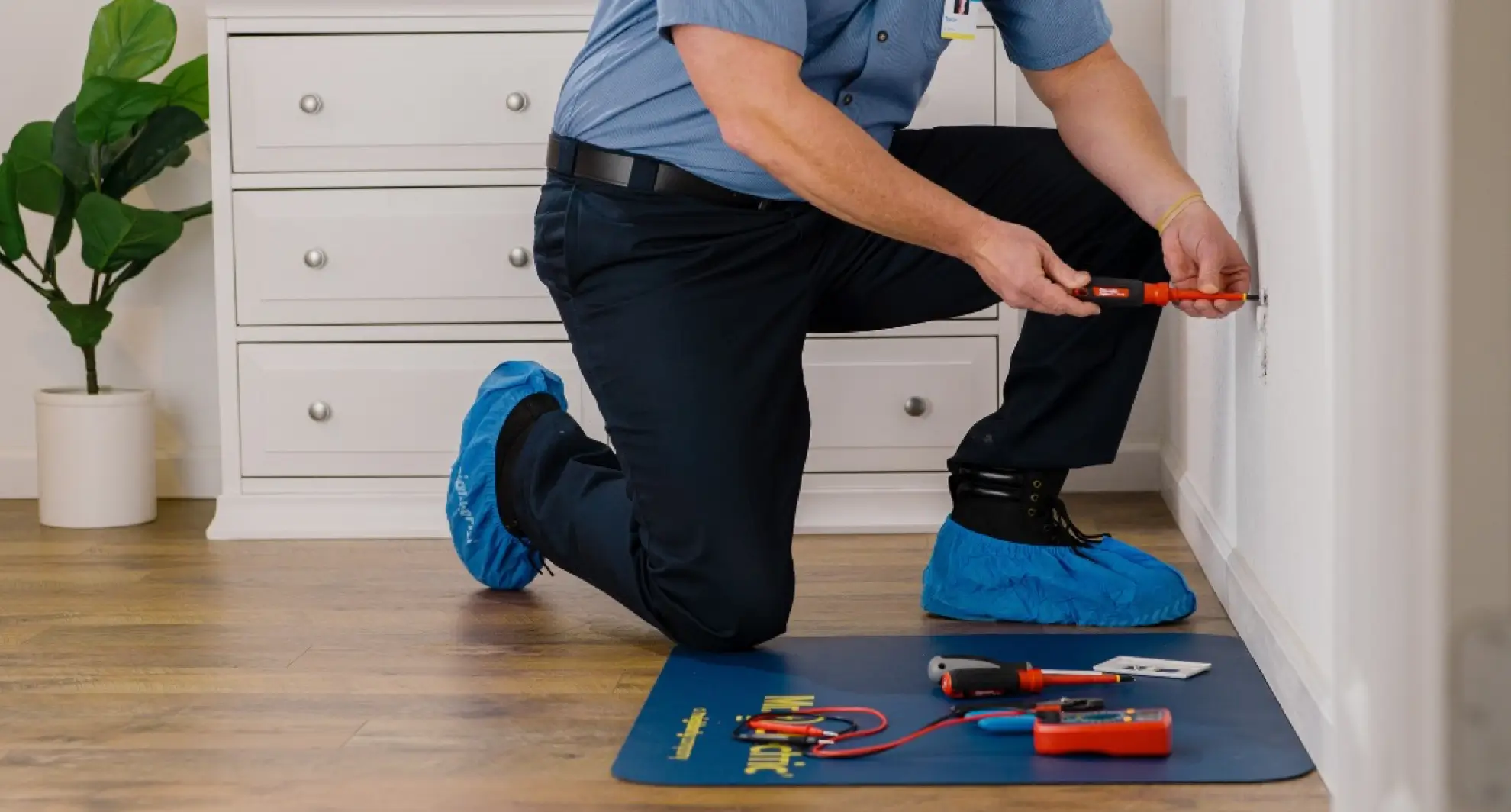
Credit: mrelectric.com
Frequently Asked Questions
How Do I Test An Outlet Safely?
Turn off the power at the breaker before testing. Use a voltage tester or multimeter to check for current. Never touch wires directly. Wear insulated gloves for extra protection. Follow all safety guidelines to avoid electrical shock.
What Tools Are Best For Testing Outlets?
A non-contact voltage tester is ideal for quick checks. A multimeter helps measure voltage and continuity precisely. Both tools are user-friendly and widely available. Choose tools rated for household electrical use for safety and accuracy.
How Can I Identify A Faulty Outlet?
Signs include sparks, burning smells, or loose plugs. Test with a voltage tester to confirm power issues. If the outlet doesn’t deliver consistent current, it may be faulty. Replace damaged outlets promptly to prevent hazards.
Is It Safe To Test Outlets Without Turning Off Power?
No, always turn off the power at the breaker first. Testing live wires increases the risk of shock or injury. Use insulated tools and follow safety protocols to prevent accidents. Prioritize safety over convenience every time.
Conclusion
Testing outlets safely is crucial for home safety. Always unplug devices first. Use a multimeter to check for power. If unsure, consult a professional electrician. Never ignore faulty outlets. They can cause fires or shocks. Keep safety tools handy, like gloves and goggles.
Regular checks prevent bigger issues later. Stay informed and protect your home. Safety is a continuous practice. Make it a priority. With these steps, you keep your family safe. Simple actions can prevent accidents. Stay vigilant and proactive in maintaining outlet safety.