
Are you unsure how to check voltage without risking a shock or damaging your device? Knowing how to test voltage safely with a multimeter is a skill everyone should have.
Whether you’re fixing a broken appliance or just curious about your home’s electrical system, this simple tool can give you clear answers. In this guide, you’ll learn step-by-step how to handle your multimeter with confidence and avoid common mistakes that could cost you time or safety.
Keep reading, and you’ll soon feel ready to tackle voltage testing like a pro—without any guesswork or danger.

Credit: www.ariat-tech.com
Choosing The Right Multimeter
Testing voltage safely requires the right multimeter. Picking the correct tool helps you avoid accidents and get accurate readings.
This guide explains what types of multimeters exist and what features to look for. It also covers important safety ratings.
Types Of Multimeters
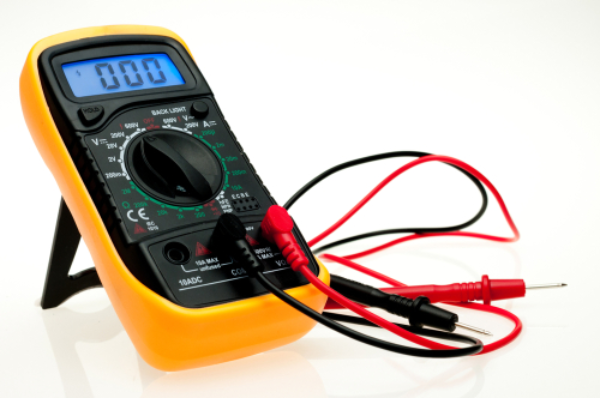
There are two main types of multimeters: analog and digital. Analog meters have a needle that moves on a scale. Digital meters show numbers on a screen.
Digital multimeters are easier to read and more common today. They offer better accuracy and extra functions.
- Analog multimeters: use a needle to show readings
- Digital multimeters: display readings as numbers on a screen
Features To Look For
Choose a multimeter with features that match your needs. Basic models measure voltage, current, and resistance. Advanced models offer more functions.
Look for easy-to-read displays, clear controls, and good battery life. A backlight helps when working in low light.
- Voltage, current, and resistance measurement
- Auto-ranging feature for ease of use
- Clear digital display with backlight
- Durable and comfortable design
- Long battery life
Safety Ratings
Safety ratings show how well a multimeter protects you. Check the category rating (CAT) on the meter. Higher CAT numbers mean better protection.
Also, look for meters with overload protection and insulated probes. These features reduce the risk of electric shock.
- CAT I to CAT IV ratings indicate safety levels
- Overload protection prevents damage
- Insulated test probes reduce shock risk
- Look for meters meeting international safety standards

Credit: medium.com
Preparing For Voltage Testing
Testing voltage with a multimeter requires careful preparation. Safety is the top priority before you begin.
This guide covers how to get ready by inspecting your tools, wearing the right gear, and setting your multimeter properly.
Inspecting The Multimeter And Leads
Check your multimeter and leads for any damage. Look for cracks, frayed wires, or loose connections. Damaged equipment can cause false readings or electric shock.
- Inspect the multimeter casing for cracks or damage.
- Test the leads for exposed wires or broken insulation.
- Ensure the probes are clean and sharp for good contact.
- Check that the multimeter battery is fully charged or fresh.
- Verify the leads fit tightly into the multimeter ports.
Wearing Protective Gear
Use proper protective gear to reduce injury risks. Always wear insulated gloves and safety glasses. Clothing should cover arms and legs to protect from sparks or burns.
| Protective Gear | Purpose |
| Insulated Gloves | Prevent electric shock |
| Safety Glasses | Protect eyes from sparks |
| Long-sleeve Clothing | Shield skin from burns |
| Closed-toe Shoes | Protect feet from dropped tools |
Setting The Multimeter Correctly
Set your multimeter to the right mode before testing. Choose the voltage type and range that match your circuit. Incorrect settings can damage the meter or give wrong readings.
- Turn the dial to the voltage (V) setting.
- Select AC or DC voltage based on your source.
- Pick a voltage range higher than the expected voltage.
- Insert the test leads into the correct multimeter ports.
- Double-check the settings before touching the circuit.
Measuring Voltage Step-by-step
Using a multimeter to test voltage is a common task in electronics. It helps you check if a circuit has power and if it works correctly.
This guide shows you how to measure voltage safely and correctly with clear steps.
Selecting Ac Or Dc Voltage
First, set your multimeter to the correct voltage type. Most devices measure both AC and DC voltage, but you must choose the right one.
- Use AC mode for wall outlets and home appliances.
- Use DC mode for batteries and electronic circuits.
- Check the voltage range on the multimeter and adjust it if needed.
Connecting Probes Safely
Attach the probes carefully to avoid electric shock or damage to the multimeter.
- Turn off power to the circuit before connecting probes.
- Insert the black probe into the COM port on the multimeter.
- Insert the red probe into the VΩ port for voltage measurements.
- Touch the black probe to the ground or negative terminal.
- Touch the red probe to the point where you want to measure voltage.
- Turn on power to the circuit if you turned it off.
Reading The Measurement
After connecting the probes, look at the multimeter display to read the voltage.
| Display Type | Meaning |
| Positive Number | Voltage value in volts |
| Negative Number | Probes are reversed or negative voltage |
| OL or Overload | Voltage is higher than range set |
| Zero or Close to Zero | No voltage detected |
Common Mistakes To Avoid
Testing voltage with a multimeter can be dangerous if done wrong. Many people make simple mistakes that risk injury or damage.
Knowing what not to do helps keep you safe and protects your equipment. Here are common mistakes to avoid.
Incorrect Settings
Using the wrong multimeter setting is a common error. It can cause wrong readings or damage the meter.
Always set the multimeter to the right mode before testing voltage. Use “AC” for alternating current and “DC” for direct current.
- Check the voltage range on the multimeter matches the circuit.
- Never start testing on the lowest voltage setting.
- Set the dial to voltage measurement, not resistance or current.
Touching Live Wires
Touching live wires can cause electric shock. Always avoid direct contact with wires carrying current.
Use insulated probes and hold them by the handles only. Do not touch the metal tips during testing.
- Wear rubber gloves for extra protection.
- Keep your hands dry and away from metal surfaces.
- Stand on an insulated mat to reduce shock risk.
Ignoring Multimeter Limits
Every multimeter has limits for voltage and current. Ignoring these limits can break the tool or cause injury.
Do not test circuits that exceed the meter’s maximum ratings. Always check the specifications before starting.
- Read the user manual to know your multimeter’s limits.
- Use a meter rated for high voltage if needed.
- Replace damaged fuses or leads immediately.
Maintaining Your Multimeter
Keeping your multimeter in good condition helps it last longer. It also ensures accurate voltage readings.
Simple care steps protect your tool and keep it ready for every test.
Regular Calibration
Calibration checks if your multimeter measures voltage correctly. It fixes any errors in reading.
Have a professional calibrate your device once a year or after heavy use. This keeps results reliable.
Proper Storage
Store your multimeter in a dry, cool place. Avoid spots with dust and moisture.
- Keep it in a protective case
- Do not leave it in direct sunlight
- Avoid dropping or banging the device
- Remove test leads when not in use
Replacing Batteries And Fuses
Check batteries often. Weak batteries can cause wrong readings or no power.
| Component | Signs to Replace | How to Replace |
|---|---|---|
| Batteries | Dim screen, low power | Open back cover, insert new batteries |
| Fuses | No reading, blown fuse indicator | Remove test leads, open fuse compartment, replace fuse |
Credit: mrelectric.com
Frequently Asked Questions
How Do I Set My Multimeter To Measure Voltage?
Turn the dial on your multimeter to the correct voltage type: AC (V~) or DC (V⎓). Choose a range higher than the expected voltage for safety. This ensures accurate and safe readings without damaging the device.
What Safety Precautions Should I Take Before Testing Voltage?
Always wear insulated gloves and avoid touching metal parts. Ensure the multimeter probes are in good condition. Disconnect power if possible and use one hand to prevent current flow through your body.
Can I Test Voltage Without Knowing The Circuit’s Voltage?
Yes, use the highest voltage range first to avoid damaging the multimeter. Then adjust to a lower range for precise measurement. This method protects both you and your device.
How Do I Correctly Use Multimeter Probes For Voltage Testing?
Insert the black probe into the common (COM) port and the red probe into the voltage (V) port. Touch probes to the circuit points securely without slipping to get accurate voltage readings.
Conclusion
Testing voltage safely is important. Use your multimeter with care. Always check your device before use. Wear protective gear like gloves and goggles. Follow the steps mentioned in this guide. Double-check your connections. Ensure the multimeter is set correctly. Avoid touching wires directly.
Stay alert and focused. Practice makes perfect. With regular practice, you’ll gain confidence. Safety should be your first priority. Missteps can be dangerous. Learn and follow safety guidelines. Remember, safety ensures accurate results. Keep exploring and improving your skills. Your safety knowledge will grow over time.
Enjoy your learning journey safely!