
Are you worried about moving your beautiful flowers without harming them? Transplanting flowers can be tricky, but with the right steps, you can make sure they stay healthy and strong.
Imagine your garden blooming even more after carefully shifting your plants to new spots. This guide will show you simple, effective ways to transplant your flowers without damage. Keep reading to learn how you can protect your plants and help them thrive in their new home!
Credit: www.gardeningknowhow.com
Choosing The Right Time
Transplanting flowers at the right time helps them grow strong. Picking a good time reduces stress on the plants. This guide explains when to transplant flowers safely.
Knowing the best seasons and weather conditions can protect your flowers. It helps the roots adjust well to the new location.
Best Seasons For Transplanting
Spring and fall are the best seasons to move flowers. These times have mild temperatures and enough moisture. Plants can recover faster and start growing in their new spot.
- Spring: After the last frost but before hot weather
- Fall: Early fall before the first frost
- Avoid summer because of heat stress
- Winter is too cold for most flowers
Ideal Weather Conditions
Choosing the right weather helps the plant stay healthy. Avoid transplanting on very hot, dry, or windy days. Cloudy or cool days are best to reduce water loss.
| Weather Condition | Why It Matters |
|---|---|
| Cool Temperature | Reduces stress and helps roots grow |
| Overcast Sky | Limits water loss from leaves |
| Calm Wind | Prevents drying out of plants |
| Moist Soil | Makes digging and transplanting easier |
:strip_icc()/bhg-petunia-flowers-102605376-c7d73200610e4d98b175e0856dbac300.jpg)
Credit: www.bhg.com
Preparing The New Location
Transplanting flowers needs a well-prepared new spot. This helps plants settle quickly and grow strong.
Two key parts are soil preparation and picking the right place. Both affect how well flowers will live.
Soil Preparation
Good soil supports roots and gives nutrients. Loosen the soil so roots can spread easily. Remove rocks, weeds, and old roots.
- Add compost or organic matter to improve soil texture.
- Test soil pH and adjust if needed for flower types.
- Ensure soil drains well to avoid water buildup.
- Mix fertilizer if the soil lacks nutrients.
Selecting Suitable Spots
Choose a place with the right sunlight for your flowers. Some like full sun, others prefer shade.
| Flower Type | Sunlight | Soil Needs |
| Sunflower | Full sun | Well-drained |
| Impatiens | Partial shade | Moist, rich |
| Lavender | Full sun | Dry, sandy |
| Hosta | Shade | Moist, fertile |
Preparing Flowers For Transplant
Transplanting flowers can be delicate. Preparing them well reduces damage and helps them grow.
Good preparation makes flowers stronger and ready for their new place.
Watering Before Transplant
Water the flowers deeply one day before transplanting. This keeps roots moist and healthy.
A well-watered plant is less stressed and easier to move without harm.
- Water in the morning or evening to avoid evaporation
- Use enough water to soak the soil around the roots
- Do not overwater to prevent root rot
Pruning And Trimming
Trim dead or damaged leaves before moving the flowers. It helps the plant focus on new growth.
Cut back some stems to reduce water loss after transplant.
- Remove wilted flowers and leaves
- Use clean, sharp tools to cut stems
- Do not remove more than one-third of the plant
Digging Up Flowers Safely
Transplanting flowers requires care to keep them healthy. Digging up flowers safely helps protect roots and stems.
Using the right tools and techniques makes the process easier. It also reduces stress on the plants.
Tools Needed
Having the proper tools helps you dig up flowers without damage. Use tools that make digging and lifting easier.
- Garden trowel for small plants
- Spade or shovel for larger flowers
- Pruning shears to trim dead parts
- Garden gloves to protect your hands
- Bucket or container to carry the flowers
Techniques To Avoid Root Damage
Follow careful steps to keep roots safe. Avoid pulling or breaking roots while digging.
| Technique | How to Do It |
|---|---|
| Water the soil | Water the soil a day before digging to soften it. |
| Dig wide | Dig a wide circle around the flower to keep roots intact. |
| Lift gently | Lift the plant with soil attached to protect roots. |
| Trim carefully | Trim any damaged roots with clean scissors or shears. |
| Wrap roots | Wrap roots in moist cloth if transplanting takes time. |
Transplanting Process
Transplanting flowers means moving them from one place to another. Doing it right keeps plants healthy and growing well.
Careful steps help avoid hurting the plants during the move. Good planning makes flowers strong in their new spot.
Handling Roots With Care
Roots are very delicate and help flowers take in water and nutrients. Handle them gently to avoid damage.
Keep the roots moist during transplanting. Avoid pulling or breaking the roots to help the plant adjust quickly.
- Water the plant before digging it up
- Dig wide around the roots to keep them intact
- Use your hands to gently remove soil from roots if needed
- Wrap roots in damp cloth if not planting right away
Planting Depth And Spacing
Plant flowers at the same depth they grew before. Planting too deep or shallow can harm the flower.
Leave enough space between flowers so they get sunlight and air. Crowded plants grow poorly and can get sick.
- Dig a hole slightly bigger than the root ball
- Place the plant in the hole at the old soil level
- Fill the hole gently with soil and press lightly
- Space flowers according to their size and type
Aftercare For Transplanted Flowers
Transplanting flowers is delicate work. Proper aftercare helps plants grow strong.
Pay close attention to watering, soil protection, and pest control after moving flowers.
Watering Schedule
Water the flowers immediately after transplanting to settle the soil. Keep the soil moist but not soaked.
- Water once a day for the first week.
- Reduce to every other day in the second week.
- After two weeks, water only when soil feels dry.
Mulching Benefits
Mulch keeps the soil moist and cool. It also stops weeds from growing near your flowers.
| Mulch Type | Benefit |
| Wood chips | Good moisture retention and slow decay |
| Straw | Keeps soil cool and prevents weeds |
| Compost | Improves soil nutrients over time |
Protecting From Pests And Stress
Newly moved flowers can get stressed and attract bugs. Protect them with care.
- Check plants daily for insects or damage.
- Use natural pest repellents like neem oil.
- Place plants where they get morning sun and afternoon shade.
- Avoid heavy pruning until plants recover.
Troubleshooting Common Issues
Transplanting flowers can be tricky. Plants may show signs of stress after moving.
Knowing how to spot problems and help your flowers recover is key to success.
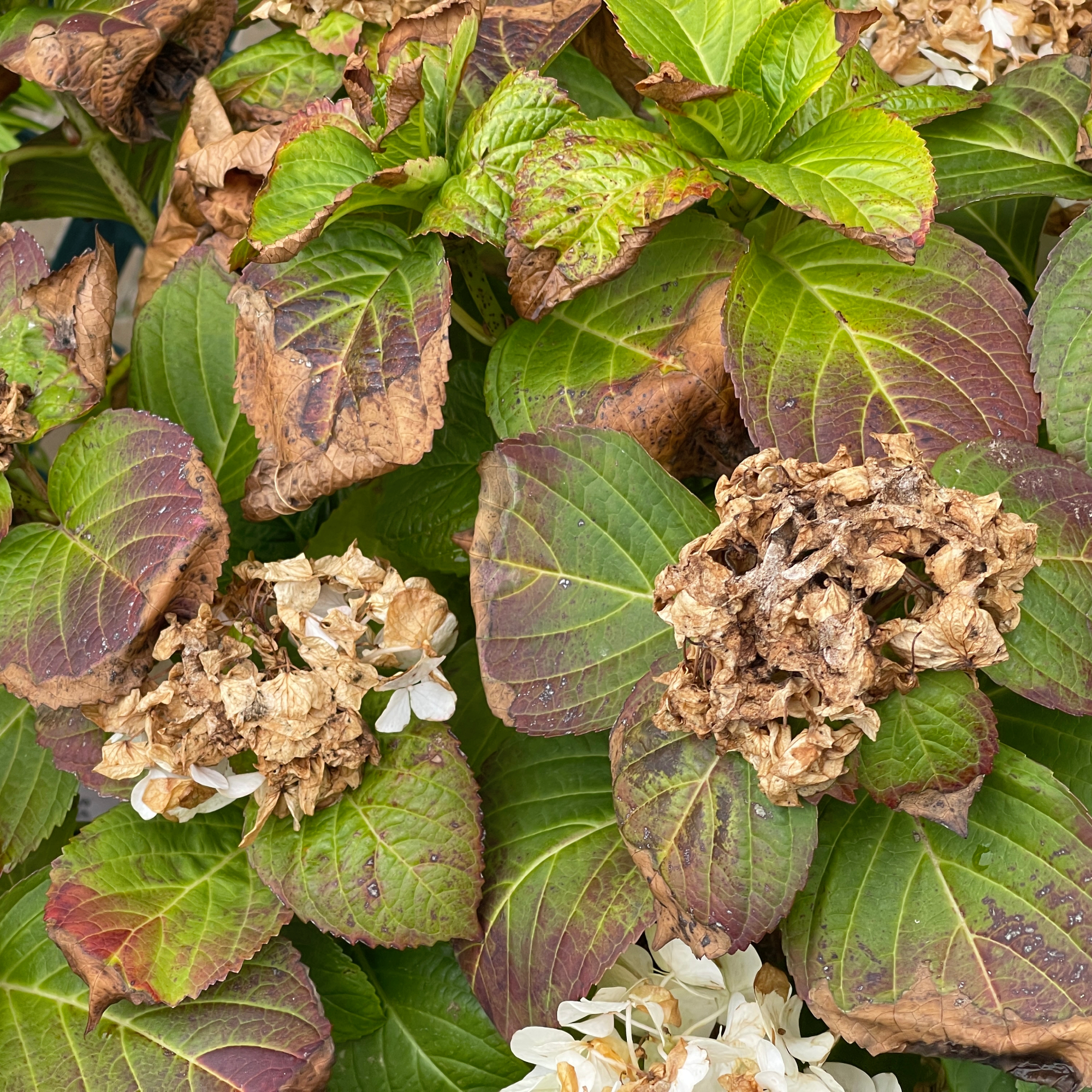
Signs Of Transplant Shock
Transplant shock happens when flowers struggle to adjust to new soil and conditions.
- Wilting leaves that do not perk up with watering
- Yellowing or browning of leaf edges
- Slow or no new growth
- Dropping leaves or buds
- Soft or mushy roots when checked
Recognizing these signs early helps you act quickly to save your plants.
Reviving Wilted Plants
Wilted plants need gentle care to bounce back. Use these steps to help them recover.
- Water the plant deeply but avoid waterlogging the roots.
- Place the plant in shade to reduce water loss.
- Loosen the soil around roots carefully to improve aeration.
- Use a diluted fertilizer to provide nutrients.
- Keep monitoring daily for improvement or further stress signs.
| Tip | Reason |
| Deep watering | Helps roots absorb moisture |
| Shade placement | Prevents excess water loss |
| Soil loosening | Improves oxygen to roots |
| Diluted fertilizer | Supports new growth gently |
| Daily monitoring | Detects issues early |
Credit: www.gardeningknowhow.com
Frequently Asked Questions
How Do I Prepare The Soil For Transplanting?
To prepare soil for transplanting, ensure it’s loose and well-drained. Add compost or organic matter to enrich nutrients. Remove any weeds and debris. Ensure the soil is moist but not waterlogged. This preparation helps the roots establish quickly, leading to successful transplanting without damage to the flowers.
When Is The Best Time To Transplant Flowers?
The best time to transplant flowers is early spring or fall. During these seasons, temperatures are mild, reducing plant stress. Avoid transplanting during extreme heat or cold. Early morning or late afternoon is ideal. These times help the plants adjust without the harsh midday sun affecting their growth.
What Tools Do I Need For Transplanting Flowers?
Essential tools for transplanting include a garden trowel, gloves, and a watering can. A trowel helps dig and move plants. Gloves protect your hands from dirt and thorns. A watering can ensures the transplanted flowers receive adequate water. These tools make the process efficient and damage-free.
How Can I Minimize Shock During Transplanting?
To minimize shock, water the plant before and after transplanting. Gently handle roots to avoid damage. Use a transplant solution or root stimulator to encourage growth. Transplant during cooler parts of the day. These steps help the plant acclimate to its new environment and reduce stress.
Conclusion
Transplanting flowers can be simple with the right steps. Handle roots gently to avoid damage. Choose a good time, like early morning or evening. Water the plants well before and after moving. Keep the soil moist but not soaked. Watch your flowers closely for signs of stress.
With care and patience, your flowers will thrive in their new home. Trust the process and enjoy your beautiful garden.
