Transplanting seedlings can feel tricky, but it doesn’t have to be. If you want your young plants to grow strong and healthy, handling them with care is key.
In this guide, you’ll discover simple steps to move your seedlings safely without causing damage. Whether you’re a beginner or have some experience, learning how to transplant seedlings carefully will boost your garden’s success. Keep reading to find out how to give your plants the best start in their new home.
Preparing Seedlings For Transplant
Transplanting seedlings helps plants grow stronger in the garden. Preparing seedlings carefully makes sure they survive the move.
Good preparation reduces stress on young plants. This helps them grow healthy roots and leaves after transplanting.
Choosing The Right Time
Choose a day with mild weather for transplanting. Avoid hot, sunny, or windy days to protect seedlings.
Transplant seedlings in the morning or late afternoon. This gives plants time to adjust before strong sun.
- Pick a cool, cloudy day if possible
- Transplant early or late in the day
- Wait until seedlings have several true leaves
Hardening Off Seedlings
Hardening off means slowly exposing seedlings to outdoor conditions. This helps them get used to sun, wind, and temperature changes.
Start by placing seedlings outside for a few hours. Increase time outside each day over one to two weeks.
- Begin with a shaded spot for 2-3 hours
- Gradually increase sun exposure daily
- Bring seedlings indoors at night
- Watch for signs of stress like wilting or yellow leaves
Inspecting Seedling Health
Check seedlings before transplanting. Healthy seedlings have strong stems and green leaves.
Remove any weak or damaged seedlings. This helps the stronger plants grow better after transplant.
- Look for firm stems and vibrant leaves
- Check for pests or diseases
- Discard seedlings with spots or holes
- Avoid transplanting leggy or thin seedlings
Selecting The Transplant Site
Choosing the right place for your seedlings helps them grow strong. A good site gives the plants what they need to thrive.
Think about the soil, sunlight, and space before moving seedlings to a new spot.
Soil Requirements
Healthy soil is soft and drains water well. It also holds enough nutrients for plants to grow.
- Check soil texture; sandy loam is ideal.
- Make sure the soil is free of weeds and debris.
- Test soil pH; most seedlings prefer 6.0 to 7.0.
- Amend the soil with compost to add nutrients.
Sunlight And Drainage
Seedlings need enough sunlight to grow leaves and stems. Drainage keeps roots from getting too wet.
| Sunlight | Drainage |
| 6 to 8 hours of direct sun | Soil should dry within 24 hours after rain |
| Avoid deep shade | Use raised beds if soil drains poorly |
| South-facing spots are best | Check for standing water after storms |
Spacing For Growth
Plants need room to grow without crowding. Good spacing helps air flow and reduces disease risk.
- Follow seed packet spacing recommendations.
- Leave extra space for larger plants.
- Use rows or clusters based on plant type.
- Allow space for walking paths if needed.
Tools And Materials Needed
Transplanting seedlings needs care and the right tools. Using the correct materials helps seedlings grow strong.
Gather all tools before you start. This saves time and keeps plants safe during the move.
Essential Gardening Tools
Good tools make transplanting easier. You need items to dig, hold, and move seedlings gently.
- Hand trowel for digging small holes
- Gardening gloves to protect hands
- Small scissors or pruning shears
- Seedling trays or pots
- Labels to mark plants
Soil Amendments And Fertilizers
Healthy soil helps seedlings grow after transplanting. Amend soil with nutrients and organic matter.
| Soil Amendment | Purpose |
| Compost | Improves soil texture and nutrients |
| Peat Moss | Increases moisture retention |
| Vermiculite | Enhances aeration and water holding |
| Balanced Fertilizer (NPK 10-10-10) | Supports overall growth |
Watering Equipment
Proper watering helps seedlings recover from transplant shock. Use gentle and steady water flow.
Watering tools to consider:
- Watering can with a fine rose spout
- Spray bottle for misting leaves
- Garden hose with a soft spray nozzle
Credit: www.gardenandhome.co.za
Step-by-step Transplant Process
Transplanting seedlings needs care to avoid damage. Follow clear steps for healthy plants.
Each step helps seedlings adjust to new soil and grow strong roots.
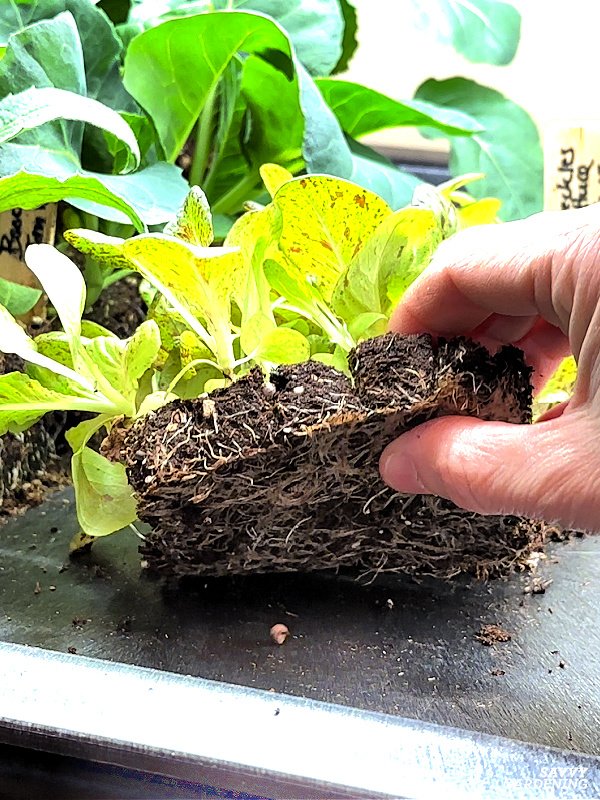
Loosening The Seedling Root Ball
Gently remove the seedling from its container. Be careful not to break the roots.
Use your fingers to loosen the root ball. This helps roots spread after transplanting.
- Hold the seedling by the leaves, not the stem
- Tap the container to loosen soil
- Carefully pull out the seedling
- Gently tease roots apart if they are tight
Digging The Planting Hole
Dig a hole slightly bigger than the root ball. This gives room for roots to grow.
Make sure the hole is deep enough so the seedling sits at the same soil level.
- Use a trowel or small shovel
- Make the hole 1-2 inches wider than roots
- Check soil moisture before planting
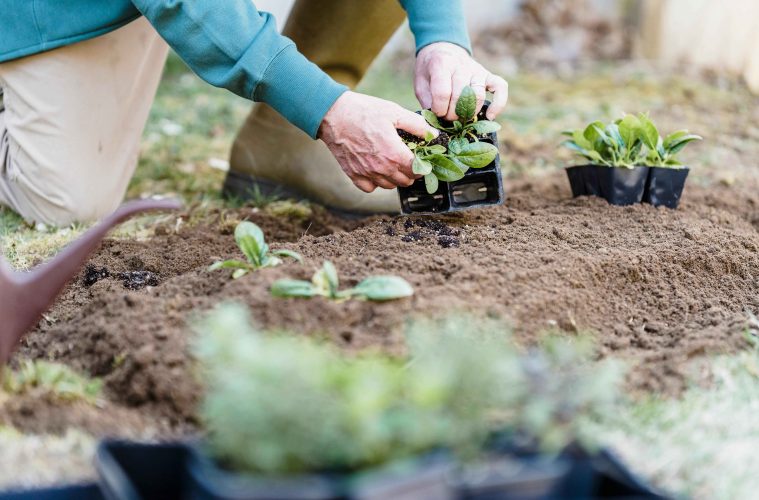
Positioning Seedlings Correctly
Place the seedling in the hole carefully. Keep it upright and straight.
Check that the top of the root ball is level with the ground surface.
- Hold the seedling steady
- Adjust depth if needed
- Leave enough space between plants for growth
Backfilling And Firming Soil
Fill the hole gently with soil around the root ball. Avoid air pockets.
Press the soil lightly to hold the plant in place and support roots.
- Fill halfway, then press soil firmly
- Finish filling the hole
- Water the soil well after transplanting
Post-transplant Care
After moving seedlings to their new place, they need extra care. This care helps them grow strong and healthy.
Good post-transplant care means watching water, soil, and pests closely. This keeps your seedlings safe and growing well.
Watering Techniques
Seedlings need enough water to settle into their new soil. Water gently to avoid washing away soil or hurting roots.
Water early in the morning or late in the afternoon. This reduces water loss from heat and helps roots absorb moisture.
- Use a watering can with a fine rose or a gentle spray nozzle
- Water at the base of the seedlings, not on leaves
- Keep soil moist but not soggy to prevent root rot
- Check soil daily to adjust watering as needed
Mulching Benefits
Mulch is a layer of material placed on soil surface. It keeps soil moist and stops weeds from growing.
Mulching helps keep soil temperature steady. This protects seedlings from extreme heat or cold.
- Use straw, leaves, or grass clippings for mulch
- Keep mulch a few inches away from seedling stems
- Replenish mulch if it thins out or blows away
- Mulch reduces water evaporation, saving you time
Protecting Seedlings From Pests
Seedlings are easy targets for insects and animals. Protect them to avoid damage and loss.
Use natural ways to keep pests away. Avoid harsh chemicals that can harm seedlings.
- Place small fences or netting around seedlings
- Use companion plants that repel pests, like marigolds
- Inspect seedlings daily for signs of pests
- Remove pests by hand or use safe insect sprays if needed
Credit: paradehomeandgarden.com
Common Mistakes To Avoid
Transplanting seedlings is a delicate task. Doing it wrong can hurt your plants.
This guide will help you avoid common mistakes. Your seedlings will grow strong and healthy.
Overwatering And Underwatering
Too much water can drown seedlings and cause root rot. Too little water makes them dry out.
Keep soil moist but not soggy. Water gently after transplanting to help roots settle.
- Check soil moisture before watering
- Use a spray or gentle watering can
- Avoid water pooling around seedlings
Transplanting At The Wrong Time
Moving seedlings too early or too late can shock them. Wait until they are strong enough.
Look for true leaves and firm stems. Transplant on a cool, cloudy day if possible.
- Wait for at least two sets of true leaves
- Avoid transplanting during hot midday sun
- Check weather forecasts before transplanting
Ignoring Soil Conditions
Soil that is too hard or poor in nutrients can stop seedlings from growing. Prepare soil well.
Loosen soil and add compost or fertilizer before transplanting. Good soil helps roots spread.
- Test soil drainage by watering and observing
- Mix in organic matter for nutrition
- Remove weeds and debris from the planting area
Troubleshooting Growth Issues
Transplanting seedlings can be tricky. Sometimes, plants show signs of stress. Watching for growth issues helps save your plants early.
Common problems include leaf wilting, yellowing, and slow growth. Knowing how to fix these keeps seedlings healthy.
Wilting And Yellowing Leaves
Wilting or yellowing leaves often mean water or light problems. Seedlings may get too much or too little water. Too much sun can also harm young plants.
- Check soil moisture daily to avoid over or under watering.
- Place seedlings where they get gentle sunlight, not direct harsh rays.
- Ensure good air circulation to prevent leaf diseases.
Stunted Growth
Seedlings that grow slowly might lack nutrients or space. Poor soil or crowded pots limit root growth. Transplant carefully to give roots room.
| Cause | Effect | Solution |
| Nutrient Deficiency | Small leaves, slow growth | Use mild fertilizer suitable for seedlings |
| Crowded Roots | Roots bind, plant weak | Transplant to larger pots gently |
| Poor Soil Drainage | Roots rot, stunted plant | Use well-draining soil mix |
Pest And Disease Management
Pests and diseases can stop seedlings from growing well. Look for spots, holes, or sticky leaves. Early action prevents spread.
- Inspect plants daily for pests like aphids or mites.
- Remove damaged leaves to stop disease spread.
- Use natural pest controls like neem oil carefully.
- Keep the planting area clean and dry.

Credit: www.sierraflowerfarm.com
Frequently Asked Questions
What Is The Best Time To Transplant Seedlings?
The best time to transplant seedlings is during early spring or late fall. These seasons provide mild temperatures, reducing transplant shock. Avoid transplanting during extreme weather conditions, as this can stress the plants. Ensure seedlings have at least two true leaves before moving them.
This indicates they are mature enough for transplanting.
How Do You Prepare Soil For Transplanting?
Prepare soil by loosening it and removing weeds. Add organic compost to enrich soil nutrients. Ensure the soil is well-draining to prevent waterlogging. A pH level between 6. 0 and 7. 0 is ideal for most seedlings. Test the soil and adjust pH levels if necessary before transplanting.
Why Is Hardening Off Seedlings Important?
Hardening off seedlings is crucial for acclimating them to outdoor conditions. This process reduces transplant shock and increases survival rates. Gradually expose seedlings to sunlight, wind, and temperature changes over a week. Start with a few hours outdoors, increasing exposure daily.
This strengthens seedlings before permanent planting.
How Deep Should Seedlings Be Planted?
Seedlings should be planted at the same depth they were in their containers. This ensures roots remain covered without being too deep. Planting too deep can suffocate roots, while too shallow can expose them to air. Ensure the root ball is fully covered and soil is firm around it.
Conclusion
Transplanting seedlings needs care and patience. Handle roots gently to avoid damage. Water seedlings well before and after moving. Choose the right spot with good light and soil. Keep soil moist but not too wet. Watch seedlings closely for signs of stress.
Small steps make a big difference in growth. With practice, your plants will thrive and grow strong. Enjoy the process and learn from each transplant. Growing healthy plants starts with careful transplanting.