
Transplanting shrubs can feel like a nerve-wracking task. You want to give your garden a fresh look, but you worry about stressing your precious plants.
If you’ve ever found yourself hesitant, you’re not alone. The good news is, there are simple ways to move your shrubs without causing them harm. Imagine having the confidence to rearrange your garden as you please, knowing your plants will thrive.
This guide is crafted to offer you just that peace of mind. Dive in to discover foolproof steps that ensure a smooth transition for your shrubs, keeping them healthy and vibrant. Ready to transform your garden with ease? Let’s get started!

Credit: www.youtube.com
Choosing The Right Shrubs
Transplanting shrubs can be tricky. Picking the right shrubs helps reduce transplant shock.
Look for shrubs that handle moving well. Healthy shrubs with strong roots do best.
Best Shrubs For Transplanting
Some shrubs are easier to move than others. Choose ones that recover quickly after transplant.
- Boxwood – tough and adaptable
- Azaleas – handle shade well
- Hydrangeas – recover fast if roots stay moist
- Forsythia – grows quickly after transplant
- Spirea – hardy and low maintenance
Avoid shrubs with delicate roots or those that need special soil. These may struggle after moving.
Timing Your Transplant
Timing affects how well shrubs survive the move. The best time is when the shrub is not growing fast.
Early spring or late fall works well. The shrub uses less energy and can focus on root growth.
- Early spring: before new growth starts
- Late fall: after leaves drop but before hard frost
- Avoid hot summer months to reduce stress
- Water well before and after transplant
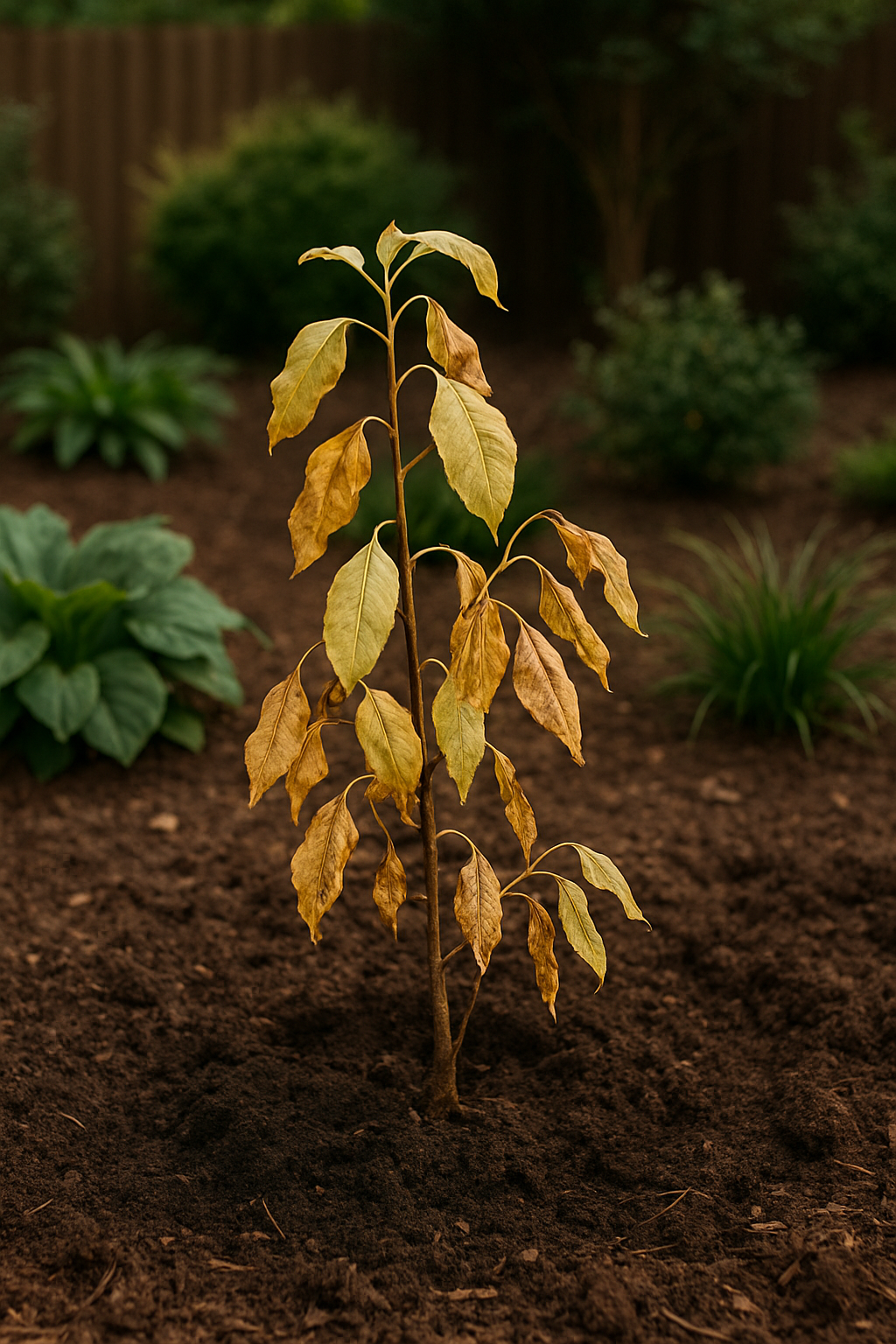
Credit: urbanoasiscontracting.com
Preparing The Shrub For Moving
Transplanting shrubs needs careful preparation to keep them healthy. Preparing the shrub well helps it grow in its new place.
This guide explains how to prepare your shrub before moving it. Follow these steps to reduce stress on the plant.
Pruning Techniques
Pruning helps the shrub focus energy on new roots after moving. Cut back dead or weak branches first. Avoid heavy pruning that removes too many leaves.
- Remove dead branches to prevent disease.
- Trim weak or crossing branches to improve air flow.
- Cut back long branches to balance root loss.
- Do not remove more than one-third of the shrub’s foliage.
- Use clean, sharp tools to avoid damage.
Watering Schedule Before Transplant
Watering the shrub well before transplant helps reduce shock. Keep the soil moist but not soggy. Stop watering a day before digging up the shrub to avoid root damage.
| Time Before Transplant | Watering Instructions |
| 1 Week Before | Water deeply twice a week |
| 3 Days Before | Water deeply once a day |
| 1 Day Before | Stop watering to let soil dry slightly |
Preparing The New Location
Choosing and preparing the right spot helps shrubs grow well after transplanting.
Good soil and location reduce stress on the plant and support healthy roots.
Soil Preparation
Test the soil to know its type and nutrients before planting.
- Clear weeds and rocks from the area.
- Loosen the soil to allow roots to spread easily.
- Add compost or organic matter to improve soil quality.
- Check soil drainage to prevent waterlogging.
- Adjust pH if needed to match the shrub’s preference.
Selecting The Ideal Spot
Pick a spot with enough sunlight and space for the shrub to grow fully.
| Factor | Consideration |
| Sunlight | Full sun or partial shade depending on shrub type |
| Space | Allow room for roots and branches to expand |
| Protection | Shield from strong winds and extreme weather |
| Soil Drainage | Well-drained soil to avoid root rot |
| Nearby Plants | Avoid planting too close to large trees or shrubs |
Digging Up The Shrub
Digging up a shrub carefully is important to avoid stress or damage. This process helps keep the plant healthy during transplanting.
Using the right techniques protects the roots and ensures the shrub grows well in its new place.
Proper Root Ball Size
The root ball must be large enough to keep most roots intact. A good size depends on the shrub’s size and type.
- For small shrubs, dig a root ball about 12 inches wide.
- Medium shrubs need a root ball around 18 to 24 inches wide.
- Large shrubs require a root ball over 24 inches wide.
- Keep the root ball as deep as possible to include enough roots.
- Use sharp tools to make clean cuts around the root ball.
Handling Roots Carefully
Roots are fragile and need careful handling to avoid damage. Rough treatment can cause transplant shock.
| Action | Reason |
|---|---|
| Wrap the root ball in burlap or plastic | Keeps soil and roots together during transport |
| Avoid shaking off too much soil | Soil protects fine roots from drying out |
| Do not pull on the shrub stem | Pulling can break roots or damage the plant |
| Keep roots moist until planting | Prevents roots from drying and dying |
| Trim only damaged or broken roots | Helps the shrub focus energy on healthy roots |
Transplanting Steps
Transplanting shrubs needs care to avoid stress. Follow simple steps to help them settle well.
Proper handling keeps the roots safe and helps shrubs grow in their new place.
Positioning The Shrub
Place the shrub in the hole carefully. Make sure it stands straight and at the right depth.
The top of the root ball should be level with the ground surface. Avoid planting too deep or too shallow.
- Center the shrub in the hole
- Check that the root ball sits flat
- Keep the shrub straight and upright
- Adjust the hole depth if needed
Backfilling And Watering
Fill the hole around the roots gently. Use soil from the hole or a good mix to avoid air pockets.
Water the shrub well after backfilling. This helps the soil settle and supports root contact.
- Fill soil slowly, pressing lightly
- Remove air pockets by gentle tapping
- Water deeply to soak the root area
- Keep soil moist for the first weeks
Post-transplant Care
Taking care of shrubs after transplanting helps them grow strong. Proper care reduces stress and supports new roots.
Focus on watering, mulching, and protecting shrubs to keep them healthy after moving.
Watering Routine
Water the shrub deeply right after transplanting. Keep the soil moist but not soaked for the first few weeks.
- Water every two to three days in the first month.
- Reduce frequency as the shrub settles.
- Check soil moisture before watering again.
- Use mulch to keep soil moist longer.
Mulching Benefits
Mulch keeps soil cool and holds moisture. It also stops weeds from growing near your shrub.
| Mulch Type | Benefit |
| Wood chips | Retains moisture and adds nutrients |
| Straw | Protects soil and controls temperature |
| Compost | Improves soil health and texture |
Protecting From Stress
Shield shrubs from harsh sun and wind to avoid stress. Stress slows root growth and leaf recovery.
Tips to protect your shrub:
- Place shade cloth during hot afternoons.
- Use windbreaks like fences or other plants.
- Avoid heavy pruning after transplanting.
- Keep foot traffic away from the root area.
Common Mistakes To Avoid
Transplanting shrubs can be tricky if you do not handle them well. Avoiding common mistakes helps keep shrubs healthy.
Knowing what not to do helps prevent shock and supports strong growth after moving the shrub.
Overwatering And Underwatering
Giving too much water can drown roots and cause rot. Giving too little water can dry out the shrub quickly.
Both overwatering and underwatering stress the shrub and can slow its recovery after transplant.
- Water the shrub evenly and check soil moisture often.
- Do not let water stand around the roots.
- Keep soil damp but not soaked.
- Adjust watering if the weather is hot or dry.
Ignoring Soil Conditions
Planting shrubs in poor soil can stop them from growing well. Soil that is too hard or sandy can harm roots.
Good soil holds water and air but drains well. Preparing the soil before planting helps the shrub adapt.
- Test soil pH and texture before transplanting.
- Mix compost or organic matter into the soil.
- Avoid planting in compacted or waterlogged soil.
- Make sure the soil matches the shrub’s needs.

Credit: www.reddit.com
Frequently Asked Questions
How Do I Prepare Shrubs Before Transplanting?
Water shrubs deeply a day before transplanting. Prune any dead or damaged branches. This reduces stress and encourages root growth.
When Is The Best Time To Transplant Shrubs?
Transplant shrubs during early spring or fall. These seasons offer mild temperatures and moist soil, helping shrubs establish quickly.
How To Minimize Transplant Shock In Shrubs?
Keep roots moist and transplant during cool parts of the day. Use mulch to retain moisture and reduce temperature stress.
Should I Prune Shrubs After Transplanting?
Lightly prune shrubs after transplanting to balance root loss. Avoid heavy pruning until the shrub shows healthy new growth.
Conclusion
Transplanting shrubs can be simple with the right steps. Take time to prepare the soil well. Water the plants before and after moving them. Handle roots gently to avoid damage. Choose a good spot with proper sunlight. Watch your shrubs closely for signs of stress.
Healthy shrubs will grow strong in new places. Care and patience help them settle quickly. Transplanting does not have to be hard. Follow these tips for happy, thriving shrubs.