If you want to achieve smooth, professional-looking surfaces on your wood or metal projects, knowing how to use a belt sander is a game-changer. This powerful tool can save you hours of hard work, but only if you use it the right way.
Imagine finishing your project faster, with less effort, and getting results that make you proud. In this guide, you’ll discover simple steps and expert tips to master your belt sander safely and effectively. Ready to transform your DIY skills? Keep reading and take control of your sanding like a pro.
Credit: www.sumake.com
Choosing The Right Belt Sander
Using a belt sander makes sanding wood and other materials faster. Picking the right sander helps you work better. You should know the types, grit, and safety gear before you start.
This guide helps you choose the best belt sander for your project. It explains types of sanders, selecting the correct grit, and the safety gear you need.
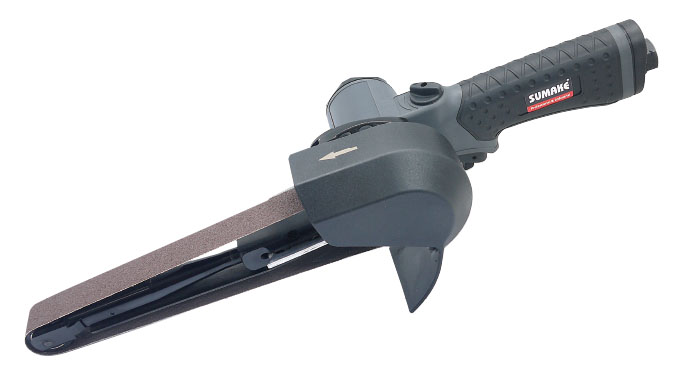
Types Of Belt Sanders
Belt sanders come in different shapes and sizes. Each type fits certain jobs. Knowing the types helps you pick the right one for your work.
- Handheld Belt Sanders:Good for small to medium jobs. Easy to control and move.
- Stationary Belt Sanders:Fixed on a bench. Best for larger pieces and heavy sanding.
- Detail Belt Sanders:Small and narrow. Used for tight corners and detailed work.
Selecting The Correct Grit
Grit number tells how rough or smooth the sandpaper is. Low grit means rough, high grit means smooth. Use the right grit for your project to get good results.
| Grit Number | Use |
| 40-60 | Removing paint or rough shaping |
| 80-100 | Smoothing rough wood surfaces |
| 120-150 | Final sanding before finishing |
| 180-220 | Very smooth finish and fine sanding |
Safety Gear Essentials
Safety gear keeps you safe while sanding. Always wear the right equipment to avoid injury and dust breathing.
- Safety glasses to protect your eyes
- Dust mask to avoid breathing dust
- Hearing protection for loud sanders
- Gloves to protect your hands
- Long sleeves to protect your skin
Preparing Your Workspace
Before using a belt sander, prepare your workspace carefully. A clean and safe area helps you work better and avoid accidents.
Taking time to set up your space improves your sanding results. It also keeps you safe while working.
Clearing The Area
Remove all unnecessary items around your work area. This stops tools or debris from getting in your way.
Keep the floor free of clutter to avoid tripping. Also, clear surfaces where you will place your tools.
- Move furniture and objects away from your workspace
- Pick up loose items from the floor
- Keep the area well-lit for better visibility
Securing The Workpiece
Hold your workpiece firmly before sanding. Use clamps or a vise to keep it from moving.
Secure objects help you sand evenly and prevent slips. This also protects your hands from injury.
- Use clamps to hold small pieces
- Place larger items on a stable workbench
- Check that the workpiece does not wobble
Ensuring Proper Ventilation
Sanding creates dust that can harm your lungs. Work in a well-ventilated area to stay safe.
Open windows or use fans to move air. This reduces dust buildup and keeps the air fresh.
- Work outside if possible
- Open doors and windows for airflow
- Use a dust mask for extra protection
Setting Up The Belt Sander
Setting up your belt sander correctly makes sanding easier and safer. This guide covers key steps for a smooth start.
Check each part before using the sander. Proper setup helps you get good results and avoid damage.
Installing The Sanding Belt
First, unplug the belt sander to stay safe. Locate the belt release lever or knob on the side.
Lift the lever to release the old belt. Slide the new sanding belt over the rollers, matching the arrows on the belt.
- Make sure the belt is centered on the rollers
- Check the belt direction arrow matches the sander’s rotation
- Close the lever to lock the belt in place
Adjusting Belt Tension
Correct belt tension keeps the sanding belt tight and prevents slipping. Too loose or too tight belts can cause damage.
Use the tension adjustment knob or lever to tighten the belt. Turn or move it until the belt feels firm but can still move freely.
- Check the belt by pressing lightly in the middle
- The belt should not sag or be too hard to move
- Adjust tension evenly on both sides if possible
Checking Speed Settings
Some belt sanders have adjustable speed controls. Set the speed based on your sanding task and material.
Lower speeds work well for delicate wood or fine sanding. Higher speeds suit rough sanding or hard materials.
- Find the speed dial or switch on the sander
- Start with a lower speed to test the sanding
- Increase speed gradually if needed
Techniques For Effective Sanding
Using a belt sander correctly helps you get smooth, even surfaces. Good sanding techniques save time and avoid damage.
Learn how to hold the tool, follow the wood grain, and control pressure. These tips make your sanding more effective.
Maintaining A Steady Grip
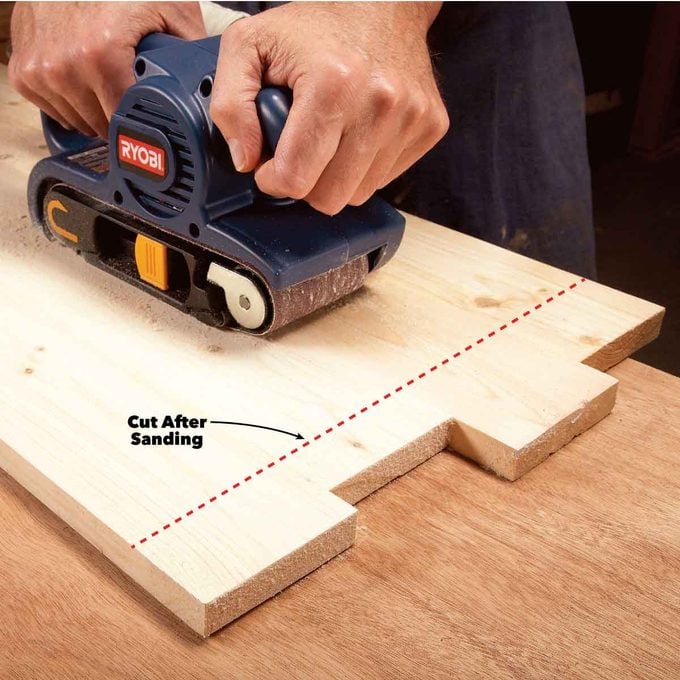
Hold the belt sander firmly with both hands. Keep your grip steady to control the tool and avoid slips.
- Place one hand on the main handle
- Use the other hand to guide the front handle
- Keep wrists straight and relaxed
- Do not squeeze too tightly to reduce fatigue
Sanding With The Grain
Always move the sander in the direction of the wood grain. This prevents scratches and keeps the surface smooth.
Cross-grain sanding can leave marks that are hard to remove. Follow the lines of the wood for best results.
Applying Consistent Pressure
Use steady, even pressure while sanding. Pressing too hard can cause uneven surfaces or damage the wood.
| Pressure Level | Effect |
| Light | Gentle sanding, good for finishing |
| Moderate | Efficient material removal without damage |
| Heavy | Can cause gouges or uneven surfaces |
Avoiding Common Mistakes
Using a belt sander can speed up sanding jobs. But mistakes can cause damage to your work.
Learn how to avoid common errors to get smooth, even surfaces every time you sand.
Preventing Gouges And Dips
Gouges and dips happen when too much pressure is applied or the sander stays too long in one spot.
- Keep the sander moving steadily across the surface.
- Apply light, even pressure without pushing down hard.
- Use the full width of the sanding belt to spread wear evenly.
- Check your work often to catch any uneven spots early.
Managing Overheating
Overheating can damage the wood and shorten the belt’s life. It also makes the sander harder to control.
| Cause | Effect | Solution |
| Too much pressure | Heat builds up | Use light pressure |
| Keeping sander in one place | Burn marks on wood | Keep the sander moving |
| Worn or clogged belt | More friction | Change or clean the belt |
Handling Belt Slippage
Belt slippage causes uneven sanding and can damage your workpiece. It happens when the belt is loose or dirty.
- Check belt tension before starting your work.
- Clean the belt and rollers to remove dust and debris.
- Replace worn belts promptly to keep good grip.
- Follow manufacturer instructions for proper belt installation.
Credit: www.familyhandyman.com
Finishing Touches
Using a belt sander can speed up your woodworking projects. The finishing touches make your work look smooth and ready for the next step.
Pay close attention to sanding details to get the best results before staining or painting.
Switching To Finer Grits
Start with a coarse grit to remove rough spots. Then switch to finer grits for a smooth finish. This removes scratches left by the coarse sandpaper.
- Use 80 grit to shape and remove large imperfections
- Move to 120 grit to smooth the surface
- Finish with 220 grit for a very fine, smooth finish
Cleaning The Sanded Surface
After sanding, clean the surface to remove dust. Dust can cause uneven paint or stain. Use a soft brush or cloth to clear all particles.
| Cleaning Method | Purpose |
| Soft brush | Remove loose dust from grooves |
| Vacuum cleaner | Pick up fine dust from flat surfaces |
| Damp cloth | Wipe remaining dust gently |
Preparing For Staining Or Painting
Make sure the wood is dry and clean before applying stain or paint. Check for any rough spots and sand lightly if needed.
Follow these tips for the best results:
- Test stain or paint on a small area first
- Apply thin coats evenly
- Let each coat dry completely before the next
- Use a quality brush or cloth for application
Maintaining Your Belt Sander
Keeping your belt sander in good shape helps it work well and last longer.
Regular care prevents problems and keeps the tool safe to use.
Cleaning And Storage Tips
Clean dust and debris from your belt sander after every use. This stops buildup that can damage the motor.
- Use a brush or compressed air to remove dust.
- Wipe the outside with a dry cloth.
- Store the sander in a dry, cool place away from moisture.
- Avoid leaving it in direct sunlight or damp areas.
Replacing Worn Parts
Parts like sanding belts and rollers wear out over time. Replace them to keep the sander working smoothly.
- Turn off and unplug the sander before replacing parts.
- Remove the old sanding belt carefully.
- Install a new belt that matches the size and type for your sander.
- Check rollers and replace if they are cracked or worn.
Regular Inspection Checklist
| Item | What to Check | Frequency |
| Power Cord | Look for cuts or frays | Before each use |
| Sanding Belt | Check for tears or wear | After every few uses |
| Rollers | Ensure they turn smoothly | Monthly |
| Dust Port | Clear any blockages | Weekly |
| Motor | Listen for unusual sounds | Monthly |

Credit: www.youtube.com
Frequently Asked Questions
What Safety Gear Is Needed For Using A Belt Sander?
Always wear safety goggles, ear protection, and a dust mask. Gloves protect your hands from abrasions. Use proper clothing to avoid loose sleeves catching in the sander. Safety ensures smooth and injury-free sanding work.
How Do I Choose The Right Sandpaper Grit?
Select coarse grit (40-60) for heavy material removal. Medium grit (80-120) suits smoothing rough surfaces. Fine grit (150-220) is best for finishing. Choosing correct grit improves sanding efficiency and surface quality.
Can I Use A Belt Sander On Wood And Metal?
Yes, belt sanders work on both wood and metal. Use appropriate sandpaper grit and speed settings for each material. Proper technique prevents damage and delivers smooth finishes on diverse surfaces.
How To Avoid Gouges When Using A Belt Sander?
Keep the sander moving steadily without pressing too hard. Let the belt do the work. Maintain flat contact with the surface to prevent gouging. Practice control for even sanding results.
Conclusion
Using a belt sander can simplify your woodworking projects. It smoothens surfaces quickly. Remember to wear safety gear and keep your workspace tidy. Always ensure the sander is off before plugging it in. Practice on scrap wood first to gain confidence.
Adjust the belt tension for better control. Move steadily along the wood grain to avoid marks. Regularly check the sander’s dust bag and empty it. With these tips, sanding becomes easier and safer. Enjoy crafting with your belt sander. Happy sanding!