
If you want smooth, professional-looking finishes on your wood projects, mastering the belt sander is key. You might think it’s just for rough sanding, but when used right, a belt sander can give your work a flawless finish faster than other tools.
In this guide, you’ll learn simple steps and insider tips to use your belt sander like a pro. Whether you’re a beginner or just want better results, keep reading to discover how to make your finishing process easier and more effective.
Choosing The Right Belt Sander
Using a belt sander for finishing work requires the right tool. Picking the right belt sander makes your project smoother and faster.
This guide helps you choose the best belt sander for your finishing tasks. We look at types, grit, power, and size.
Types Of Belt Sanders
Belt sanders come in many types. Each type fits different finishing jobs. Choosing the right one saves time and effort.
- Handheld Belt Sanders:Easy to use, good for small to medium jobs.
- Stationary Belt Sanders:Fixed to a workbench, best for larger or more precise work.
- Detail Belt Sanders:Smaller and designed for tight spots and edges.
Selecting The Correct Grit
The grit size of the sanding belt affects the finish quality. Lower grit removes more material, higher grit smooths the surface.
| Grit Size | Use |
| 40-60 | Rough sanding and stripping paint |
| 80-120 | General sanding and smoothing wood |
| 150-220 | Fine finishing and preparing for paint or stain |
Power And Size Considerations
Power and size affect how well the belt sander works. More power means faster sanding. Size impacts the area you can cover.
- Choose a motor with enough power for your material.
- Smaller sanders work well for tight spaces and detail work.
- Larger sanders are better for big, flat surfaces.
- Consider weight for ease of use during long projects.
Preparing Your Workspace
Using a belt sander safely starts with a clean and organized workspace. A well-prepared area helps you work better and avoid accidents.
Before you begin sanding, take time to set up your space. This will keep your project steady and protect you from hazards.
Safety Gear Essentials
Wear the right safety gear to protect yourself from dust and debris. This gear keeps you safe during sanding.
Use equipment that covers your eyes, ears, and lungs. These parts are most at risk when using a belt sander.
- Safety goggles or glasses to protect your eyes
- Hearing protection like earplugs or earmuffs
- A dust mask or respirator to avoid breathing in dust
- Work gloves to protect your hands
Securing Your Workpiece
Keep your workpiece steady by clamping it down. This stops it from moving while you sand.
Use a strong clamp or vise to hold the wood or material firmly. This gives you better control and safety.
- Choose clamps that fit your work surface
- Place clamps so they do not block the sanding area
- Check the workpiece is tight and cannot shift
Clearing The Area
Remove any clutter and obstacles from your workspace. This lowers the risk of tripping or knocking things over.
Make sure cords and tools are out of the way. A clear area helps you move freely and work safely.
- Clear off the workbench and floor near you
- Keep cords tidy and away from the sanding path
- Store unused tools in a safe place
Setting Up The Belt Sander
Before starting your sanding project, it is important to set up the belt sander correctly. Proper setup ensures smooth operation and good results. Take time to prepare the tool and check all parts.
This guide covers installing the sanding belt, adjusting belt tension, and calibrating speed settings. These steps help you work safely and effectively.
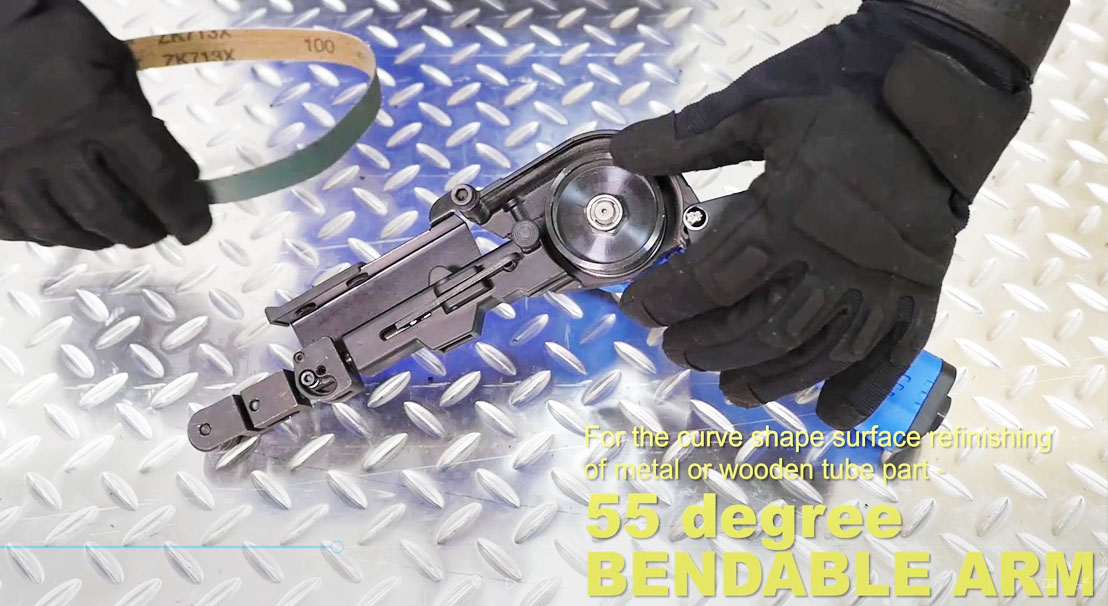
Installing The Sanding Belt
Choose the right sanding belt for your project size and grit. Turn off and unplug the sander before changing the belt. Open the belt cover or release the lever to access the rollers.
Slide the sanding belt onto the rollers. Make sure the arrows on the belt match the sander’s direction. Close the cover or secure the lever to hold the belt in place.
Adjusting Belt Tension
Correct belt tension keeps the sanding belt tight and prevents slipping. Locate the tension adjustment knob or lever on your sander. Turn or move it to increase or decrease tension.
The belt should be firm but not too tight. Press lightly on the belt’s center; it should give a little but not sag. Adjust until the belt runs smoothly without slipping.
Calibrating Speed Settings
Many belt sanders have adjustable speed settings. Select a speed that matches your material and sanding task. Lower speeds are good for delicate work.
To adjust speed, use the dial or switch on the sander. Test the speed on scrap wood. Change settings if the belt sander feels too fast or slow for your finish.
Credit: www.sumake.com
Techniques For Effective Finishing
Using a belt sander for finishing needs care and skill. The right techniques help you get smooth, even surfaces.
Learn how to hold the sander, move it, and avoid common errors to finish your work well.
Proper Sanding Angle And Pressure
Keep the belt sander flat against the surface. Hold it at a slight angle to avoid digging in.
Use light to medium pressure. Pressing too hard can damage the wood and wear the belt quickly.
- Hold the sander at about 5 to 15 degrees
- Apply steady, gentle pressure
- Let the sander’s weight do most of the work
Maintaining Consistent Movement
Keep the sander moving smoothly and evenly across the surface. Stopping in one spot can cause uneven sanding.
Move the sander in straight lines or gentle curves that follow the wood grain for best results.
- Keep a steady speed during sanding
- Overlap each pass slightly for even coverage
- Follow the direction of the wood grain
Avoiding Common Mistakes
Do not press too hard or hold the sander still. These cause gouges or uneven spots.
Make sure to check the belt condition often. Worn belts reduce sanding quality.
- Do not let the sander stay in one spot
- Avoid excessive pressure on the tool
- Replace worn or clogged sanding belts
- Wear safety gear like goggles and dust masks
Handling Different Materials
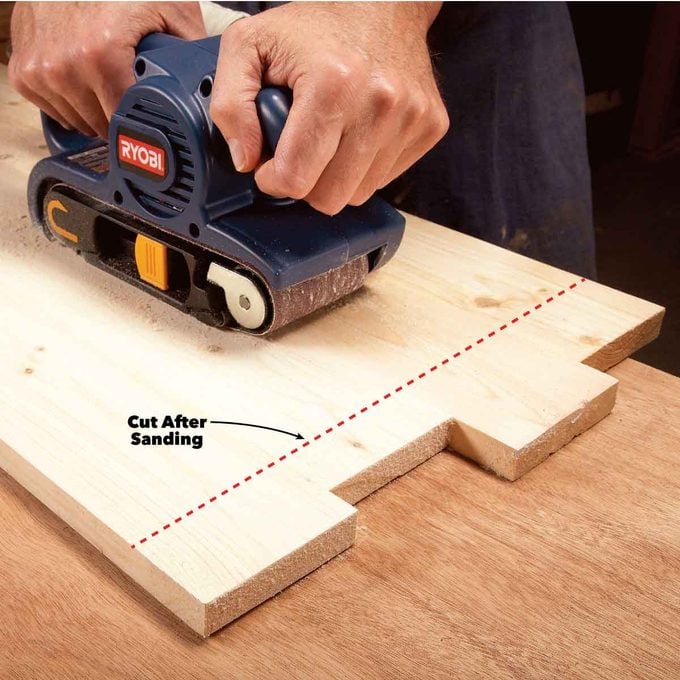
A belt sander is a useful tool for smoothing surfaces. It works on many materials like wood, metal, and plastic.
Using the right technique is important. Each material needs special care to get the best finish.
Sanding Softwoods Vs. Hardwoods
Softwoods are easier to sand but can get damaged fast. Hardwoods need more power but give a smooth finish.
Use a finer grit belt for hardwoods. For softwoods, start with a medium grit to avoid deep scratches.
- Softwoods: Use lower speed and gentle pressure
- Hardwoods: Use higher speed and steady pressure
- Always sand along the grain to prevent marks
Working With Painted Surfaces
Sanding painted surfaces needs care to avoid removing too much paint. Use a fine grit belt for light sanding.
Keep the sander moving to avoid burning the paint. Test on a small area first to check results.
- Use fine grit belts (120 to 180 grit)
- Apply light pressure and keep the sander moving
- Wear a mask to avoid inhaling paint dust
Finishing Metal And Plastic
Metal and plastic need special belts made for those materials. Use low speed to avoid melting or burning.
Work gently and check often to avoid damage. Use a cloth to clean dust from plastic surfaces.
- Choose belts made for metal or plastic
- Use low speed and light pressure
- Keep the sander moving to prevent heat buildup
- Clean surfaces after sanding to remove residue
Credit: www.familyhandyman.com
Maintaining Your Belt Sander
Keeping your belt sander in good shape helps it work better and last longer. Regular care stops problems early.
This guide shows easy ways to clean, store, replace belts, and fix common problems with your belt sander.
Cleaning And Storage Tips
Clean your belt sander after each use to remove dust and debris. Dust can harm the motor and reduce sanding quality.
Store the sander in a dry, cool place. Keep it away from moisture to avoid rust and damage.
- Use a brush or compressed air to clean dust off the sanding belt and rollers.
- Wipe the body with a dry cloth to remove dirt.
- Cover the sander with a cloth or case before storing.
- Check the power cord for damage before storing.
Replacing Belts
Replace the sanding belt when it wears out or tears. A worn belt lowers sanding quality and can damage your work.
Turn off and unplug the sander before changing the belt. Follow your sander’s instructions for removing and installing belts.
- Loosen the belt tension lever or knob.
- Slide the old belt off the rollers.
- Place the new belt on the rollers, matching the direction arrows.
- Tighten the tension lever to secure the belt.
- Test the belt by running the sander briefly.
Troubleshooting Common Issues
If your belt sander stops working or runs poorly, check some common problems first. Many issues can be fixed quickly.
- Belt slips:Check if the belt is tight and properly aligned.
- Uneven sanding:Replace a worn belt or adjust the tracking knob.
- Overheating:Clean dust from vents and avoid long continuous use.
- Motor won’t start:Inspect the power cord and switch for damage.
- Unusual noise:Check for debris caught in the rollers or damaged parts.
Enhancing Results With Accessories
Using a belt sander for finishing work can be easier and more precise with the right accessories. These tools help improve your sanding quality and keep your workspace clean.
Accessories add control and safety. They also make sanding faster and smoother. Learn how to use dust collection systems, guide attachments, and other tools with your belt sander.
Using Dust Collection Systems
Dust collection systems keep your work area clean. They attach to your belt sander and catch dust as you work. This reduces mess and helps you see your progress clearly.
Using dust collection also protects your lungs from harmful dust particles. It is smart to connect your sander to a vacuum or dust bag during sanding tasks.
- Attach the dust port firmly to avoid leaks
- Empty dust bags regularly to maintain suction
- Use a vacuum with a HEPA filter for fine dust
- Wear a mask for extra safety
Adding Guide Attachments
Guide attachments help you sand straight lines and edges. They fit onto your belt sander and keep it steady. This improves accuracy and prevents uneven sanding.
Many guides are adjustable. You can set the width and angle to match your project. Using guides reduces mistakes and saves time on finishing work.
- Choose a guide that fits your sander model
- Adjust the guide before you start sanding
- Keep the guide tight to avoid wobbling
- Practice on scrap wood to get used to the guide
Combining With Other Tools
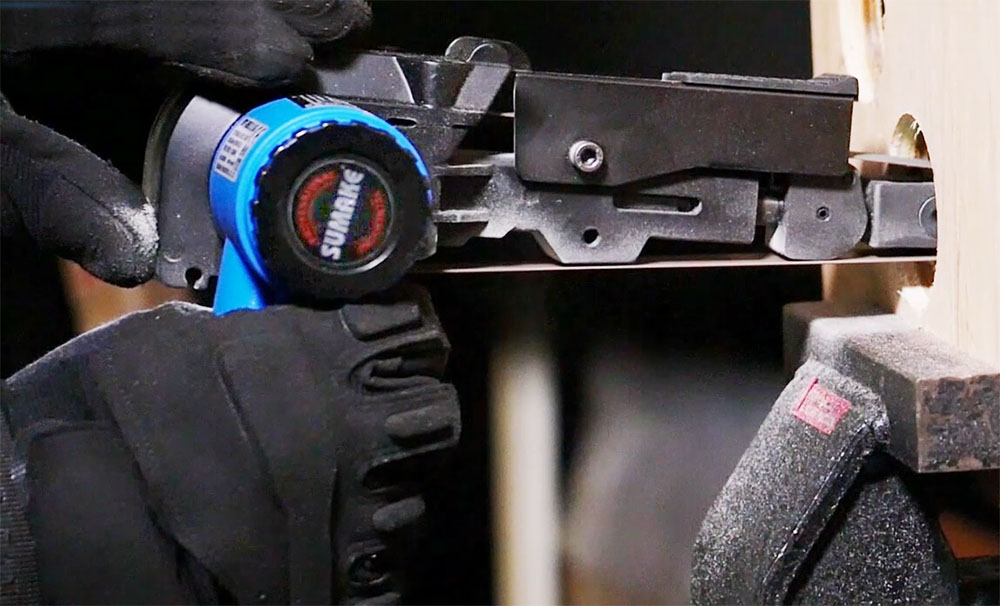
Using other tools with your belt sander can improve finishing results. For example, a detail sander can smooth small areas that the belt sander cannot reach.
Hand sanding after using the belt sander helps remove scratches and creates a smooth surface. Combining tools lets you handle different parts of the project easily.
- Use a detail sander for corners and tight spots
- Hand sand with fine-grit paper for a smooth finish
- Use a block sander to keep flat surfaces even
- Match sanding grits between tools for best results
Credit: www.sumake.com
Frequently Asked Questions
How Do You Prepare Wood Before Using A Belt Sander?
Clean the wood surface and remove nails or debris. Sand with a coarse grit to smooth rough areas. Always wear safety gear before starting.
What Grit Belt Should I Use For Finishing?
Start with 120-grit for initial smoothing, then move to 220-grit for a fine finish. This prevents scratches and ensures smoothness.
How To Control Dust When Using A Belt Sander?
Use a sander with a dust collection bag or connect it to a vacuum. Sand in a well-ventilated area for safety.
Can A Belt Sander Be Used On Painted Surfaces?
Yes, but use caution. Start with a finer grit to avoid removing too much paint. Test on a small area first.
Conclusion
A belt sander can make wood finishing easier. With practice, you’ll achieve smooth results. Always choose the right sandpaper grit. Be patient and steady with your movements. Dust collection is important for safety. Check your sander regularly for wear. Proper maintenance extends its life.
Follow these tips, and your projects will look professional. Mistakes happen, but they teach valuable lessons. Keep experimenting and refining your skills. Enjoy the process and creativity it brings. With time, sanding can become second nature. Your woodwork will shine with your personal touch.