If you’ve ever faced the challenge of smoothing a large wooden surface, you know how tough and time-consuming it can be. Using a belt sander is one of the fastest ways to get the job done, but only if you know the right techniques.
In this guide, you’ll discover simple steps to handle your belt sander with confidence and achieve a smooth, professional finish every time. Whether you’re working on a big table, floor, or door, mastering this tool will save you hours and deliver impressive results.
Keep reading to learn how to make your sanding project easier and more effective.
Choosing The Right Belt Sander
A belt sander is a useful tool for smoothing large surfaces quickly. Picking the right one makes the job easier and better.
Consider the type, power, and sandpaper grit to get good results on big projects.
Types Of Belt Sanders
There are different belt sanders for various jobs. Choose one that fits your project size and surface type.
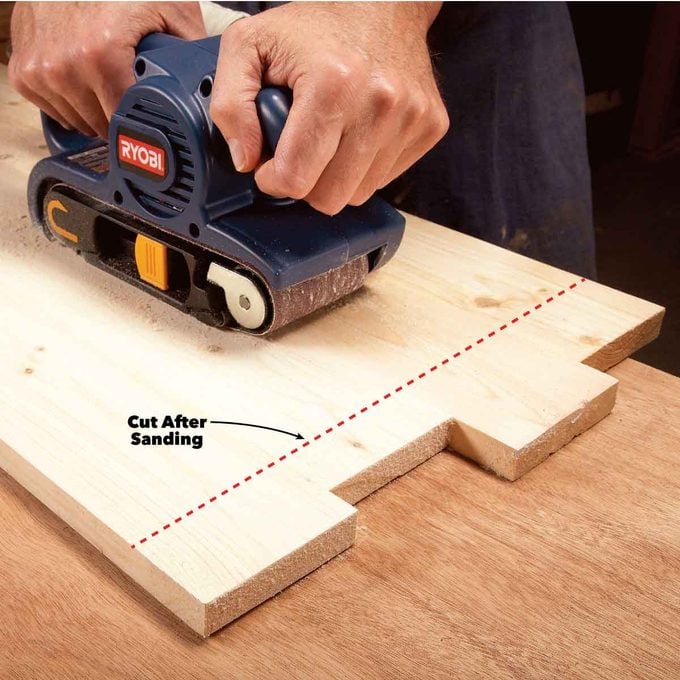
Handheld belt sanders work well for small to medium surfaces. Stationary belt sanders are best for big, flat wood pieces.
- Handheld Belt Sanders:Portable and easy to control.
- Stationary Belt Sanders:Fixed in place, good for heavy sanding.
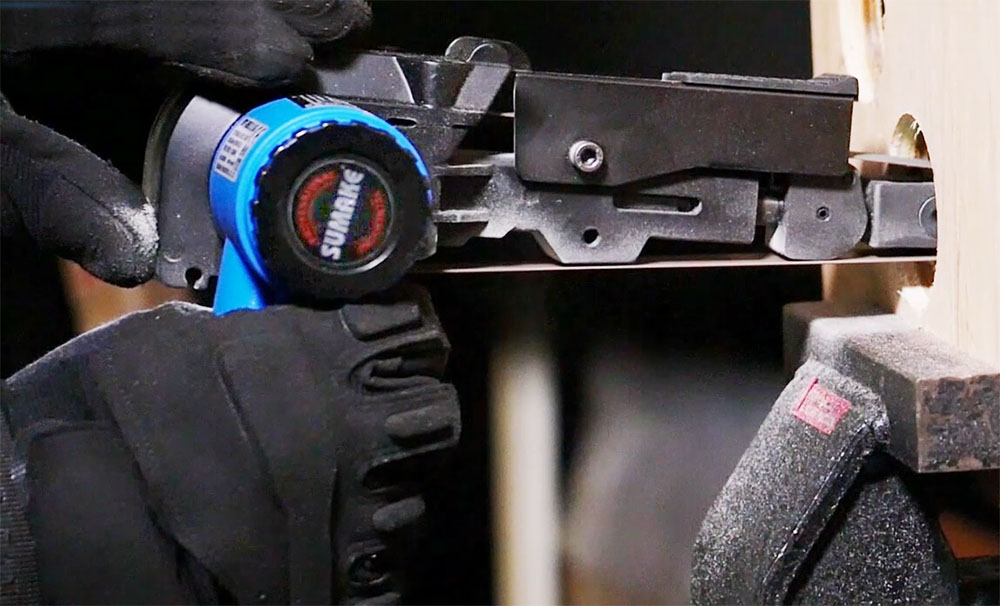
- Detail Belt Sanders:Smaller belts for tight spaces.
Power And Speed Considerations
Power helps the belt sander cut through wood smoothly. More power is better for large or hard surfaces.
Speed control lets you adjust how fast the belt moves. Slower speeds give more control, faster speeds remove material quickly.
- Look for a motor with at least 3 to 6 amps for big jobs.
- Choose variable speed models for better control.
- Higher speed means faster sanding but less precision.
Selecting The Correct Sandpaper Grit
Sandpaper grit affects how smooth the surface will be. Use coarse grit to remove rough spots fast.
Fine grit helps finish the surface and prepare it for paint or stain.
- Coarse Grit (40-60):Removes a lot of material quickly.
- Medium Grit (80-120):Smooths rough surfaces.
- Fine Grit (150-220):Prepares surface for finishing touches.
Credit: www.familyhandyman.com
Preparing The Work Area
Using a belt sander on large surfaces needs a safe and tidy workspace. Preparing the area helps you work smoothly and avoid accidents.
Clear the space, wear the right gear, and set up dust collection before you start sanding.
Clearing And Securing The Surface
Remove all objects and debris from the sanding surface. This prevents damage to the sander and the material.
Secure the workpiece firmly to avoid movement. Use clamps or a sturdy workbench to hold it steady.
- Clear away nails, screws, or staples
- Check for loose parts on the surface
- Clamp down the material tightly
- Make sure the surface is flat and stable
Safety Gear Essentials
Wear safety gear to protect your eyes, ears, and lungs. Belt sanding creates dust and loud noise.
Use the right equipment to prevent injuries and breathe clean air.
- Safety goggles to shield your eyes
- Ear protection like earplugs or earmuffs
- Dust mask or respirator for breathing safety
- Work gloves to protect your hands
Dust Collection Setup
Set up dust collection to keep the area clean. Dust can harm your health and make the floor slippery.
Use a vacuum or dust bag attachment with your belt sander. This helps catch dust as you work.
- Attach a vacuum hose to the sander if possible
- Use a dust bag on the sander to catch debris
- Place a shop vacuum nearby for extra cleanup
- Wear a dust mask even with dust collection
Setting Up The Belt Sander
Setting up your belt sander correctly is important for smooth sanding. It helps you work safely and get even results.
Before you start sanding large surfaces, prepare the tool carefully. This makes the job easier and faster.
Installing And Tensioning The Belt
First, install the sanding belt on the sander. Make sure the arrows on the belt match the machine’s direction.
Tighten the belt using the tension lever or knob. The belt should be snug but not too tight to avoid damage.
- Open the belt cover to access the rollers
- Place the belt over the front and rear rollers
- Align the belt to avoid slipping off
- Use the tension control to tighten the belt
- Close the belt cover securely
Adjusting The Speed Settings
Check if your belt sander has speed control. Adjust the speed based on the surface and material type.
Use a low speed for delicate wood and a higher speed for tough materials. This prevents damage and improves finish.
- Start at the lowest speed setting
- Test on a scrap piece of material
- Increase speed gradually if needed
- Keep speed steady during sanding
Checking For Proper Function
Before sanding, turn on the sander and watch how it runs. The belt should move smoothly without wobbling.
Listen for unusual noises or vibrations. If you find any issues, stop and fix them before starting your project.
- Ensure the belt tracks in the center
- Check for loose parts or screws
- Test the on/off switch
- Wear safety gear before use

Credit: www.homebuilding.co.uk
Effective Sanding Techniques
Using a belt sander on large surfaces needs care and skill. Good sanding makes the surface smooth and ready for finishing.
Learn how to control the sander well to get even and clean results without damage.
Maintaining Consistent Pressure
Keep steady pressure on the sander to avoid marks or dips. Press too hard and you risk gouging the wood.
Let the sander do the work. Apply just enough pressure to keep it moving smoothly across the surface.
- Hold the sander firmly but gently
- Use your body weight, not just your arms
- Keep pressure even from start to end
Using Smooth, Even Strokes
Move the sander in long, even strokes. Avoid stopping in one spot for too long.
Keep the sander flat and moving in the direction of the grain. This helps prevent scratches and uneven sanding.
- Push the sander forward in straight lines
- Overlap strokes slightly for full coverage
- Keep a steady speed while sanding
Avoiding Uneven Surfaces And Gouges
Check your work often to catch any uneven spots early. Fix small areas before they get worse.
Lift the sander at the end of each stroke to avoid cutting into the surface. Keep the belt flat to the wood.
- Inspect the surface under good light
- Do not press too hard on edges
- Keep the sander moving to avoid gouges
Dealing With Common Challenges
Using a belt sander on large surfaces can bring some problems. These problems can slow your work or damage the material.
Knowing how to handle edges, belt slippage, and heat buildup helps you finish faster and better.
Handling Edges And Corners
Edges and corners need special care with a belt sander. The sander can dig in too deep or miss spots.
- Use a smaller sanding pad for tight corners.
- Sand edges lightly to avoid rounding them too much.
- Move the sander smoothly along the edges.
- Check often to keep edges even with the rest of the surface.
Preventing Belt Slippage
Belt slippage can stop work and waste sandpaper. It happens if the belt is loose or dirty.
| Cause | How to Fix |
| Loose belt | Tighten the belt with the adjustment knob |
| Dirty rollers | Clean rollers with a dry cloth |
| Worn belt | Replace the sanding belt |
| Wrong belt size | Use a belt that fits your sander model |
Managing Heat Buildup
Heat buildup can burn the wood or wear out the belt fast. It happens if you push too hard or sand for too long.
Follow these tips to reduce heat buildup:
- Keep light, even pressure on the sander.
- Move the sander constantly over the surface.
- Take breaks to let the sander cool down.
- Use a coarser grit belt for fast material removal.
- Check the belt often for signs of burning or clogging.
Finishing Touches
Using a belt sander on large surfaces can leave rough areas. Finishing touches help make the surface smooth and ready for use.
These final steps improve the look and feel of your project. Pay attention to details for the best results.
Switching To Finer Grits
Start with a coarse grit to remove rough spots fast. Then switch to finer grits to smooth the surface. Finer grits reduce scratches from earlier sanding.
Use these grits in order: 80, 120, 180, and 220. Change the sandpaper as you go for better results.
- 80 grit: removes large imperfections
- 120 grit: smooths rough areas
- 180 grit: prepares for fine sanding
- 220 grit: gives a smooth finish
Cleaning The Sanded Surface
Dust and debris stay on the surface after sanding. Clean the area to see your work clearly. Use a vacuum or brush to remove loose particles.
Wipe the surface with a damp cloth to pick up fine dust. Let it dry before moving on to finishing or painting.
- Vacuum or brush off large dust
- Wipe with a damp cloth for fine dust
- Allow surface to dry fully
Inspecting For Smoothness
Look closely at the surface for rough spots or scratches. Run your hand gently over it to feel any bumps. Good lighting helps you see uneven areas better.
If you find rough patches, sand them again with fine grit. Repeat cleaning and inspecting until the surface feels smooth and looks even.
Maintenance And Storage Tips
Keeping your belt sander clean and well-maintained helps it last longer. Proper storage also protects it from damage.
Follow simple steps to clean, replace parts, and store your sander safely.
Cleaning The Belt Sander
Clean the belt sander after each use to remove dust and debris. This prevents buildup that can damage the tool.
Use a brush or compressed air to clear dust from the belt and motor area. Wipe the outer parts with a dry cloth.
- Unplug the sander before cleaning
- Remove dust from the belt and rollers
- Use a soft brush or compressed air
- Wipe the body with a dry cloth
Replacing Worn Belts
Check the sanding belt often for wear and tear. Replace it if it is torn, clogged, or worn thin.
Replacing belts keeps the sander working efficiently and protects your work surface.
- Unplug the sander before replacing the belt
- Release the tension lever or knob
- Remove the old belt carefully
- Install the new belt aligned with the rollers
- Tighten the tension lever to secure the belt
Proper Storage Practices
Store your belt sander in a dry, clean place. Avoid damp or dusty areas to stop rust and damage.
Keep the sander in its case or cover it with a cloth to protect it from dirt.
- Unplug and clean before storage
- Store in a dry, cool area
- Use a case or cover to protect the sander
- Keep away from heavy tools that may cause damage
Credit: www.sumake.com
Frequently Asked Questions
What Is The Best Way To Hold A Belt Sander?
Hold the belt sander with both hands for stability. Keep one hand on the front handle and the other on the trigger. This ensures control and balance while sanding large surfaces, preventing unwanted gouges or uneven sanding. Always maintain a firm grip to manage the tool’s power effectively.
Can A Belt Sander Be Used On Wood Floors?
Yes, a belt sander can be used on wood floors. It efficiently removes old finishes and smooths out uneven surfaces. However, caution is necessary to avoid over-sanding, which can damage the floor. Always sand in the direction of the wood grain for the best results.
How Do You Change A Belt Sander Belt?
First, unplug the sander for safety. Release the tension lever to loosen the belt. Remove the old belt and align the new one with the rollers. Ensure the arrows on the belt match the machine’s rotation direction. Re-engage the tension lever and test for proper alignment.
What Grit Sandpaper Is Best For Large Surfaces?
For large surfaces, start with a coarse grit like 60-80 to remove material quickly. Then, switch to a medium grit, around 120, for smoothing. Finish with a fine grit, such as 180-220, for a smooth surface. This progression ensures an even finish on large areas.
Conclusion
Using a belt sander on large surfaces takes care and focus. Keep the sander moving to avoid marks or damage. Choose the right grit for smooth results. Always wear safety gear for protection. Practice first on scrap wood to build confidence.
With patience, your sanding will look even and clean. The right steps make big projects easier to finish well. Now, you can tackle large surfaces with more skill and ease.