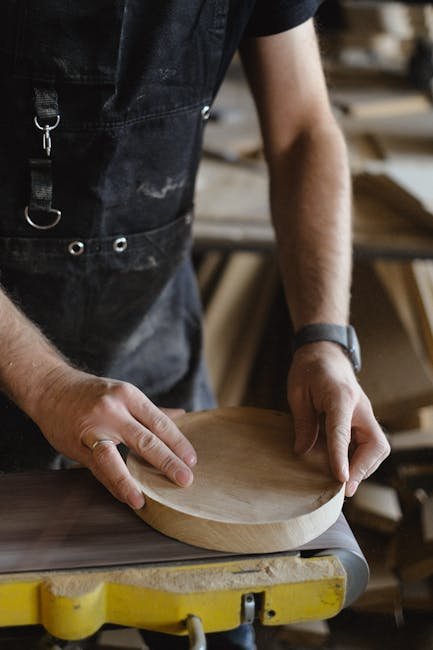
Are you tired of struggling to achieve smooth, polished edges on your woodworking projects? A belt sander might just be the game-changer you need.
Imagine effortlessly sanding those tricky edges with precision and ease. With the right techniques, you can transform your projects from good to stunning. This guide will walk you through the essential steps to master the art of using a belt sander for sanding edges.
Say goodbye to uneven finishes and hello to the satisfaction of professional-quality work. Ready to discover the secrets of perfect edges? Keep reading to unlock the full potential of your belt sander and elevate your craftsmanship to the next level.

Credit: www.homebuilding.co.uk
Choosing The Right Belt Sander
Using a belt sander properly makes sanding edges easier and faster. Choosing the right sander is key to getting good results. This guide helps you pick the right type and grit for your work.
Different belt sanders suit different tasks. The sanding grit also changes the finish and smoothness. Learn about these to make the best choice.
Types Of Belt Sanders
Belt sanders come in various types. Each type fits certain sanding jobs better. Knowing these helps you pick a tool that suits your project.
- Handheld Belt Sanders:Easy to move and control. Good for small edges and quick jobs.
- Stationary Belt Sanders:Fixed on a bench. Best for larger or precise sanding work.
- Detail Belt Sanders:Smaller belts for tight spaces and curves.
- Corded vs. Cordless:Corded offers more power. Cordless gives freedom to move.
Selecting The Correct Grit
Sanding grit changes how smooth or rough the surface will be. Lower grit means rough sanding. Higher grit means fine sanding. Choose grit based on the wood and finish you want.
| Grit Number | Use |
| 40-60 | Remove old paint or shape wood fast |
| 80-100 | Smooth edges and prepare for finishing |
| 120-150 | Final sanding before applying finish |
| 180+ | Polishing or sanding between coats |
Credit: www.routerforums.com
Preparing Your Workspace
Using a belt sander safely starts with a well-prepared workspace. This helps you work smoothly and avoid accidents.
Before you begin sanding edges, organize your tools and check your environment. Clear space lets you focus on the task.
Safety Gear Essentials
Wearing the right safety gear protects you from dust and injury. Always have these items ready before sanding.
- Safety glasses to protect your eyes from flying debris
- Hearing protection like earplugs or earmuffs
- A dust mask to avoid breathing in fine particles
- Work gloves to protect your hands from rough edges
- Close-fitting clothes to prevent loose fabric from catching
Setting Up A Stable Work Surface
A stable work surface keeps your project steady and prevents slips. Use a strong table or workbench with clamps.
| Tip | Details |
|---|---|
| Choose a flat surface | Use a sturdy table or bench that does not wobble |
| Secure your workpiece | Clamp the wood firmly to avoid movement during sanding |
| Good lighting | Ensure bright light so you can see edges clearly |
| Keep cords clear | Arrange power cords away from the sanding area to avoid tripping |
Techniques For Sanding Edges
Sanding edges with a belt sander requires care and the right technique. Using the tool properly helps you get smooth, even edges without damage.
This guide covers how to hold the sander, keep steady pressure, and move it correctly along edges.
Holding The Sander Correctly
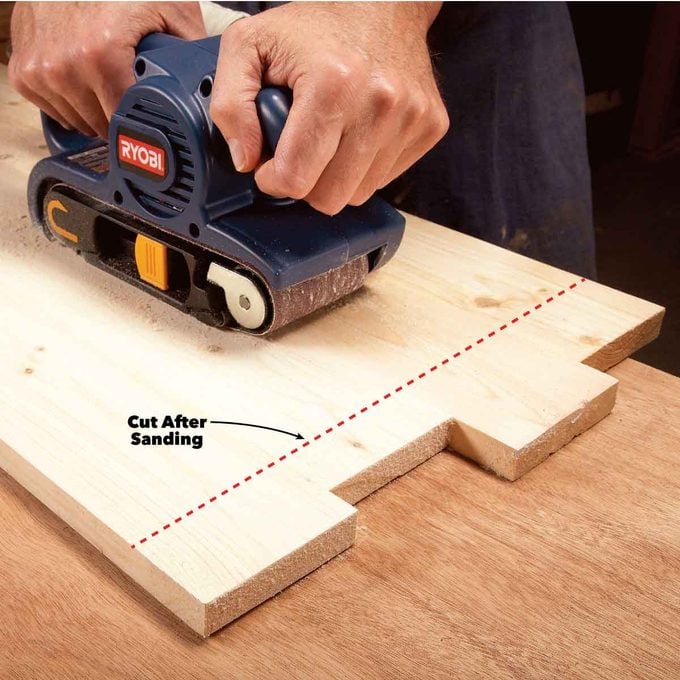
Hold the belt sander firmly with both hands. One hand should grip the front handle for guidance. The other hand should hold the rear handle to control speed and pressure.
Keep your wrists straight and your arms relaxed. This grip helps you keep the sander steady and avoid uneven sanding or gouges.
Maintaining Consistent Pressure
Apply even pressure on the sander while working on edges. Too much pressure can cause deep scratches or remove too much material.
- Start with light pressure to see how the sander moves.
- Increase pressure slowly until the belt contacts the edge evenly.
- Keep the pressure steady throughout the sanding process.
- Do not push down hard; let the belt do the work.
- Lift the sander at the end of the edge to avoid dips or gouges.
Sanding Direction And Motion
Move the belt sander along the edge in the right direction. Sand with smooth, steady motions to avoid uneven surfaces.
| Motion | Purpose |
|---|---|
| Back and forth | Even removal of material along flat edges |
| Along the grain | Reduces scratches and smooths natural wood lines |
| Light overlapping passes | Prevents gouges and keeps edges uniform |
| Lifting at ends | Avoids dips or sharp edges |
Credit: www.familyhandyman.com
Preventing Common Mistakes
Using a belt sander on edges needs care to avoid damage. Many beginners make simple mistakes that cause poor results.
Learn how to prevent gouges, uneven edges, and heat damage. These tips will help you get smooth, clean edges every time.
Avoiding Gouges And Uneven Edges
Pressing too hard or staying too long in one spot causes gouges. Move the sander evenly along the edge.
Keep the sander flat and steady to avoid uneven edges. Let the belt do the work, not your force.
- Use light, consistent pressure
- Keep the sander moving smoothly
- Check your progress often
- Use a guide or fence for straight edges
Managing Heat Build-up
Friction from sanding creates heat that can burn the wood. Avoid holding the sander in one place too long.
Take breaks to let the belt and wood cool down. Use a fresh sanding belt if the old one clogs and heats up.
- Move the sander continuously to spread heat
- Use lower speed settings if possible
- Replace worn or clogged belts quickly
- Sand in short bursts, allowing cool down
Finishing Touches
Using a belt sander for sanding edges requires care and attention to detail. The final steps help create smooth, even edges that look professional.
This guide covers how to sand transitions smoothly and inspect edges for a perfect finish.
Sanding Transitions Smoothly
Sanding transitions between different surfaces or angles can be tricky. Use gentle, consistent pressure and keep the sander moving to avoid gouges.
- Start with a coarse grit belt to remove rough spots
- Move to a medium grit belt to even out the surface
- Finish with a fine grit belt for a smooth transition
- Keep the sander flat to avoid creating dips
- Check progress often by running your hand over the edges
Inspecting And Adjusting Edges
After sanding, inspect each edge carefully. Look for uneven spots or rough patches that may need more work.
| Issue | Cause | Adjustment |
| Uneven edge | Uneven pressure or angle | Hold sander flat and apply even pressure |
| Rough patches | Missed spots or coarse grit | Resand with finer grit belts |
| Rounded corners | Too much sanding on edges | Use lighter pressure near corners |
Maintenance Tips For Your Belt Sander
Keeping your belt sander in good shape helps it last longer. Regular care also keeps it working well.
This guide covers cleaning, storage, and belt replacement tips. Follow them to maintain your tool.
Cleaning And Storage
Remove dust and debris after each use. Dust can cause damage and reduce performance.
- Use a brush or compressed air to clean the belt and rollers.
- Wipe the exterior with a dry cloth to remove dirt.
- Store the sander in a dry place away from moisture.
- Keep it covered to prevent dust buildup during storage.
Replacing Belts
Changing worn belts keeps your sander effective. Use the right belt size for your model.
| Step | Action |
| 1 | Unplug the sander before starting. |
| 2 | Release the belt tension lever. |
| 3 | Slide off the old belt carefully. |
| 4 | Place the new belt on the rollers. |
| 5 | Re-engage the tension lever to tighten the belt. |
| 6 | Check the belt alignment and adjust if needed. |
Frequently Asked Questions
How Do I Prepare Edges Before Using A Belt Sander?
Clean and inspect the edges for dirt or rough spots. Secure the workpiece firmly to avoid movement. Choose the appropriate grit sandpaper to match the edge condition for smooth sanding results.
What Grit Sandpaper Is Best For Edge Sanding?
Start with medium grit (80-120) for rough edges. Progress to finer grit (180-220) for smooth finishes. Changing grits ensures even sanding and a polished edge surface.
How To Avoid Damaging Edges With A Belt Sander?
Use light, even pressure and keep the sander moving continuously. Avoid staying too long in one spot to prevent gouging or rounding the edges.
Can I Sand Curved Edges With A Belt Sander?
Yes, but use a narrow belt and steady hand. Move slowly along the curves to maintain the shape without over-sanding any area.
Conclusion
Using a belt sander for edges takes practice and care. Always keep the sander moving to avoid deep marks. Choose the right grit sandpaper for smooth results. Wear safety gear to protect your eyes and hands. Take your time and check your progress often.
Small, steady strokes work best on edges. This tool can save time and effort when used right. Keep these tips in mind for a clean, smooth finish every time.