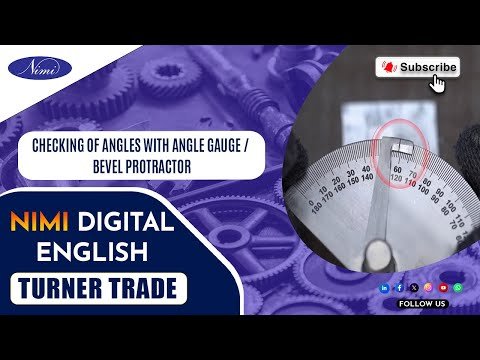
Are you tired of guessing angles and ending up with uneven cuts? A bevel gauge is the tool that can change the way you work, giving you precise angles every time.
Whether you’re a beginner or a seasoned DIYer, learning how to use a bevel gauge will save you time, reduce mistakes, and make your projects look professional. Keep reading, and you’ll discover simple steps to master this essential tool and take your craftsmanship to the next level.

Credit: www.youtube.com
What Is A Bevel Gauge
A bevel gauge is a tool used to measure and transfer angles. It helps you get precise angle settings for woodworking and metalworking projects.
This tool consists of a handle and a blade that can be adjusted to match any angle. It is simple to use and very useful for making accurate cuts.
Basic Parts
A bevel gauge has a few main parts that work together for angle measurement. Knowing these parts helps you use the tool better.
| Part | Description |
| Handle | The fixed part you hold while adjusting the blade. |
| Blade | The adjustable arm that sets to the desired angle. |
| Locking Mechanism | A screw or knob that holds the blade in place. |
Common Uses
Bevel gauges serve many purposes in different trades. They help workers set and copy angles accurately for their tasks.
- Marking angles on wood before cutting
- Transferring angles from one piece to another
- Checking the angle of existing joints or parts
- Setting tools like saw blades and router bits
Choosing The Right Bevel Gauge
A bevel gauge helps you measure and transfer angles accurately. Picking the right one is key for precise work.
Consider the tool’s material and size. These factors affect how easy it is to use and how long it lasts.
Material Options
Bevel gauges come in different materials like wood, metal, and plastic. Each has pros and cons.
Wood is classic and easy to adjust but can wear out with moisture. Metal is strong and lasts longer. Plastic is light and affordable but less durable.
- Wood: smooth, easy to handle, can warp
- Metal: durable, precise, heavier
- Plastic: lightweight, inexpensive, less sturdy
Size Considerations
Choose a bevel gauge size that matches your projects. Larger gauges work well for big angles.
Smaller gauges fit tight spaces and fine details. Pick a size that feels comfortable in your hand.
- Large size: good for big cuts and rough work
- Small size: great for small parts and precision
- Medium size: versatile for many tasks
Setting Angles With A Bevel Gauge
A bevel gauge helps you copy and set angles for your woodworking or metal projects. It has a handle and a blade that you can move to match any angle.
You can use a bevel gauge to transfer angles from one piece to another or to measure angles for cutting. Setting the blade correctly is key for accurate work.
Adjusting The Blade
To adjust the blade, first loosen the locking knob or screw. This lets you move the blade freely to the desired angle.
Place the blade against the angle you want to copy or set. Move the handle until the blade matches the angle exactly. Then tighten the locking knob to hold it.
- Loosen the locking knob
- Move the blade to match the angle
- Hold the handle steady
- Tighten the knob to secure the blade
Locking Mechanism Tips
Make sure the locking knob or screw is tight enough to hold the blade firmly. A loose blade can cause errors in your work.
Check the locking mechanism before and after setting the angle. If it slips, adjust the knob again to keep the blade in place.
- Test the blade for movement after locking
- Do not over-tighten to avoid damage
- Clean the locking parts regularly
- Replace worn knobs or screws if needed

Credit: www.rockler.com
Transferring Angles Accurately
Using a bevel gauge helps you measure and transfer angles with precision. This tool is useful for woodworking and metalworking projects.
Understanding how to transfer angles correctly ensures your cuts and joints fit well. The process involves two main steps: from the workpiece to the tool and from the tool to the workpiece.
From Workpiece To Tool
Start by placing the bevel gauge blade against the angled edge of your workpiece. Lock the blade in place once it matches the angle exactly. This captures the angle for transfer.
- Hold the bevel gauge firmly against the angled surface.
- Adjust the blade until it lines up with the angle perfectly.
- Tighten the locking screw to keep the blade from moving.
- Double-check the angle before removing the tool.
From Tool To Workpiece
Once the bevel gauge holds the angle, transfer it to the new workpiece. Place the tool on the surface where you need the angle. Use the blade as a guide to mark or cut.
| Action | Purpose |
|---|---|
| Set bevel gauge on workpiece edge | Align angle for transfer |
| Mark along the bevel blade | Show exact cut or measurement line |
| Cut or adjust the workpiece | Match the transferred angle |
| Check fit with original piece | Confirm angle accuracy |
Common Mistakes To Avoid
Using a bevel gauge correctly helps you measure and transfer angles precisely. Mistakes can cause errors in your project and waste materials.
Watch out for common errors that many users make. Avoiding these will improve your results and save time.
Misreading Angles
One common mistake is misreading the angle on the bevel gauge. The scale may be small or hard to see, which leads to incorrect measurements.
- Always check the angle scale carefully before locking it.
- Use good lighting to see the numbers clearly.
- Double-check your angle against a protractor if unsure.
- Do not guess the angle; take your time to read it properly.
Loose Adjustments
Another mistake is leaving the bevel gauge too loose. If the locking mechanism is not tight, the angle will shift during use.
| Problem | Effect | Solution |
| Loose locking screw | Angle changes while measuring | Tighten screw firmly before use |
| Worn parts | Gauge moves easily | Replace or repair worn pieces |
| Improper handling | Gauge slips on material | Hold gauge steady and clamp if needed |

Credit: www.amazon.com
Maintaining Your Bevel Gauge
Keeping your bevel gauge in good shape helps you get accurate angles every time. Simple care can extend its life and maintain precision.
Regular checks and proper storage prevent damage and wear. Learn how to clean, store, and check your bevel gauge for best results.
Cleaning And Storage
Clean your bevel gauge after each use to remove dirt and dust. Use a soft cloth to wipe the blade and handle gently.
- Remove any wood shavings or debris carefully.
- Apply a light oil to metal parts to stop rust.
- Keep the tool dry before storing it.
- Store in a dry, cool place away from direct sunlight.
- Use a protective case or pouch if possible.
Calibration Checks
Check your bevel gauge’s accuracy regularly. Calibration ensures the angles you measure are correct.
| Check Type | How to Do It | Frequency |
| Visual Inspection | Look for cracks or loose parts on the blade and handle. | Before each use |
| Angle Verification | Compare with a known angle, like a protractor or square. | Monthly |
| Tightening Screws | Ensure the locking mechanism holds the blade firmly. | As needed |
Advanced Tips For Precision
Using a bevel gauge correctly helps you get exact angles every time. Small tricks can improve your accuracy.
Learning how to combine tools and use digital versions will raise your angle measuring skills.
Combining With Other Tools
Pair your bevel gauge with a protractor for exact angle checks. This helps confirm your gauge setting.
Use a try square to verify right angles after adjusting the bevel gauge. It ensures no mistakes in layout.
- Set bevel gauge angle
- Check angle with protractor
- Confirm right angles with try square
- Mark workpiece precisely
Using Digital Bevel Gauges
Digital bevel gauges show angle readings on a screen. This makes reading easier and reduces errors.
They often have hold and zero functions. These features keep the angle set while you mark or transfer it.
- Set angle with digital gauge
- Use hold to freeze reading
- Transfer angle directly to workpiece
- Reset zero point for relative angles
Frequently Asked Questions
What Is The Primary Use Of A Bevel Gauge?
A bevel gauge is used to measure and transfer precise angles. It helps woodworkers and metalworkers replicate exact angles for accurate cuts and joints.
How Do You Adjust A Bevel Gauge Accurately?
Loosen the locking knob, set the blade to the desired angle, then tighten the knob. This ensures the angle stays fixed during use.
Can A Bevel Gauge Measure Angles Beyond 90 Degrees?
Yes, a bevel gauge can measure angles from 0 to 180 degrees, allowing for versatile angle measurements and transfers.
Why Is A Bevel Gauge Important For Woodworking?
It ensures precise angle measurements, improving the fit and finish of joints. This accuracy helps create strong, professional-quality woodworking projects.
Conclusion
Mastering the bevel gauge takes practice and patience. But it’s worth it. This tool ensures precise angles in your projects. Always check the blade alignment before use. Clean it regularly for accurate results. Practice on scrap pieces to gain confidence.
Gradually, your skills will improve. Your projects will look more professional. Remember, precision is key. A bevel gauge helps achieve that. So, incorporate it into your toolkit. It offers great value for woodworking tasks. Happy crafting!