Do you often find yourself wrestling with heavy loads or tangled wires, wishing there was an easier way? Imagine having a tool that not only makes your task simpler but also saves you time and energy.
Enter the cable puller—your new best friend in handling cables efficiently. Whether you’re a seasoned professional or a DIY enthusiast, understanding how to use a cable puller efficiently can transform your work process. Imagine completing your projects faster, with less effort, and achieving professional-grade results every time.
Curious about how this tool can make your life easier? Stick around, and discover techniques and tips that will have you wondering how you ever managed without it.
Credit: www.homedepot.com
Choosing The Right Cable Puller
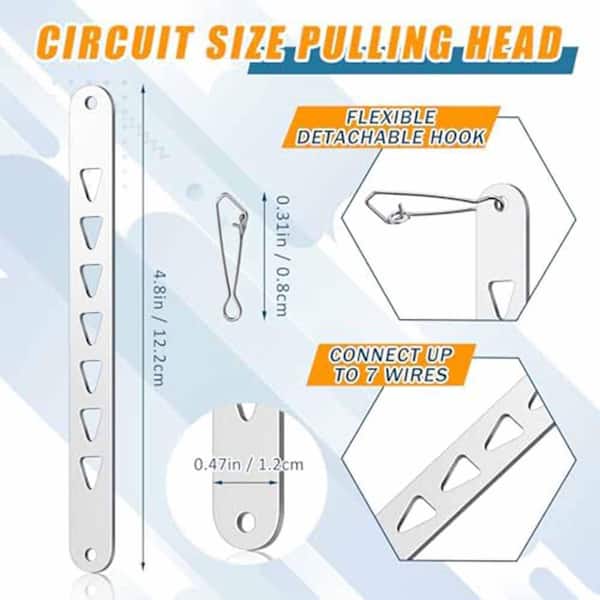
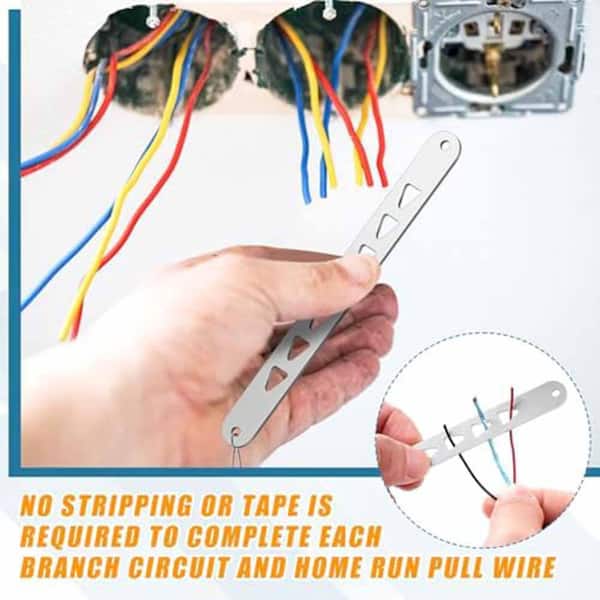
Using a cable puller helps move cables through conduits or ducts. Picking the right cable puller makes your work safer and easier.
Different jobs need different types of cable pullers. Choosing one that fits your task saves time and effort.
Types Of Cable Pullers
Cable pullers come in many types. Each type suits certain jobs better than others.
- Manual Cable Pullers:Use hand power to pull cables. Best for small jobs and light cables.
- Electric Cable Pullers:Use a motor to pull cables. Good for medium to heavy cables and longer distances.
- Hydraulic Cable Pullers:Use hydraulic pressure. Ideal for very heavy cables and tough jobs.
- Chain Cable Pullers:Use a chain mechanism. Useful for steady and controlled pulling.
- Ratchet Cable Pullers:Use a ratchet system to pull incrementally. Suitable for precise cable placement.
Matching Puller Capacity To Task
Check the weight and length of the cable before choosing a puller. The puller must handle the cable’s weight safely.
Using a puller with too low capacity can cause damage or injury. Using one with a higher capacity than needed is safe but may be bulky.
| Task | Cable Weight | Recommended Puller |
|---|---|---|
| Light cables, short runs | Up to 100 lbs | Manual cable puller |
| Medium cables, medium runs | 100 to 500 lbs | Electric or ratchet puller |
| Heavy cables, long runs | Over 500 lbs | Hydraulic or chain puller |
Credit: www.homedepot.com
Preparing For The Job
Using a cable puller safely and efficiently starts with good preparation. You need to get your tools ready and organize the work area.
Taking time to prepare helps avoid accidents and makes the job easier. Follow these steps before pulling cables.
Inspecting Equipment
Check the cable puller before use to make sure it is in good condition. Look for any damage or wear on the parts.
Make sure the pulling rope or cable is not frayed or broken. Check that the hooks and clamps work smoothly.
- Look for cracks or bends in the puller frame
- Test the moving parts for smooth action
- Check that all safety latches are secure
- Replace damaged ropes or cables immediately
Setting Up The Work Area
Clear the area where you will use the cable puller. Remove any obstacles that can cause trips or falls.
Make sure the ground is stable and level. Position the cable puller on a solid surface to prevent slipping during use.
- Mark the work zone to keep others safe
- Keep tools and materials organized nearby
- Ensure good lighting for better visibility
- Wear proper safety gear before starting
Proper Cable Pulling Techniques
Using a cable puller correctly helps you avoid damage. It also makes the job easier and faster.
Follow simple steps to pull cables safely and efficiently. This protects the cable and the tools.
Securing The Cable
Attach the cable tightly to the puller. Make sure it will not slip during pulling.
Use strong knots or clamps to hold the cable in place. Check the connection before you start pulling.
- Use a cable grip or clamp for better hold
- Wrap the cable to avoid slipping
- Inspect the cable end for damage before securing
Maintaining Tension
Keep steady tension on the cable while pulling. Avoid sudden jerks that can damage it.
Control the puller slowly and evenly. This protects the cable and reduces effort.
- Pull at a slow, constant speed
- Stop if the cable feels stuck or tight
- Release tension carefully after pulling
Using Lubricants
Apply lubricant on the cable to reduce friction. This helps the cable move smoothly.
Choose a lubricant made for cables. Avoid using too much to prevent mess and slipping.
- Use cable pulling lubricant or soap-based products
- Apply evenly along the cable length
- Reapply if the cable gets dry during pulling
Safety Measures To Follow
Using a cable puller can be risky without the right safety steps. Following safety measures helps prevent injuries and damage.
Learn what gear to wear and how to avoid common dangers when using a cable puller.
Protective Gear Essentials
Wearing the right protective gear keeps you safe from cuts, shocks, and other injuries while working with cable pullers.
- Wear heavy-duty gloves to protect your hands from sharp cables.
- Use safety goggles to shield your eyes from flying debris.
- Put on a hard hat if working in areas with overhead hazards.
- Wear sturdy boots with slip-resistant soles to avoid falls.
- Use ear protection if noise levels are high around the work site.
Avoiding Common Hazards
Cable pullers can cause accidents if hazards are not identified and controlled. Watch for dangers and act carefully.
| Hazard | How to Avoid |
| Snapping Cable | Check cable condition before use and do not exceed load limits |
| Tripping Over Cables | Keep cables organized and clear walkways |
| Electric Shock | Ensure cables are insulated and avoid wet conditions |
| Pinching Fingers | Keep hands clear of moving parts and use tools properly |
| Overexertion | Use proper lifting techniques and take breaks |
Troubleshooting Common Issues
Using a cable puller can be easy if you know how to handle problems. Some issues happen often during work.
Fixing these problems quickly keeps your project on track and safe. Learn how to solve common troubles.
Dealing With Snags
Snags happen when the cable gets caught on something. This stops the puller and can damage the cable.
Check the path before pulling. Remove any sharp edges or objects that may block the cable.
- Inspect the cable for twists or loops
- Clear debris or obstacles in the pulling path
- Use a cable lubricant to ease movement
- Stop pulling if the cable snags, then fix the issue
Handling Excessive Resistance
Excessive resistance means the puller struggles to move the cable. This can cause damage or break the tool.
Check if the cable is too long or heavy. Make sure the puller is strong enough for the job.
- Use a stronger puller for heavy cables
- Try pulling in shorter sections if possible
- Lubricate the cable to reduce friction
- Stop if the resistance is too high to avoid damage

Credit: www.amazon.com
Maintenance And Storage Tips
Using a cable puller correctly keeps it working well for a long time. Taking care of it after use helps prevent damage. Proper storage keeps the tool safe and ready.
Simple maintenance steps help save money and effort. Clean and store your cable puller the right way every time.
Cleaning After Use
Clean your cable puller right after using it. Dirt, grease, and moisture can cause rust and wear. Use a dry cloth to wipe off dirt and dust.
For stubborn dirt, use a mild soap and water solution. Dry the tool completely before storing it. Check moving parts and remove any debris.
- Wipe all surfaces with a clean cloth
- Use mild soap for tough grime
- Dry fully to prevent rust
- Clear debris from gears and pulleys
Proper Storage Practices
Store your cable puller in a dry place away from direct sunlight. Keep it off the ground to avoid moisture and dirt. Use a toolbox or shelf for better protection.
Keep the cable puller parts together and secure loose cables. Avoid heavy loads on the tool during storage. Regular checks ensure it stays in good condition.
- Store in a dry, cool area
- Keep away from direct sunlight
- Use a toolbox or shelf
- Secure loose cables and parts
- Check condition regularly
Frequently Asked Questions
What Is The Primary Use Of A Cable Puller?
A cable puller is used to pull electrical cables through conduits or tight spaces efficiently. It helps reduce manual effort and prevents cable damage during installation.
How Do I Operate A Cable Puller Safely?
Always wear protective gear and inspect the puller before use. Secure the cable properly and avoid exceeding the puller’s weight limit for safety.
Can A Cable Puller Work On All Cable Types?
Cable pullers work best on flexible cables but may not suit very rigid or delicate cables. Always check compatibility before use to avoid damage.
What Maintenance Does A Cable Puller Require?
Regularly clean and lubricate moving parts. Inspect for wear or damage and replace worn components to ensure smooth, safe operation.
Conclusion
Using a cable puller right saves time and effort. Always check the tool before starting your work. Keep a steady grip and pull smoothly for best results. Avoid rushing to prevent damage or injury. Practice these steps to improve your skill.
Safe and careful use leads to better outcomes. Simple habits make your job easier every time. Remember, patience and attention matter most in any task.