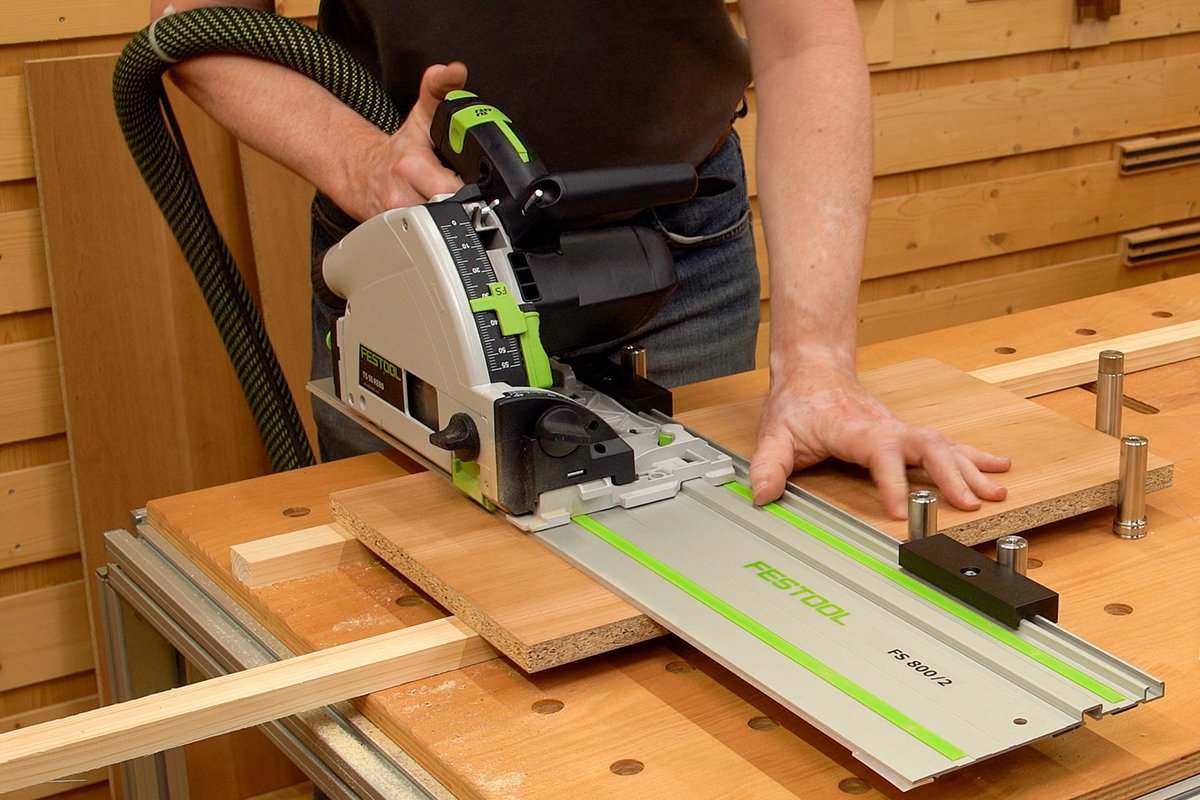
Cutting panels with a circular saw might seem tricky at first, but once you know the right steps, you can do it quickly and safely. Whether you’re working on a home project or a DIY task, mastering this skill will save you time and give you clean, precise cuts every time.
In this guide, you’ll discover simple tips and tricks that make using a circular saw easier than you think. Ready to boost your confidence and get perfect cuts? Keep reading to learn exactly how to use your circular saw like a pro.
Choosing The Right Circular Saw
Using a circular saw helps cut panels quickly and accurately. Choosing the right saw is key for clean cuts and safety.
Different saws suit different panel types and thicknesses. Know the basics to pick the best tool for your project.
Blade Types For Panel Cutting
Blade type affects how smooth and fast your cuts will be. Use blades made for panel materials like plywood or MDF.
Blades with more teeth give smoother cuts but cut slower. Blades with fewer teeth cut faster but can leave rough edges.
- Fine-tooth blades: best for clean, smooth cuts
- Carbide-tipped blades: last longer and cut harder materials
- Combination blades: good for general-purpose cutting
Power And Size Considerations
Choose a saw with enough power to cut through your panel thickness easily. More power means less strain on the tool.
Saw size matters too. A 7 1/4 inch blade works for most panels, but thicker panels may need bigger blades.
- Smaller saws are lighter and easier to control
- Larger saws handle thicker panels and harder wood
- Check the saw’s amperage or battery voltage for power level

Credit: www.youtube.com
Essential Safety Measures
Using a circular saw to cut panels can be dangerous without the right safety steps. Always focus on safety to avoid accidents.
Follow these safety measures every time you use a circular saw to keep yourself protected and work safely.
Protective Gear To Wear
Wearing the right protective gear helps protect you from dust, noise, and flying debris. Never skip this important step.
Always wear safety glasses to protect your eyes from sawdust and small wood chips.
- Safety glasses or goggles
- Hearing protection like earplugs or earmuffs
- Dust mask to avoid breathing sawdust
- Gloves to protect your hands
- Close-fitting clothes to avoid getting caught
Safe Handling Practices
Hold the circular saw firmly with both hands. Keep a steady grip and control the tool at all times.
Make sure the panel is stable and supported before cutting. This prevents slipping and uneven cuts.
- Check the saw blade for damage before use
- Keep the power cord away from the cutting area
- Do not force the saw; let it cut at its own speed
- Always cut away from your body and hands
- Turn off and unplug the saw before adjusting or changing blades
Preparing The Panel And Workspace
Cutting panels with a circular saw needs a safe and tidy workspace. You must prepare the panel correctly before cutting.
Good preparation helps you make clean cuts and avoid mistakes or accidents. This guide covers marking cut lines and securing the panel.
Marking Accurate Cut Lines
Marking clear and exact cut lines is the first step. Use a pencil and straight edge to draw the lines on the panel.
- Measure twice to avoid errors
- Use a carpenter’s square for right angles
- Draw faint lines that you can see but erase easily
- Double-check measurements before cutting
Securing The Panel Properly
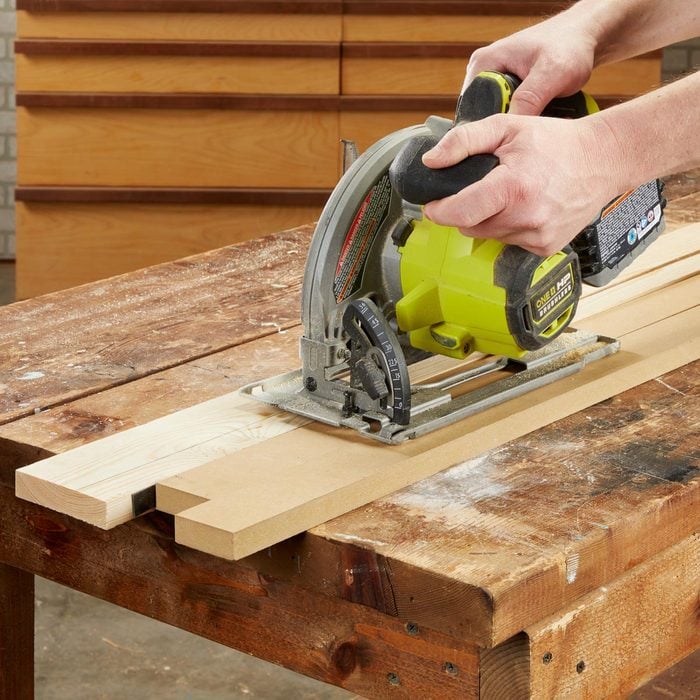
Hold the panel firmly to stop it from moving. This keeps your cut straight and safe.
| Tool | Purpose | Tips |
| Clamps | Hold panel on workbench | Use enough clamps to stop movement |
| Worktable | Support panel during cutting | Choose a flat, stable table |
| Sawhorses | Elevate panel off ground | Place panel across two sawhorses |
Credit: www.familyhandyman.com
Setting Up The Circular Saw
Setting up your circular saw correctly is important before cutting panels. This ensures a safe and accurate cut. Two key adjustments are blade depth and bevel angle.
Both settings help you control how the saw cuts through the material. Let’s look at how to adjust each one properly.
Adjusting Blade Depth
Blade depth controls how far the saw blade cuts into the panel. Set the depth to slightly more than the thickness of the panel. This helps the blade cut cleanly without cutting too deep into the surface below.
- Unplug the saw or remove the battery for safety.
- Locate the blade depth adjustment lever or knob.
- Lift or loosen the lever to move the base plate up or down.
- Align the blade so it extends about 1/8 inch below the panel thickness.
- Secure the lever or knob to lock the depth setting.
Configuring The Bevel Angle
The bevel angle lets you tilt the blade for angled cuts. Most circular saws have a bevel scale from 0 to 45 degrees. Adjust the bevel to match the angle you want on the panel edge.
| Bevel Angle | Use |
| 0° | Straight cuts |
| 15° to 30° | Common angled cuts |
| 45° | Sharp bevel or miter cuts |
To set the bevel angle:
- Unplug the saw or remove the battery.
- Find the bevel adjustment knob or lever near the base.
- Loosen it to tilt the base plate.
- Align the base plate with the desired angle on the bevel scale.
- Tighten the knob or lever to fix the angle.
Cutting Techniques For Clean Edges
Cutting panels with a circular saw can be tricky. Clean edges make your work look professional.
Using the right cutting techniques helps prevent rough edges and splinters. Follow these tips for smooth cuts.
Starting The Cut Smoothly
Begin the cut carefully to avoid chipping the panel surface. Set the saw blade just above the panel.
Hold the saw steady and start the blade before touching the panel. Slowly lower the blade into the wood.
- Check blade depth is correct
- Clamp the panel firmly
- Start saw before cutting
- Lower blade gently into wood
Maintaining Steady Movement
Move the saw forward at a steady, even pace. Avoid pushing too fast or slowing down suddenly.
Keep your hands and body stable to guide the saw along the cut line. Use both hands for control.
- Keep steady speed
- Hold saw firmly with both hands
- Follow marked line carefully
- Do not force the saw
Avoiding Tear-out
Tear-out happens when wood fibers lift and splinter at the cut edge. Use these tips to prevent it.
Place masking tape along the cut line. Cut from the good side to the back side to reduce splinters.
- Apply masking tape on cut line
- Cut with blade facing good side
- Use sharp blades for cleaner cuts
- Support the panel to avoid bending
Handling Common Challenges
Cutting panels with a circular saw can be tricky. You may face hard or thick materials. Dust and debris also cause problems. Knowing how to handle these challenges helps you work safely and cleanly.
This guide covers ways to manage hard panels and control dust. Follow these tips to improve your cutting experience and protect yourself.
Dealing With Hard Or Thick Panels
Hard or thick panels need more care. Use the right blade type and cutting speed. Take breaks if the saw or panel gets too hot. Secure the panel firmly before cutting.
- Use a blade made for hardwood or thick material
- Set the blade depth slightly deeper than panel thickness
- Cut slowly to avoid overheating the blade
- Clamp the panel securely to prevent movement
- Wear gloves to protect your hands from splinters
Managing Dust And Debris
Dust and debris can blur your cutting line and cause health issues. Use dust control tools and keep the work area clean. Wear a mask and eye protection for safety.
| Dust Control Tips | Details |
| Use a vacuum attachment | Connect to the saw to collect dust as you cut |
| Cut outside or in a well-ventilated area | Reduces dust buildup in the workspace |
| Wear protective gear | Mask and goggles protect lungs and eyes |
| Clean up often | Remove dust and debris to keep safe and visible |
Post-cut Finishing Tips
After cutting panels with a circular saw, finishing the edges is important. It helps make the panel look clean and professional.
Taking time to smooth and check your cuts ensures the panel fits well and works as planned.
Sanding Rough Edges
Cut edges can be rough or splintered. Sanding smooths these edges for safety and appearance.
Use sandpaper or a sanding block to gently rub along the cut edge until it feels smooth.
- Start with medium-grit sandpaper (80-120 grit) for rough spots
- Finish with fine-grit sandpaper (150-220 grit) for smoothness
- Sanding helps paint or finish stick better
- Wear a mask to avoid breathing in dust
Inspecting For Accuracy
Check your cut panel to make sure it matches your measurements. Accuracy is key for fitting pieces together.
Use a square or ruler to verify straightness and angles. Look for any gaps or uneven parts.
- Measure panel dimensions again after cutting
- Check corners with a carpenter’s square
- Look for any chips or missed cuts
- Fix small errors with sanding or trimming

Credit: www.familyhandyman.com
Frequently Asked Questions
How Do You Safely Operate A Circular Saw?
To safely operate a circular saw, wear safety goggles and gloves. Ensure the blade is sharp and properly installed. Keep the work area clean and free of obstructions. Hold the saw firmly and cut at a steady pace. Always disconnect the power before adjusting the blade or cleaning.
What Types Of Panels Can A Circular Saw Cut?
A circular saw can cut various types of panels, including plywood, MDF, and particleboard. It is also suitable for cutting laminated panels and oriented strand board (OSB). Always ensure the blade is appropriate for the material to achieve clean and precise cuts without damaging the panel.
How Do You Maintain A Circular Saw?
Regular maintenance of a circular saw includes cleaning the blade and housing. Check and tighten all screws and bolts. Lubricate moving parts as needed and replace worn or damaged blades. Store the saw in a dry place to prevent rust and ensure optimal performance for future use.
What Blade Is Best For Cutting Panels?
For cutting panels, use a carbide-tipped blade for clean and precise cuts. Choose a blade with more teeth for smoother finishes on plywood and MDF. Ensure the blade matches the saw’s specifications. Always check compatibility with the material to achieve the best results.
Conclusion
Using a circular saw to cut panels can be simple and safe. Always measure and mark your cuts clearly. Keep the saw steady and follow the line closely. Wear safety gear to protect your eyes and hands. Take your time and do not rush the process.
Practice on scrap wood to build confidence. With patience, you will get clean and accurate cuts. Enjoy your project and work carefully every step.