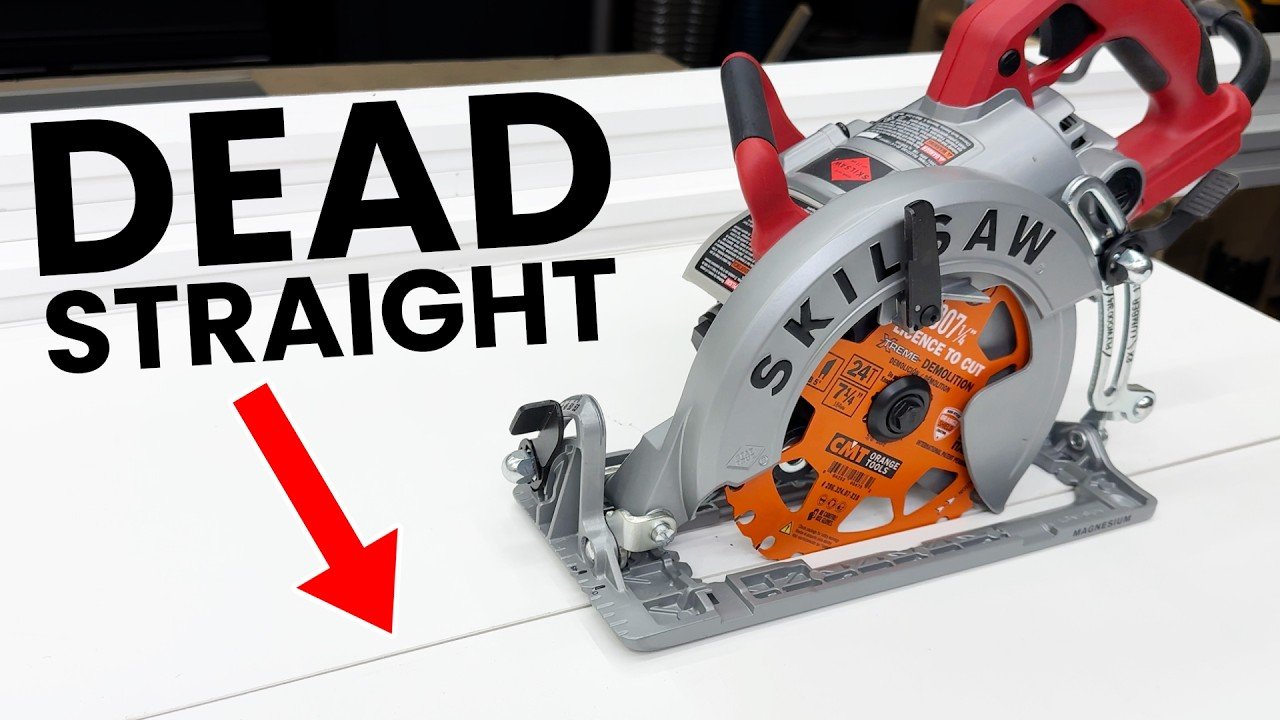
If you’ve ever struggled to make straight cuts with a circular saw, you’re not alone. Getting that perfect, clean line can feel tricky, even for experienced DIYers.
But what if you could learn simple tips and tricks to make every cut sharp, precise, and hassle-free? In this guide, you’ll discover exactly how to use your circular saw to achieve straight cuts every time. Whether you’re working on a small project or tackling something bigger, mastering this skill will save you time, reduce mistakes, and boost your confidence.
Keep reading, and you’ll be cutting like a pro before you know it.
Choosing The Right Circular Saw
Using a circular saw correctly starts with picking the right one. The right saw helps you cut straight and safe. This guide covers types of saws, blade tips, and safety features.
Types Of Circular Saws
There are many circular saws for different jobs. Some saws are better for small projects. Others work well for big jobs and thick wood. Choose a saw that fits your needs and skill level.
- Sidewinder saws are light and easy to handle. They have the motor beside the blade.
- Worm drive saws are heavier but more powerful. The motor is behind the blade, giving more torque.
- Mini circular saws are small and good for tight spaces and small cuts.
- Cordless saws give freedom to move but check battery life for long jobs.
Blade Selection Tips
Picking the right blade helps make clean and straight cuts. Blades vary by size, teeth count, and material. Use the right blade for the wood or material you cut.
| Blade Type | Best For | Teeth Count |
| Crosscut Blade | Cutting across wood grain | 60-80 |
| Rip Blade | Cutting along wood grain | 24-30 |
| Combination Blade | General purpose cuts | 40-50 |
| Carbide-Tipped Blade | Longer blade life and harder wood | Varies |
Safety Features To Look For
Safety is key when using a circular saw. Look for features that protect you and make the saw easier to control.
- Blade guard that covers the blade when not cutting
- Electric brake to stop the blade quickly
- Comfortable grips to hold the saw steady
- Adjustable depth and angle settings for precise cuts
- Safety switch or lock to avoid accidental starts
Credit: www.familyhandyman.com
Preparing Your Workspace
Using a circular saw safely requires a clean and organized workspace. Preparing your area helps you make straight cuts easily.
Focus on setting up a stable surface, marking your cut line clearly, and securing the wood firmly before cutting.
Setting Up A Stable Surface
Choose a flat and strong table or workbench for your project. The surface should hold your wood without wobbling.
If you don’t have a workbench, use saw horses or sturdy blocks to support your wood at a comfortable height.
- Check the surface for any debris or nails
- Make sure the work area is level
- Keep your tools nearby but out of the way
Marking Your Cut Line
Use a pencil and a straight edge to mark where you want to cut. Clear lines help guide your saw for accurate cuts.
Double-check your measurements before marking. Make the line dark enough to see clearly during cutting.
- Measure twice, mark once
- Use a ruler or square for straight lines
- Mark both sides of the wood if needed
Clamping For Stability
Secure the wood to your work surface with clamps. This stops the wood from moving while you cut.
Place clamps close to the cut line but not in the way of the saw blade. Tighten them firmly but avoid damaging the wood.
- Use at least two clamps for longer pieces
- Check that clamps hold wood flat against the surface
- Recheck clamps before starting the saw
Setting Up The Saw
Setting up your circular saw correctly helps you make straight cuts safely. This guide covers three key steps to prepare your saw before cutting.
Focus on adjusting the blade depth, aligning the base plate, and checking power and cord placement. Each step improves your control and accuracy.
Adjusting Blade Depth
Set the blade depth so it cuts just below the material thickness. Too deep can cause rough cuts and more kickback.
- Unplug the saw for safety.
- Locate the depth adjustment lever or knob.
- Lift the base plate and adjust the blade height.
- Make sure the blade extends about 1/4 inch below the wood.
- Tighten the lever or knob to lock the depth.
Aligning The Base Plate
The base plate must be aligned to keep your cuts straight. Check the angle and position before starting.
| Check | How to Align |
| Square cuts | Set base plate to 90 degrees with the blade |
| Bevel cuts | Adjust base plate to the needed bevel angle |
| Guide alignment | Use a straight edge or guide rail under the base plate |
Checking Power And Cord Placement
Check your power source and cord placement to avoid hazards and interruptions during cutting.
- Use a grounded outlet to plug in the saw.
- Keep the cord behind and away from the cutting path.
- Inspect the cord for any damage before use.
- Arrange the workspace to prevent tripping over the cord.

Credit: www.familyhandyman.com
Techniques For Straight Cuts
Using a circular saw for straight cuts takes practice and the right approach. Following proper techniques helps you get clean and precise cuts every time.
This guide covers key methods to keep your cuts straight and safe. Focus on using guides, handling the saw well, and controlling speed and pressure.
Using A Guide Or Fence
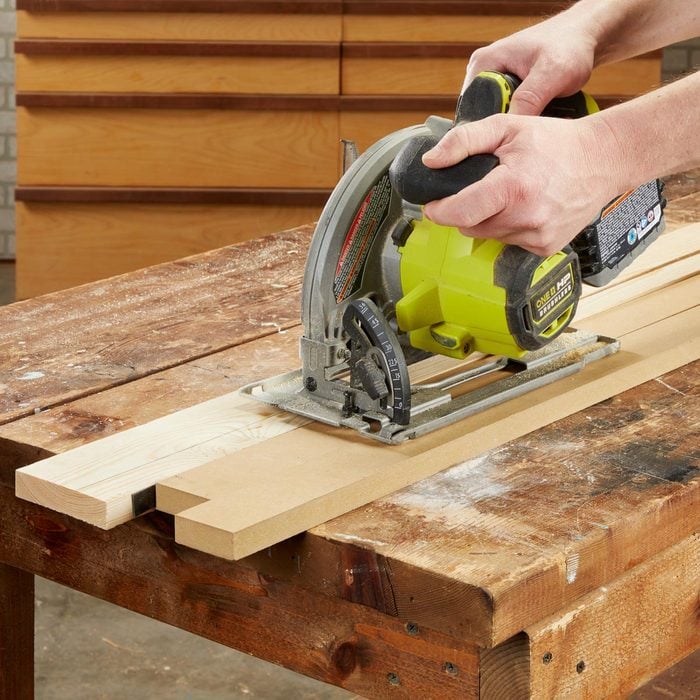
A guide or fence keeps your saw moving in a straight line. It prevents the blade from drifting off the cut line.
- Clamp a straight board to your workpiece as a guide.
- Use a factory-made rip fence for long cuts.
- Align the saw base plate against the guide firmly.
- Check the guide position twice before cutting.
- Keep the guide steady throughout the cut.
Proper Saw Handling
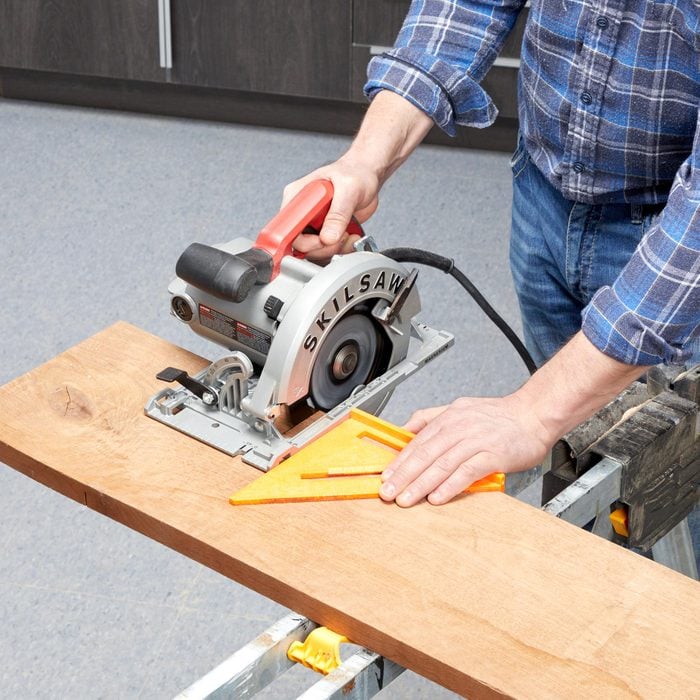
Holding the circular saw correctly helps you control the cut. Use both hands and keep a balanced stance.
| Tip | Why It Helps |
| Hold front handle with one hand | Guides the saw smoothly |
| Hold rear handle firmly | Keeps saw steady and balanced |
| Stand with feet apart | Improves stability |
| Keep saw base flat on wood | Prevents tilting and uneven cuts |
| Do not force the saw | Allows better control and safety |
Controlling Speed And Pressure
Speed and pressure affect the cut quality. Too fast or too much pressure can cause rough edges or mistakes.
- Start the saw before touching the wood.
- Move the saw forward at a steady pace.
- Apply gentle, even pressure on the saw.
- Let the blade do the cutting, not your force.
- Slow down near the end of the cut for accuracy.
Common Mistakes To Avoid
Using a circular saw for straight cuts can be tricky. Many people make simple mistakes that cause poor results.
Knowing what to avoid helps you cut safely and accurately every time. Below are some common errors to watch out for.
Cutting Without A Guide
Cutting freehand often leads to crooked lines. The saw can wander and ruin the cut.
Always use a straight edge or guide to keep the saw on track. This makes your cut clean and precise.
- Clamp a straight board along the cut line
- Use a saw guide or track if available
- Check the guide is tight and won’t move
Incorrect Blade Depth
Setting the blade too shallow or too deep causes problems. A shallow blade can burn the wood.
A blade set too deep increases kickback risk and wastes blade life. Adjust the blade so it sticks out just slightly below the wood.
- Set blade depth about 1/4 inch below the material
- Check depth before each cut
- Use the blade depth lever or knob on the saw
Rushing The Cut
Trying to cut too fast causes rough edges and uneven lines. The saw can bind or kick back.
Move the saw steadily and let the blade do the work. Patience results in a cleaner and safer cut.
- Keep a firm grip and steady pace
- Do not force the saw through the wood
- Pause if the saw slows or stalls
Credit: www.familyhandyman.com
Maintenance And Blade Care
Using a circular saw for straight cuts needs regular care. Proper maintenance keeps the saw safe and working well.
Blade care is important for smooth and accurate cuts. Clean blades cut better and last longer.
Cleaning The Saw
Dust and debris can build up in your circular saw. Cleaning helps avoid damage and keeps the motor cool.
Use a dry brush or compressed air to remove sawdust. Wipe the exterior with a damp cloth. Avoid water near the motor.
- Unplug the saw before cleaning
- Remove dust from vents and blade guard
- Keep the blade slot free of debris
- Clean after every use for best results
Sharpening And Replacing Blades
Dull blades make rough cuts and increase effort. Sharpen blades regularly or replace them if damaged.
Check blades for missing teeth or cracks. Use a file or a blade sharpener for small repairs. Replace blades if needed.
- Wear gloves when handling blades
- Follow the saw’s manual for blade type
- Balance blades after sharpening
- Replace blades every few months or if worn
Storage Tips
Store your circular saw in a dry place. Proper storage prevents rust and damage.
Keep the saw in a case or on a shelf away from dust. Remove the blade if storing long-term.
- Use a blade cover or sheath
- Avoid damp areas to stop rust
- Keep cords untangled and neat
- Store out of reach of children
Frequently Asked Questions
How Do I Set Up A Circular Saw For Straight Cuts?
To set up a circular saw for straight cuts, adjust the blade depth to just beyond the material thickness. Use a straight edge or guide clamp for accuracy. Ensure the base plate is aligned parallel to the blade. This setup prevents deviations and improves cut precision.
What Safety Tips Should I Follow When Using A Circular Saw?
Always wear safety goggles and ear protection. Keep your hands away from the blade. Secure your workpiece firmly. Use a sharp blade and check the saw’s condition before use. Follow manufacturer instructions and avoid distractions for safe operation.
How Can I Prevent The Circular Saw Blade From Binding?
To prevent blade binding, ensure the blade is sharp and appropriate for the material. Use steady, even pressure while cutting. Avoid twisting the saw mid-cut. Keep the base plate flat on the surface and maintain a consistent feed rate for smooth cuts.
What Is The Best Technique For Straight Cuts With A Circular Saw?
Use a guide or straight edge to guide the saw. Start the saw before contacting the material, then follow the guide slowly. Maintain a firm grip and steady speed. Avoid forcing the saw; let the blade do the work for clean, straight cuts.
Conclusion
Mastering straight cuts with a circular saw needs practice. Start by setting up your workspace safely. Measure twice, cut once. Remember to wear safety gear. Choose the right blade for your material. Always keep a steady hand. Follow the guide line precisely.
Keep the saw in good condition. Regular maintenance prevents accidents. Don’t rush the process. Patience is key to precision. With time, your confidence will grow. Straight cuts will become easier. Practice makes perfect. Enjoy your woodworking journey. Happy cutting!