When you’re working on a project, a clamp can be your best friend. It holds things steady, keeps your hands free, and helps you get the job done right.
But if you don’t use it safely, it can cause serious injury or damage. You might think clamps are simple tools, but knowing how to use them correctly can save you from accidents and frustration. You’ll learn clear, easy steps to handle clamps safely every time.
Keep reading to protect yourself and make your work smoother and safer.
Credit: www.mazzellacompanies.com
Choosing The Right Clamp
Using a clamp safely starts with picking the right one. Different clamps fit different jobs.
Choosing the correct clamp helps you work safely and finish tasks well.
Types Of Clamps
There are many types of clamps. Each type holds materials in different ways.
- C-Clamps: Strong and simple, good for wood and metal.
- Spring Clamps: Quick to use, hold light materials.
- Bar Clamps: Long reach, ideal for wide projects.
- Pipe Clamps: Adjustable length, strong hold.
- Corner Clamps: Hold corners at right angles.
- F-Clamps: Similar to bar clamps but lighter.
Selecting Based On Task
Match the clamp to your job size and strength needs. Use the right size to avoid damage.
For small jobs, a spring clamp works well. For heavy jobs, pick a strong bar or pipe clamp.
- Use C-clamps for metal or wood that needs firm holding.
- Choose spring clamps for quick holds on light pieces.
- Pick bar or pipe clamps for wide or large materials.
- Corner clamps help keep corners straight during assembly.
- F-clamps work well for medium-sized tasks.

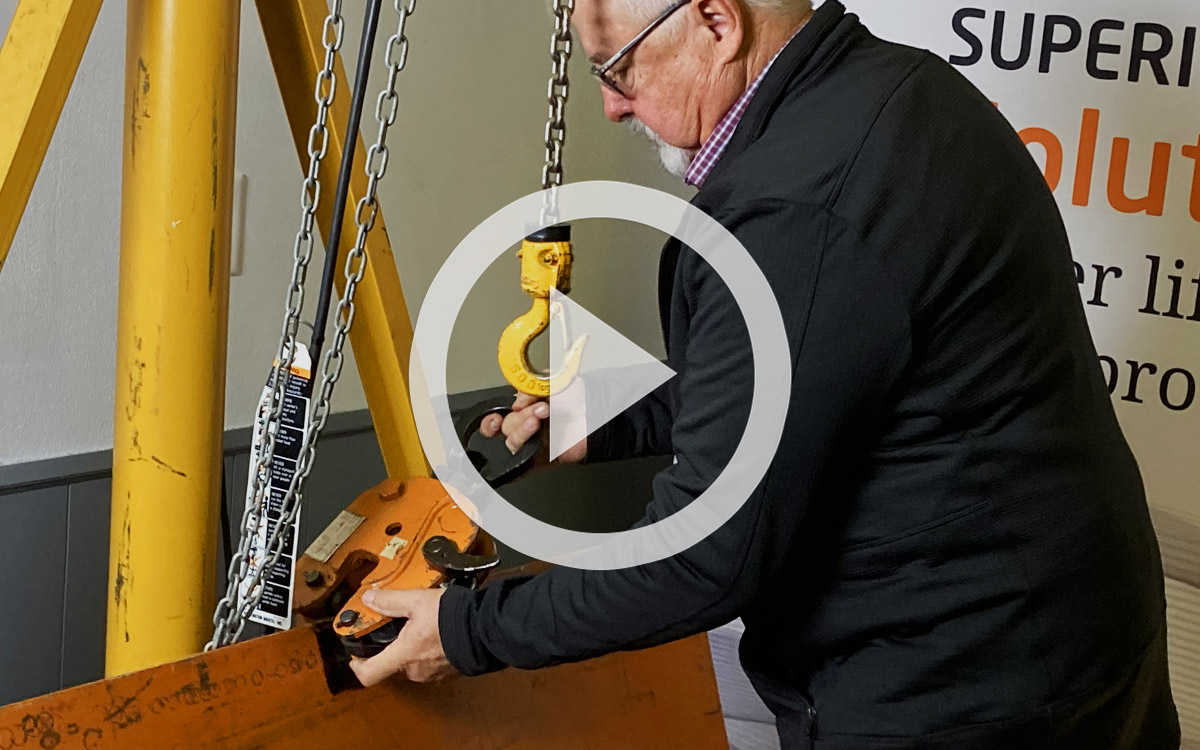
Credit: www.youtube.com
Inspecting Clamps Before Use
Using clamps safely starts with a careful inspection. Checking clamps before use helps prevent accidents.
Look closely at each clamp to ensure it is in good working order. Never use a damaged clamp.
Checking For Damage
Examine the clamp for cracks, bends, or rust. These issues can weaken the clamp and cause failure.
Pay attention to the clamp’s jaws and screws. Damaged parts may not hold materials securely.
- Look for cracks or breaks in the frame
- Check for bent or misshaped parts
- Inspect for rust or corrosion
- Ensure the jaws are clean and smooth
- Verify the screws turn without resistance
Ensuring Proper Function
Test the clamp to make sure it opens and closes smoothly. It should hold tightly without slipping.
Check the screw or lever for smooth operation. A clamp that sticks or jams is unsafe to use.
- Open and close the clamp fully
- Make sure the clamp holds pressure evenly
- Listen for unusual sounds like grinding
- Confirm the adjustment mechanism moves freely
- Test the clamp on scrap material before use
Proper Clamp Positioning
Using a clamp safely starts with placing it correctly. Proper positioning helps hold materials firmly.
Incorrect clamp placement can cause slipping or damage. Always check the clamp before tightening.
Aligning Clamps Correctly
Keep the clamp jaws parallel to the surfaces being clamped. This ensures even pressure and a secure grip.
Place the clamp close to the work area, but not too close to edges. This reduces the chance of damage.
- Check that clamp pads sit flat on the material
- Use enough clamps for large or uneven pieces
- Tighten clamps gradually and evenly
Avoiding Slippage
Slippage can cause accidents or ruin your work. Make sure the clamp grips the material well before starting.
Use clamps with rubber or textured pads for better hold on smooth surfaces. Clean surfaces before clamping.
- Inspect clamp pads for wear and replace if needed
- Do not overtighten, as this can damage materials
- Check clamp tightness often during use
Applying Correct Pressure
Using a clamp safely means applying the right amount of pressure. Too much pressure can damage your work.
Too little pressure means the clamp may not hold the materials well. Let’s learn how to apply pressure correctly.
Balancing Tightness
Balance the clamp tightness to keep materials secure without squeezing too hard. Check the clamp as you tighten it.
Stop tightening when the clamp feels firm but not painful to the material. Use your hand to test the pressure.
- Start by turning the clamp slowly
- Feel for resistance but avoid forcing it
- Check if the material moves after tightening
- Adjust if the clamp is too loose or too tight
Preventing Material Damage
Too much pressure can crack or dent wood, metal, or plastic. Protect your materials by using soft pads on the clamp jaws.
Always watch for marks or dents while clamping. Release pressure if you see any damage starting.
- Use rubber or cloth pads on clamp surfaces
- Do not overtighten the clamp
- Check material condition regularly
- Use clamps that fit the size of your project
Using Safety Gear
Using a clamp can be risky without the right safety gear. Protecting yourself helps avoid injuries and accidents. Always wear proper safety equipment when using clamps.
Safety gear keeps your hands and eyes safe from harm. It also improves your control and confidence while working with clamps.
Protective Gloves
Wear protective gloves to shield your hands from pinches and cuts. Gloves also improve your grip on the clamp handle. This stops the clamp from slipping and causing injuries.
Choose gloves made from strong materials like leather or thick fabric. Make sure they fit well and do not limit finger movement.
- Prevents hand pinches and cuts
- Improves grip on clamp handles
- Made from durable materials
- Fits snugly without restricting movement
Eye Protection
Always wear eye protection when using clamps. Small pieces of wood, metal, or dust can fly into your eyes. Safety glasses or goggles keep your eyes safe from injury.
Choose glasses that fit tightly and have no gaps. This stops particles from entering from the sides while you work.
- Protects eyes from flying debris
- Reduces risk of eye injuries
- Use safety glasses or goggles
- Should fit snugly with no gaps
Maintaining Clamps For Longevity
Clamps are useful tools that need care to last long. Proper maintenance keeps them working well.
Clean and lubricate clamps regularly. This stops rust and damage to parts.
Cleaning After Use
Always clean clamps right after using them. Dirt and glue can build up and cause problems.
Use a dry cloth to wipe off dust and debris. For sticky spots, use a mild cleaner and water.
- Remove all dust and dirt
- Clean glue or paint spots carefully
- Dry clamps completely before storing
Regular Lubrication
Lubricate moving parts of clamps to keep them smooth. This prevents rust and stiff joints.
Use light oil or a special lubricant for tools. Apply small amounts to screws and sliding parts.
- Apply oil to screw threads
- Lubricate sliding bars or arms
- Wipe off extra oil to avoid dirt
Common Mistakes To Avoid
Using a clamp safely is important to protect your work and yourself. Some common errors can cause damage or injury.
Knowing which mistakes to avoid helps you get better results and stay safe while working.
Overtightening
Overtightening a clamp can damage your materials. It can also break the clamp or cause it to slip.
Use just enough pressure to hold the pieces firmly. Check the clamp’s instructions for the right amount of force.
- Too much pressure can leave marks on wood or metal
- Overtightening may bend or break thin materials
- Clamps can wear out faster if used with too much force
Ignoring Wear And Tear
Using clamps that are worn or damaged is unsafe. Old clamps can fail during use and cause accidents.
Inspect your clamps regularly. Replace any clamps with cracks, bent parts, or worn threads.
- Check the screw and handle for smooth movement
- Look for cracks in the frame or jaws
- Replace clamps that do not hold tightly anymore

Credit: www.thefilmlook.com
Frequently Asked Questions
What Is The Proper Way To Use A Clamp?
To use a clamp safely, ensure it’s the right size for your task. Position it securely around the object. Tighten it gradually to avoid damage. Check its stability before applying any force. Always wear safety gear to protect yourself.
How Do I Choose The Right Clamp?
Choose a clamp based on the material and size of the object. Consider the clamp’s strength and grip. Ensure it’s suitable for the specific task. Review the manufacturer’s guidelines for compatibility. This ensures safety and efficiency in your project.
Why Is Clamping Important In Woodworking?
Clamping ensures stability and precision while working with wood. It prevents movement and errors during cutting or assembling. Proper clamping results in a cleaner finish. It also enhances safety by keeping hands away from cutting tools. Clamping is crucial for accurate and professional results.
Can Clamps Damage The Material?
Yes, clamps can damage materials if misused. Over-tightening can cause dents or warping. Use protective padding to minimize direct pressure. Always adjust the clamp gently and check frequently. Proper technique ensures the safety of both the material and the user.
Conclusion
Using a clamp safely protects you and your work. Always check the clamp before use. Tighten it just enough to hold firmly. Avoid over-tightening, which can cause damage. Keep your hands clear while adjusting. Store clamps properly after use to avoid accidents.
Safety takes practice and attention every time. Follow these tips to use clamps with confidence. Stay safe and work smart.