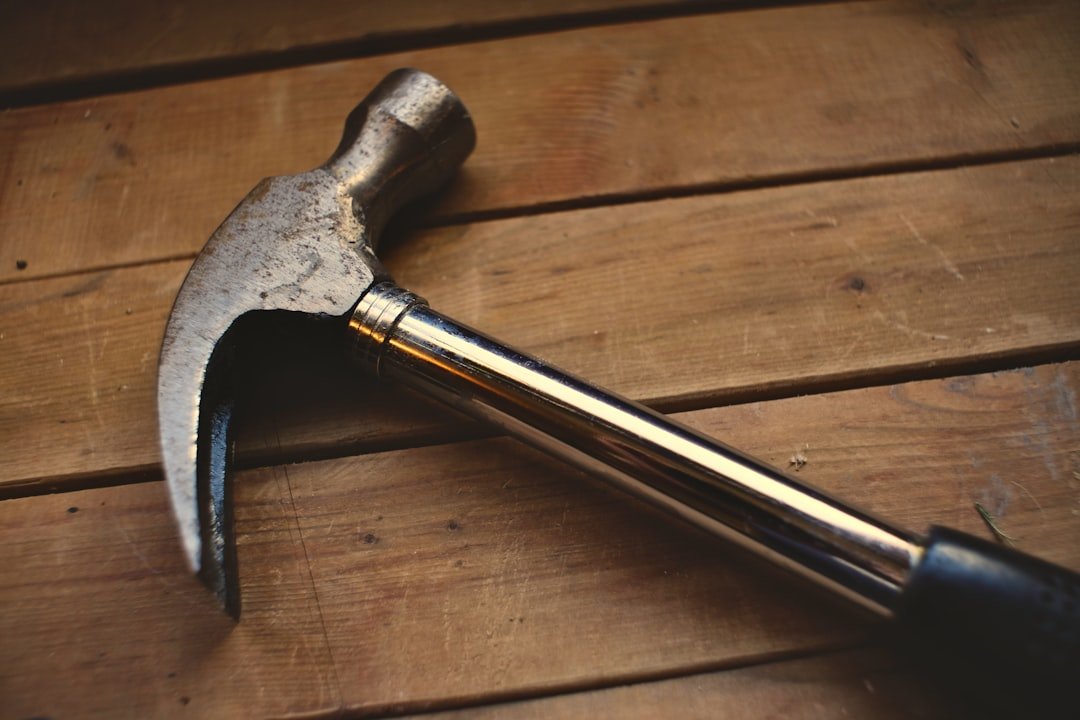
If you’ve ever picked up a claw hammer, you know it’s a handy tool for many tasks. But do you really know how to use it safely?
One wrong move can lead to painful injuries or damage to your project. You’ll learn simple, effective tips to protect yourself and get the job done right. By the time you finish reading, you’ll feel confident handling your claw hammer like a pro—without putting yourself at risk.
Keep reading to discover how easy safety can be.
Choosing The Right Claw Hammer
Using a claw hammer safely starts with picking the right one. The right hammer makes your work easier and safer.
There are different types and sizes of claw hammers. Learn about these to choose the best hammer for your task.
Types Of Claw Hammers
Claw hammers come in various types. Each type fits certain jobs and user needs better than others.
- Curved Claw Hammer: Common for general use and pulling nails.
- Straight Claw Hammer: Good for demolition and heavy prying.
- Rip Claw Hammer: Designed for ripping apart wood and materials.
- Ball Peen Hammer: Has a rounded peen, used for metalwork but sometimes combined with a claw.
Choose a type based on the work you plan to do. The curved claw is best for most home projects.
Selecting The Proper Size And Weight
Size and weight affect how well you handle the hammer. A hammer that is too heavy or too light can cause accidents.
Pick a hammer size that fits your hand and strength. The handle should be comfortable to grip and control.
- Lightweight hammers (8-12 ounces) work well for small tasks and beginners.
- Medium weight hammers (12-16 ounces) suit most home and workshop jobs.
- Heavy hammers (16 ounces or more) are for large nails and tough materials.
- Handle length usually ranges from 12 to 16 inches; longer handles give more power.
Try holding different hammers to find the size and weight that feels right. This helps prevent hand strain and improves safety.
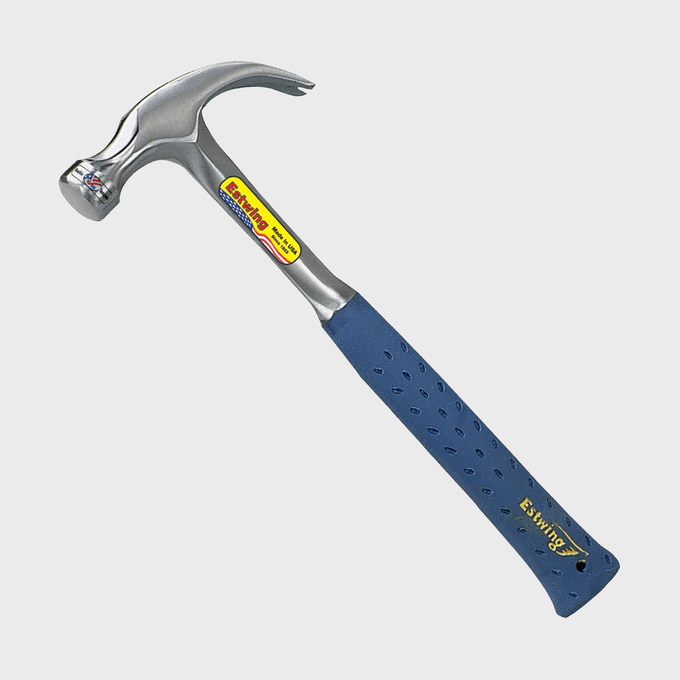
Credit: www.familyhandyman.com
Preparing For Safe Use
Using a claw hammer safely starts with good preparation. Taking time to prepare helps prevent accidents and injuries.
This guide covers how to prepare before using a claw hammer. Follow these steps to keep yourself safe.
Inspecting The Hammer
Check the hammer before use to make sure it is safe. Look for cracks, loose heads, or splinters on the handle.
Do not use a hammer if it is damaged. A broken hammer can cause serious injuries.
- Make sure the hammerhead is tightly attached
- Check the handle for cracks or splinters
- Ensure the claw is not bent or damaged
- Replace the hammer if any damage is found
Wearing Protective Gear
Always wear protective gear before using a hammer. This helps reduce the risk of injury.
Wear safety glasses to protect your eyes from flying debris. Gloves can protect your hands from splinters and blisters.
- Safety glasses or goggles
- Work gloves with good grip
- Closed-toe shoes to protect feet
Setting Up A Safe Workspace
Prepare your workspace to avoid accidents. Clear the area of clutter and tripping hazards before starting.
Make sure you have enough light to see your work clearly. Keep your work at a comfortable height to avoid strain.
- Clear the work area of tools and debris
- Use a sturdy surface to hold the workpiece
- Keep children and pets away from the workspace
- Ensure good lighting to see the nail and hammer
Proper Hammer Grip And Stance
Using a claw hammer safely requires the right grip and stance. These help you control the hammer well and avoid injuries.
Good habits make your work easier and protect your hands and body. Focus on how you hold the hammer and stand.
Holding The Hammer Correctly
Hold the hammer near the end of its handle. This gives you more power with each swing.
Grip the handle firmly but not too tight. A loose grip can cause the hammer to slip, but a very tight grip tires your hand.
- Wrap your fingers around the handle, not just your palm
- Keep your thumb alongside the handle for control
- Hold the hammer so the head points away from your body
Body Positioning For Control
Stand with your feet shoulder-width apart. This stance helps you balance during hammering.
Bend your knees slightly and keep your back straight. This reduces strain and improves accuracy.
- Face the work directly to keep your aim steady
- Keep your elbow close to your body for better control
- Position yourself so the hammer moves in a straight line

Credit: badgework.prepscouts.lk
Techniques For Effective Hammering
Using a claw hammer correctly helps you work faster and safer. Good hammering techniques protect your hands and materials.
Learn how to hold the hammer, aim nails, and use the claw for best results. These tips make hammering easier for everyone.
Driving Nails Safely
Hold the hammer near the end of the handle for better control. Start nails by tapping them lightly to keep them steady.
Keep your eyes on the nail head and strike it squarely. Use smooth, controlled swings to avoid bending nails or missing.
- Hold the nail near its base, away from fingers
- Tap gently to start, then use stronger swings
- Strike the nail head straight on
- Keep your wrist firm but relaxed
Removing Nails With The Claw
Slide the claw under the nail head carefully. Pull the handle back slowly to lift the nail out without damaging wood.
If the nail is hard to remove, rock the hammer slightly side to side. Use a block of wood under the hammer for extra leverage.
- Position the claw under the nail head
- Pull the hammer handle back smoothly
- Use a wood block for better leverage
- Work gently to avoid wood damage
Avoiding Common Mistakes
Do not hold the nail too close to the hammer’s strike area. Avoid swinging wildly or using the hammer for wrong tasks.
Always wear safety glasses to protect your eyes from flying debris. Check the hammer for cracks or loose heads before use.
- Keep fingers clear of hammer strikes
- Use the right hammer size for the job
- Wear safety glasses every time
- Inspect hammer before each use
- Do not use hammer as a pry bar or wrench
Maintenance And Storage Tips
Using a claw hammer safely includes taking good care of it. Proper maintenance and storage keep the hammer in good shape. This helps avoid accidents and makes the tool last longer.
Clean and check your hammer often. Store it where it stays dry and safe. These simple steps improve your safety and tool performance.
Cleaning And Inspecting Regularly
Clean your claw hammer after each use. Dirt and rust can damage the metal and wood parts. Use a dry cloth to wipe the hammer. For stubborn grime, use a little soapy water and dry well.
Check the hammer for damage before using it. Look at the handle for cracks or splinters. Make sure the head is tight and not loose. A loose hammer head can cause injury.
- Wipe the hammer clean after use
- Use soapy water for tough dirt
- Dry the hammer completely to stop rust
- Inspect the handle for cracks or splits
- Ensure the hammer head is secure
Safe Storage Practices
Store your claw hammer in a dry place. Moisture causes rust and weakens the metal. Keep the hammer off the ground to avoid damage. Use a tool rack or box to keep it safe.
Keep the hammer away from children and pets. Store it where you can easily reach it but it will not fall. Proper storage prevents accidents and extends the hammer’s life.
- Store in a dry, cool place
- Use a tool rack or box
- Keep the hammer off the floor
- Place it where it won’t fall
- Keep out of reach of children and pets
Recognizing And Handling Hammer-related Injuries
Using a claw hammer can cause injuries if you are not careful. Knowing how to spot these injuries is important. Acting quickly can help reduce damage.
This guide explains common hammer injuries and how to give first aid. Stay safe by learning what to do if hurt.
Common Injuries To Watch For
Hammer use can cause bruises, cuts, or broken skin. You might also hit your fingers or hand by mistake. Some injuries can be serious.
- Bruised or crushed fingers
- Cut or puncture wounds
- Broken or fractured bones
- Blisters from repeated use
- Eye injuries from flying debris
First Aid Measures
Stop working right away if you get hurt. Clean small cuts with soap and water. Use a bandage to cover the wound.
For bruises, apply a cold pack to reduce swelling. Keep your hand raised to lower pain. See a doctor if pain is strong or bones feel broken.
- Clean wounds and cover with sterile bandage
- Use ice packs on bruises for 15 minutes
- Elevate injured hand above heart level
- Seek medical help for deep cuts or broken bones
- Wear safety goggles to protect eyes during work

Credit: www.safetyandhealthmagazine.com
Frequently Asked Questions
How Do I Hold A Claw Hammer Correctly?
Hold the hammer near the end of the handle for better control. Grip it firmly but not too tight. This allows for balanced, powerful strikes and reduces hand fatigue during use.
What Safety Gear Is Essential When Using A Claw Hammer?
Always wear safety goggles to protect your eyes from flying debris. Use gloves to prevent blisters and improve grip. Closed-toe shoes help protect your feet from accidental drops.
How Can I Avoid Damaging Surfaces With A Claw Hammer?
Use a wooden block as a buffer when prying. Strike nails squarely to avoid bending or surface damage. Work slowly and carefully to maintain control and protect materials.
When Should I Inspect My Claw Hammer For Safety?
Inspect before each use for cracks or loose handles. Replace if the head is loose or the handle is damaged. Regular checks prevent accidents and ensure effective hammering.
Conclusion
Using a claw hammer safely is crucial. Always grip the handle firmly. Wear protective gear like gloves and goggles. Keep your surroundings clear of distractions. Stay focused to avoid mistakes. Proper tool maintenance is important too. Check for damage before use.
Store your hammer in a safe place. Follow these tips to reduce risks. Practice makes perfect. Familiarity builds confidence. Safety should always be your priority. Enjoy your projects with peace of mind. Remember, a careful approach ensures better results. Happy hammering!